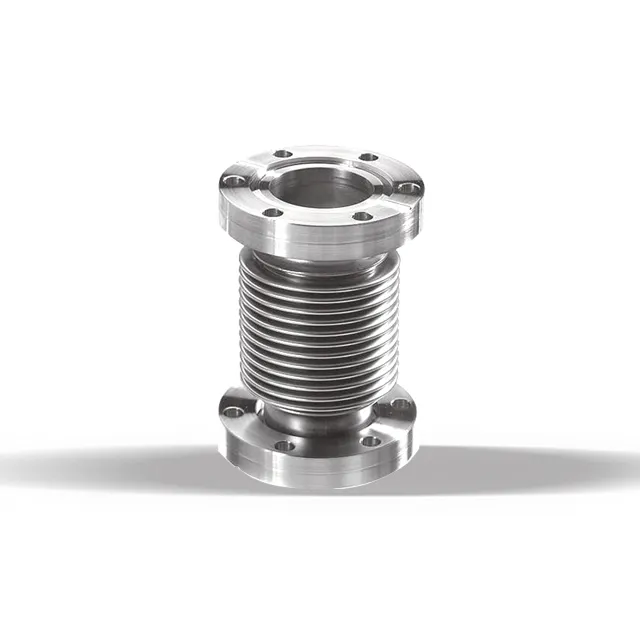
Pressure Vacuum Vent Valve Guide

All Categories

pressure vacuum vent valve

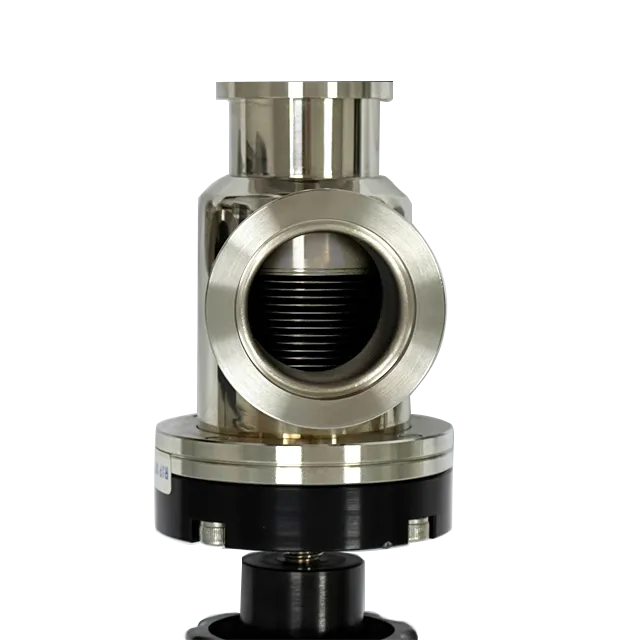
A pressure vacuum vent valve is a critical safety device designed to protect storage tanks and vessels from structural damage caused by excessive internal pressure or vacuum conditions. This specialized valve operates automatically, opening to release excess pressure when internal forces exceed safe thresholds and allowing air intake when vacuum conditions develop. The pressure vacuum vent valve maintains optimal atmospheric balance within storage containers, preventing tank collapse during emptying operations or thermal contraction, while also avoiding rupture from overpressure during filling or thermal expansion. Engineered with precision-calibrated spring mechanisms and carefully designed seating surfaces, these valves respond instantly to pressure differentials. The technological features include corrosion-resistant materials, weather-tight construction, and dual-function capability that addresses both positive pressure and negative pressure scenarios. Modern pressure vacuum vent valve designs incorporate flame arrestor elements for flammable liquid storage, ensuring safe venting without ignition risks. These valves find essential applications across petroleum storage facilities, chemical processing plants, pharmaceutical manufacturing, food and beverage industries, and any operation involving large-scale liquid storage tanks. The pressure vacuum vent valve serves as a first line of defense against catastrophic tank failures, environmental contamination, and product loss. Installation is straightforward, typically mounting directly to tank roof openings with standard flange connections. Maintenance requirements remain minimal due to robust construction and self-cleaning designs that prevent blockage from debris or product residue, making the pressure vacuum vent valve an indispensable component for safe and efficient storage operations.

New Product Releases

Investing in a quality pressure vacuum vent valve delivers immediate and long-term value for your storage operations. The primary benefit centers on asset protection, as this valve prevents costly tank damage from pressure extremes that could require expensive repairs or complete tank replacement. Your operational safety improves dramatically because the pressure vacuum vent valve eliminates risks of tank implosion during product withdrawal or explosion during filling, protecting both personnel and surrounding infrastructure. Cost savings extend beyond damage prevention, as proper venting reduces product evaporation losses, directly impacting your bottom line by preserving valuable inventory. The automatic operation means no manual intervention is required, reducing labor costs and eliminating human error from the safety equation. Environmental compliance becomes simpler with a pressure vacuum vent valve, as controlled venting meets regulatory requirements for emissions management while preventing uncontrolled releases that could trigger fines or operational shutdowns. The valve's dual-function design offers exceptional value by replacing two separate devices, streamlining your tank configuration and reducing installation complexity. Maintenance costs remain low because these valves feature durable construction with few moving parts, extending service intervals and minimizing downtime. Application versatility means the pressure vacuum vent valve adapts to various tank sizes, product types, and operating conditions, providing a universal solution for diverse storage needs. Energy efficiency improves as proper venting reduces pump strain during tank filling and emptying cycles. Insurance benefits may include reduced premiums when proper safety equipment is documented. The peace of mind knowing your storage infrastructure is protected around the clock, in all weather conditions, represents invaluable operational confidence that allows you to focus resources on core business activities rather than emergency response preparations.

Latest News

How Can Vacuum Technology Improve Process Stability and Output?

29

May

How Can Vacuum Technology Improve Process Stability and Output?

In modern industrial manufacturing, process stability and consistent output are not optional goals — they are operational necessities. vacuum technology has emerged as one of the most reliable engineering tools for achieving both. By removing gas mol...
View More
Why Are High Quality Vacuum Fittings Critical for Industrial Systems?

29

May

Why Are High Quality Vacuum Fittings Critical for Industrial Systems?

In industrial environments where precision and reliability are non-negotiable, the integrity of every component in a vacuum system determines whether operations succeed or fail. Among all the components that make up a vacuum assembly, vacuum fittings...
View More
Which Vacuum Accessories Improve Industrial Process Reliability Most?

29

May

Which Vacuum Accessories Improve Industrial Process Reliability Most?

In high-demand industrial environments, the performance of a vacuum system is rarely determined by the pump alone. The supporting components — the vacuum accessories that seal, connect, isolate, and protect every part of the system — are what separat...
View More
Why Are Custom Vacuum Systems Important for Precision Automation?

29

May

Why Are Custom Vacuum Systems Important for Precision Automation?

In precision automation, the margin for error is measured in microns, and the environments in which sensitive processes occur must be controlled with exceptional care. custom vacuum systems have become a foundational element in this landscape, enabli...
View More

Get a Free Quote

Our representative will contact you soon.
Email
Name
Company Name
Message
0/1000

pressure vacuum vent valve

Advanced Dual-Pressure Protection System

Advanced Dual-Pressure Protection System

The pressure vacuum vent valve incorporates sophisticated dual-action mechanisms that provide comprehensive protection against both overpressure and vacuum conditions within a single compact unit. When internal tank pressure rises above the preset threshold during filling operations, thermal expansion, or atmospheric changes, the pressure relief component activates automatically, releasing excess vapor to prevent dangerous stress on tank walls and roof structures. Conversely, when vacuum conditions develop during product withdrawal, cooling, or atmospheric pressure drops, the vacuum relief function immediately opens to admit atmospheric air, preventing tank collapse. This intelligent design utilizes precisely calibrated spring-loaded pallets that respond within milliseconds to pressure differentials, ensuring your storage vessels remain within safe operating parameters at all times. The dual-function capability eliminates the need for separate pressure relief and vacuum relief devices, reducing equipment costs, simplifying tank design, and minimizing potential leak points. Each function operates independently yet shares common housing and mounting infrastructure, optimizing space utilization on tank roofs while maintaining full redundancy for critical safety protection that operates reliably across temperature extremes and varying environmental conditions.
Superior Construction and Longevity

Superior Construction and Longevity

Every pressure vacuum vent valve is engineered with premium materials selected specifically for harsh industrial environments and extended service life. The valve body typically features aluminum alloy, stainless steel, or specialized coatings that resist corrosion from chemical vapors, weather exposure, and product contact. Sealing surfaces utilize advanced elastomers or metal-to-metal designs that maintain tight closure against fugitive emissions while ensuring reliable opening when pressure differentials demand action. The internal spring mechanisms are manufactured from corrosion-resistant alloys that retain calibration accuracy over thousands of operating cycles without degradation or set loss. Weather-tight construction incorporates protective covers and drainage features that prevent ice formation, debris accumulation, and moisture intrusion that could compromise valve performance. Many pressure vacuum vent valve models include integrated flame arrestor elements constructed from precision-crimped metal ribbons that quench flame propagation while allowing unrestricted vapor flow. The robust design withstands extreme temperature variations, high winds, seismic events, and industrial atmospheric contaminants. Quality manufacturing standards ensure dimensional accuracy for proper sealing and consistent set pressure maintenance throughout the valve's operational lifetime, typically spanning decades with minimal maintenance requirements, delivering exceptional return on investment through reliable performance and reduced replacement frequency.
Regulatory Compliance and Safety Integration

Regulatory Compliance and Safety Integration

The pressure vacuum vent valve serves as a cornerstone component in comprehensive tank safety and environmental compliance strategies. These valves meet stringent international standards including API 2000, ensuring compatibility with industry best practices and regulatory requirements across global markets. By controlling vapor emissions during normal operations, the pressure vacuum vent valve helps facilities maintain compliance with environmental regulations governing volatile organic compound releases, reducing reportable emissions and potential penalties. The controlled venting function prevents unplanned emergency releases that could trigger regulatory investigations or community concerns. When equipped with flame arrestors, these valves satisfy fire safety codes for flammable liquid storage, providing essential protection against external ignition sources while maintaining proper tank breathing. Installation of a properly sized pressure vacuum vent valve demonstrates due diligence in asset protection and safety management, supporting insurance compliance and potentially qualifying for premium reductions. Documentation and certification accompanying quality valves streamline inspection processes and regulatory audits. The fail-safe design philosophy ensures that even in unlikely component failure scenarios, the valve defaults to open positions that protect tank integrity. Integration with tank instrumentation and monitoring systems allows operational teams to verify proper valve function and maintain comprehensive safety documentation, creating auditable records that demonstrate ongoing commitment to operational excellence and regulatory compliance throughout your facility's operational life.

Have questions about the company?

Get a Free Quote

Our representative will contact you soon.
Email
Name
Company Name
Message
0/1000

Get a Free Quote

Our representative will contact you soon.
Email
Name
Company Name
Message
0/1000

Get a Free Quote

Our representative will contact you soon.
Email
Name
Company Name
Message
0/1000