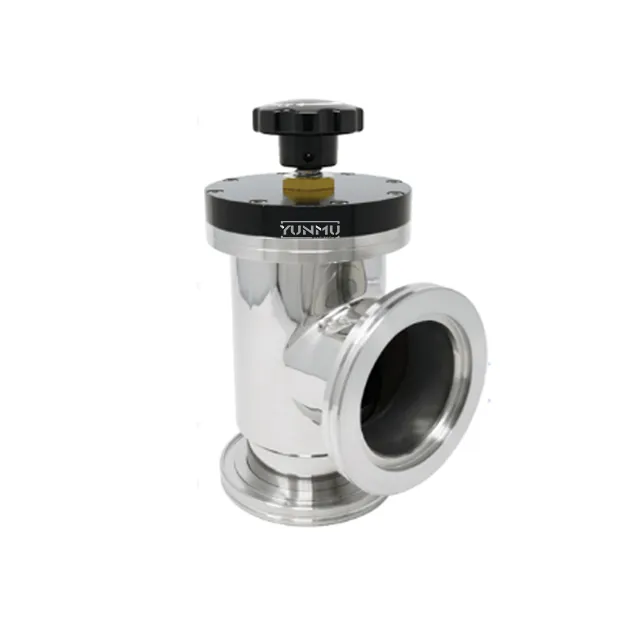
vacuum and pressure relief valve
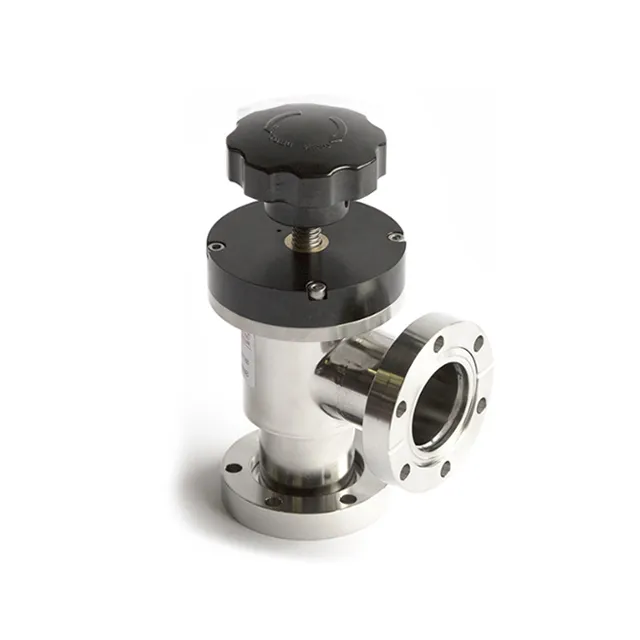
A vacuum and pressure relief valve is a critical safety device designed to protect storage tanks and process vessels from dangerous over-pressure and vacuum conditions. This dual-function valve automatically opens to release excess pressure or admit air when internal vacuum develops, maintaining safe operating conditions within the protected equipment. The vacuum and pressure relief valve operates through precision-engineered mechanisms that respond immediately to pressure differentials, preventing structural damage, product loss, and potential safety hazards. Its technological features include spring-loaded disc assemblies, weighted pallets, or pilot-operated systems that provide reliable actuation at predetermined set points. The valve body construction typically utilizes corrosion-resistant materials such as aluminum, stainless steel, or specialized alloys to ensure long-term durability in challenging environments. Modern vacuum and pressure relief valve designs incorporate flame arrestor elements for flammable vapor applications, providing an additional layer of protection against fire propagation. These valves find extensive applications across petroleum storage facilities, chemical processing plants, pharmaceutical manufacturing, food and beverage production, and wastewater treatment operations. The vacuum and pressure relief valve serves as the primary defense mechanism against atmospheric pressure changes, temperature fluctuations, rapid filling or emptying operations, and blocked vent conditions that could otherwise compromise tank integrity and operational safety.
 EN
EN