Vacuum Relief Valves - Essential Tank Protection

All Categories

vacuum relief

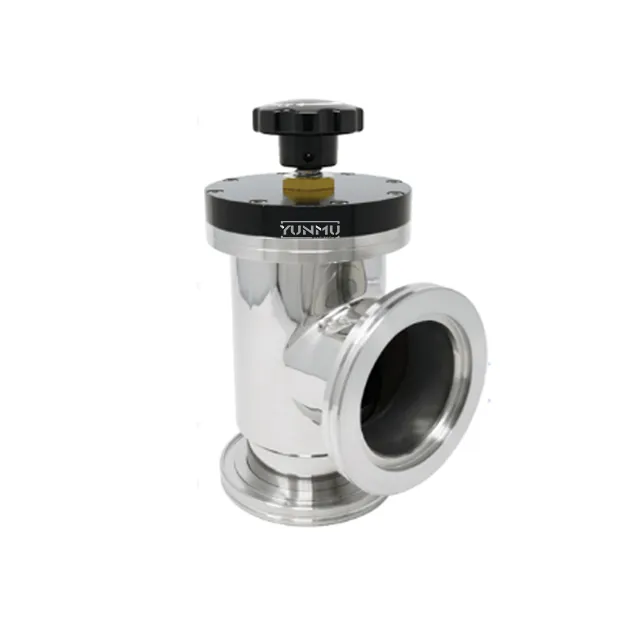
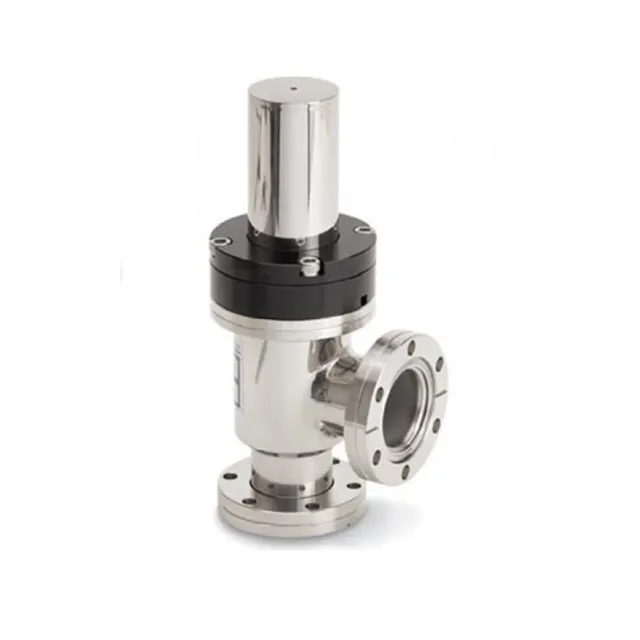
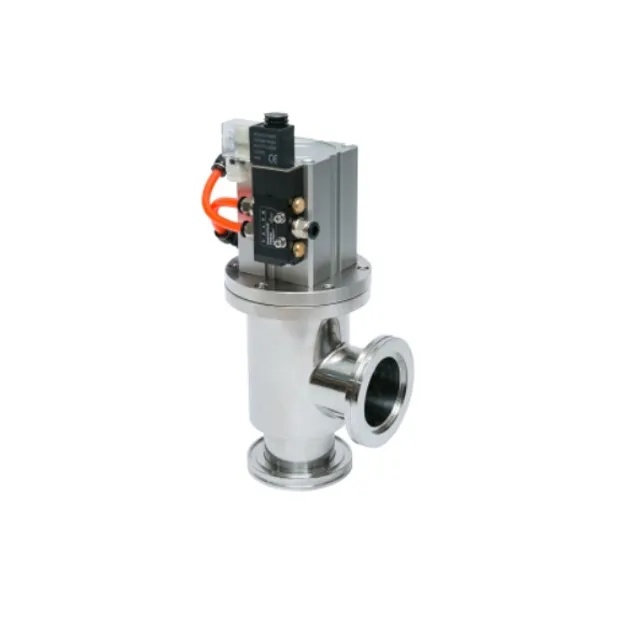
A vacuum relief is a critical safety device designed to protect storage tanks, vessels, and piping systems from damage caused by internal negative pressure or vacuum conditions. When liquid is rapidly discharged from a tank or when vapor condenses inside a closed vessel, a vacuum can form that may cause structural collapse or implosion. The vacuum relief valve automatically opens to allow air or gas to enter the system, equalizing pressure and preventing catastrophic failure. This essential component operates through a spring-loaded mechanism that responds instantly when internal pressure drops below atmospheric levels. Modern vacuum relief devices feature precision-engineered seats and seals that ensure tight closure during normal operations while providing reliable opening when needed. These valves are manufactured from various materials including stainless steel, carbon steel, and specialized alloys to suit different process environments and media compatibility requirements. The vacuum relief valve finds widespread application across multiple industries including petroleum refining, chemical processing, pharmaceutical manufacturing, food and beverage production, and water treatment facilities. Installation is straightforward, typically mounting directly on tank tops or vessel nozzles. The vacuum relief valve requires minimal maintenance while delivering dependable performance over extended service life. Advanced designs incorporate features such as adjustable set points, flame arrestors for flammable vapor protection, and corrosion-resistant coatings. By maintaining proper pressure balance, the vacuum relief valve protects valuable equipment investments and ensures operational continuity across diverse industrial applications.

New Product Recommendations

Implementing a vacuum relief system delivers substantial cost savings by preventing expensive equipment damage and unplanned downtime. Tank collapse from vacuum conditions can result in repair costs exceeding hundreds of thousands of dollars, while a properly installed vacuum relief valve represents a minimal investment that pays for itself many times over. Operational efficiency improves significantly because the vacuum relief mechanism works automatically without requiring power, control systems, or operator intervention, reducing labor costs and eliminating human error risks. Your facility benefits from enhanced safety as the vacuum relief valve prevents hazardous situations that could endanger personnel and surrounding areas, helping you maintain compliance with industry regulations and safety standards. The simplicity of vacuum relief technology means reduced maintenance requirements compared to complex pressure control systems, with many installations operating reliably for years with only periodic inspections. Application versatility allows the vacuum relief valve to serve effectively across temperature ranges from cryogenic to high-heat processes, with pressure ratings customizable to match your specific system requirements. Material options ensure compatibility with corrosive chemicals, petroleum products, food-grade applications, and pharmaceutical processes. Quick response time provides immediate pressure equalization when vacuum conditions develop, preventing progressive damage that occurs during delayed pressure relief. Energy efficiency characteristics mean zero operating costs since the vacuum relief device functions purely through mechanical principles without consuming electricity or compressed air. Installation flexibility accommodates various mounting configurations and tank sizes, from small process vessels to large atmospheric storage tanks. The vacuum relief valve integrates seamlessly with existing venting systems and can operate independently or alongside pressure relief devices for complete pressure protection. Decision-makers appreciate the proven reliability, straightforward maintenance, and long service life that make the vacuum relief valve an essential component for protecting critical infrastructure investments.

Tips And Tricks

How Do Vacuum Accessories Support Faster Vacuum System Upgrades?

29

May

How Do Vacuum Accessories Support Faster Vacuum System Upgrades?

When a vacuum system needs to be upgraded, the speed and success of that process depend heavily on more than just the main pump or chamber. The supporting components — the fittings, adapters, flanges, and connectors that link every element of the sys...
View More
How Can Vacuum Solutions Improve Industrial Process Reliability?

29

May

How Can Vacuum Solutions Improve Industrial Process Reliability?

In modern industrial environments, process reliability is not a luxury — it is a fundamental requirement. Equipment downtime, inconsistent output quality, and unpredictable system behavior all carry significant operational and financial consequences....
View More
Can Edge Welded Bellow Assemblies Extend Equipment Service Life?

04

Jun

Can Edge Welded Bellow Assemblies Extend Equipment Service Life?

When engineers and procurement specialists evaluate ways to extend the operational lifespan of precision equipment, the mechanical components that absorb motion, pressure, and thermal stress often receive the closest scrutiny. Among these, the edge w...
View More
How Can Edge Welded Bellow Systems Improve Vacuum Performance?

04

Jun

How Can Edge Welded Bellow Systems Improve Vacuum Performance?

In high-precision vacuum environments, even the smallest mechanical compromise can lead to significant performance degradation. The edge welded bellow has emerged as one of the most reliable solutions for maintaining vacuum integrity while accommodat...
View More

Get a Free Quote

Our representative will contact you soon.
Email
Name
Company Name
Message
0/1000

vacuum relief

Automatic Pressure Equalization Protection

Automatic Pressure Equalization Protection

The vacuum relief valve delivers instantaneous response to dangerous vacuum conditions without requiring external power sources or monitoring systems. This self-actuating mechanism continuously monitors internal pressure and opens automatically when readings fall below the predetermined set point, typically just below atmospheric pressure. The spring-loaded design ensures precise operation with repeatable performance across thousands of cycles. Unlike electronic pressure control systems that depend on sensors, controllers, and power supplies that can fail, the vacuum relief device operates through pure mechanical principles that remain functional even during facility power outages or control system failures. This inherent reliability makes it the preferred solution for critical applications where equipment protection cannot be compromised. The vacuum relief valve closes automatically once pressure equalizes, preventing contaminant ingress and maintaining process integrity. Advanced seat designs create bubble-tight seals during normal operations, eliminating product loss and preventing atmospheric moisture from entering sensitive processes. The immediate response capability prevents the progressive structural damage that occurs when vacuum conditions persist, protecting both the primary vessel and connected piping systems. This automatic protection operates 24/7 without supervision, providing continuous safeguarding that reduces risk exposure and insurance costs while ensuring uninterrupted production operations.
Versatile Material and Configuration Options

Versatile Material and Configuration Options

Modern vacuum relief systems are available in comprehensive material selections engineered to withstand diverse process environments and chemical exposures. Stainless steel construction including 316L grades provides excellent corrosion resistance for chemical processing and pharmaceutical applications where product purity is paramount. Carbon steel options with protective coatings offer economical solutions for hydrocarbon service and general industrial applications. Exotic alloys including Hastelloy, Monel, and titanium address highly corrosive environments where standard materials would fail prematurely. Plastic and PTFE-lined vacuum relief valves serve ultra-pure water systems and aggressive chemical processes requiring non-metallic wetted surfaces. Configuration flexibility includes direct tank mounting, flanged connections, threaded ends, and tri-clamp sanitary fittings for food and pharmaceutical installations. Size ranges span from small half-inch connections for process vessels to large twelve-inch and greater openings for atmospheric storage tanks requiring high air intake capacity. Set pressure adjustability allows field calibration to match specific application requirements, accommodating systems operating near atmospheric pressure or those requiring precise vacuum settings. Optional features include integral flame arrestors that prevent flame transmission while maintaining vacuum relief functionality, weatherproof enclosures for outdoor installations, and insulation jackets for temperature-sensitive processes. This extensive customization capability ensures the vacuum relief solution precisely matches your operational needs and performance specifications.
Long-Term Reliability and Low Maintenance

Long-Term Reliability and Low Maintenance

The vacuum relief valve design emphasizes durability and sustained performance throughout extended service intervals, minimizing lifecycle costs and maximizing equipment uptime. Robust construction using precision-machined components ensures dimensional stability and consistent operation across wide temperature fluctuations and pressure cycles. Corrosion-resistant materials and protective finishes prevent degradation even in harsh environmental conditions including marine atmospheres, chemical exposures, and extreme weather. The simple mechanical design contains fewer components compared to complex pressure control systems, reducing potential failure points and extending mean time between maintenance. Many vacuum relief installations operate reliably for five to ten years with only annual visual inspections, while more demanding services may require inspection every two to three years. Maintenance procedures involve straightforward tasks such as cleaning seat surfaces, inspecting seals, and verifying set pressure calibration, activities that maintenance personnel can complete quickly without specialized training or equipment. Replacement parts including springs, seats, and gaskets are readily available and economically priced, keeping long-term operating costs minimal. The vacuum relief valve remains serviceable in place for many maintenance tasks, eliminating the need for system shutdowns and vessel isolation. Quality manufacturing standards ensure interchangeability of components across production batches, simplifying spare parts inventory management. This maintenance-friendly design reduces total cost of ownership while providing the dependable protection essential for safeguarding valuable process equipment and maintaining operational continuity.

Have questions about the company?

Get a Free Quote

Our representative will contact you soon.
Email
Name
Company Name
Message
0/1000

Get a Free Quote

Our representative will contact you soon.
Email
Name
Company Name
Message
0/1000

Get a Free Quote

Our representative will contact you soon.
Email
Name
Company Name
Message
0/1000