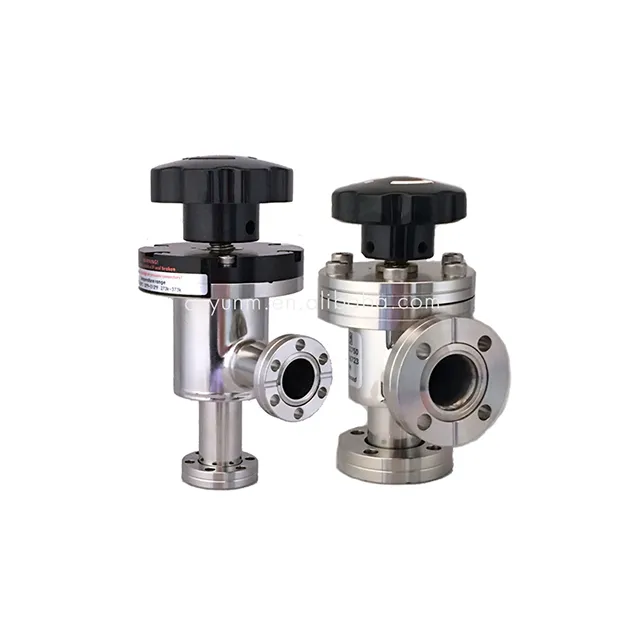
Pneumatic Vacuum Valve - Reliable Control Solution

All Categories

pneumatic vacuum valve

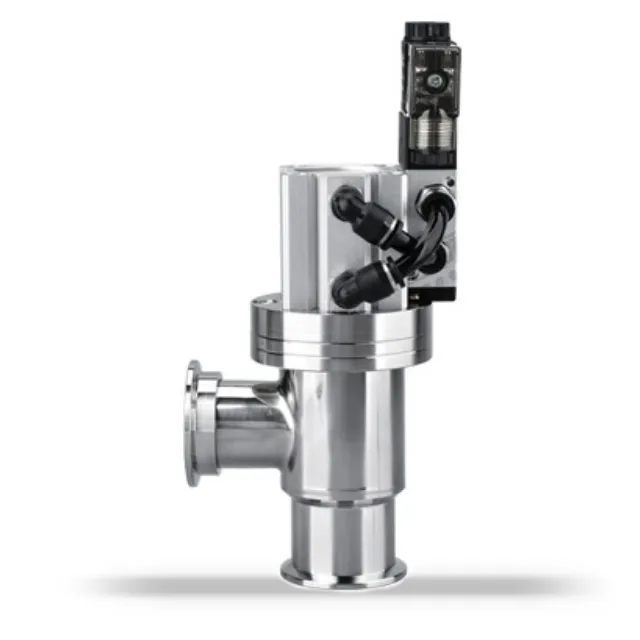
A pneumatic vacuum valve is an essential control device designed to regulate vacuum pressure in industrial systems using compressed air as the primary operating mechanism. This specialized valve combines precision engineering with pneumatic actuation to provide reliable and efficient vacuum control across diverse manufacturing environments. The pneumatic vacuum valve features a robust construction that ensures consistent performance in demanding applications where vacuum levels must be maintained within specific parameters. Its core functionality revolves around opening and closing vacuum lines in response to pneumatic signals, enabling automated control of vacuum processes without manual intervention. The technological design incorporates high-quality sealing materials that prevent air leakage and maintain vacuum integrity throughout operation. Advanced pneumatic vacuum valve models integrate position feedback sensors and pressure monitoring capabilities to deliver enhanced process control and real-time system diagnostics. These valves find extensive applications in semiconductor manufacturing, pharmaceutical packaging, food processing, automated assembly lines, and material handling systems where precise vacuum control is critical. The pneumatic actuation system offers fast response times and reliable operation even in harsh environmental conditions including high temperatures, dust, and moisture. Industries benefit from the pneumatic vacuum valve's ability to automate vacuum processes, reduce energy consumption, and improve overall system efficiency while maintaining consistent product quality and operational safety standards.

New Products

The pneumatic vacuum valve delivers significant operational benefits that directly impact your production efficiency and bottom line. First, these valves operate without electrical power at the point of actuation, eliminating spark risks in explosive environments and reducing installation costs by removing the need for electrical wiring to each valve location. This air-powered operation makes the pneumatic vacuum valve inherently safe for hazardous areas where flammable materials or gases are present. The simple mechanical design means fewer components that can fail, resulting in extended service life and reduced maintenance requirements compared to electrically actuated alternatives. You gain faster switching speeds with pneumatic actuation, enabling rapid process adjustments that improve cycle times and increase throughput in high-speed production lines. The pneumatic vacuum valve performs reliably across extreme temperature ranges where electronic components might fail, making it suitable for applications in both freezing cold storage facilities and high-heat manufacturing processes. Installation simplicity represents another practical advantage, as technicians can quickly connect air supply lines without specialized electrical knowledge or safety certifications. These valves offer excellent cost-effectiveness through their durable construction and minimal maintenance needs, providing years of trouble-free operation with only periodic seal replacement. The fail-safe design options allow you to configure valves that automatically move to a safe position during air supply loss, protecting your processes and equipment. Environmental resistance to dust, moisture, and vibration ensures consistent performance in demanding industrial settings. Pneumatic vacuum valve systems integrate seamlessly with existing compressed air infrastructure, leveraging your current facility utilities without requiring additional power sources or control systems, making upgrades and expansions straightforward and budget-friendly.

Practical Tips

How Can Vacuum Technology Improve Process Stability and Output?

29

May

How Can Vacuum Technology Improve Process Stability and Output?

In modern industrial manufacturing, process stability and consistent output are not optional goals — they are operational necessities. vacuum technology has emerged as one of the most reliable engineering tools for achieving both. By removing gas mol...
View More
Why Are Stainless Steel Vacuum Fittings Preferred in Harsh Environments?

29

May

Why Are Stainless Steel Vacuum Fittings Preferred in Harsh Environments?

In industrial and scientific settings where reliability is non-negotiable, the choice of vacuum fittings can determine whether a system performs flawlessly or fails under pressure. Stainless steel has emerged as the dominant material for vacuum fitti...
View More
Which Businesses Gain the Most From Custom Vacuum Systems Today?

29

May

Which Businesses Gain the Most From Custom Vacuum Systems Today?

Across a wide range of industries, the demand for precision-engineered vacuum technology has grown significantly in recent years. Businesses that rely on controlled environments, contamination-free processing, or highly repeatable manufacturing condi...
View More
Why Are Precision Vacuum Components Important for Industrial Use?

05

Jun

Why Are Precision Vacuum Components Important for Industrial Use?

In high-performance industrial environments, the reliability of every individual part determines the integrity of the entire system. vacuum components are among the most critical elements in this equation, forming the backbone of systems that depend ...
View More

Get a Free Quote

Our representative will contact you soon.
Email
Name
Company Name
Message
0/1000

pneumatic vacuum valve

Rapid Response and Precise Control

Rapid Response and Precise Control

The pneumatic vacuum valve excels in delivering exceptional response times that are critical for modern automated manufacturing processes. When compressed air signals reach the actuator, the valve responds within milliseconds, allowing your production line to make instantaneous adjustments to vacuum levels. This rapid actuation capability proves invaluable in pick-and-place operations, packaging lines, and material transfer systems where timing precision directly affects product quality and throughput. The proportional control available in advanced pneumatic vacuum valve designs enables fine-tuning of vacuum intensity, giving operators the ability to match suction force exactly to workpiece requirements. Delicate components benefit from gentle vacuum levels, while heavier items receive stronger suction, all controlled through the same versatile valve system. The mechanical simplicity of pneumatic actuation eliminates electronic lag and signal processing delays, ensuring that commanded actions translate immediately into physical valve movement. This direct mechanical linkage provides predictable, repeatable performance across millions of cycles, maintaining consistent process parameters that quality control systems depend upon. Operators appreciate the straightforward adjustment capabilities, as simple pressure regulators on the air supply allow quick modifications to valve timing and force without programming changes or specialized tools.

Exceptional Durability in Harsh Environments

Exceptional Durability in Harsh Environments

Industrial environments present numerous challenges that can degrade equipment performance, but the pneumatic vacuum valve demonstrates remarkable resilience against these adverse conditions. The absence of sensitive electronics means these valves continue operating reliably in temperature extremes ranging from subzero cold storage facilities to foundries with ambient temperatures exceeding typical electronic component ratings. Dust and particulate contamination that would damage electrical connections and sensors have minimal impact on pneumatic actuators, which feature sealed air chambers and robust mechanical components. Chemical processing plants benefit from the pneumatic vacuum valve's resistance to corrosive atmospheres, as stainless steel and specialized polymer construction materials withstand exposure to aggressive chemicals without degradation. Vibration from heavy machinery, conveyor systems, and industrial equipment affects electronic components over time, causing connection failures and sensor drift, but pneumatic systems absorb these mechanical stresses through their simple mechanical design. Moisture and humidity that cause electrical short circuits and corrosion in powered valves pose no operational threat to air-driven actuators. The pneumatic vacuum valve maintains full functionality even during power outages, as compressed air systems typically include reserve capacity that keeps pneumatic equipment operational when electrical systems fail, ensuring critical processes continue without interruption and protecting work in progress from damage or quality issues.
Cost-Effective Installation and Maintenance

Cost-Effective Installation and Maintenance

Choosing a pneumatic vacuum valve delivers substantial financial advantages throughout the equipment lifecycle, beginning with initial installation and extending through years of operational service. Installation costs decrease significantly because pneumatic systems require only air supply tubing rather than expensive electrical conduit, motor starters, and certified electrical connections. Maintenance teams can service pneumatic vacuum valve systems with basic mechanical skills and standard hand tools, eliminating the need for specialized electronic diagnostic equipment or expensive replacement circuit boards. The straightforward design allows technicians to quickly identify and resolve issues, minimizing downtime and reducing labor costs associated with troubleshooting complex electronic control systems. Spare parts inventories remain small and inexpensive, typically consisting of seals, springs, and basic mechanical components that have long shelf lives and universal application across multiple valve models. Energy efficiency represents another cost benefit, as pneumatic vacuum valve systems consume air only during actuation cycles rather than drawing continuous electrical power for solenoid coils or motor operation. The inherent safety of pneumatic operation reduces insurance costs and liability exposure in facilities handling flammable materials, as there are no electrical ignition sources at valve locations. Extended service intervals between maintenance procedures mean production equipment remains online generating revenue rather than being shut down for repairs, improving overall equipment effectiveness metrics and maximizing return on your capital investment in automation systems.

Have questions about the company?

Get a Free Quote

Our representative will contact you soon.
Email
Name
Company Name
Message
0/1000

Get a Free Quote

Our representative will contact you soon.
Email
Name
Company Name
Message
0/1000

Get a Free Quote

Our representative will contact you soon.
Email
Name
Company Name
Message
0/1000