uhv vacuum chamber
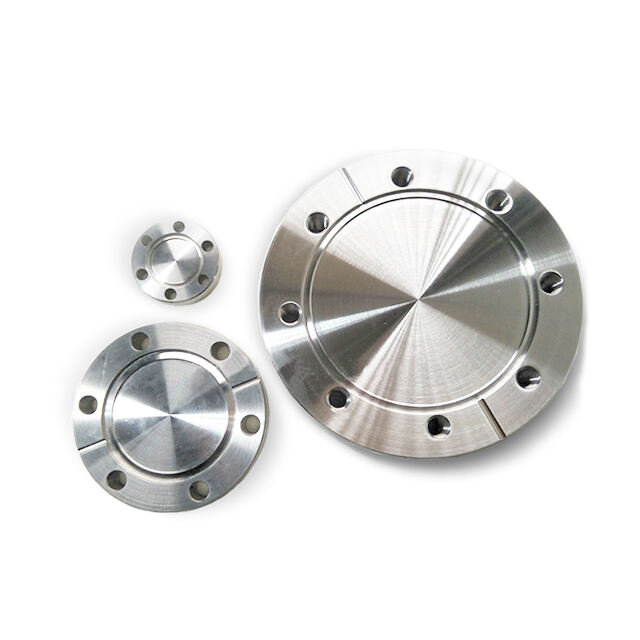
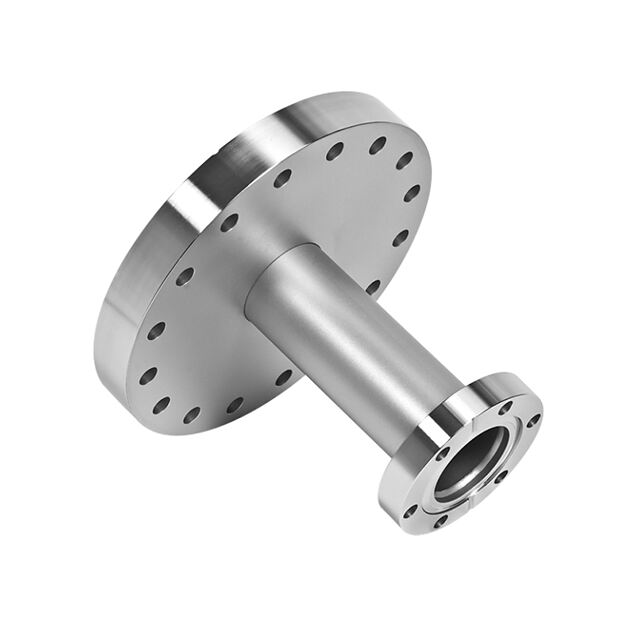
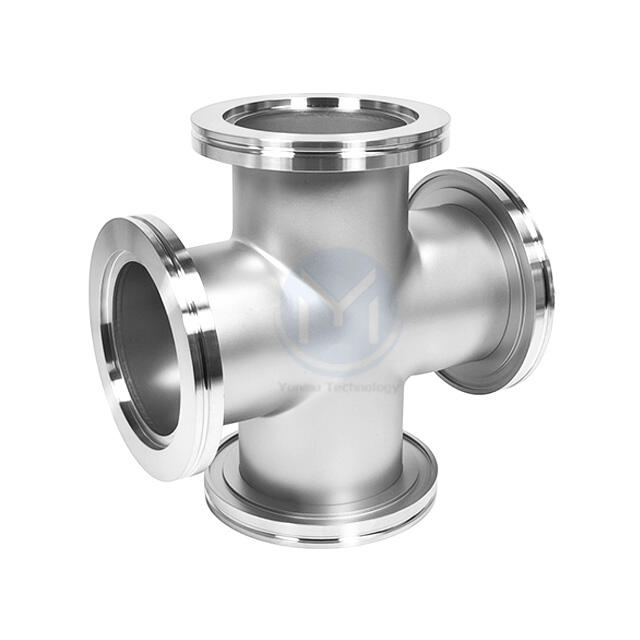
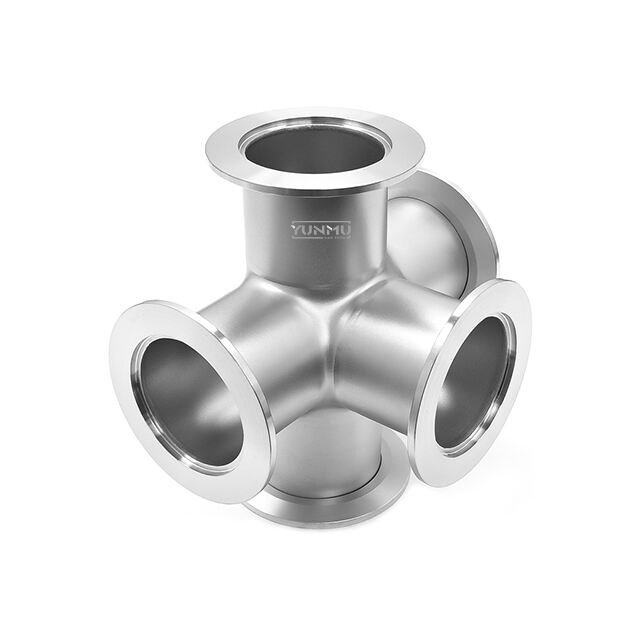
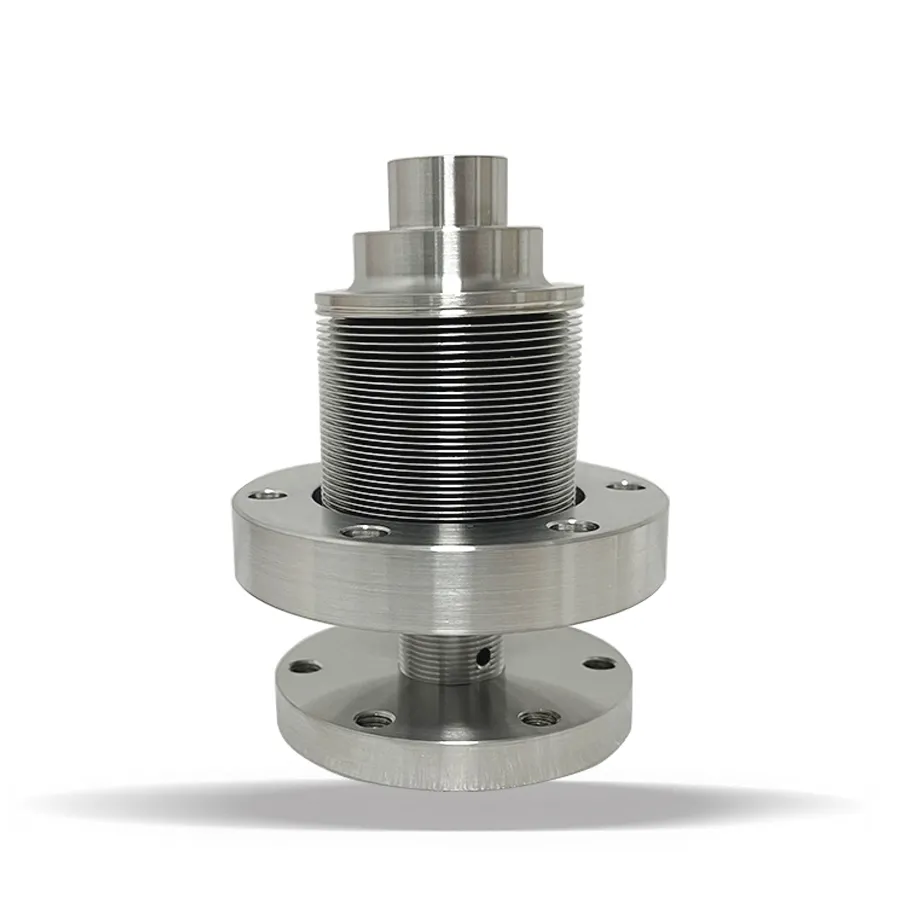
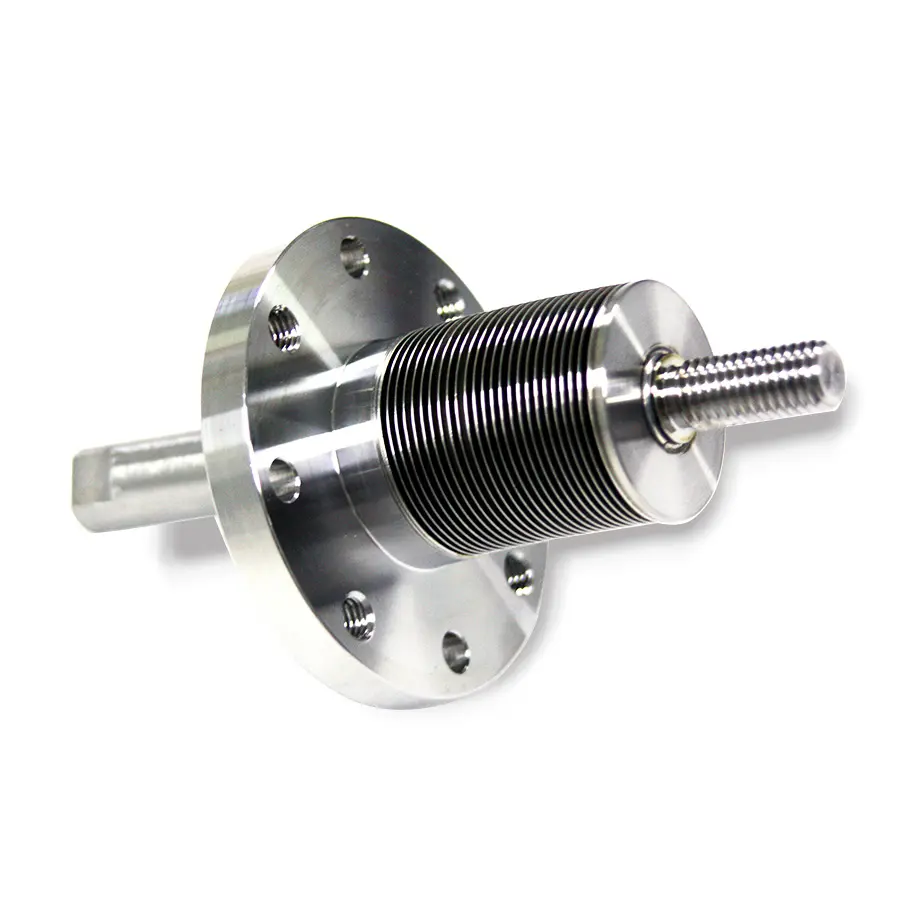
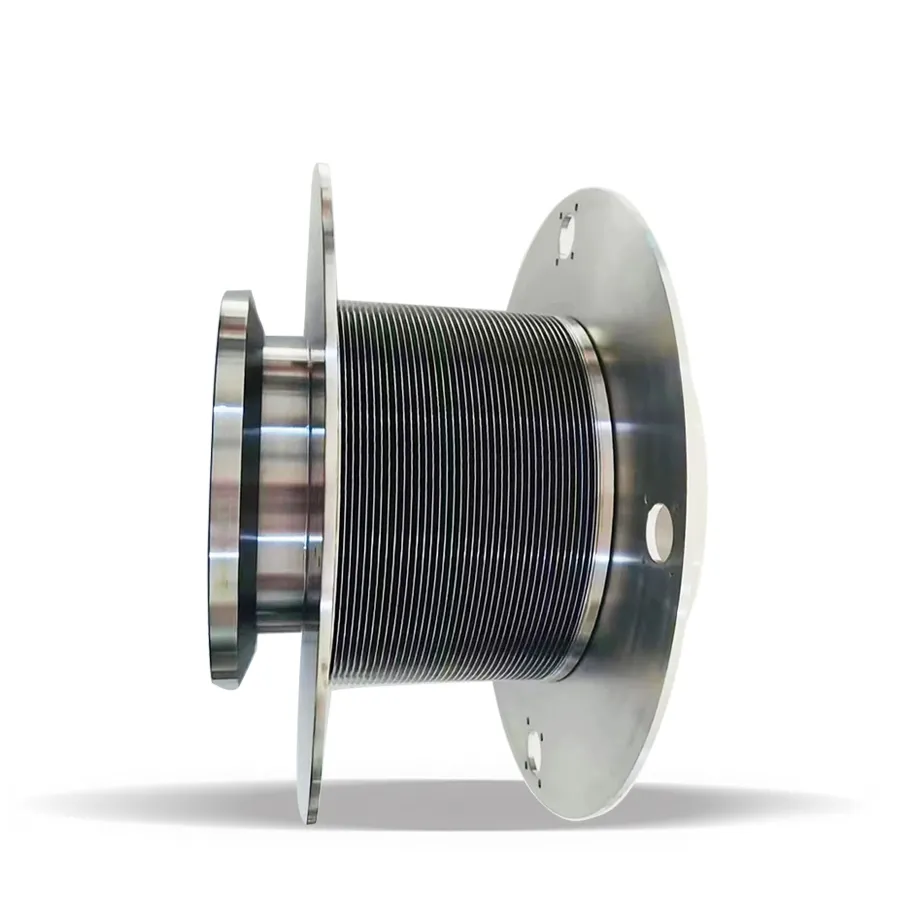
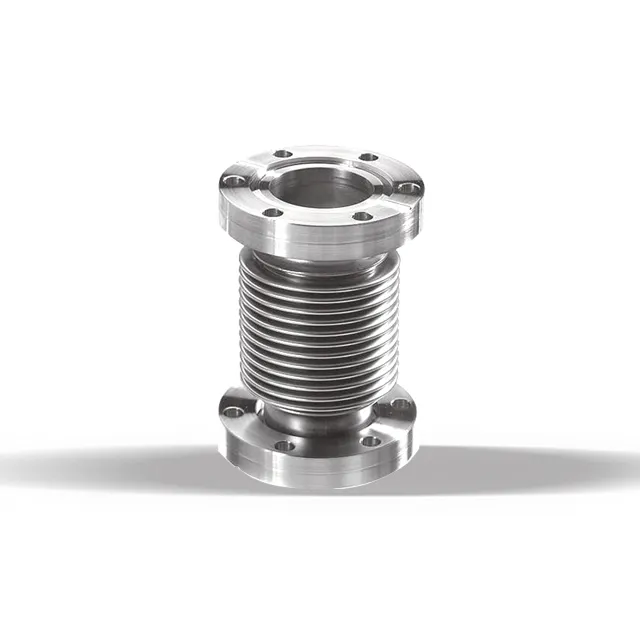
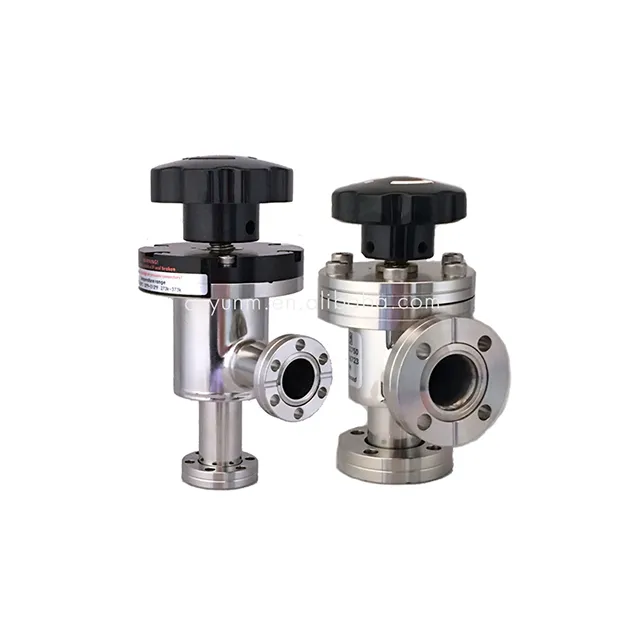
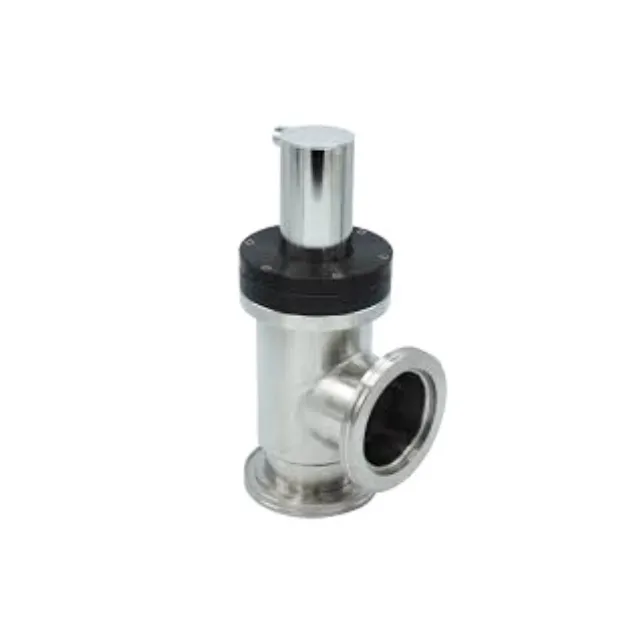
A UHV vacuum chamber is an advanced containment system designed to achieve and maintain ultra-high vacuum conditions, typically ranging from 10^-9 to 10^-12 torr or lower. This specialized equipment serves as the foundation for scientific research, industrial manufacturing, and analytical processes that demand exceptionally clean and controlled environments. The primary function of a UHV vacuum chamber is to create an environment virtually free from atmospheric gases, water vapor, and contaminants that could interfere with sensitive experiments or production processes. Technologically, these chambers incorporate specialized materials such as stainless steel with low outgassing properties, precision-sealed flanges, and advanced pumping systems including turbomolecular pumps, ion pumps, and titanium sublimation pumps. The UHV vacuum chamber features multiple ports for instrumentation, sample introduction, and vacuum gauge connections, enabling versatile experimental configurations. Applications span diverse fields including surface science research, thin film deposition, particle accelerators, semiconductor fabrication, mass spectrometry, and materials analysis. In semiconductor manufacturing, the UHV vacuum chamber enables precise control during molecular beam epitaxy and other critical deposition processes. Research laboratories utilize these systems for studying surface properties, chemical reactions at the atomic level, and developing new materials. The stringent vacuum levels achieved by a UHV vacuum chamber prevent oxidation, contamination, and unwanted chemical reactions, making it indispensable for processes requiring exceptional purity and precision in controlled atmospheric conditions.
 EN
EN