extreme high vacuum
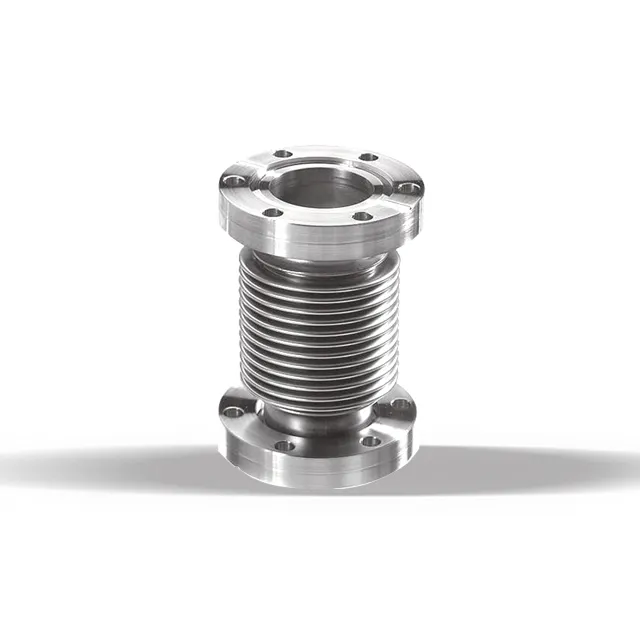
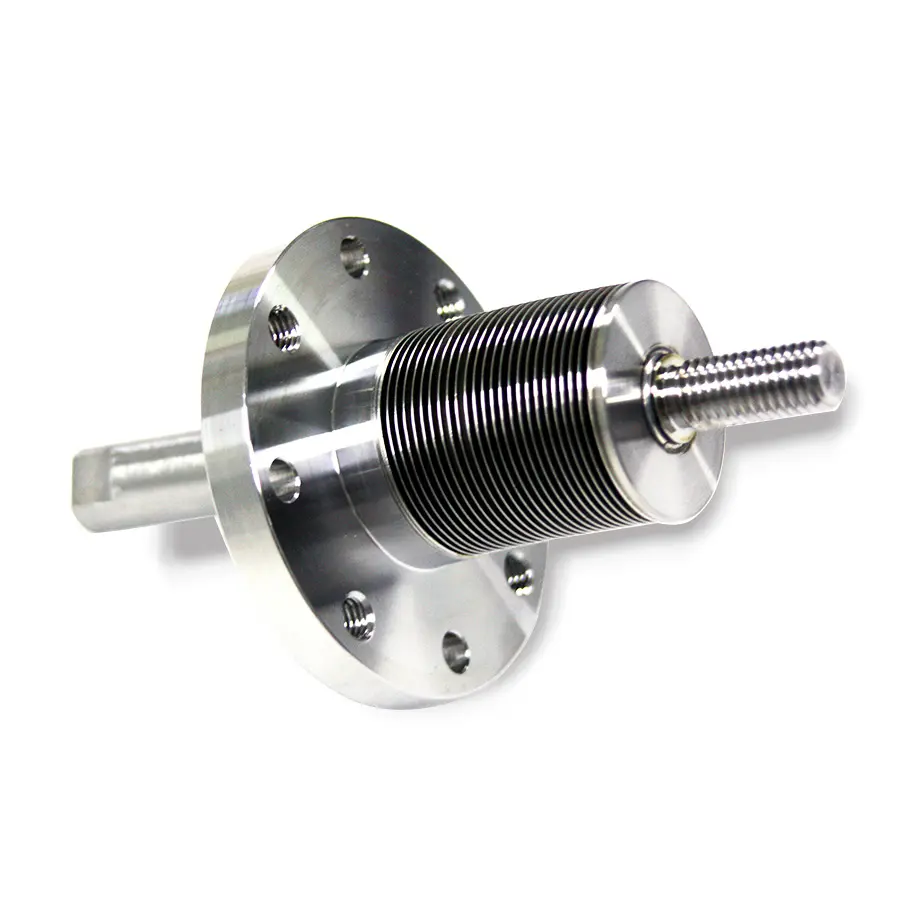
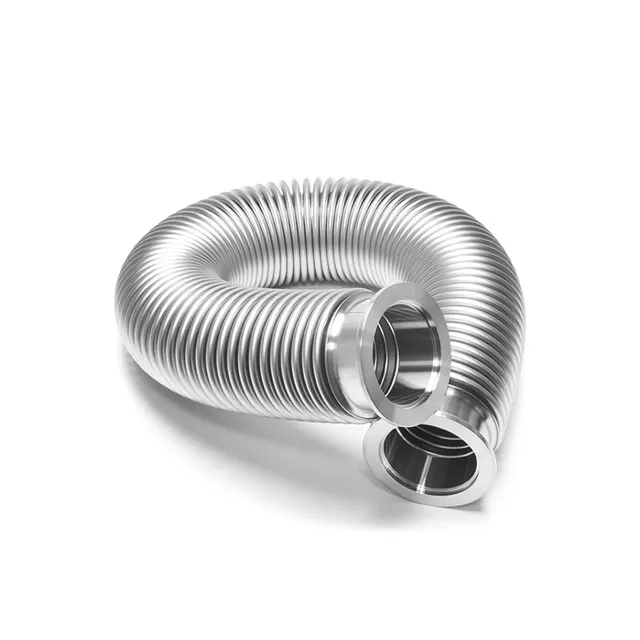
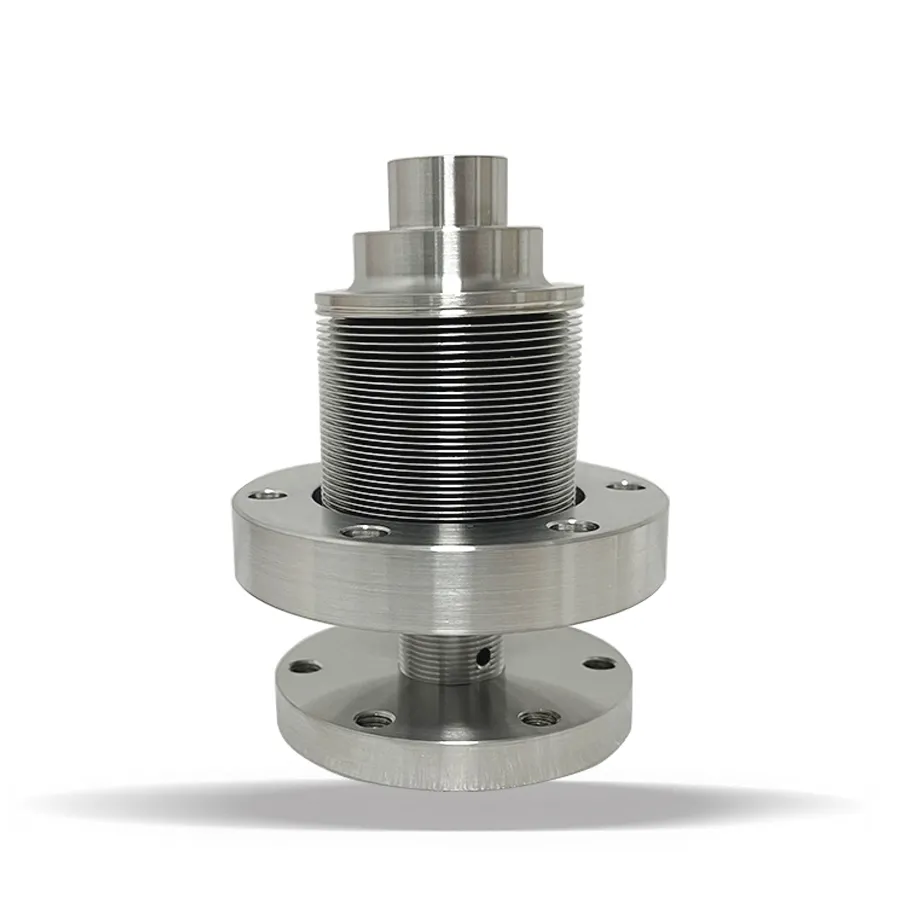
Extreme high vacuum represents a specialized pressure range typically between 10^-9 and 10^-12 mbar, essential for cutting-edge scientific research and advanced manufacturing processes. This technology creates an environment where gas molecules are so sparse that mean free paths extend to meters, enabling unprecedented control over surface interactions and contamination. The extreme high vacuum environment is critical for applications requiring atomically clean surfaces and precise material deposition. Main functions include enabling particle beam experiments, facilitating thin-film growth with exceptional purity, and supporting semiconductor fabrication at nanoscale dimensions. Technological features encompass sophisticated pumping systems combining turbomolecular, ion, and cryogenic pumps to achieve such low pressures. Extreme high vacuum systems incorporate advanced pressure measurement instruments like ionization gauges and residual gas analyzers to monitor chamber conditions continuously. These systems demand meticulous design with ultra-clean materials, precision-welded chambers, and extensive baking procedures to remove absorbed gases. Applications span diverse fields including particle physics accelerators, surface science laboratories, space simulation chambers, and advanced materials research facilities. The extreme high vacuum technology enables manufacturing of next-generation microelectronics, production of high-quality optical coatings, and development of quantum computing components. Research institutions utilize extreme high vacuum for studying fundamental atomic interactions, while industrial facilities depend on it for producing semiconductors with feature sizes below ten nanometers. This pressure regime has become indispensable for modern technology advancement and scientific discovery.
 EN
EN