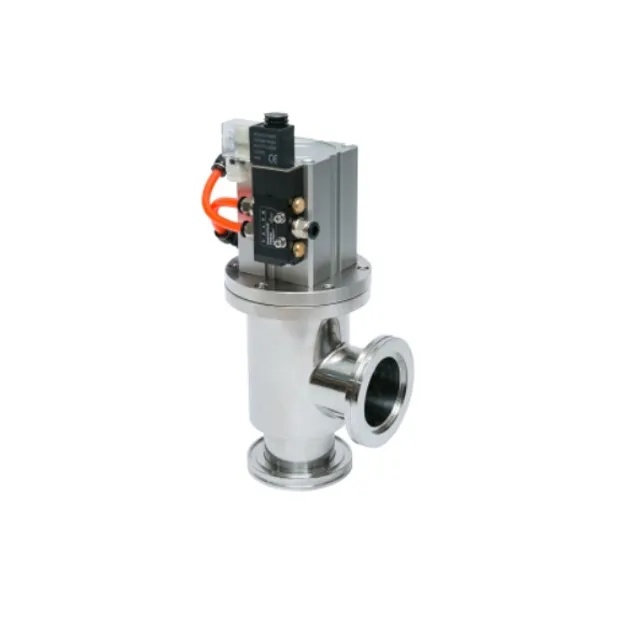
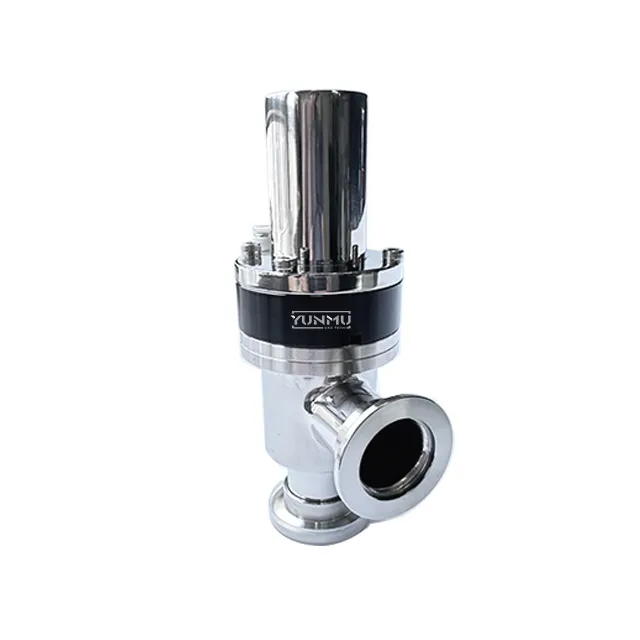
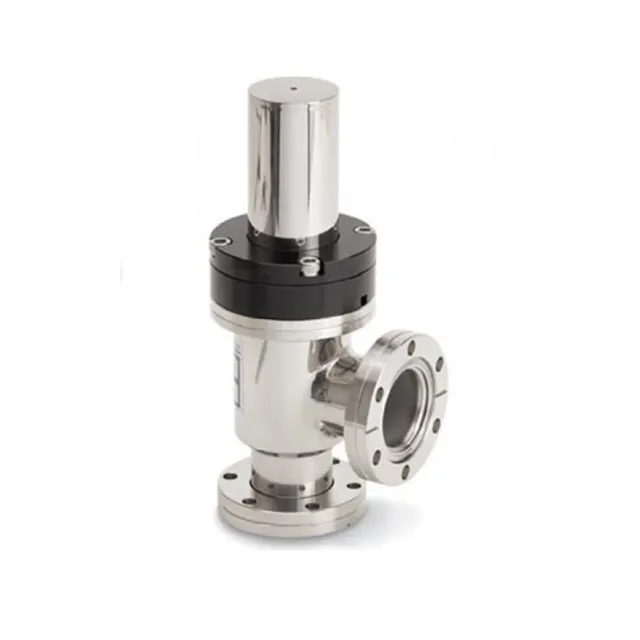
high vacuum chamber
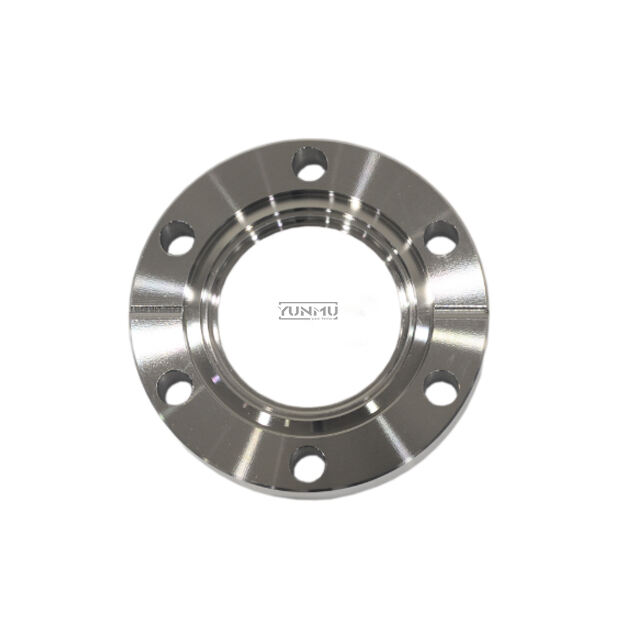
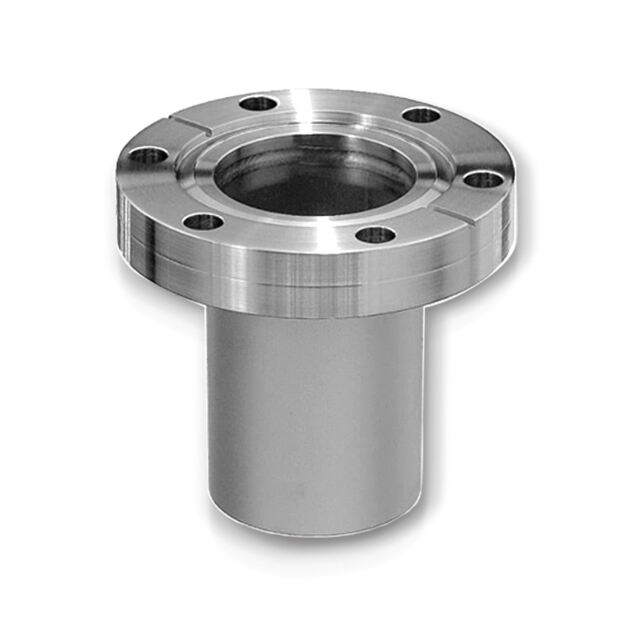
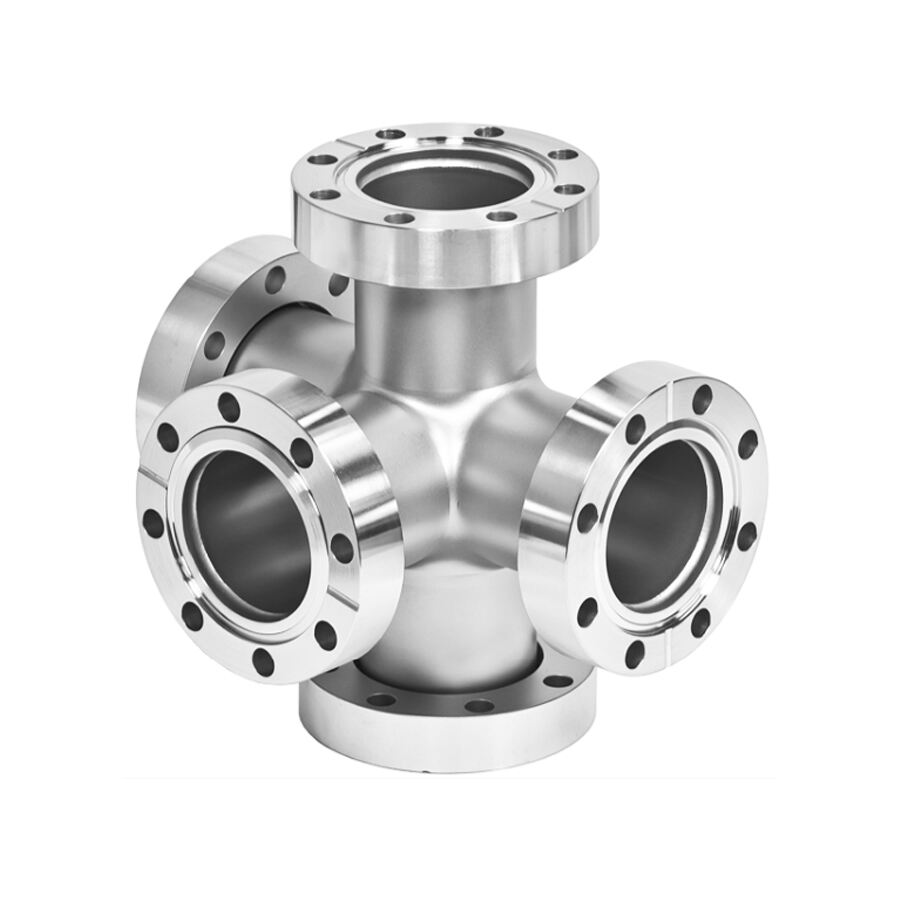
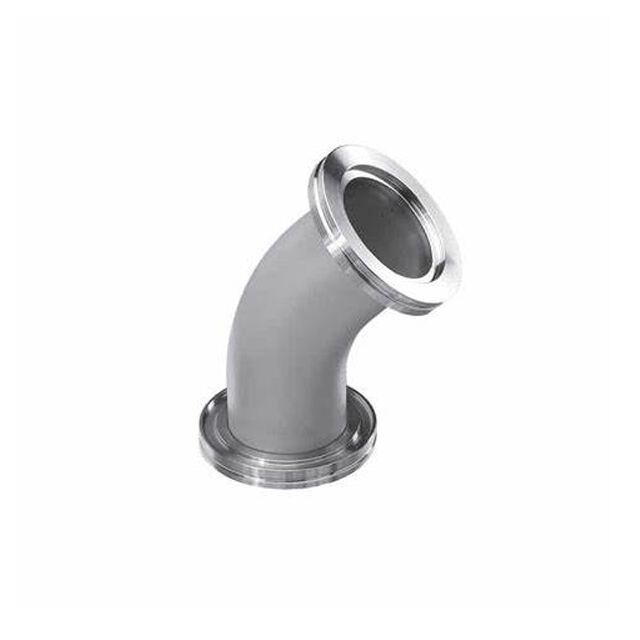
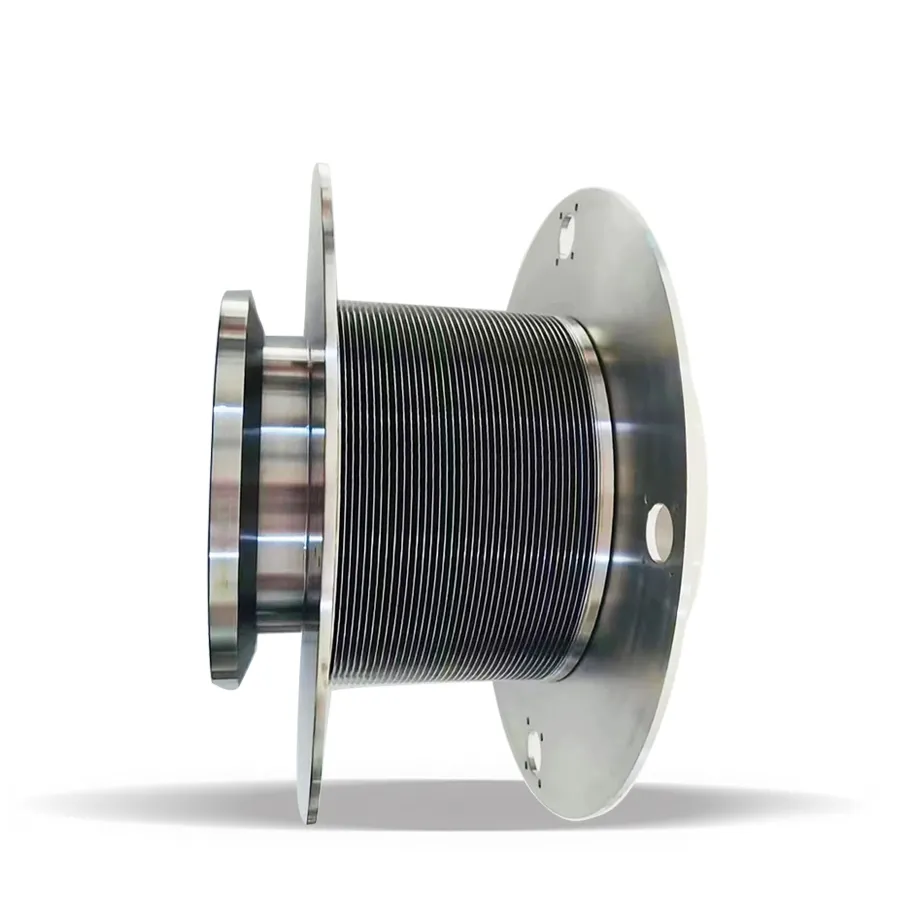
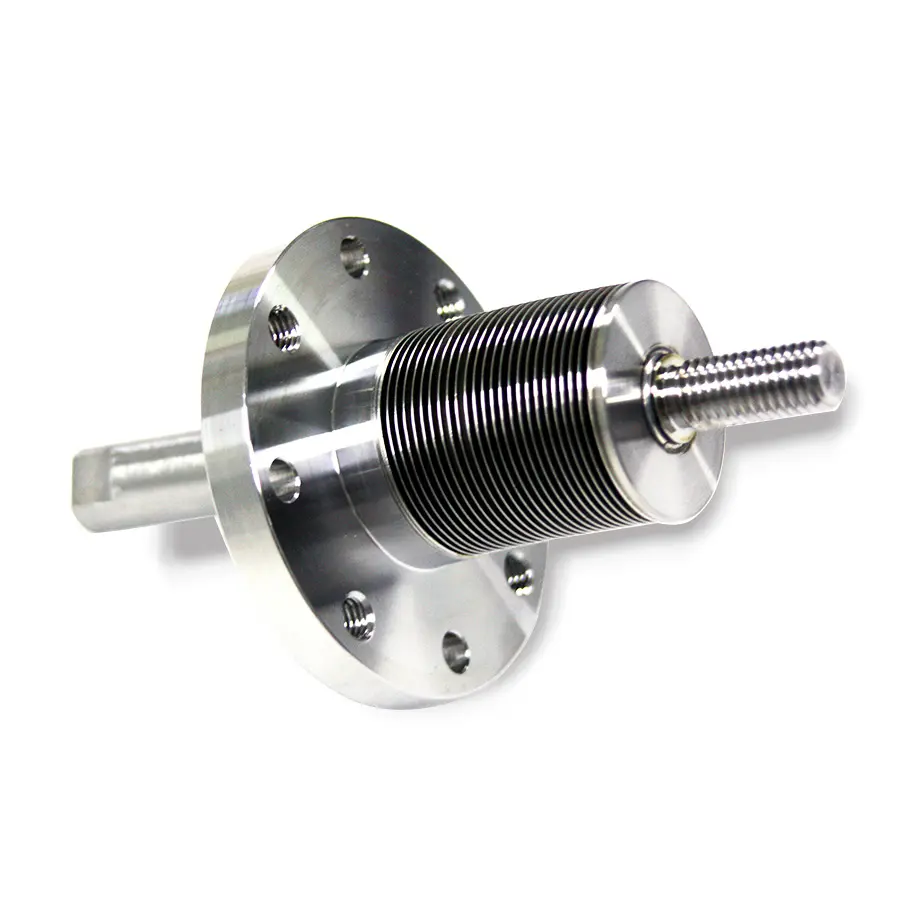
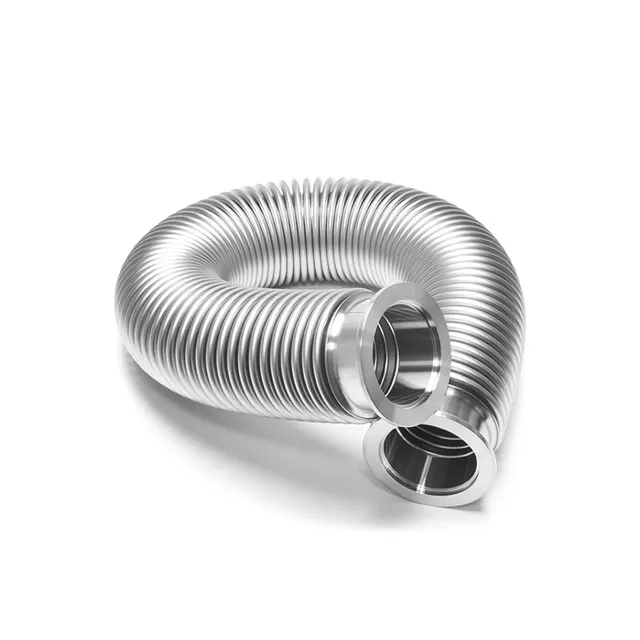
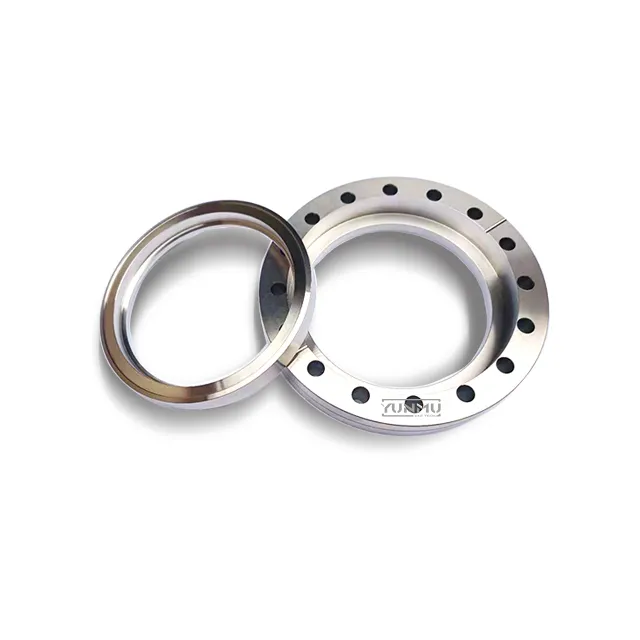
A high vacuum chamber is a sealed enclosure designed to maintain extremely low pressure levels, typically ranging from 10^-3 to 10^-9 torr, creating an environment with minimal air molecules. This specialized equipment plays a critical role in scientific research, industrial manufacturing, and advanced technology development. The high vacuum chamber operates by removing air and other gases through sophisticated pumping systems, including rotary vane pumps, turbomolecular pumps, and diffusion pumps working in combination. The chamber walls are constructed from durable materials such as stainless steel or aluminum alloys to withstand atmospheric pressure while maintaining structural integrity. Key technological features include precision-machined flanges with various sealing mechanisms, multiple ports for instrumentation and process integration, and viewing windows made from specialized glass or quartz. The high vacuum chamber incorporates feedthroughs for electrical connections, gas introduction, and mechanical motion transfer without compromising vacuum integrity. Temperature control systems enable operations across wide thermal ranges, while pressure monitoring devices ensure accurate environmental control. Applications span numerous fields including thin film deposition, surface analysis, particle acceleration, semiconductor manufacturing, aerospace component testing, research in physics and materials science, freeze-drying processes, and electron microscopy. The high vacuum chamber enables processes impossible under atmospheric conditions, facilitating molecular beam epitaxy, ion implantation, and vacuum brazing. This technology supports quality control testing, leak detection procedures, and simulation of space environments for satellite components.
 EN
EN