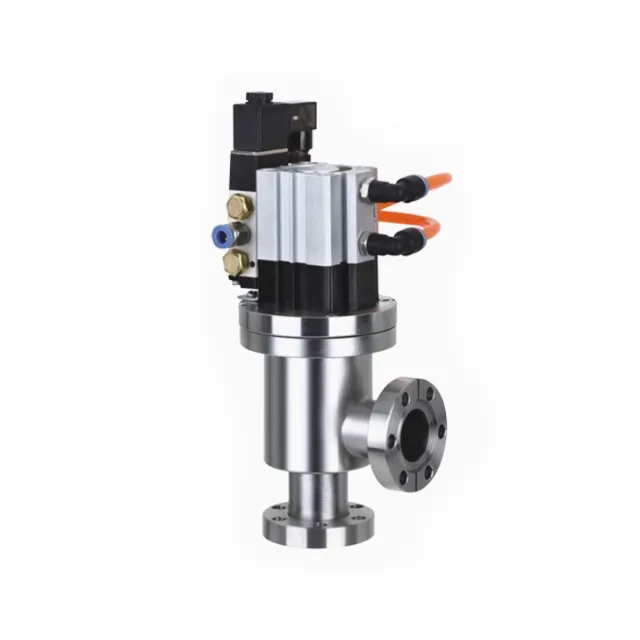
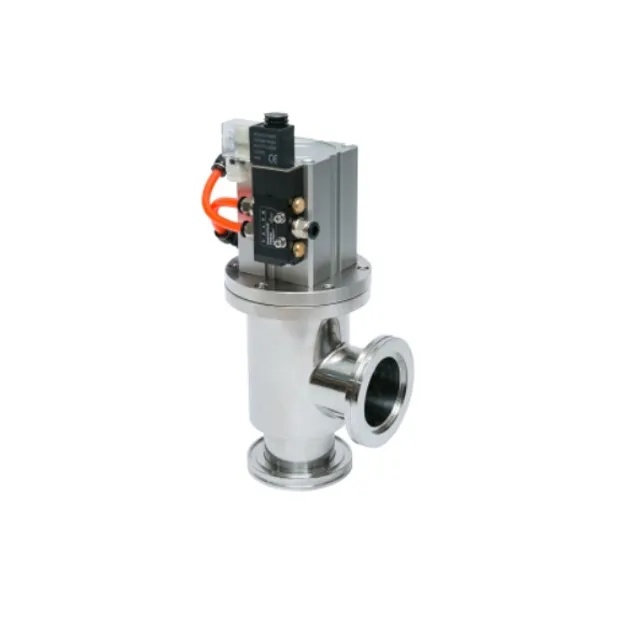
cylindrical vacuum chamber
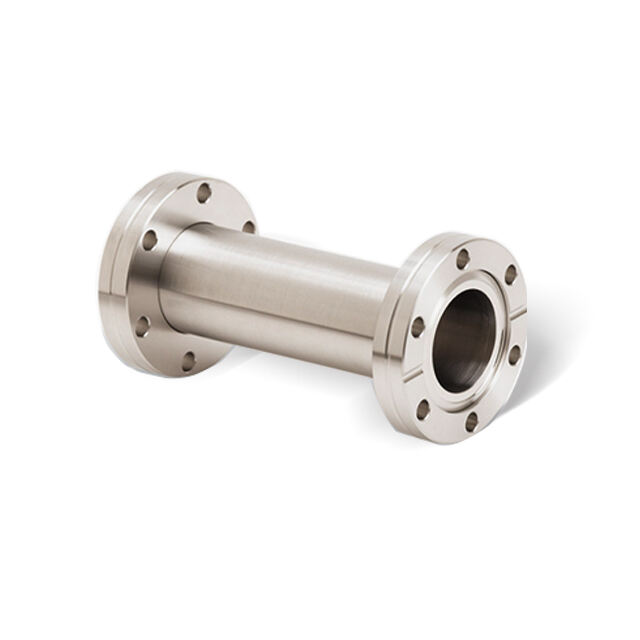
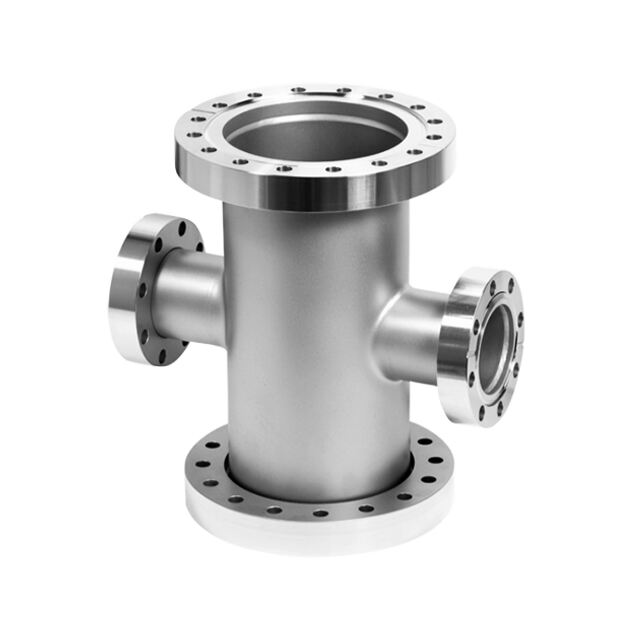
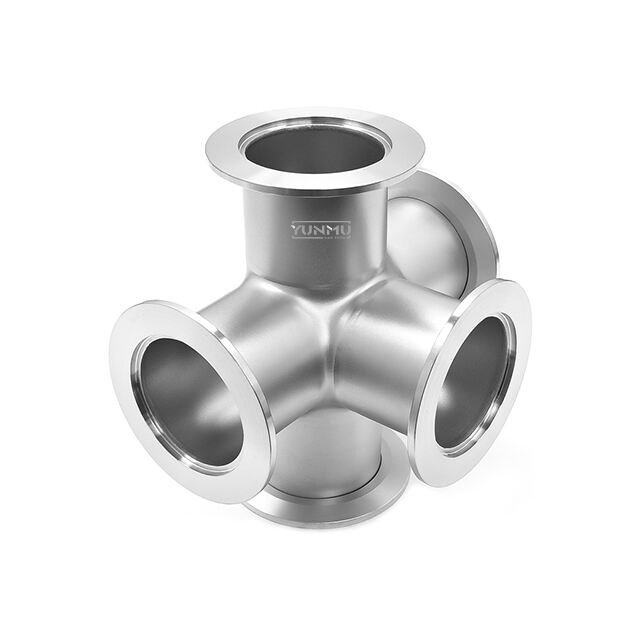
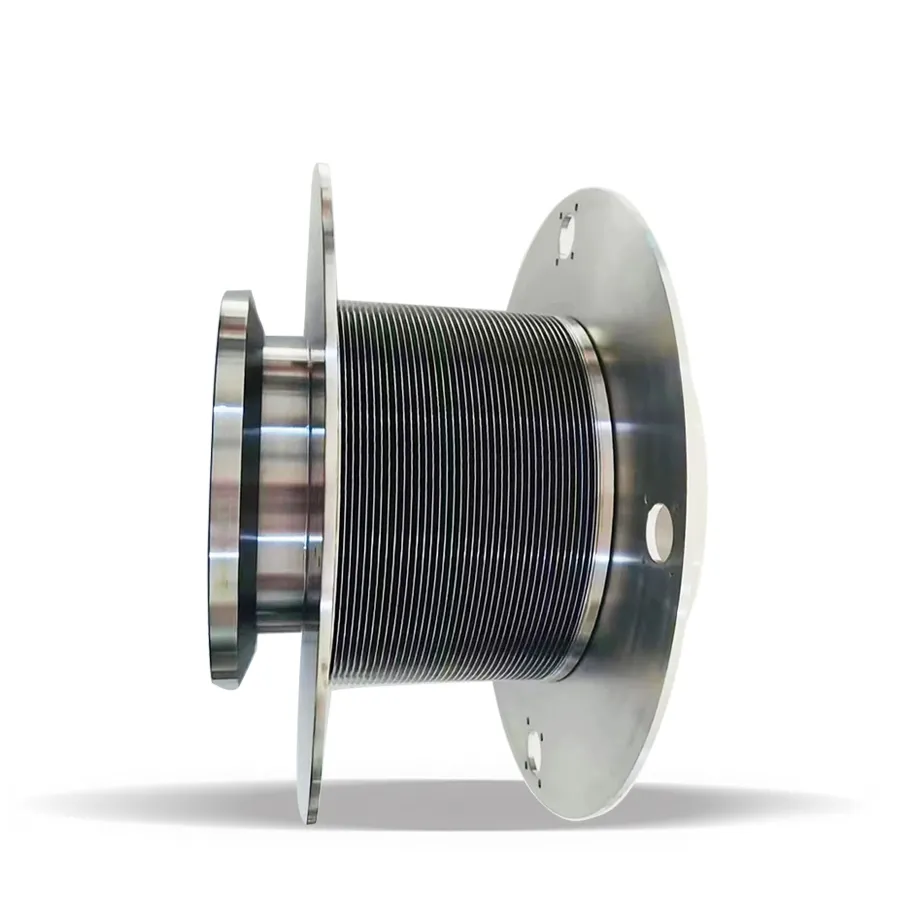
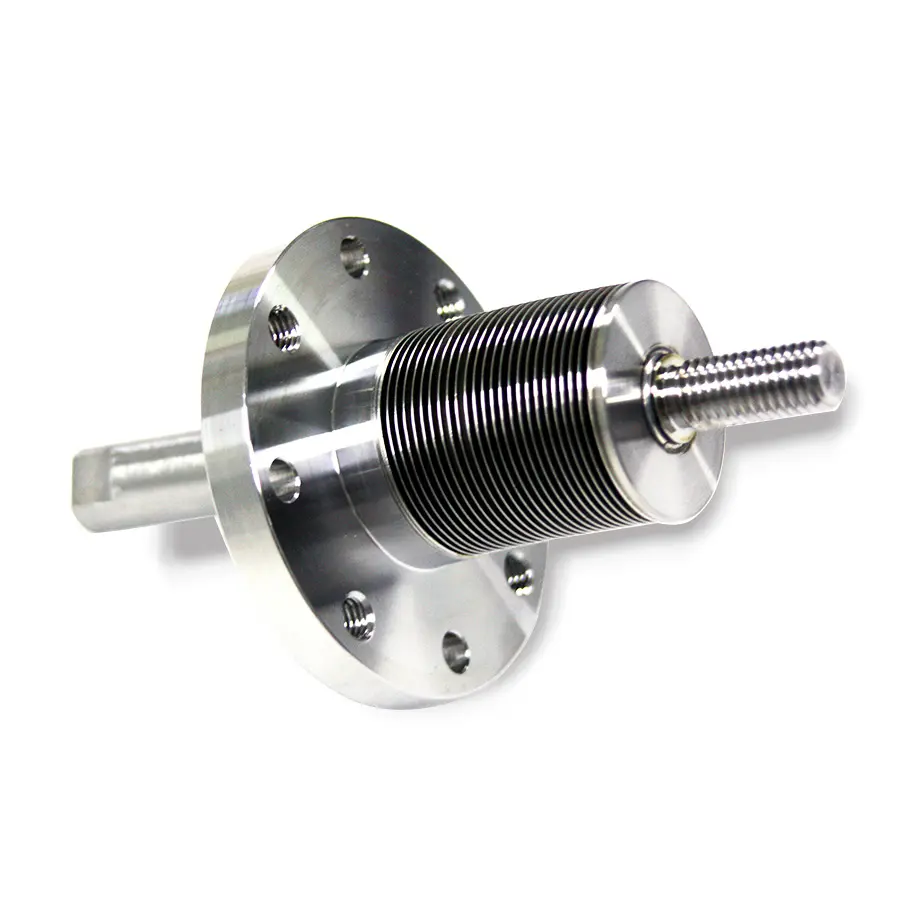
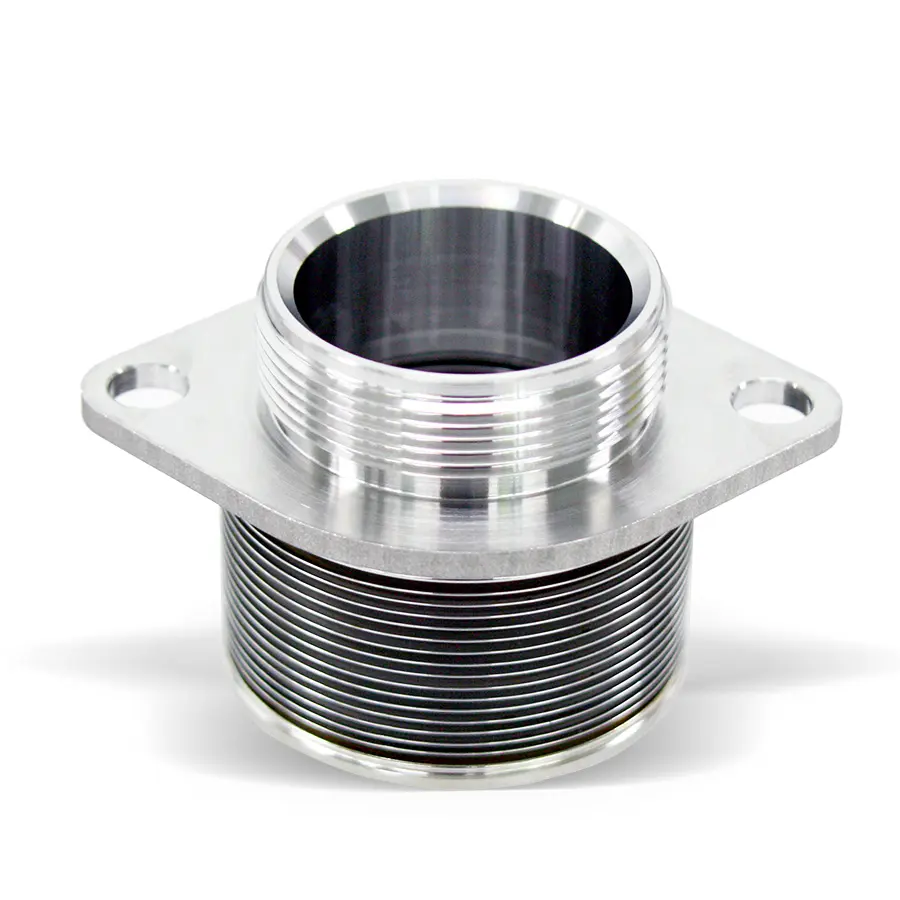
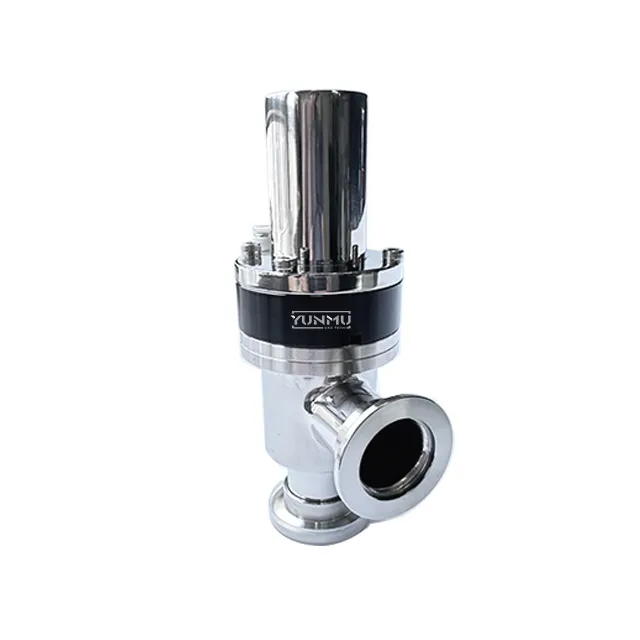
A cylindrical vacuum chamber is a specially engineered enclosure designed to create and maintain a controlled low-pressure environment for various industrial and scientific applications. This precision-built chamber features a circular cross-section that provides excellent structural integrity and uniform pressure distribution across its walls. The cylindrical vacuum chamber serves as a critical component in processes requiring the removal of air and other gases to achieve vacuum conditions ranging from low to ultra-high vacuum levels. Its primary functions include facilitating material processing, enabling surface treatments, supporting thin-film deposition, and accommodating research experiments that demand contamination-free environments. The technological features of these chambers incorporate robust construction materials such as stainless steel or aluminum, multiple port configurations for vacuum pumps and instrumentation, and precision sealing systems using elastomer or metal gaskets. Advanced cylindrical vacuum chamber designs integrate viewing windows, feedthroughs for electrical connections, and temperature control mechanisms. Applications span across semiconductor manufacturing, where the cylindrical vacuum chamber enables plasma etching and chemical vapor deposition; aerospace testing for simulating space conditions; pharmaceutical production requiring sterile processing; and materials science research investigating thin-film properties. The chamber's cylindrical geometry offers distinct advantages in manufacturing efficiency and operational performance, making it an essential tool in industries demanding precise atmospheric control and contamination prevention for achieving optimal production outcomes and experimental accuracy.
 EN
EN