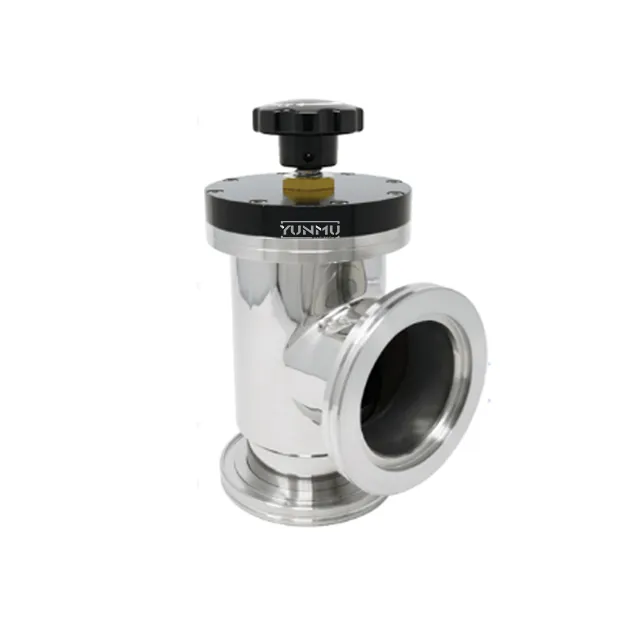
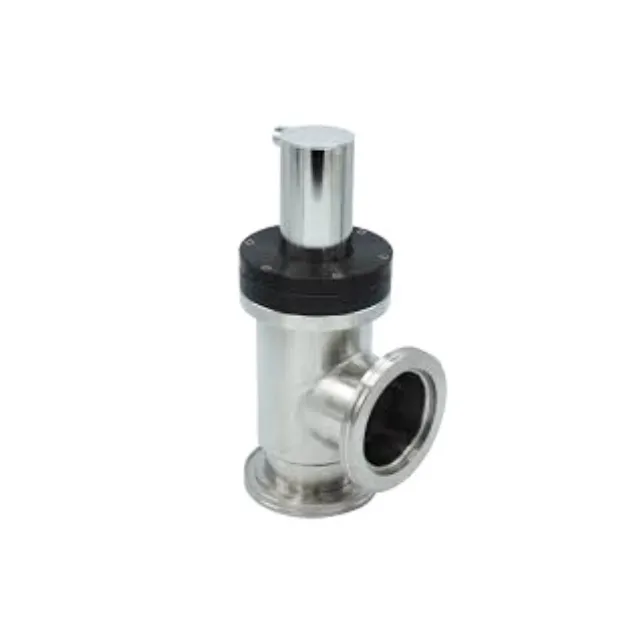
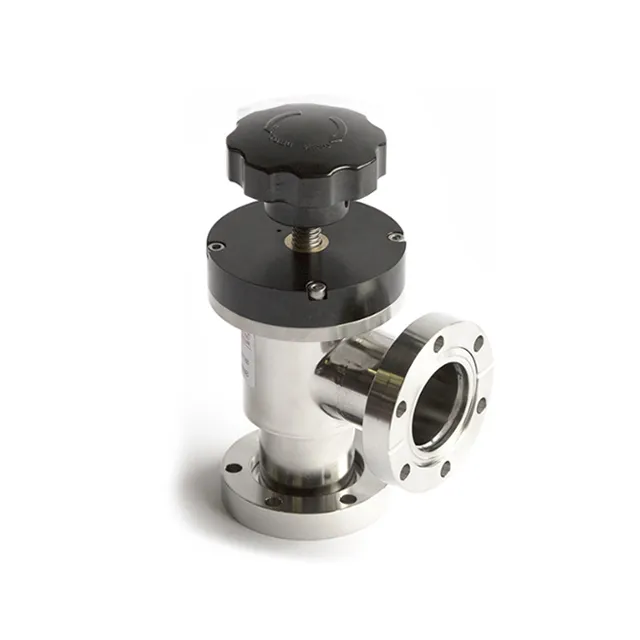
the vacuum chamber
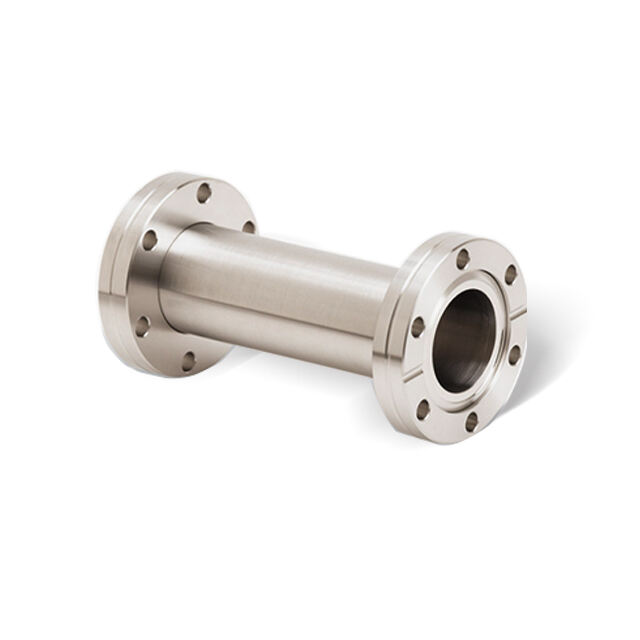
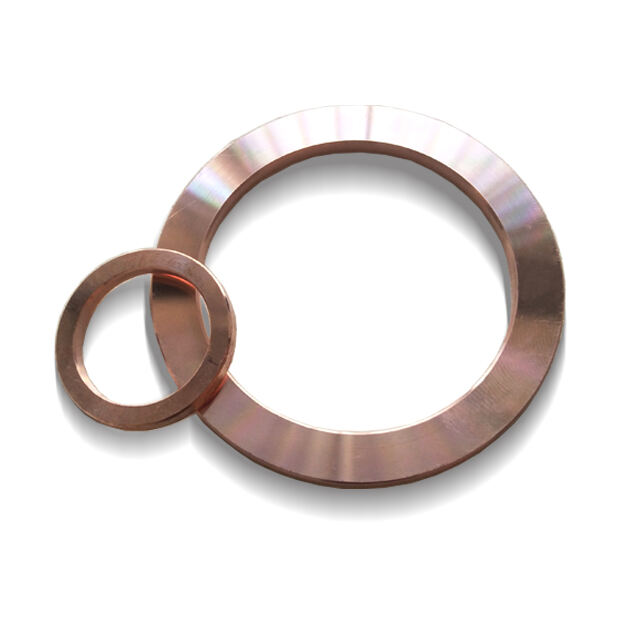
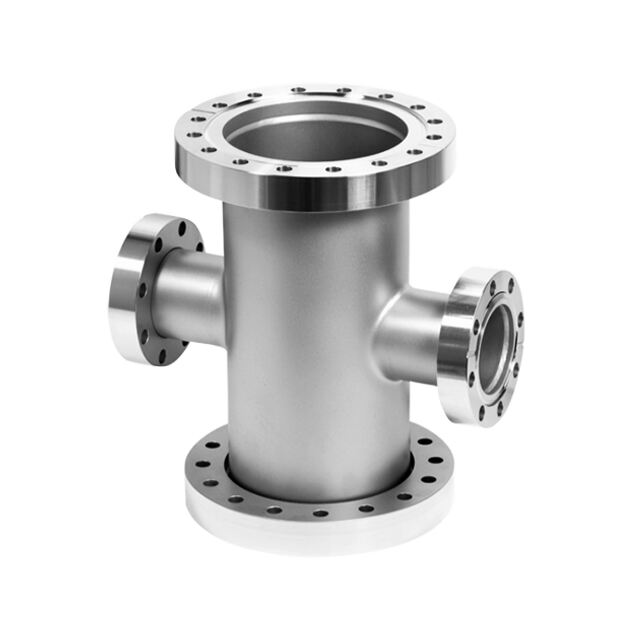
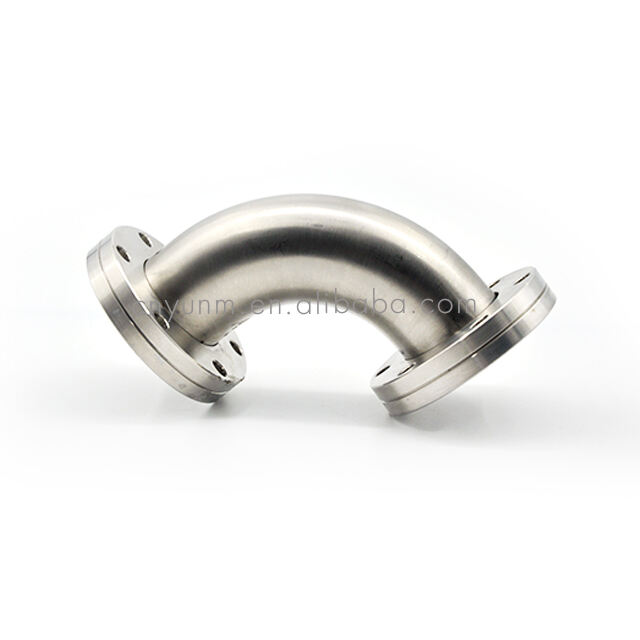
The vacuum chamber is a sealed enclosure designed to create and maintain a low-pressure environment by removing air and other gases from its interior space. This essential equipment plays a critical role in scientific research, industrial manufacturing, and quality testing applications where atmospheric conditions must be precisely controlled. The vacuum chamber operates by using vacuum pumps to extract air molecules, creating pressure levels ranging from rough vacuum to ultra-high vacuum depending on specific requirements. Modern vacuum chambers incorporate advanced sealing technologies, pressure monitoring systems, and material selection to ensure reliable performance across diverse applications. The primary functions include providing contamination-free environments for sensitive processes, enabling materials testing under simulated space conditions, facilitating thin-film deposition, and supporting degassing procedures. Technological features of the vacuum chamber include robust construction using stainless steel or aluminum alloys, multiple port configurations for instrumentation integration, viewing windows for process observation, and compatible feedthroughs for electrical and mechanical connections. These chambers serve industries such as semiconductor manufacturing, aerospace testing, pharmaceutical packaging, coating applications, and scientific research laboratories. The vacuum chamber's versatility allows customization in size, shape, and configuration to meet specific operational needs, from compact desktop units for laboratory experiments to large industrial systems capable of processing substantial components. Understanding the vacuum chamber's capabilities helps organizations select appropriate solutions for their vacuum processing requirements.
 EN
EN