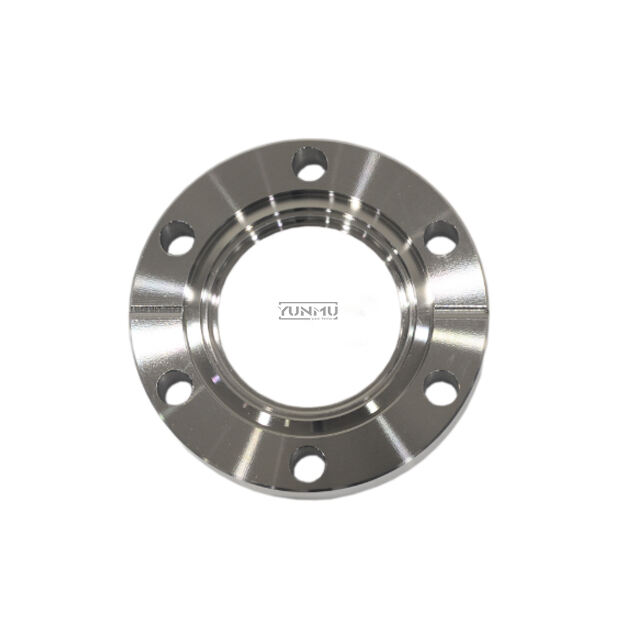
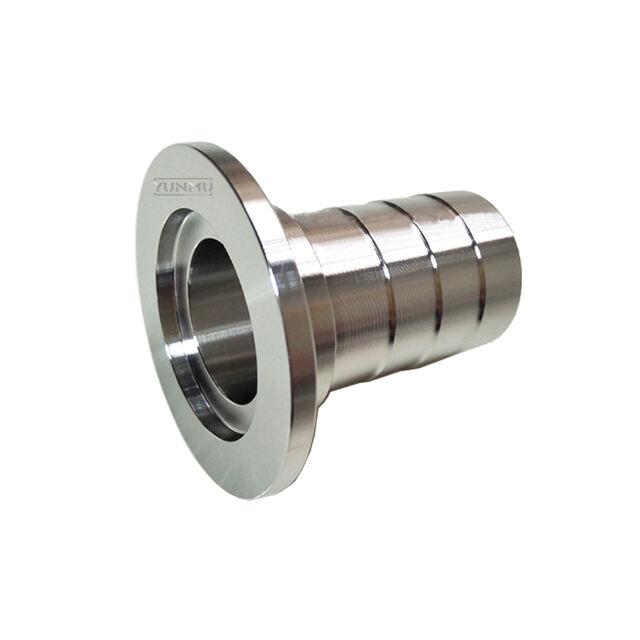
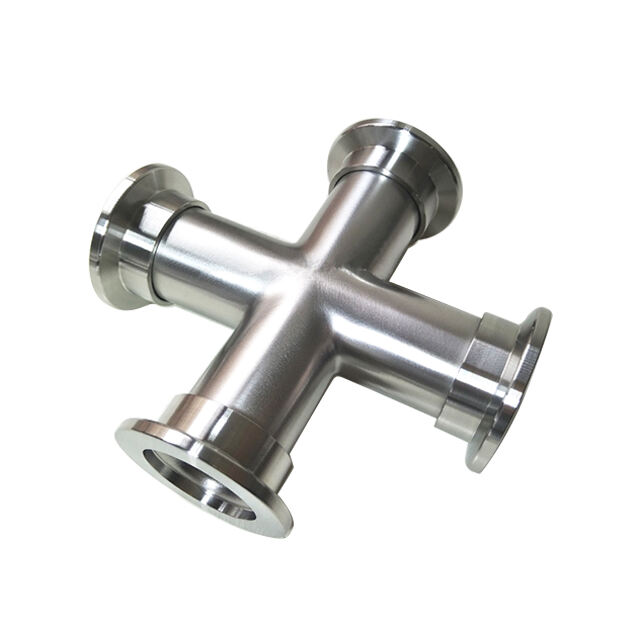
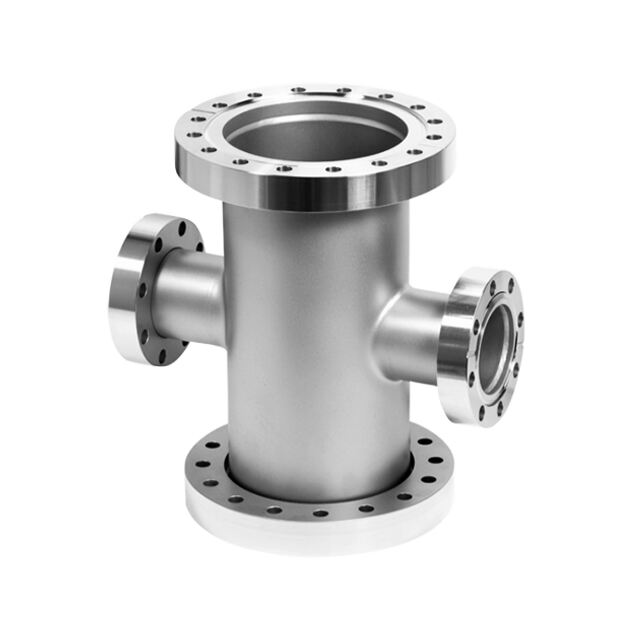
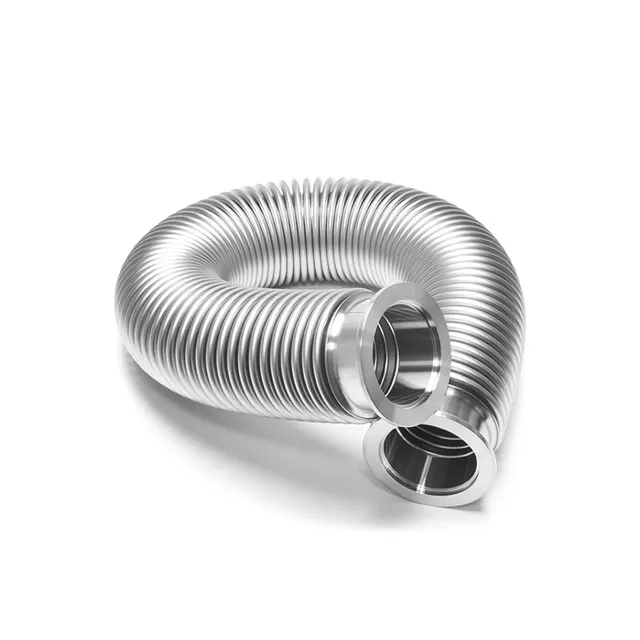
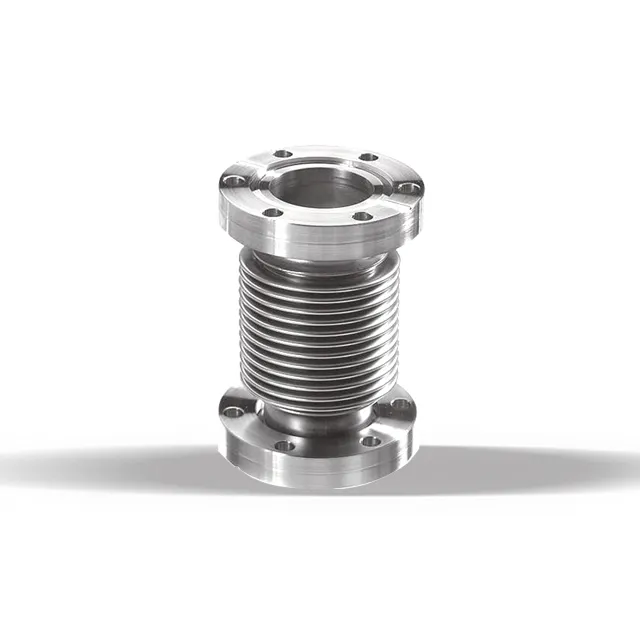
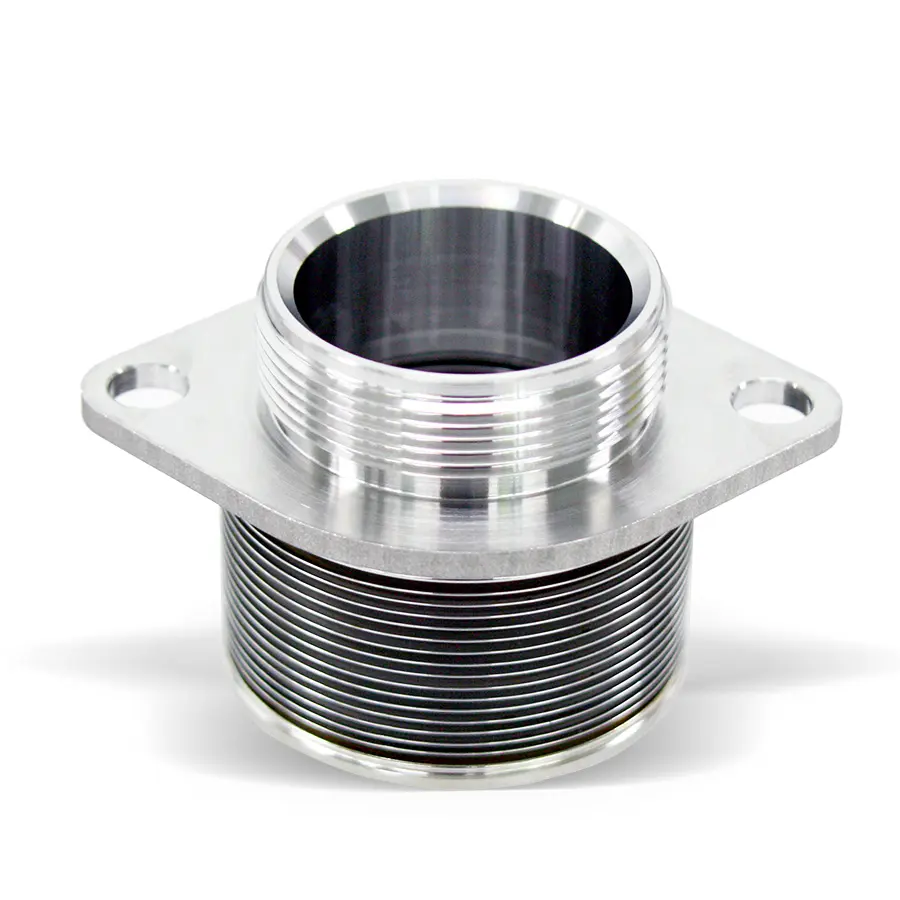
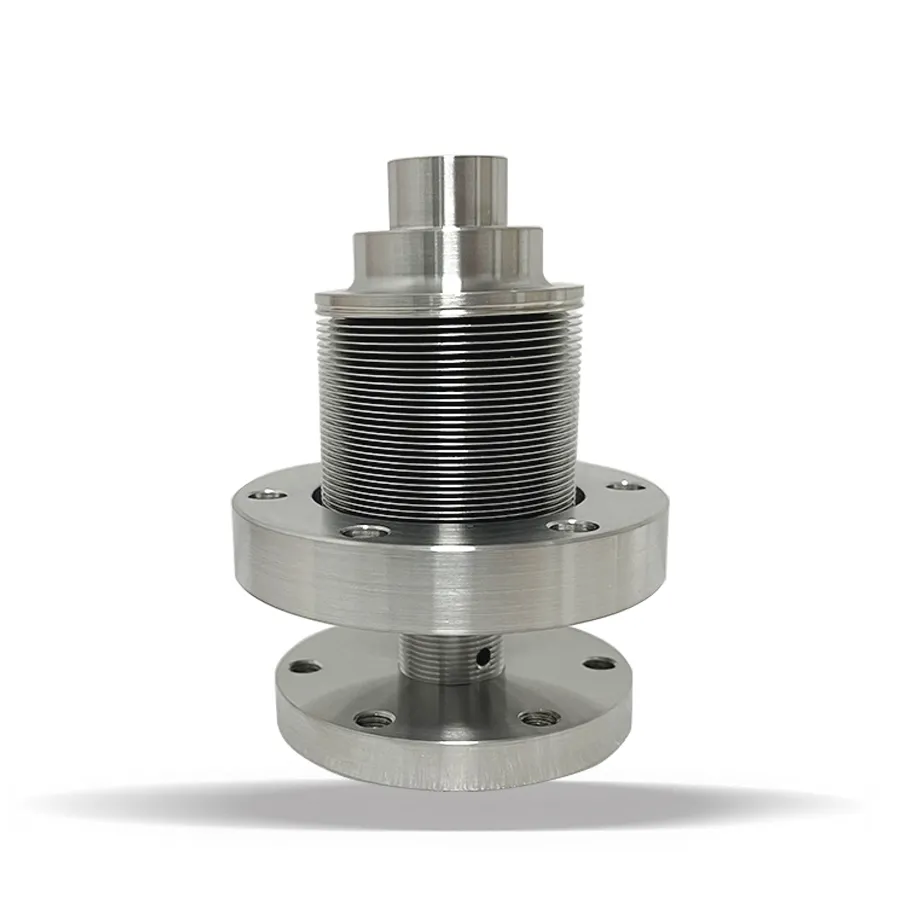
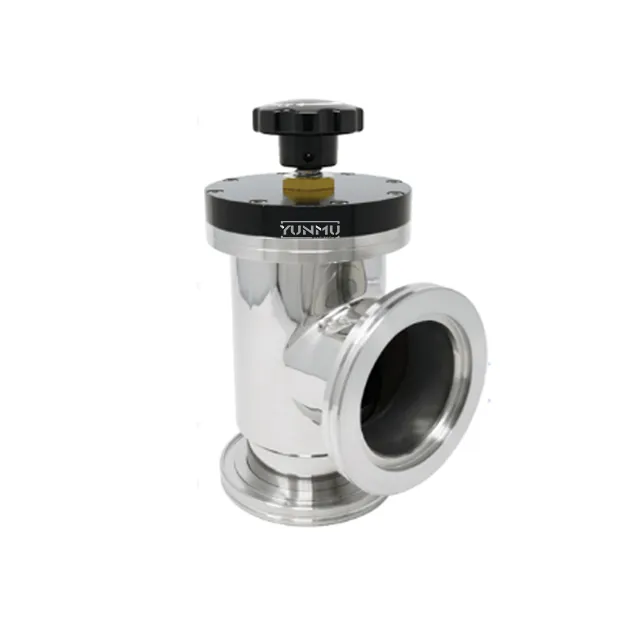
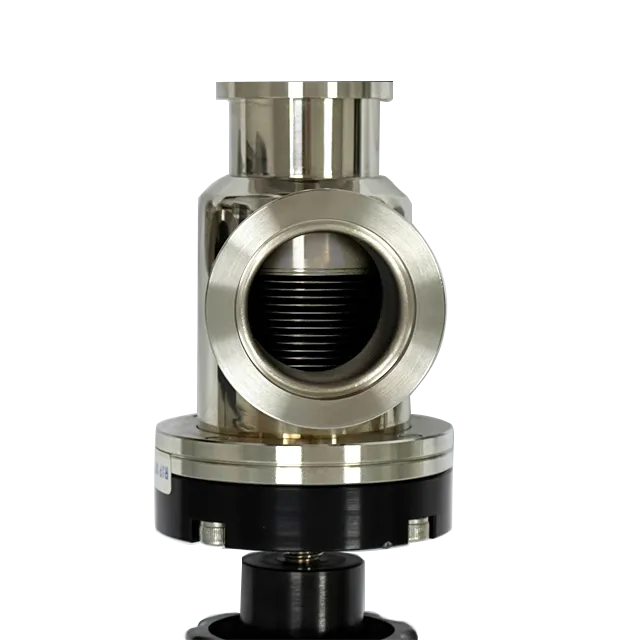
a vacuum chamber
A vacuum chamber is a sealed enclosure designed to create and maintain a low-pressure environment by removing air and other gases from its interior space. This specialized equipment plays a critical role in scientific research, industrial manufacturing, and quality testing applications where atmospheric pressure and contaminants must be eliminated. The primary function of a vacuum chamber is to establish controlled conditions that cannot be achieved in normal atmospheric environments, enabling precise experimentation, production processes, and material testing. Modern vacuum chambers feature robust construction using materials such as stainless steel or aluminum, equipped with vacuum pumps, pressure gauges, viewing ports, and multiple feedthrough connections for electrical, fluid, or mechanical interfaces. The technological sophistication of a vacuum chamber allows operators to achieve pressure levels ranging from rough vacuum to ultra-high vacuum, depending on specific application requirements. These chambers find extensive use across aerospace testing facilities where components undergo space simulation, semiconductor manufacturing plants requiring contamination-free production environments, research laboratories conducting materials science experiments, and pharmaceutical companies performing freeze-drying operations. Additional applications include vacuum coating processes, electron microscopy sample preparation, leak detection testing, and degassing procedures for various materials. The versatility and precision control offered by a vacuum chamber make it an indispensable tool for industries demanding rigorous environmental control and repeatable results in their operations.
 EN
EN