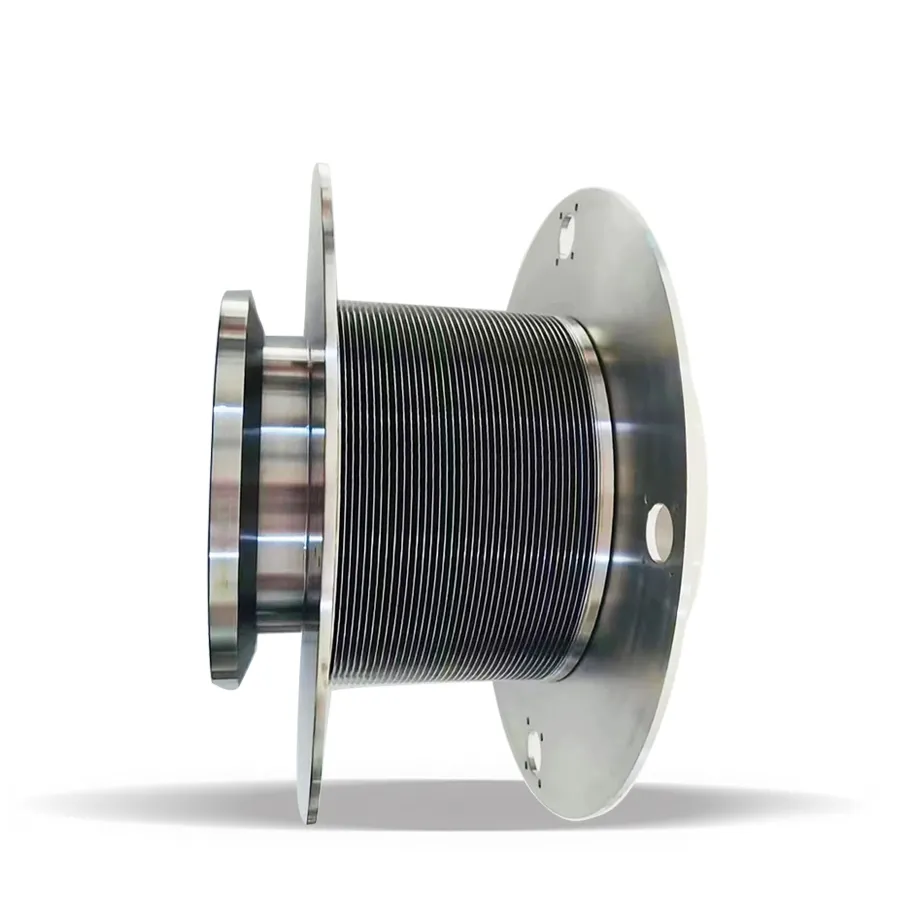
steel vacuum chamber
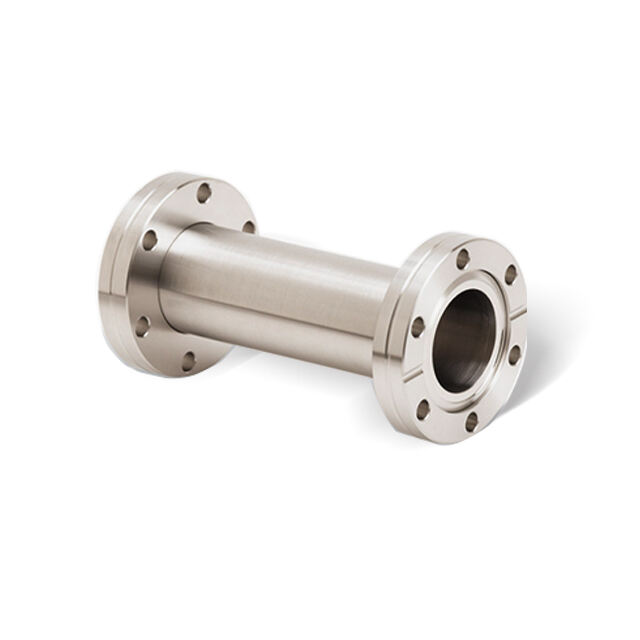
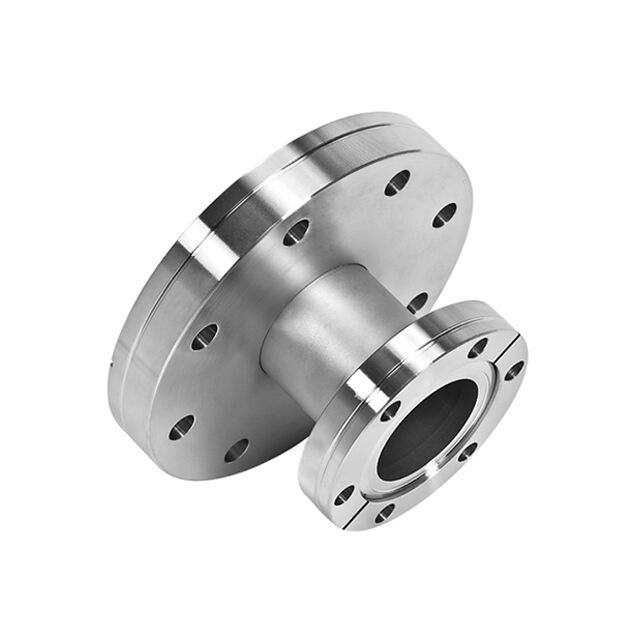
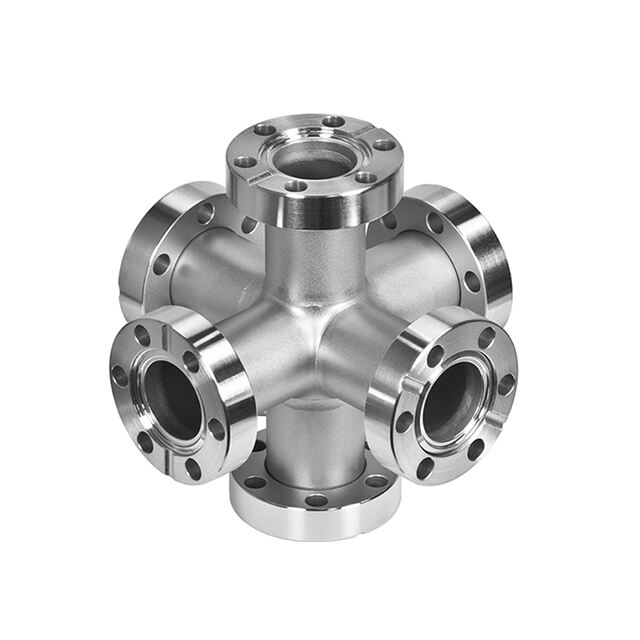
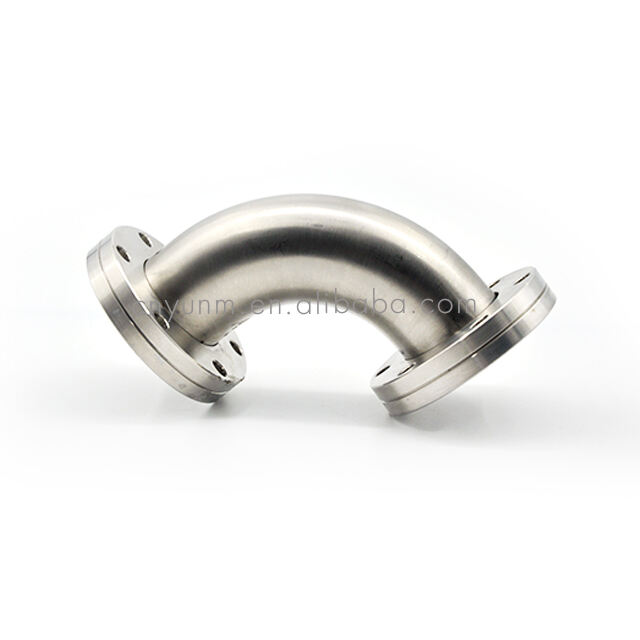
A steel vacuum chamber is a sealed enclosure constructed from high-grade steel materials, designed to create and maintain a controlled low-pressure environment for various industrial and scientific applications. This essential equipment removes air and other gases from its interior space, enabling processes that require minimal atmospheric interference. The steel vacuum chamber serves as a fundamental component in manufacturing, research, and testing operations where precise environmental control is critical. Its robust construction ensures durability and long-term performance under demanding conditions. The primary function of a steel vacuum chamber is to provide a stable, contamination-free environment by evacuating air molecules to achieve pressure levels significantly below atmospheric pressure. These chambers incorporate specialized sealing systems, vacuum ports, and feedthrough connections that allow for instrument integration while maintaining vacuum integrity. Technological features include precision-welded seams, reinforced structural design, and compatibility with various vacuum pumps and gauging systems. The steel construction offers excellent mechanical strength, making it suitable for applications requiring structural stability under external atmospheric pressure. Common applications span semiconductor manufacturing, coating processes, material testing, aerospace component qualification, and scientific research. Industries rely on steel vacuum chambers for thermal vacuum testing, degassing procedures, thin-film deposition, and quality control operations. The versatility of these chambers allows customization with viewing ports, electrical feedthroughs, and temperature control systems to meet specific process requirements. Whether used in laboratory settings or industrial production lines, the steel vacuum chamber provides the controlled environment necessary for achieving consistent, high-quality results in vacuum-dependent operations.
 EN
EN