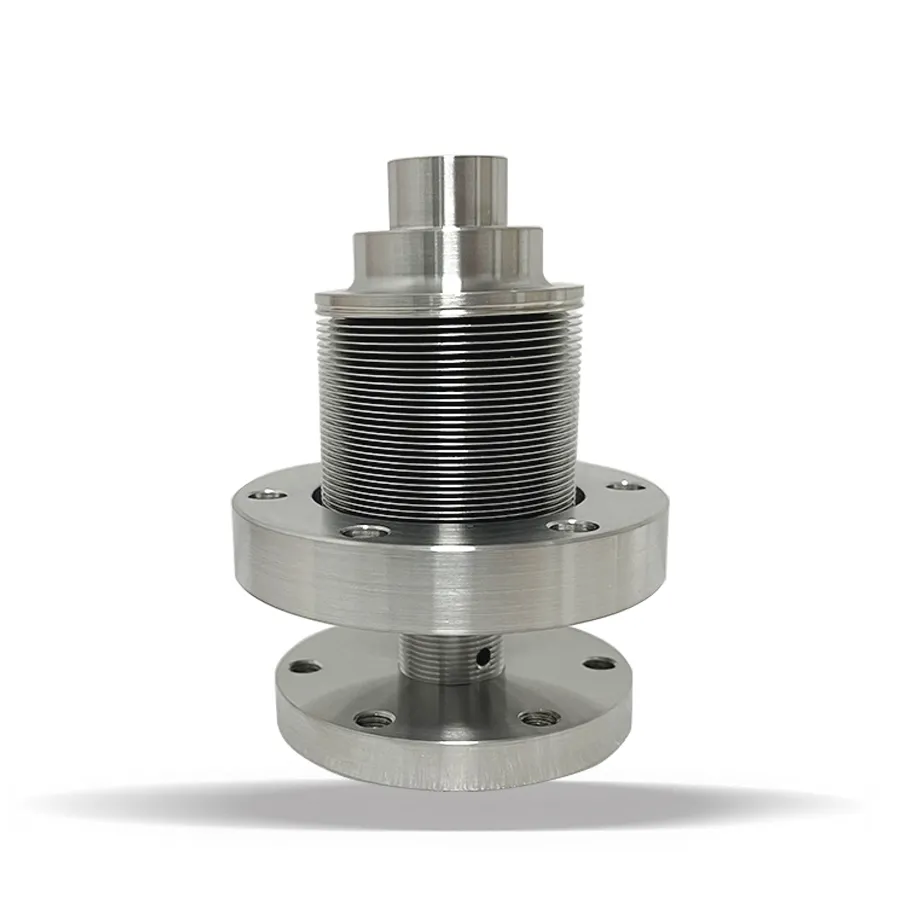
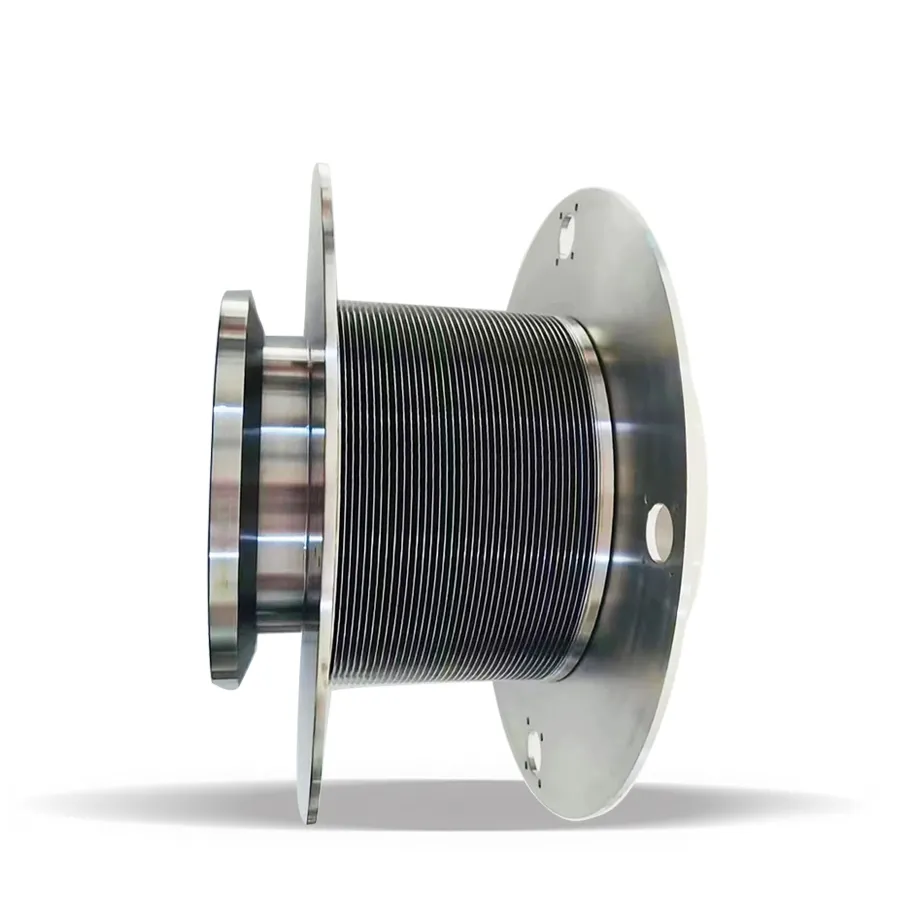
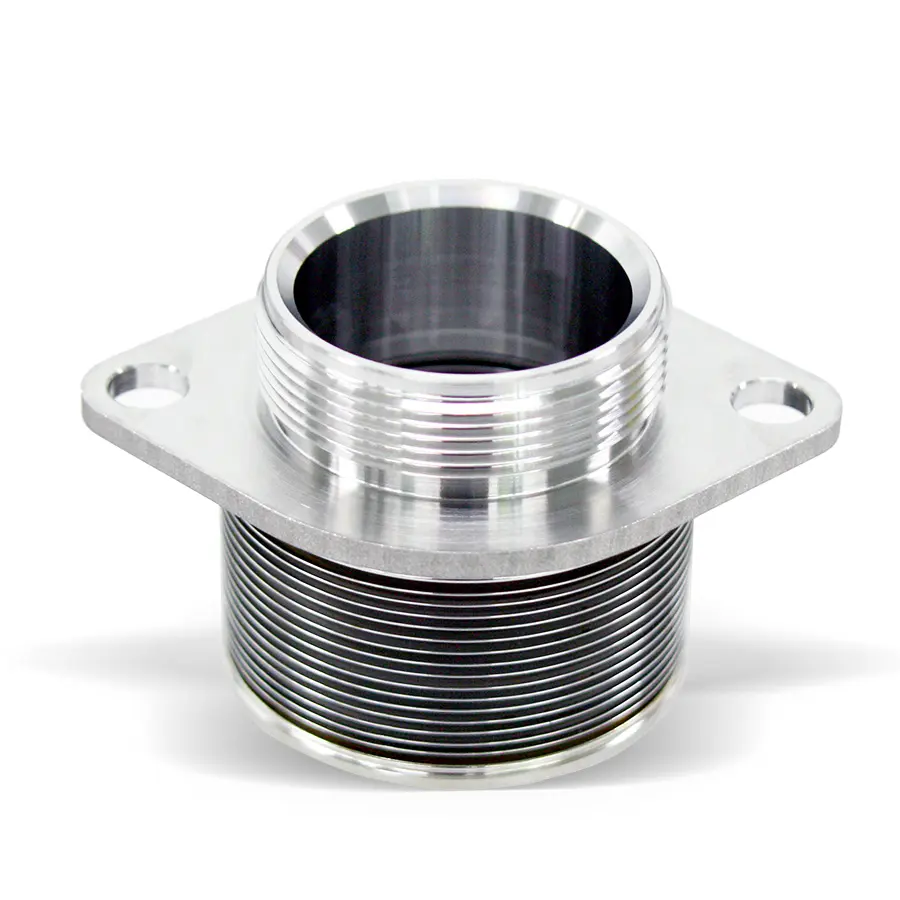
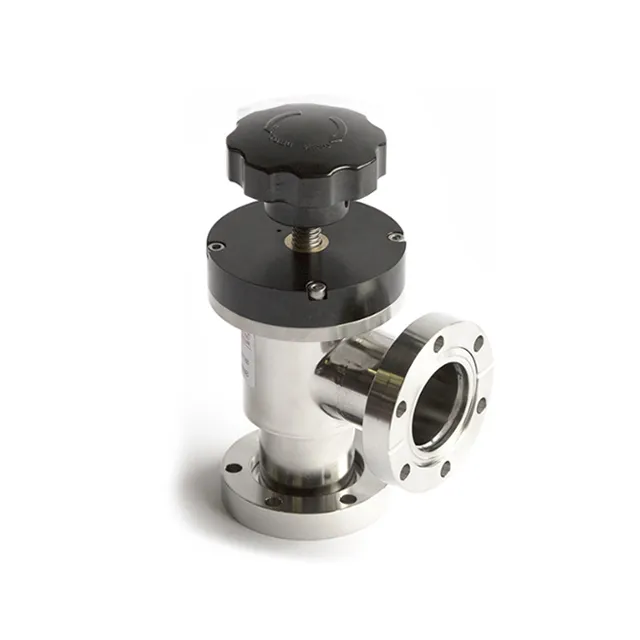
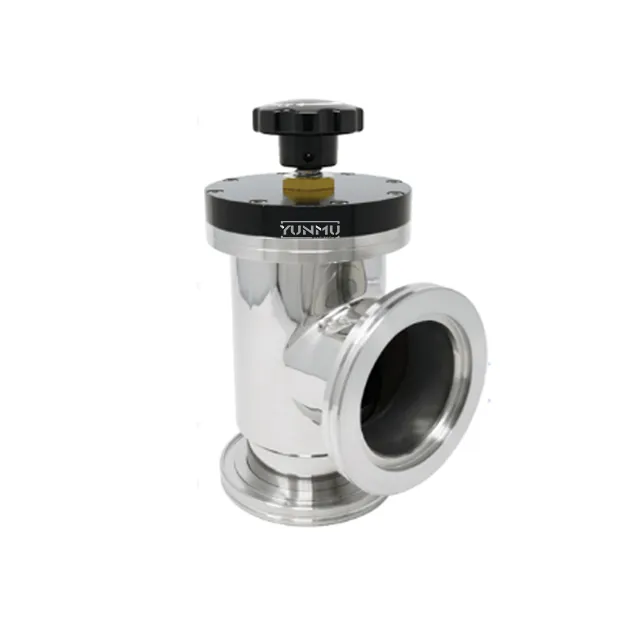
laboratory vacuum chamber
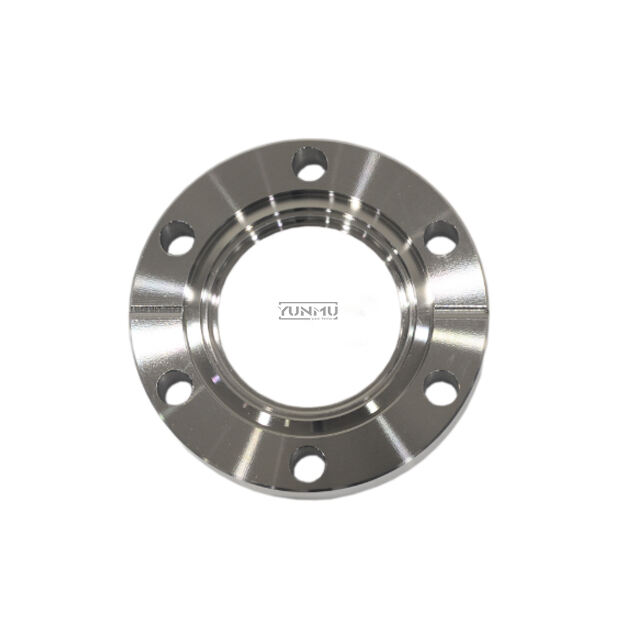
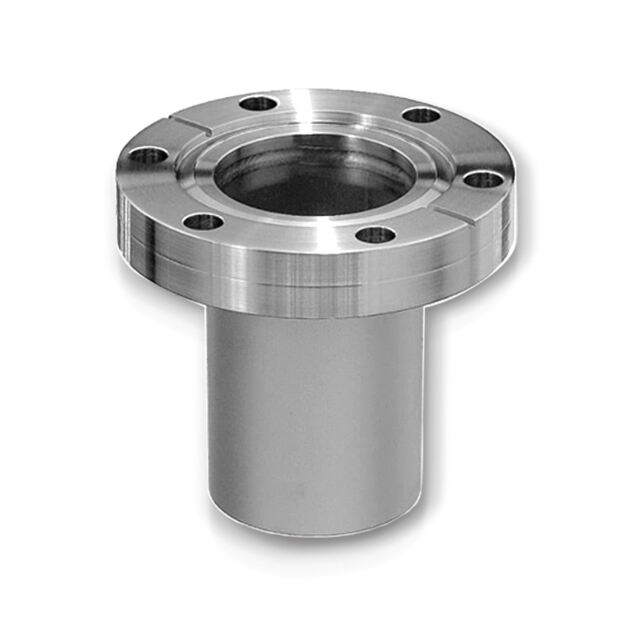
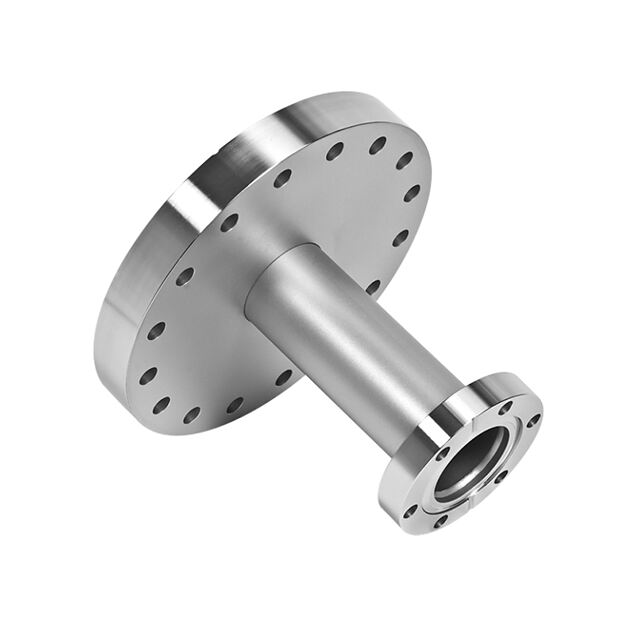
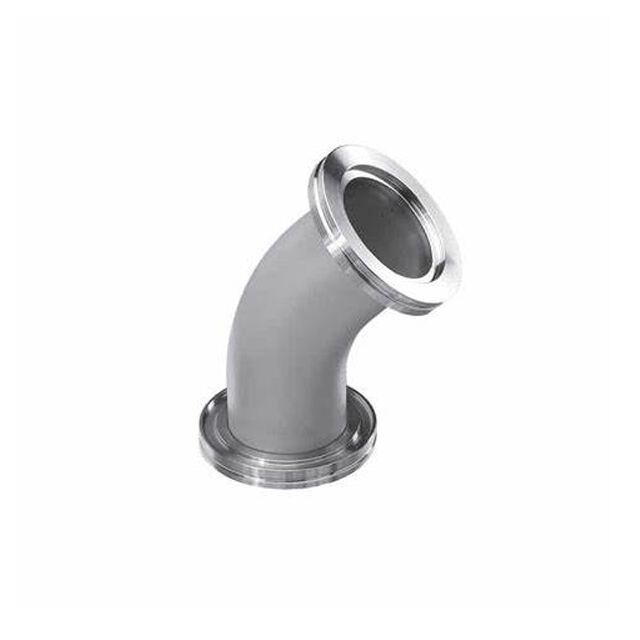
A laboratory vacuum chamber is a sealed enclosure designed to create and maintain a controlled low-pressure environment for scientific research, testing, and manufacturing processes. This essential equipment removes air and other gases from its interior, allowing researchers to conduct experiments under vacuum conditions that simulate space environments or eliminate atmospheric interference. The laboratory vacuum chamber serves multiple critical functions across various scientific disciplines, including materials science, physics, chemistry, and electronics manufacturing. Its primary purpose is to provide a contamination-free environment where sensitive processes can occur without oxidation, moisture, or particulate interference. Modern laboratory vacuum chambers feature robust construction using stainless steel or aluminum alloys, equipped with precision vacuum pumps, pressure gauges, and multiple ports for instrument integration. These chambers accommodate diverse applications such as thin-film deposition, vacuum drying, degassing, freeze-drying, and component testing. Advanced models incorporate automated control systems that regulate pressure levels with exceptional accuracy, ensuring reproducible results. The technological sophistication of a laboratory vacuum chamber includes features like quick-access doors, transparent viewing windows, and customizable internal configurations. Researchers rely on these chambers for critical tasks including semiconductor fabrication, optical coating development, composite material curing, and space simulation testing. The versatility of a laboratory vacuum chamber makes it indispensable in academic institutions, industrial research facilities, and quality control laboratories worldwide.
 EN
EN