Vacuum Industries: Technology & Applications

All Categories

vacuum industries

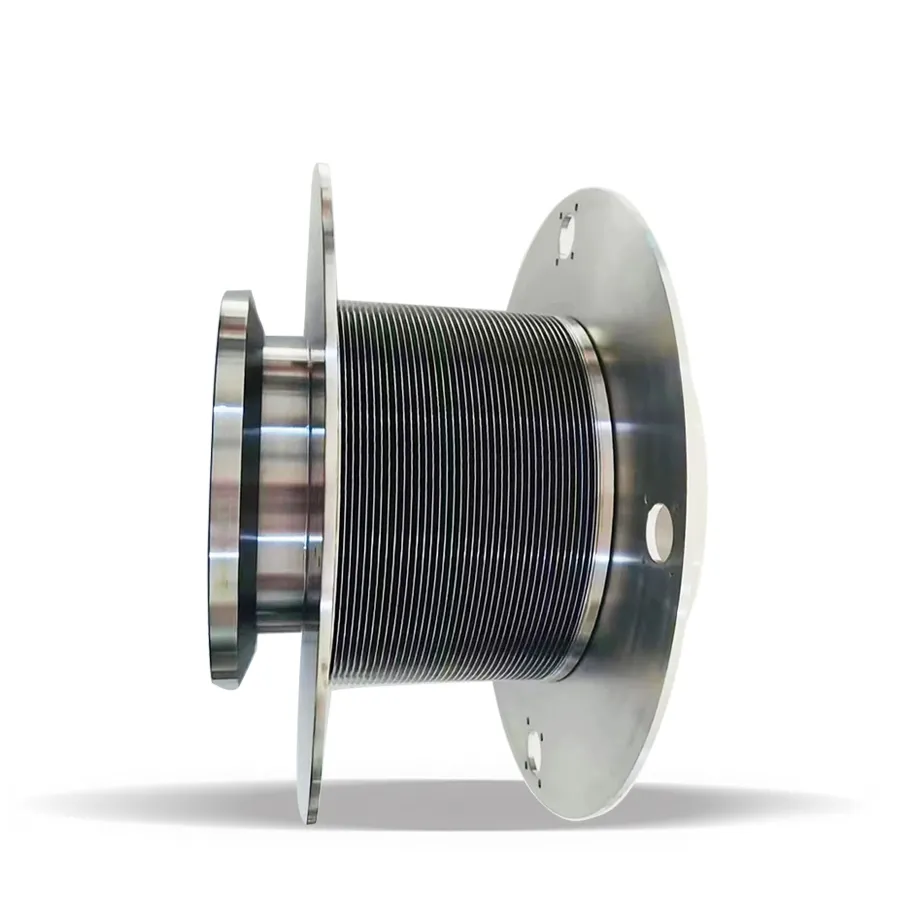
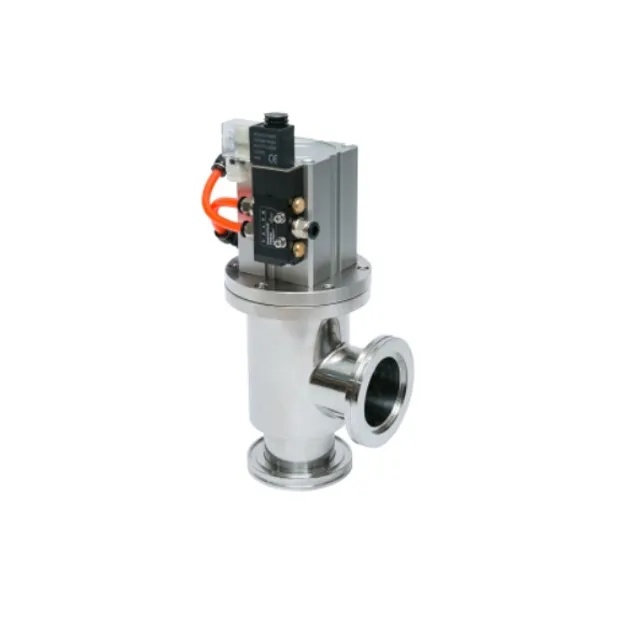
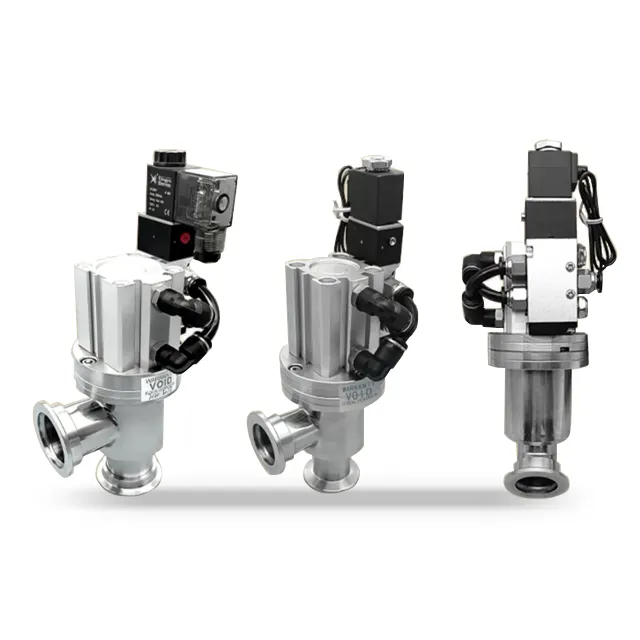
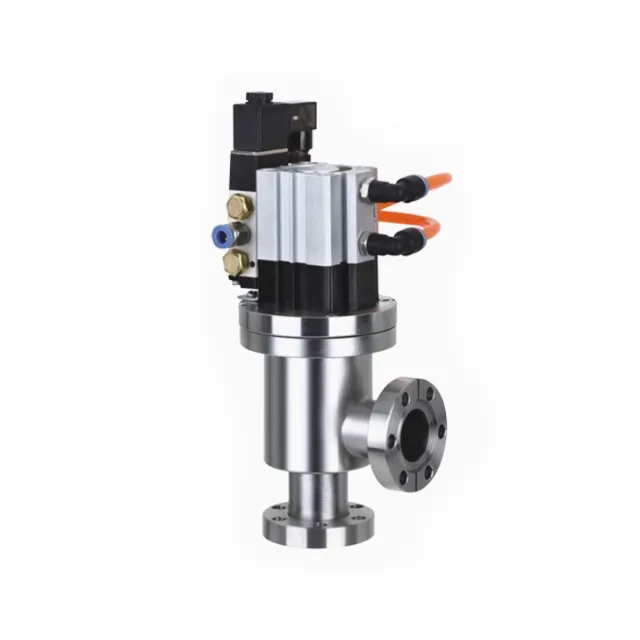
Vacuum industries encompass a diverse range of sectors that rely on vacuum technology to create controlled low-pressure environments for manufacturing, processing, and research applications. These industries utilize specialized equipment including vacuum pumps, chambers, gauges, and related systems to remove air and other gases from sealed spaces. The vacuum industries serve critical functions across semiconductor manufacturing, pharmaceutical production, food packaging, metallurgy, coating processes, and scientific research. Technological features include precision pressure control, contamination prevention, and the ability to facilitate processes that cannot occur under atmospheric conditions. Advanced vacuum systems incorporate automated controls, real-time monitoring capabilities, and energy-efficient designs that optimize performance while reducing operational costs. The vacuum industries enable essential processes such as thin-film deposition, freeze-drying, degassing, heat treatment, and electron microscopy. Modern vacuum technology offers varying pressure ranges from low vacuum to ultra-high vacuum, each suited to specific industrial requirements. These systems integrate seamlessly with production lines, providing reliable performance in cleanroom environments and harsh industrial settings. The vacuum industries continue to evolve with innovations in materials science, digitalization, and sustainability initiatives. Applications span from creating semiconductor chips that power modern electronics to preserving food products and developing advanced materials. Understanding the capabilities of vacuum industries helps businesses select appropriate technology solutions that enhance product quality, improve process efficiency, and maintain competitive advantages in their respective markets.

New Product Recommendations

The vacuum industries deliver significant operational advantages that translate directly into cost savings and improved product outcomes for manufacturers and processors. By creating controlled environments free from atmospheric interference, vacuum technology enables superior product quality with reduced defects and contamination risks. Companies implementing vacuum solutions experience faster production cycles because many chemical and physical processes accelerate under reduced pressure conditions. Energy efficiency represents another practical benefit, as modern vacuum systems consume less power while delivering consistent performance compared to traditional methods. The vacuum industries support versatile applications across multiple sectors, allowing businesses to diversify their capabilities without investing in entirely separate infrastructure. Maintenance requirements for contemporary vacuum equipment have decreased substantially due to improved component durability and predictive monitoring systems that alert operators before failures occur. Worker safety improves significantly because vacuum processes often eliminate hazardous chemical exposure and reduce thermal risks associated with high-temperature operations. Financial returns become evident through extended equipment lifespan, minimized material waste, and enhanced throughput that increases production capacity without facility expansion. The vacuum industries provide scalable solutions that grow alongside business needs, from compact laboratory systems to industrial-scale production equipment. Environmental compliance becomes easier to achieve as vacuum processes typically generate fewer emissions and enable better containment of potentially harmful substances. Decision-makers appreciate the documented track record of vacuum technology in improving yield rates, particularly in precision manufacturing where even minor atmospheric variations can compromise results. The vacuum industries offer proven reliability that reduces downtime, ensuring continuous operations that meet demanding production schedules and customer commitments while building long-term competitive positioning in evolving markets.

Practical Tips

How Can Vacuum Technology Improve Process Stability and Output?

29

May

How Can Vacuum Technology Improve Process Stability and Output?

In modern industrial manufacturing, process stability and consistent output are not optional goals — they are operational necessities. vacuum technology has emerged as one of the most reliable engineering tools for achieving both. By removing gas mol...
View More
Why Are High Quality Vacuum Fittings Critical for Industrial Systems?

29

May

Why Are High Quality Vacuum Fittings Critical for Industrial Systems?

In industrial environments where precision and reliability are non-negotiable, the integrity of every component in a vacuum system determines whether operations succeed or fail. Among all the components that make up a vacuum assembly, vacuum fittings...
View More
How Do Vacuum Accessories Support Faster Vacuum System Upgrades?

29

May

How Do Vacuum Accessories Support Faster Vacuum System Upgrades?

When a vacuum system needs to be upgraded, the speed and success of that process depend heavily on more than just the main pump or chamber. The supporting components — the fittings, adapters, flanges, and connectors that link every element of the sys...
View More
Can Custom Vacuum Systems Reduce Long Term Operational Challenges?

29

May

Can Custom Vacuum Systems Reduce Long Term Operational Challenges?

Across manufacturing, research, and industrial processing environments, operational challenges tend to compound over time. Equipment that was selected for general use often reveals its limitations as production demands shift, process tolerances tight...
View More

Get a Free Quote

Our representative will contact you soon.
Email
Name
Company Name
Message
0/1000

vacuum industries

Precision Control for Critical Manufacturing Processes

Precision Control for Critical Manufacturing Processes

The vacuum industries excel in delivering exceptional precision control that proves essential for manufacturing processes requiring exact environmental conditions. Advanced vacuum systems maintain stable pressure levels with accuracy measured in microtorr, enabling consistent results in applications like semiconductor fabrication where even microscopic variations affect product performance. This precision extends to temperature regulation within vacuum chambers, creating ideal conditions for heat-sensitive materials and processes requiring specific thermal profiles. Modern vacuum industries incorporate sophisticated sensor networks and feedback mechanisms that continuously monitor multiple parameters simultaneously, adjusting system operations in real-time to compensate for any deviations. The precision capabilities of vacuum industries directly impact product yield rates, reducing rejected units and material waste that erode profitability. Manufacturers in pharmaceutical, aerospace, and electronics sectors depend on this exacting control to meet stringent quality standards and regulatory requirements. The ability to reproduce identical vacuum conditions across multiple production runs ensures batch consistency that customers expect from premium products. Investment in precision vacuum technology from established vacuum industries provides manufacturers with the reliable foundation needed for innovation and product development initiatives that push technical boundaries.
Contamination Prevention and Product Purity

Contamination Prevention and Product Purity

Contamination prevention stands as a fundamental advantage that vacuum industries provide across numerous applications where product purity determines success or failure. By removing atmospheric gases, moisture, and particulate matter from processing environments, vacuum technology creates pristine conditions that protect sensitive materials from degradation and unwanted chemical reactions. The vacuum industries have developed specialized systems incorporating multiple filtration stages, material selection protocols, and chamber designs that minimize outgassing and particle generation from equipment components themselves. This contamination control proves invaluable in pharmaceutical manufacturing where product safety depends on maintaining sterile conditions throughout processing and packaging operations. Food processing applications benefit similarly, as vacuum packaging extends shelf life by preventing oxidation and microbial growth that compromise quality and safety. Research laboratories conducting materials science experiments rely on vacuum industries to provide ultra-clean environments where surface interactions can be studied without atmospheric interference that masks true material properties. The economic impact of contamination prevention extends beyond direct quality improvements to include reduced rework costs, fewer customer complaints, and strengthened brand reputation. Companies serving regulated industries find that vacuum solutions from established vacuum industries simplify compliance documentation by providing verifiable environmental controls that satisfy auditor requirements and demonstrate commitment to quality assurance.
Versatile Applications Across Multiple Industries

Versatile Applications Across Multiple Industries

The vacuum industries demonstrate remarkable versatility by serving diverse sectors with specialized equipment tailored to unique operational requirements and performance expectations. Manufacturing applications range from coating automotive components and architectural glass to creating the vacuum-insulated panels that improve building energy efficiency. Medical device production utilizes vacuum industries technology for sterilization processes and creating sealed packaging that maintains product integrity during storage and distribution. Metallurgical applications employ vacuum furnaces for heat treating high-performance alloys used in aerospace engines and industrial machinery where material properties must meet exacting specifications. The food and beverage sector depends on vacuum industries for freeze-drying coffee, preserving fruits, and packaging products that maintain freshness without chemical preservatives. Scientific research institutions utilize vacuum chambers for electron microscopy, particle acceleration, and space simulation testing that advances human knowledge and technological capabilities. This application diversity means that expertise developed within vacuum industries transfers across sectors, creating opportunities for cross-pollination of innovations and best practices. Businesses appreciate the ability to work with vacuum industries suppliers who understand multiple market segments and can recommend proven solutions adapted from parallel applications. The breadth of vacuum industries applications provides economic stability and continuous innovation driven by varied customer needs and technical challenges.

Have questions about the company?

Get a Free Quote

Our representative will contact you soon.
Email
Name
Company Name
Message
0/1000

Get a Free Quote

Our representative will contact you soon.
Email
Name
Company Name
Message
0/1000

Get a Free Quote

Our representative will contact you soon.
Email
Name
Company Name
Message
0/1000