vacuum manufacturing
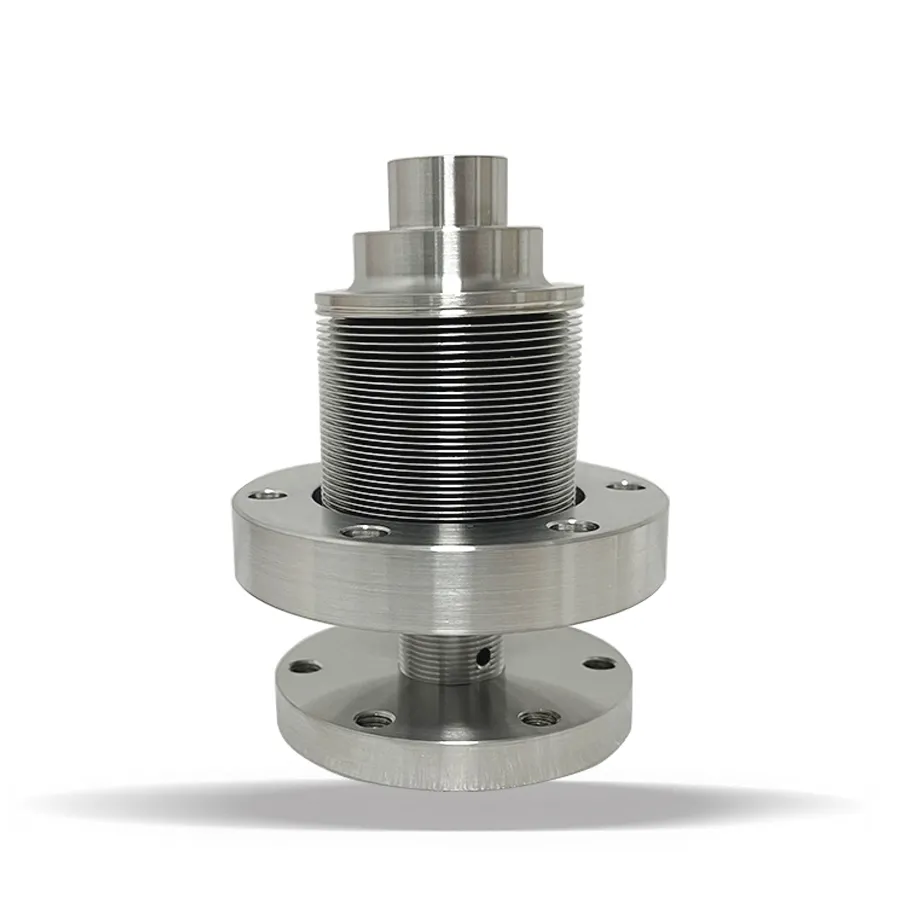
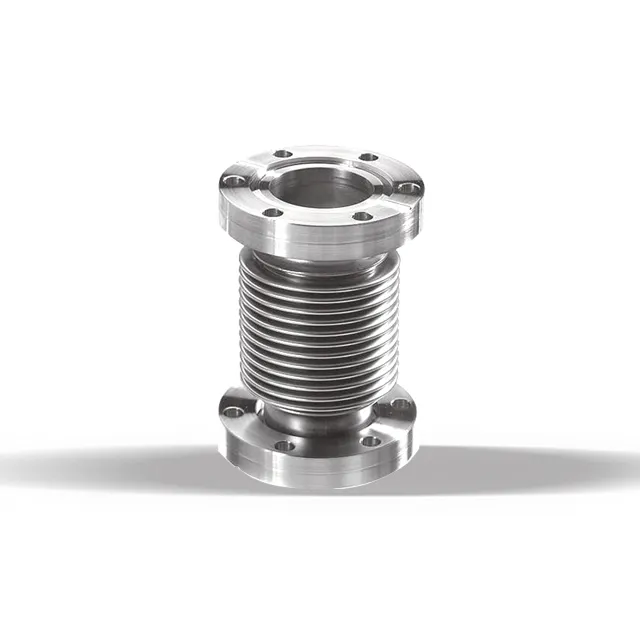
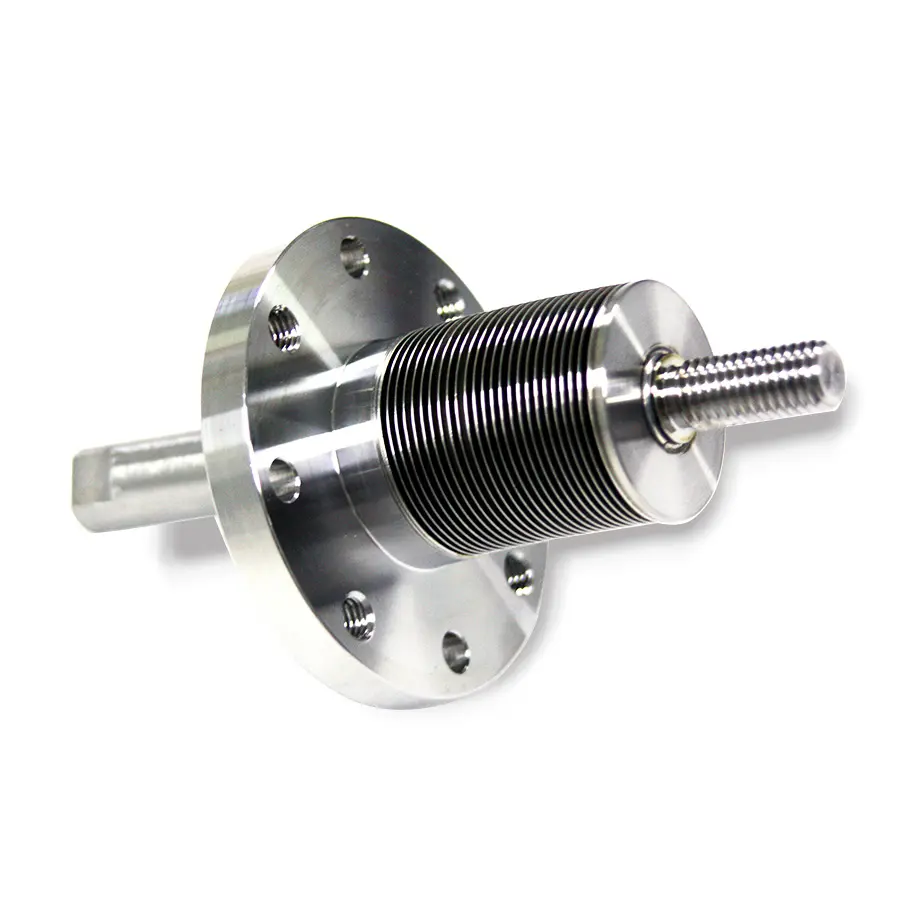
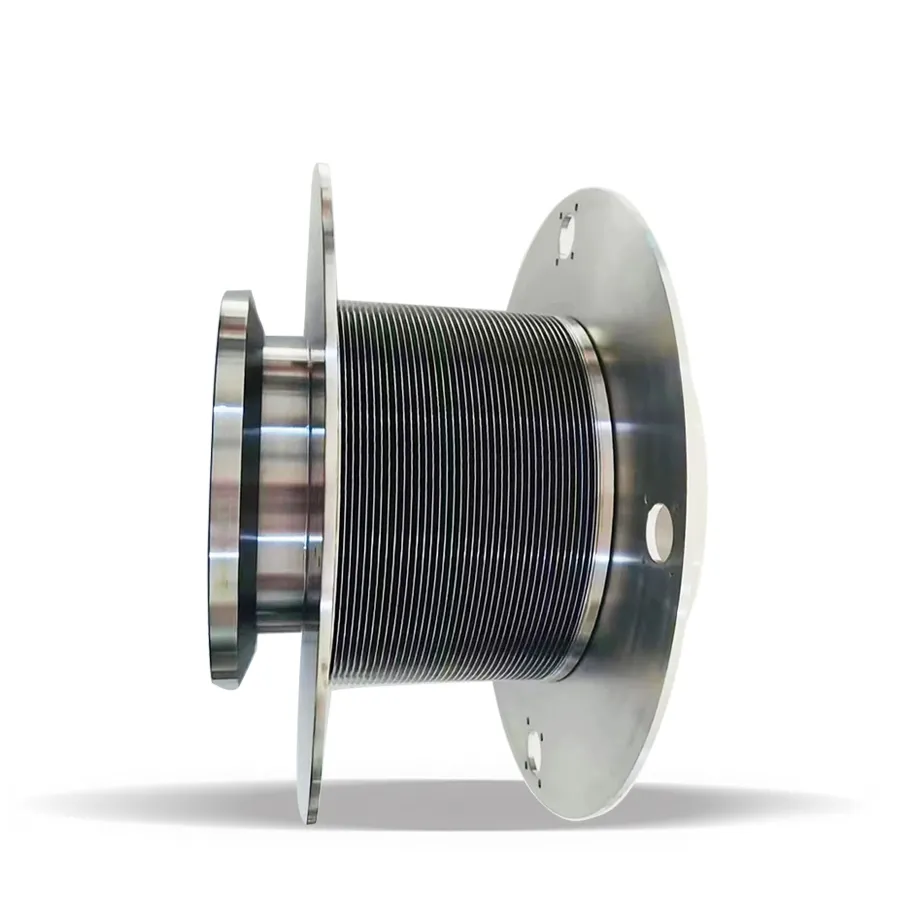
Vacuum manufacturing represents a sophisticated industrial process that creates products and components in controlled low-pressure environments, eliminating air and contaminants to achieve superior quality results. This advanced manufacturing method involves specialized equipment including vacuum chambers, pumps, gauges, and precision control systems that maintain specific pressure levels throughout production cycles. The main functions of vacuum manufacturing encompass materials processing, surface treatment, component assembly, and quality enhancement across diverse industrial applications. Technological features include multi-stage pumping systems, automated pressure monitoring, temperature control integration, and contamination prevention mechanisms that ensure consistent outcomes. Vacuum manufacturing serves critical roles in aerospace component fabrication, semiconductor device production, pharmaceutical packaging, metallurgical processing, and advanced materials development. Industries rely on vacuum manufacturing to produce heat-treated metals, vacuum-sealed medical devices, thin-film coatings, electronic components, and precision instruments requiring contamination-free environments. The technology enables manufacturers to achieve molecular-level precision, eliminate oxidation during processing, create ultra-pure materials, and perform operations impossible under atmospheric conditions. Modern vacuum manufacturing systems incorporate digital controls, real-time monitoring capabilities, and energy-efficient designs that optimize production efficiency while maintaining exacting quality standards. This manufacturing approach has become indispensable for producing high-performance products where material purity, structural integrity, and dimensional accuracy are paramount requirements for end-use applications.
 EN
EN