Vacuum Technology Incorporated Solutions

All Categories

vacuum technology incorporated

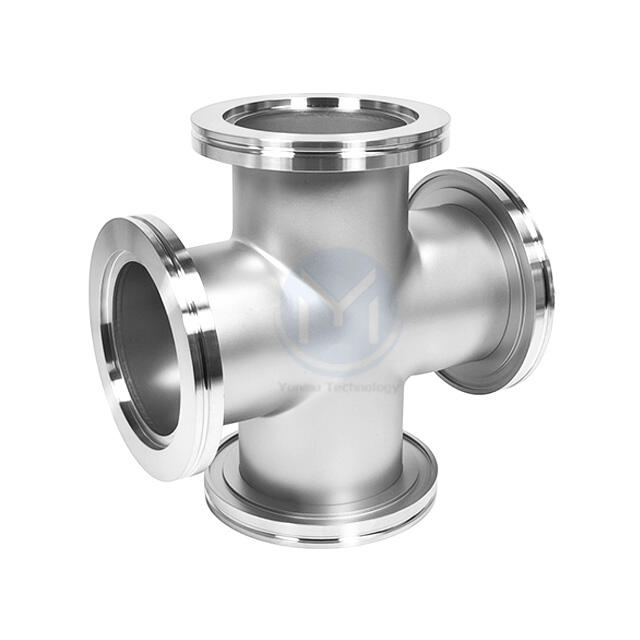
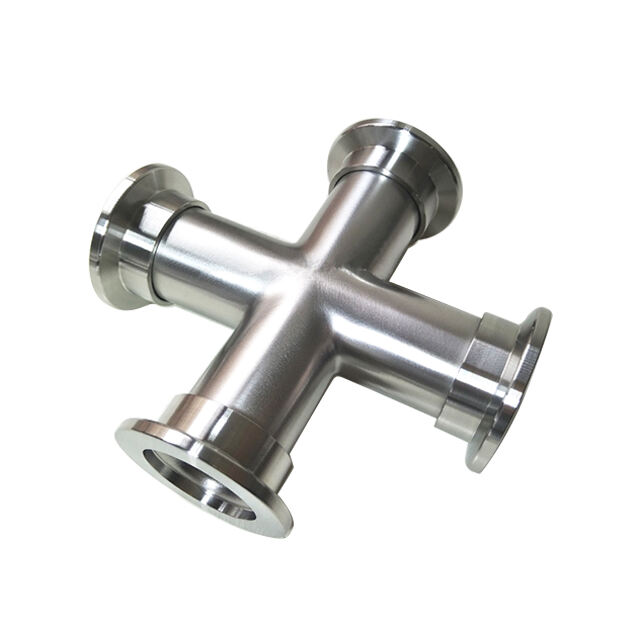
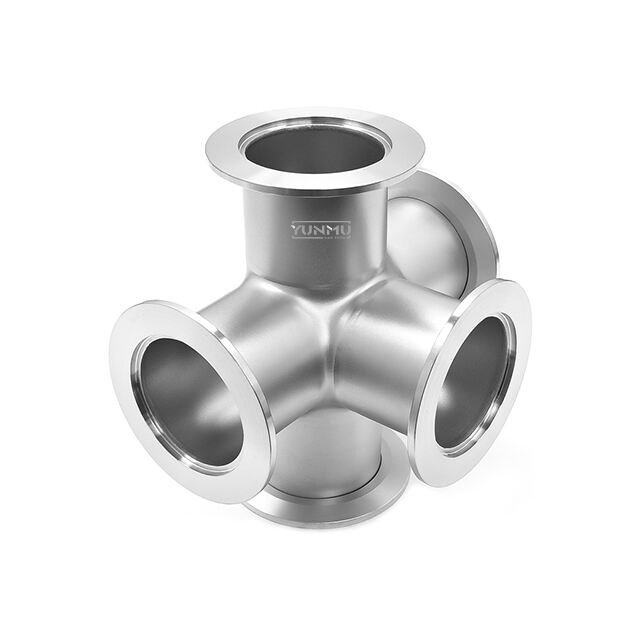
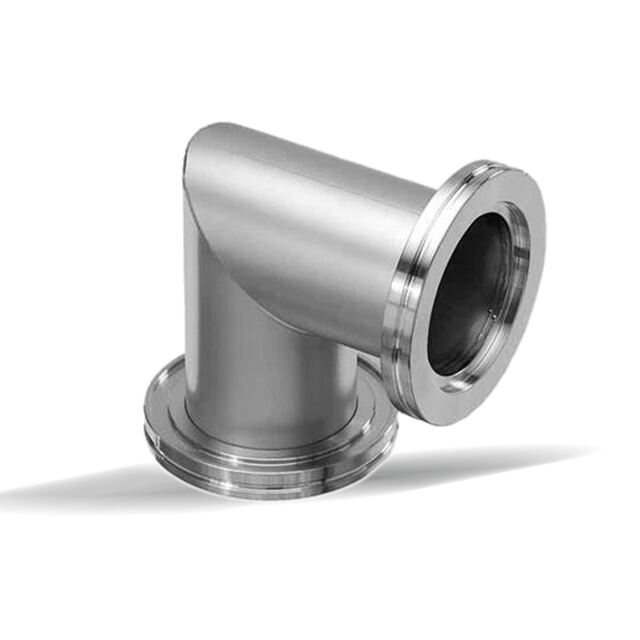
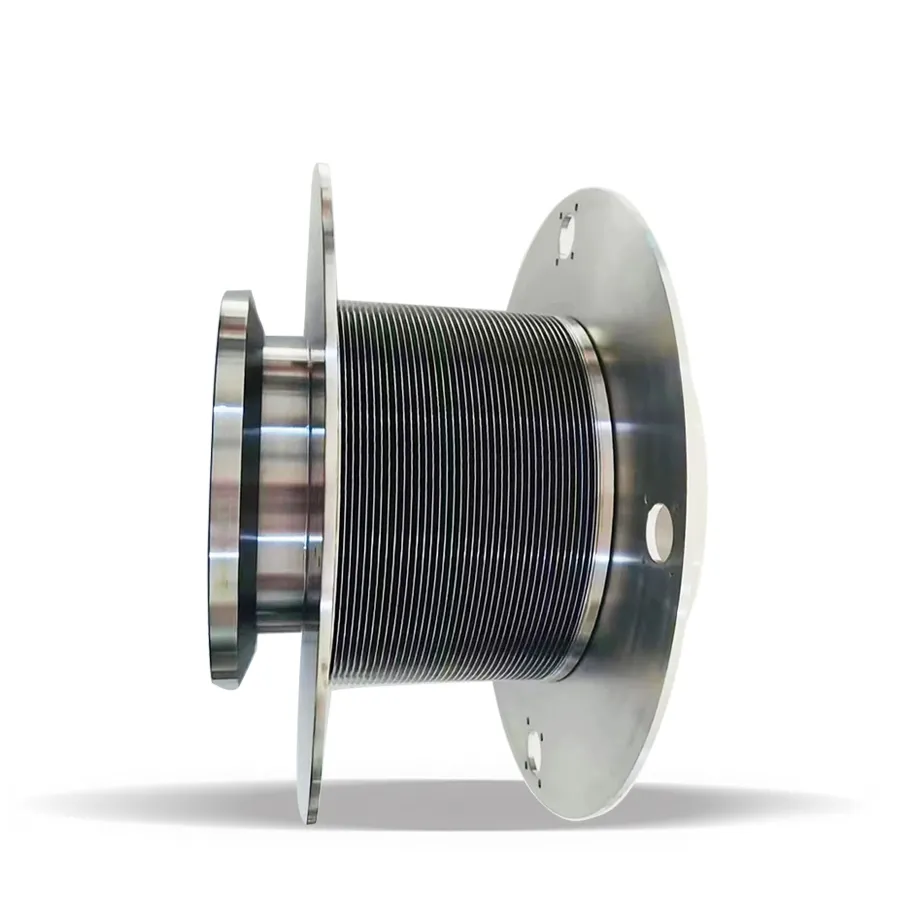
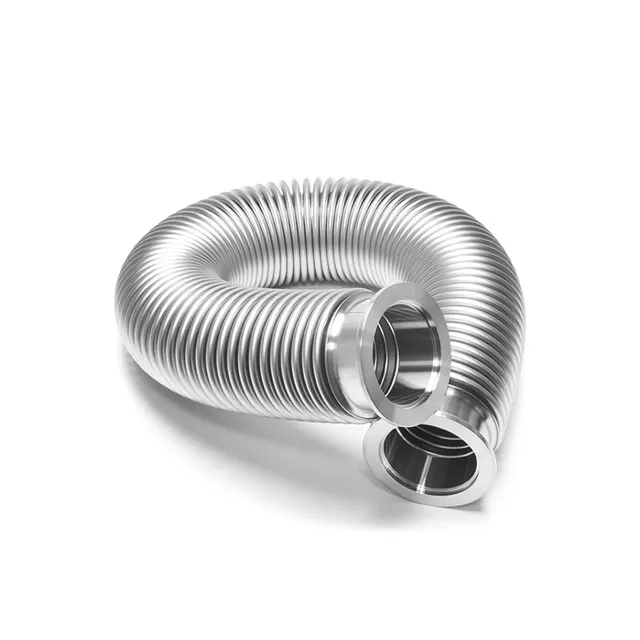
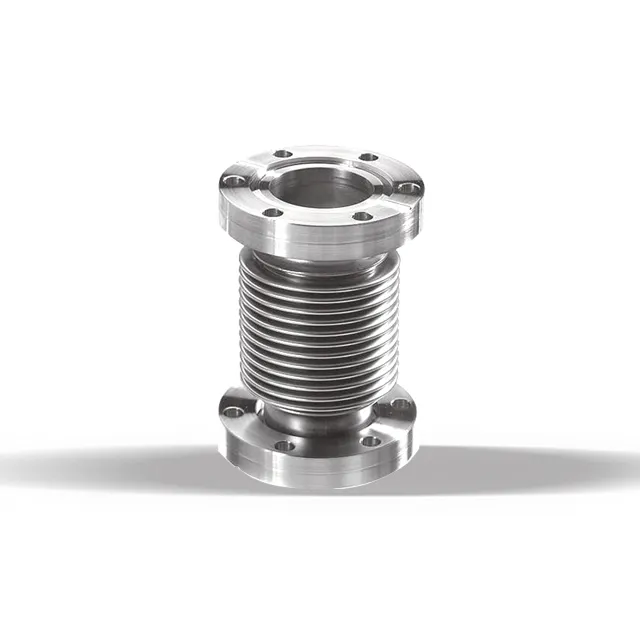
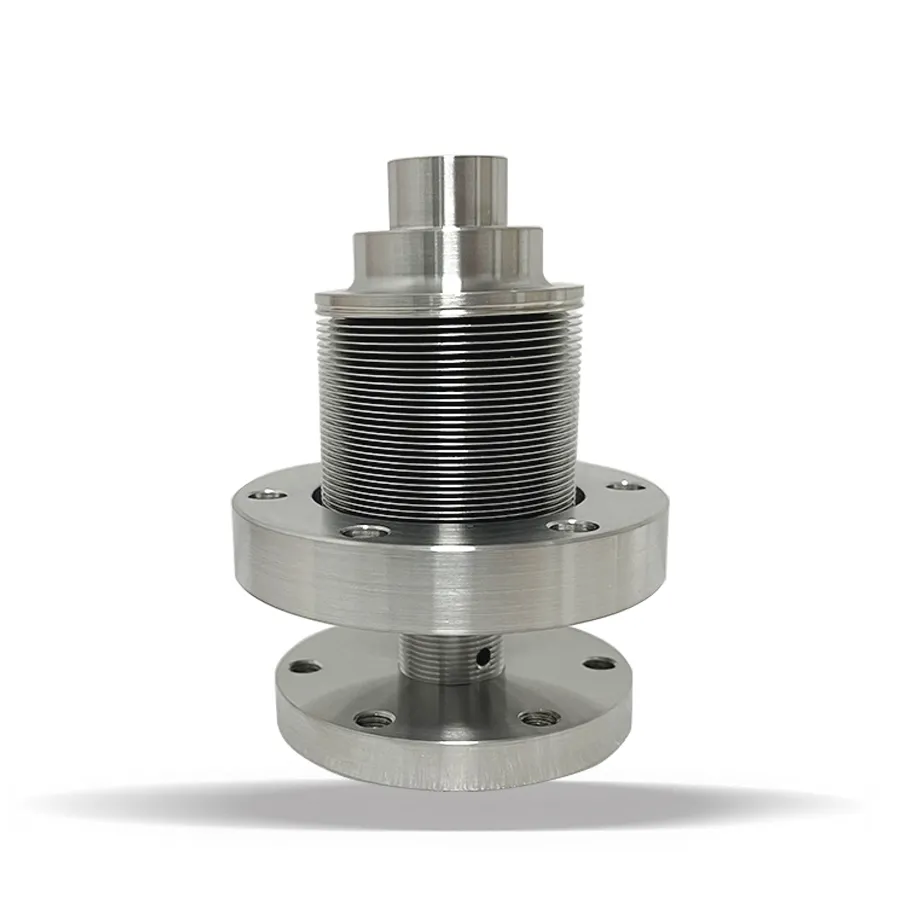
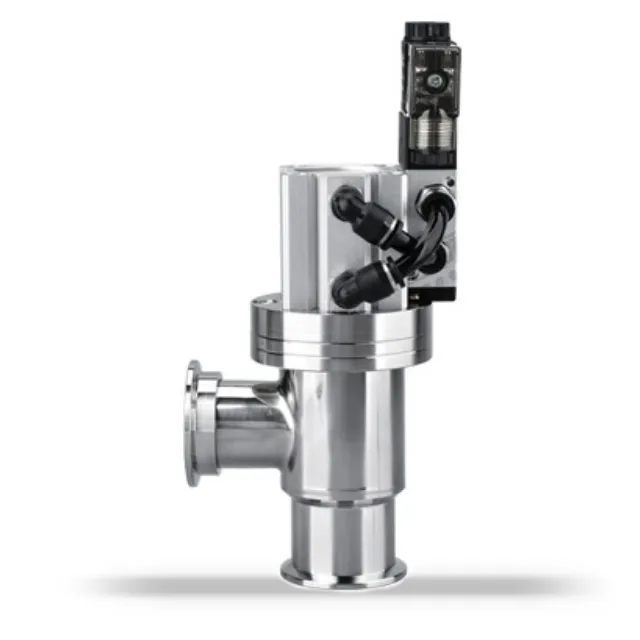
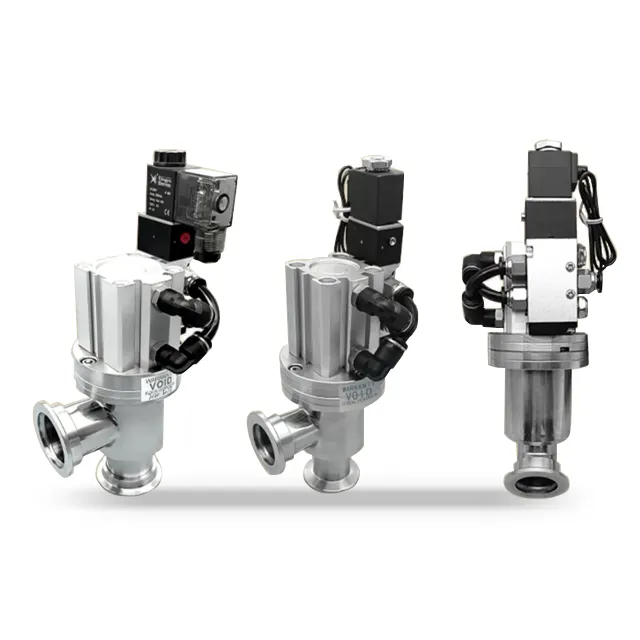
Vacuum technology incorporated represents a sophisticated approach to creating and maintaining controlled low-pressure environments for industrial, scientific, and commercial applications. This advanced system combines precision engineering with automated control mechanisms to remove air and other gases from sealed chambers, enabling processes that require reduced atmospheric pressure or contamination-free conditions. The technology encompasses vacuum pumps, pressure measurement instruments, control valves, and integrated monitoring systems that work together seamlessly. Vacuum technology incorporated serves critical functions across semiconductor manufacturing, pharmaceutical production, food packaging, metallurgy, and research laboratories. Its main functions include achieving and sustaining specific pressure levels, preventing gas leakage, removing moisture and contaminants, and creating optimal conditions for specialized processes. The technological features distinguish vacuum technology incorporated through multi-stage pumping systems, real-time pressure monitoring, automated leak detection, and energy-efficient operation modes. Modern implementations utilize digital controllers that allow precise adjustment of vacuum levels according to process requirements. Applications range from freeze-drying medications and preserving food products to coating optical lenses and manufacturing electronic components. The versatility of vacuum technology incorporated makes it indispensable for operations requiring sterile environments, chemical reactions under reduced pressure, or material processing without oxidation. By delivering consistent performance and reliable pressure control, vacuum technology incorporated has become fundamental infrastructure across diverse industries seeking quality, efficiency, and process optimization.

New Product Recommendations

Choosing vacuum technology incorporated delivers tangible operational benefits that directly impact your production efficiency and product quality. This technology reduces processing times significantly by accelerating evaporation, drying, and degassing operations that would otherwise take considerably longer under atmospheric conditions. Your facility gains improved product consistency because vacuum technology incorporated maintains precise environmental control, eliminating variables that cause batch-to-batch variations. Energy consumption decreases through optimized pump configurations and intelligent control systems that adjust power usage based on actual demand rather than running at maximum capacity continuously. Maintenance requirements become more predictable with integrated diagnostic features that alert operators to potential issues before they cause downtime, protecting your production schedule and reducing emergency repair costs. The technology extends equipment lifespan by preventing corrosion and contamination that occur in uncontrolled atmospheric conditions. Your business benefits from enhanced product shelf life when using vacuum technology incorporated for packaging applications, as removing oxygen prevents oxidation and microbial growth. Worker safety improves because sealed vacuum systems contain hazardous fumes and particles that might otherwise expose personnel to health risks. Installation flexibility allows vacuum technology incorporated to integrate with existing production lines without extensive facility modifications. Your operation achieves regulatory compliance more easily since controlled vacuum environments meet stringent industry standards for pharmaceuticals, food safety, and electronics manufacturing. The technology provides scalability, accommodating production increases through modular expansion rather than complete system replacement. Return on investment accelerates through reduced waste, higher yields, and premium pricing that quality-conscious customers willingly pay for products manufactured using vacuum technology incorporated under controlled conditions.

Latest News

How Do Vacuum Accessories Support Faster Vacuum System Upgrades?

29

May

How Do Vacuum Accessories Support Faster Vacuum System Upgrades?

When a vacuum system needs to be upgraded, the speed and success of that process depend heavily on more than just the main pump or chamber. The supporting components — the fittings, adapters, flanges, and connectors that link every element of the sys...
View More
Which Vacuum Accessories Improve Industrial Process Reliability Most?

29

May

Which Vacuum Accessories Improve Industrial Process Reliability Most?

In high-demand industrial environments, the performance of a vacuum system is rarely determined by the pump alone. The supporting components — the vacuum accessories that seal, connect, isolate, and protect every part of the system — are what separat...
View More
How Does a Vacuum Chamber Support High Precision Manufacturing?

29

May

How Does a Vacuum Chamber Support High Precision Manufacturing?

In high precision manufacturing, even the smallest environmental variable can compromise the integrity of a finished component. Contaminants in the air, fluctuating pressure, and trace moisture are invisible threats that can distort measurements, wea...
View More
Which Businesses Gain the Most From Custom Vacuum Systems Today?

29

May

Which Businesses Gain the Most From Custom Vacuum Systems Today?

Across a wide range of industries, the demand for precision-engineered vacuum technology has grown significantly in recent years. Businesses that rely on controlled environments, contamination-free processing, or highly repeatable manufacturing condi...
View More

Get a Free Quote

Our representative will contact you soon.
Email
Name
Company Name
Message
0/1000

vacuum technology incorporated

Precision Pressure Control Systems

Precision Pressure Control Systems

The advanced pressure control capabilities within vacuum technology incorporated enable manufacturers to achieve exact vacuum levels required for specialized processes with remarkable accuracy. Modern digital controllers monitor chamber pressure in real-time, making instantaneous adjustments to maintain setpoints within narrow tolerances that manual systems cannot match. This precision proves essential for applications like thin-film deposition where coating thickness depends on maintaining specific pressure ranges, or pharmaceutical freeze-drying where product quality correlates directly with controlled sublimation rates. The technology incorporates multiple pressure sensors positioned strategically throughout the system, providing comprehensive monitoring that detects variations before they affect production outcomes. Automated feedback loops communicate with variable-speed pumps and precision valves, creating a responsive system that adapts to process changes without operator intervention. Users benefit from programmable pressure profiles that execute complex multi-stage processes automatically, ensuring repeatability across production runs. The precision offered by vacuum technology incorporated translates into reduced defect rates, consistent product characteristics, and the ability to manufacture items with tighter specifications that command premium market positioning and customer confidence.
Contamination Prevention Architecture

Contamination Prevention Architecture

Vacuum technology incorporated features sophisticated contamination prevention mechanisms that protect sensitive products and processes from impurities that compromise quality and performance. The system design incorporates multiple filtration stages, including particulate filters that capture solid contaminants and cold traps that condense vapors before they reach pumping mechanisms. This multi-barrier approach proves particularly valuable in semiconductor fabrication where even microscopic particles cause chip failures, and in pharmaceutical production where product purity determines regulatory compliance. Materials selection throughout vacuum technology incorporated emphasizes low outgassing properties, ensuring that system components themselves do not introduce contaminants into the controlled environment. Sealed chamber construction with precision gaskets and welded joints prevents atmospheric infiltration that would introduce moisture, oxygen, and airborne particles. The technology incorporates automated purge cycles that flush residual contaminants between production batches, maintaining chamber cleanliness without manual cleaning interventions. Regular maintenance becomes simplified through accessible filter locations and quick-change designs that minimize system downtime. Organizations implementing vacuum technology incorporated report measurable improvements in yield rates, reduced rework costs, and enhanced reputation for delivering consistently pure products that meet exacting customer specifications and industry standards.
Energy-Efficient Operation Optimization

Energy-Efficient Operation Optimization

The energy efficiency engineered into vacuum technology incorporated delivers substantial cost savings while supporting corporate sustainability objectives through reduced environmental impact. Variable-frequency drives adjust pump motor speeds dynamically based on actual vacuum requirements rather than operating continuously at full power, cutting electricity consumption by up to forty percent compared to fixed-speed alternatives. Intelligent control algorithms learn process patterns over time, optimizing pump-down sequences and minimizing energy waste during idle periods without compromising readiness for production demands. Heat recovery systems capture thermal energy generated during compression cycles, redirecting it for facility heating or preheating process inputs rather than dissipating it wastefully. The modular architecture within vacuum technology incorporated allows right-sizing pump capacity to match application needs precisely, avoiding the inefficiency of oversized equipment running below optimal operating points. Scheduled maintenance alerts ensure pumps maintain peak efficiency by prompting timely service before wear causes performance degradation and energy waste. Energy monitoring dashboards provide visibility into consumption patterns, enabling facility managers to identify optimization opportunities and document sustainability achievements. Companies adopting vacuum technology incorporated reduce their carbon footprint while lowering operating expenses, creating competitive advantages through cost leadership and appealing to environmentally conscious customers and stakeholders who increasingly prioritize supplier sustainability performance.

Have questions about the company?

Get a Free Quote

Our representative will contact you soon.
Email
Name
Company Name
Message
0/1000

Get a Free Quote

Our representative will contact you soon.
Email
Name
Company Name
Message
0/1000

Get a Free Quote

Our representative will contact you soon.
Email
Name
Company Name
Message
0/1000