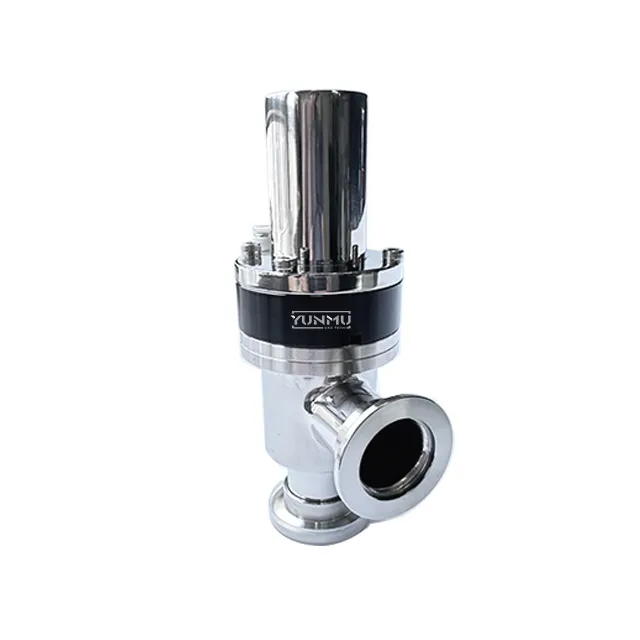
vacuum process technology
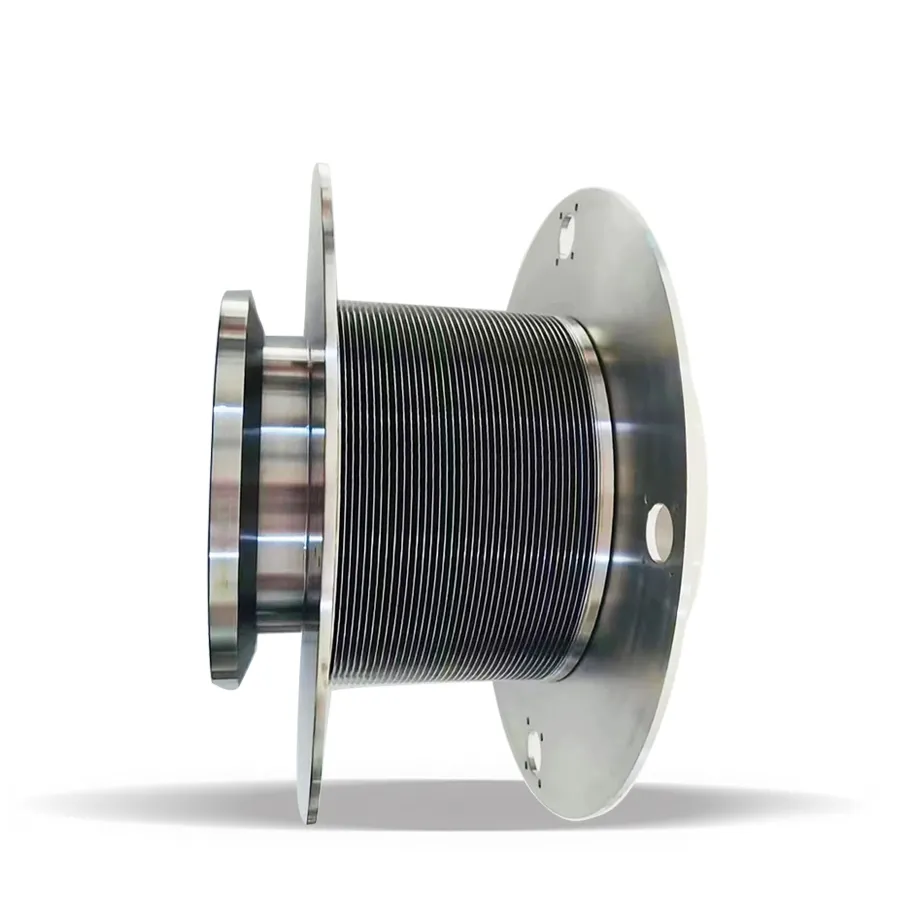
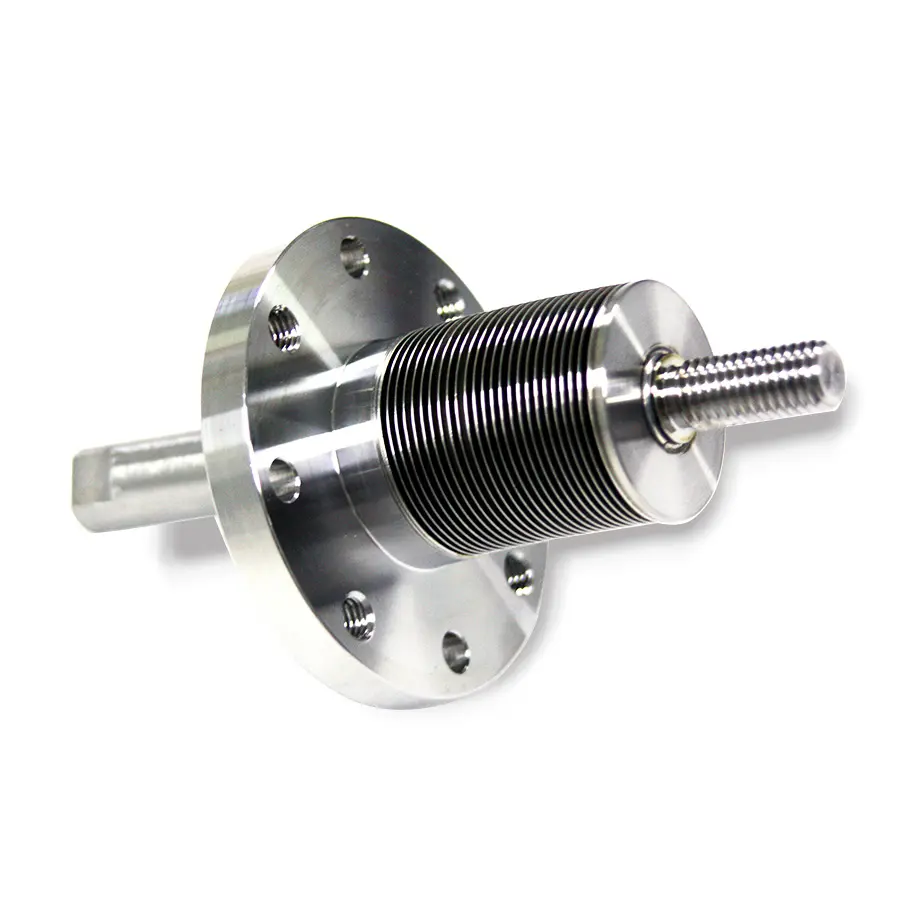
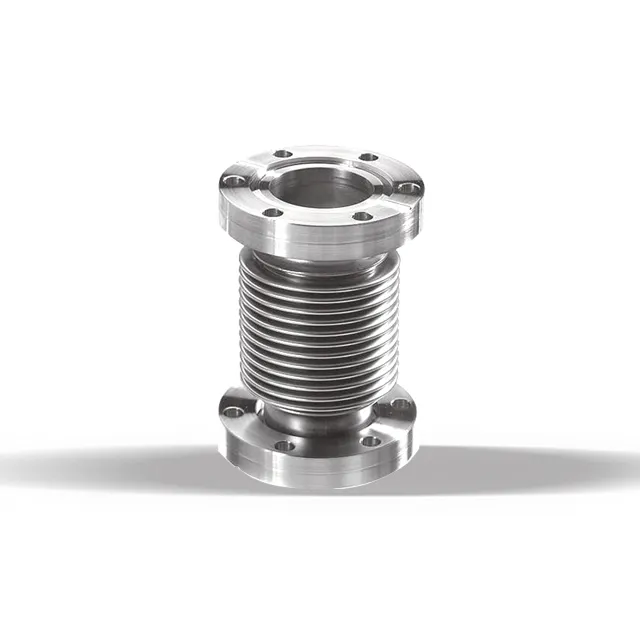
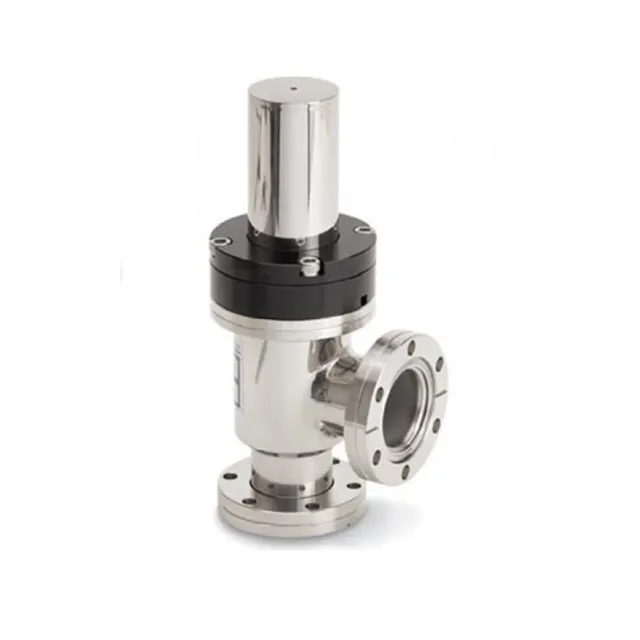
Vacuum process technology represents a sophisticated manufacturing approach that removes air and gases from a controlled chamber to create low-pressure environments for specialized industrial operations. This technology encompasses various methods including vacuum distillation, vacuum drying, vacuum coating, and vacuum heat treatment, all designed to enhance product quality and process efficiency. The main functions include eliminating unwanted atmospheric interference, lowering boiling points for temperature-sensitive materials, preventing oxidation during critical manufacturing stages, and enabling precise deposition of thin films and coatings. Technological features of vacuum process technology include advanced pressure control systems, automated monitoring capabilities, and customizable chamber designs that accommodate diverse production requirements. Modern vacuum systems integrate digital sensors and programmable logic controllers to maintain optimal pressure levels throughout processing cycles. Applications span multiple industries, with vacuum process technology proving essential in pharmaceutical manufacturing for gentle drying of active ingredients, in electronics production for semiconductor fabrication and component coating, in metallurgy for creating high-purity alloys, in food processing for freeze-drying and preservation, and in aerospace manufacturing for composite material production. The technology delivers consistent results by eliminating atmospheric variables that could compromise product integrity, making it indispensable for industries requiring precision, purity, and quality assurance in their manufacturing processes.
 EN
EN