Automatic Vacuum Valve: Protection & Benefits

All Categories

automatic vacuum valve

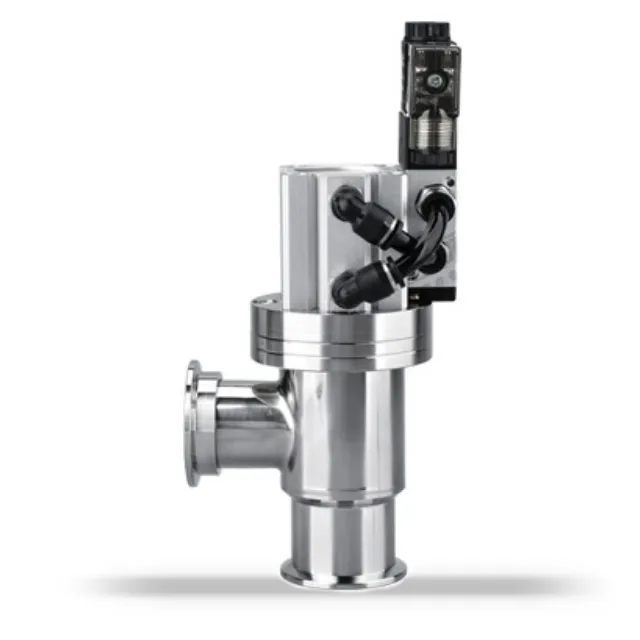
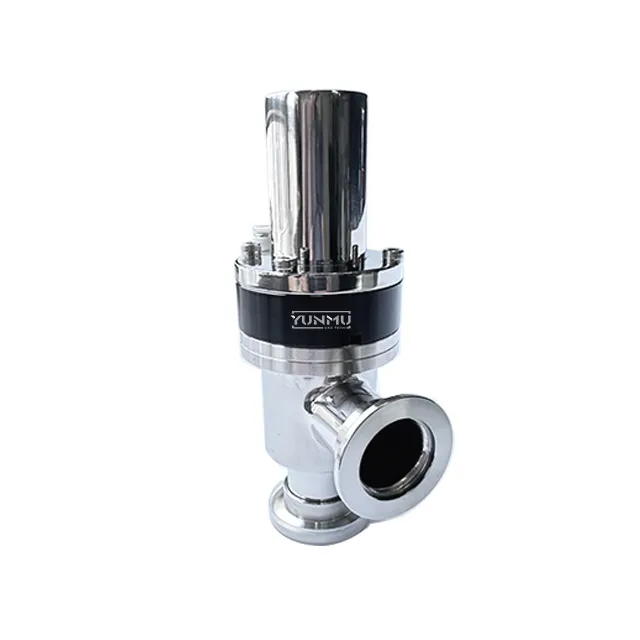
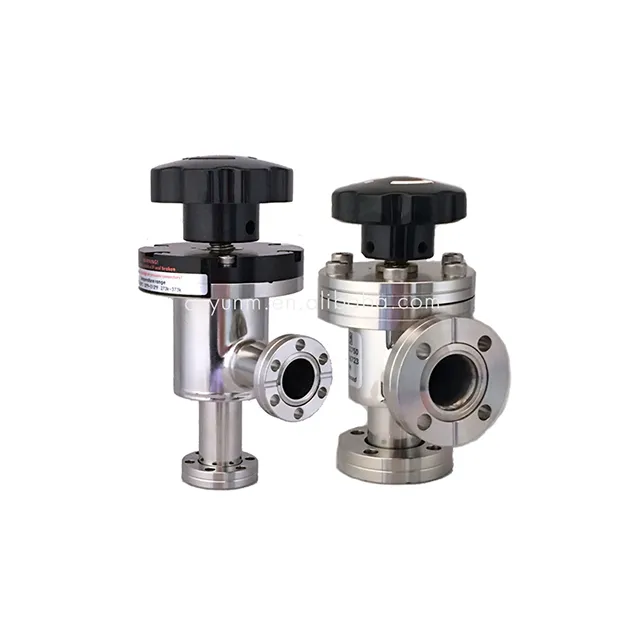
An automatic vacuum valve is an essential component in vacuum systems designed to protect equipment by automatically admitting air when internal pressure drops below atmospheric levels. This valve operates without manual intervention, responding instantly to pressure changes within pipelines, tanks, or chambers. The automatic vacuum valve prevents vacuum conditions that could cause structural damage, implosion, or operational disruptions in water supply systems, wastewater networks, and industrial processes. Its primary function involves breaking vacuum states by allowing controlled air entry, thereby equalizing pressure differentials and safeguarding connected equipment. Technologically, the automatic vacuum valve features a spring-loaded disc or float mechanism that opens when negative pressure exceeds a preset threshold. Modern designs incorporate corrosion-resistant materials such as stainless steel, ductile iron, or reinforced polymers to ensure longevity in challenging environments. The valve seats securely when normal operating pressure resumes, preventing leakage and maintaining system integrity. Applications span municipal water distribution networks, irrigation systems, petrochemical facilities, pharmaceutical manufacturing, and HVAC installations. The automatic vacuum valve proves particularly valuable in pipeline systems with elevation changes, pump stations, and storage tanks where vacuum formation risks equipment failure. By providing reliable vacuum relief without requiring electricity or external control systems, this valve delivers passive protection that enhances operational safety and reduces maintenance requirements across diverse industrial and commercial applications.

New Product Releases

Implementing an automatic vacuum valve delivers immediate protection against costly equipment damage caused by vacuum conditions. When pumps shut down unexpectedly or liquid columns separate in pipelines, dangerous negative pressure can develop within seconds. This valve responds instantly, admitting air before structural damage occurs, saving you from expensive repairs and unplanned downtime. The passive operation means no electrical connections, batteries, or control panels are required, reducing installation costs and eliminating ongoing energy expenses. You benefit from a maintenance-friendly design that operates reliably for years with minimal attention, lowering your total ownership costs significantly. The automatic vacuum valve suits applications ranging from small residential systems to large municipal water networks, offering versatility that simplifies inventory management and standardizes maintenance procedures across your facilities. Its compact footprint allows installation in confined spaces where traditional air release equipment cannot fit, maximizing your design flexibility. The valve protects not only the piping itself but also connected pumps, valves, and instrumentation from implosion forces and water hammer effects that accompany sudden vacuum formation. By preventing these destructive events, you extend equipment service life and improve system reliability. The automatic vacuum valve operates silently and requires no operator intervention, making it ideal for unmanned facilities and remote locations. Its fail-safe design ensures protection even during power outages or control system failures, providing peace of mind for critical applications. Quick-closing characteristics prevent backflow and contamination while maintaining hygiene standards essential in potable water and food processing systems. You gain operational confidence knowing this valve continuously monitors pressure conditions and activates precisely when needed, delivering consistent performance that supports your productivity goals and safety requirements.

Practical Tips

Why Are High Quality Vacuum Fittings Critical for Industrial Systems?

29

May

Why Are High Quality Vacuum Fittings Critical for Industrial Systems?

In industrial environments where precision and reliability are non-negotiable, the integrity of every component in a vacuum system determines whether operations succeed or fail. Among all the components that make up a vacuum assembly, vacuum fittings...
View More
Why Is Vacuum Chamber Design Important for Industrial Applications?

29

May

Why Is Vacuum Chamber Design Important for Industrial Applications?

In industrial manufacturing and research environments, the vacuum chamber is far more than a sealed metal enclosure. It is a precisely engineered system whose design directly determines whether a process succeeds or fails. From semiconductor fabricat...
View More
How Can Custom Vacuum Systems Improve Industrial Workflow Stability?

29

May

How Can Custom Vacuum Systems Improve Industrial Workflow Stability?

Industrial workflow stability is one of the most critical factors separating high-performing facilities from those that struggle with downtime, inconsistent output, and rising operational costs. When vacuum technology is involved in production, the p...
View More
Why Are Integrated Vacuum Solutions Important for Modern Factories?

04

Jun

Why Are Integrated Vacuum Solutions Important for Modern Factories?

Modern manufacturing environments are under constant pressure to improve efficiency, reduce contamination risks, and maintain precise process control across every production stage. In this context, vacuum solutions have evolved from being a periphera...
View More

Get a Free Quote

Our representative will contact you soon.
Email
Name
Company Name
Message
0/1000

automatic vacuum valve

Instantaneous Vacuum Protection Technology

Instantaneous Vacuum Protection Technology

The automatic vacuum valve employs advanced pressure-sensing mechanisms that detect vacuum formation within milliseconds, providing immediate response before damaging conditions develop. Unlike manual vents requiring operator awareness and action, this valve functions autonomously through precision-engineered internal components that react directly to pressure differentials. The spring-loaded disc or float assembly opens proportionally to vacuum intensity, admitting exactly the airflow volume needed to neutralize negative pressure without overshooting. This precise modulation prevents pressure surges that could trigger water hammer or stress piping joints. The valve closes automatically once equilibrium restores, sealing completely to prevent continuous air ingress that would compromise system efficiency. Advanced sealing surfaces manufactured to tight tolerances ensure leak-proof closure even after thousands of operating cycles. The instantaneous protection capability proves critical in systems handling volatile liquids, where vacuum conditions could trigger vapor release or product degradation. Engineering teams specify this valve for applications where split-second response determines whether equipment survives or fails, making it indispensable for protecting high-value assets and maintaining continuous operations in mission-critical facilities.
Zero Energy Autonomous Operation

Zero Energy Autonomous Operation

The automatic vacuum valve requires absolutely no external power source, control signals, or human intervention to perform its protective function, distinguishing it from electrically-actuated alternatives. This energy independence eliminates installation complexities associated with running electrical conduit, providing control voltage, and programming logic controllers. You avoid recurring electricity costs and the vulnerability to power interruptions that compromise active control systems. The mechanical design harnesses the vacuum force itself as the operating energy, creating a self-powered protection system that remains functional regardless of facility conditions. This autonomous capability proves invaluable in remote pumping stations, agricultural irrigation systems, and emergency water supplies where electrical infrastructure may be unreliable or nonexistent. The automatic vacuum valve continues safeguarding your equipment during storms, grid failures, and maintenance activities affecting electrical systems. Maintenance requirements reduce dramatically since there are no electrical components to inspect, calibrate, or replace. The purely mechanical operation withstands harsh environments including extreme temperatures, humidity, and vibration that would degrade electronic controls. This reliability translates to lower lifecycle costs and higher system availability, making the valve an economically superior choice for budget-conscious projects requiring dependable long-term performance without ongoing operational expenses.
Universal Application Compatibility

Universal Application Compatibility

The automatic vacuum valve adapts seamlessly to virtually any piping system configuration, fluid type, and operating condition, offering engineers exceptional design flexibility. Available in sizes from small residential connections to large industrial pipelines, the valve scales appropriately for applications ranging from individual fixtures to municipal trunk mains. Material options including brass, stainless steel, and engineered plastics accommodate corrosive fluids, high temperatures, and sanitary requirements specific to pharmaceutical and food processing industries. Threaded, flanged, and grooved end connections integrate easily with existing piping standards, simplifying retrofit installations and emergency repairs. The automatic vacuum valve functions effectively with water, wastewater, chemicals, oils, and other liquids across temperature ranges from freezing conditions to elevated process temperatures. Vertical or horizontal mounting orientations provide installation flexibility in space-constrained locations where conventional equipment cannot fit. The valve operates reliably whether protecting single pumps or complex distribution networks with multiple elevation changes and demand patterns. Engineers appreciate how this single component addresses vacuum protection needs across diverse projects, reducing the learning curve for maintenance personnel and streamlining spare parts inventory. The universal compatibility extends project timelines by eliminating custom engineering and special procurement, allowing standard products to fulfill unique application requirements efficiently and cost-effectively.

Have questions about the company?

Get a Free Quote

Our representative will contact you soon.
Email
Name
Company Name
Message
0/1000

Get a Free Quote

Our representative will contact you soon.
Email
Name
Company Name
Message
0/1000

Get a Free Quote

Our representative will contact you soon.
Email
Name
Company Name
Message
0/1000