Vacuum Inline Valve: Precision Flow Control

All Categories

vacuum inline valve

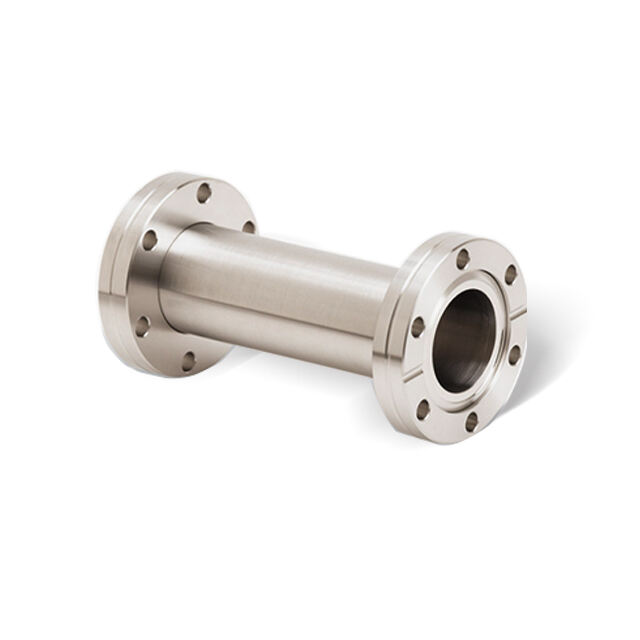
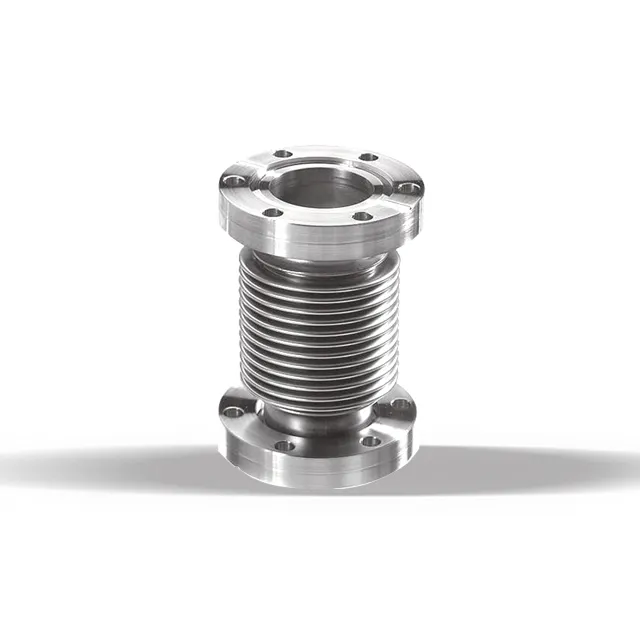
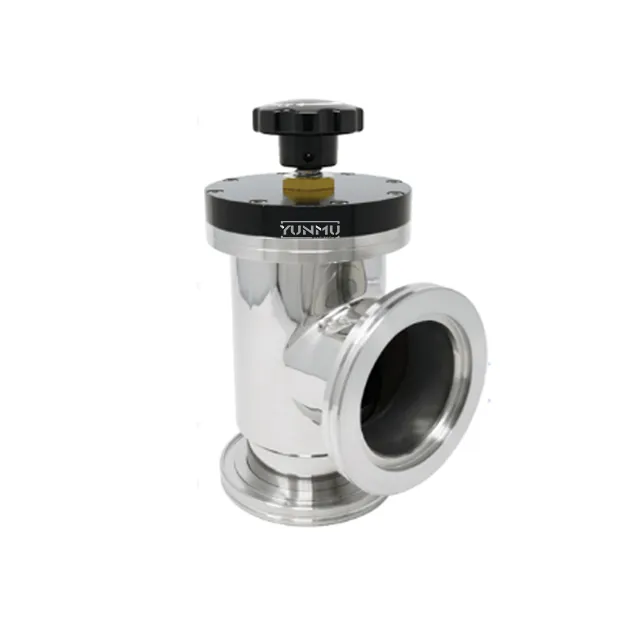
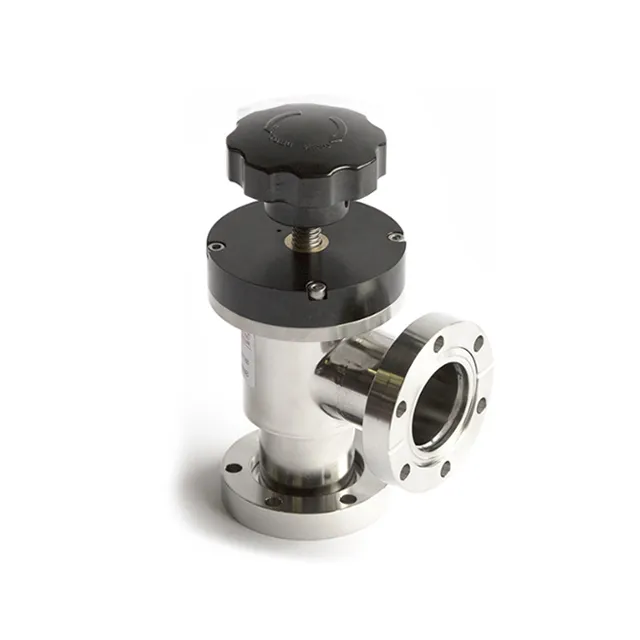
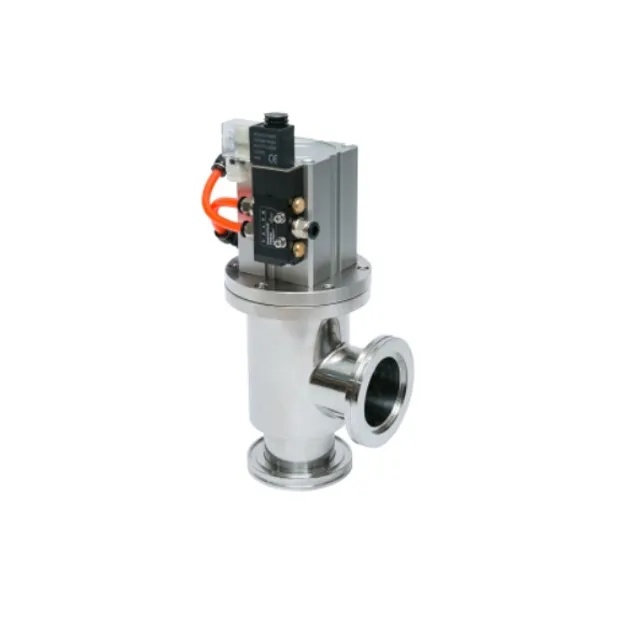
A vacuum inline valve is a precision-engineered flow control device designed specifically for high-vacuum and ultra-high-vacuum systems. This critical component regulates the passage of gases or maintains vacuum integrity within processing chambers, pipelines, and research equipment. The vacuum inline valve features a straight-through design that allows direct installation into vacuum lines without requiring additional flanges or complex mounting configurations. Its construction typically incorporates materials such as stainless steel, aluminum, or specialized alloys that can withstand extreme pressure differentials and corrosive environments. The technological innovation behind the vacuum inline valve includes advanced sealing mechanisms, such as elastomer or metal seals, ensuring leak-tight performance even under demanding operational conditions. These valves utilize various actuation methods including pneumatic, manual, or electromagnetic controls, providing flexibility for different application requirements. The compact inline configuration minimizes pressure drop and turbulence, maintaining optimal vacuum levels throughout the system. Industries ranging from semiconductor manufacturing and pharmaceutical production to aerospace testing and scientific research depend on the vacuum inline valve for maintaining controlled environments. The valve's ability to operate reliably across wide temperature ranges and pressure differentials makes it indispensable for applications requiring precise vacuum management. Modern vacuum inline valve designs incorporate features such as low outgassing materials, bakeable construction for ultra-high-vacuum applications, and rapid response times for dynamic process control, making them essential components in advanced manufacturing and research facilities worldwide.

New Product Recommendations

The vacuum inline valve delivers substantial cost savings by eliminating the need for complex mounting assemblies and reducing installation time significantly. Its straightforward design allows technicians to integrate it directly into existing vacuum lines, cutting labor costs and minimizing system downtime during maintenance or upgrades. The space-efficient footprint proves particularly valuable in cramped manufacturing environments where every square inch matters, enabling you to maximize your facility's productive capacity without compromising vacuum performance. Operational reliability stands as a cornerstone benefit, with the vacuum inline valve offering consistent performance across millions of cycles without degradation. This dependability translates directly to reduced maintenance schedules and fewer unexpected production interruptions, keeping your operations running smoothly and profitably. The valve's rapid actuation speed enhances process control precision, allowing you to achieve tighter tolerances in critical manufacturing steps, which ultimately improves product quality and reduces waste. Energy efficiency represents another practical advantage, as the streamlined flow path minimizes pumping requirements and reduces power consumption compared to traditional valve configurations. For applications requiring cleanroom compatibility, the vacuum inline valve excels with its low particle generation and contamination-free operation, protecting sensitive products and processes. The versatility of the vacuum inline valve makes it suitable for diverse applications from chemical vapor deposition and etching processes to freeze-drying and mass spectrometry systems. Decision-makers appreciate the long service life and minimal total cost of ownership, as durable construction materials resist wear and corrosion effectively. Whether you operate a semiconductor fabrication facility, pharmaceutical production line, or research laboratory, the vacuum inline valve provides the performance consistency and operational simplicity that directly impacts your bottom line while meeting stringent technical requirements.

Latest News

How Does a Vacuum Chamber Support High Precision Manufacturing?

29

May

How Does a Vacuum Chamber Support High Precision Manufacturing?

In high precision manufacturing, even the smallest environmental variable can compromise the integrity of a finished component. Contaminants in the air, fluctuating pressure, and trace moisture are invisible threats that can distort measurements, wea...
View More
How Do Custom Vacuum Systems Support Specialized Manufacturing Needs?

29

May

How Do Custom Vacuum Systems Support Specialized Manufacturing Needs?

In today's advanced manufacturing landscape, standard off-the-shelf equipment often falls short when processes demand precision, repeatability, and environmental control that generic solutions simply cannot deliver. custom vacuum systems have emerged...
View More
Can Custom Vacuum Systems Reduce Long Term Operational Challenges?

29

May

Can Custom Vacuum Systems Reduce Long Term Operational Challenges?

Across manufacturing, research, and industrial processing environments, operational challenges tend to compound over time. Equipment that was selected for general use often reveals its limitations as production demands shift, process tolerances tight...
View More
Why Are Custom Vacuum Systems Important for Precision Automation?

29

May

Why Are Custom Vacuum Systems Important for Precision Automation?

In precision automation, the margin for error is measured in microns, and the environments in which sensitive processes occur must be controlled with exceptional care. custom vacuum systems have become a foundational element in this landscape, enabli...
View More

Get a Free Quote

Our representative will contact you soon.
Email
Name
Company Name
Message
0/1000

vacuum inline valve

Superior Sealing Technology for Leak-Free Performance

Superior Sealing Technology for Leak-Free Performance

The vacuum inline valve incorporates advanced sealing technology that guarantees absolute leak-tight performance even under extreme vacuum conditions. This engineering excellence stems from carefully selected seal materials and precision-machined sealing surfaces that create a reliable barrier against atmospheric contamination. The sealing system accommodates both soft elastomer seals for standard vacuum applications and metal seals for ultra-high-vacuum environments requiring bakeout procedures at elevated temperatures. This adaptability ensures the vacuum inline valve maintains integrity across leak rates as low as 1x10^-9 mbar·l/s, meeting the most stringent industry standards. The multi-layer sealing approach provides redundancy, so even if one seal experiences minor degradation, the backup mechanisms maintain system integrity until scheduled maintenance. Users benefit from extended intervals between seal replacements, reducing operational interruptions and maintenance costs substantially. The proven sealing technology also withstands thermal cycling and chemical exposure common in industrial processes, ensuring consistent performance throughout the valve's operational lifetime. This reliability eliminates costly production losses associated with vacuum leaks and contamination events, providing peace of mind for mission-critical applications where process purity cannot be compromised.
Minimal Flow Restriction for Optimal System Efficiency

Minimal Flow Restriction for Optimal System Efficiency

The inline configuration of the vacuum inline valve creates a straight-through flow path that minimizes pressure drop and turbulence within your vacuum system. Traditional angle valves and complex geometries create flow restrictions that force vacuum pumps to work harder, consuming more energy and potentially limiting achievable vacuum levels. The vacuum inline valve eliminates these inefficiencies through its optimized internal geometry, allowing gases to pass with minimal resistance. This design advantage translates to faster pump-down times, enabling you to begin production cycles more quickly and increase throughput. The reduced conductance losses mean you can achieve lower ultimate pressures with existing pumping equipment or maintain target vacuum levels with smaller, less expensive pumps. Engineers particularly value this characteristic in large-scale vacuum systems where cumulative pressure drops across multiple components significantly impact overall performance. The streamlined flow path also reduces particle entrapment zones where contaminants might accumulate, contributing to cleaner processes and higher product yields. For applications involving corrosive or reactive gases, the smooth internal surfaces resist chemical attack and simplify cleaning procedures. The vacuum inline valve thus delivers measurable performance improvements that directly enhance your system's operational efficiency while reducing energy costs and environmental impact throughout its service life.
Versatile Actuation Options for Application Flexibility

Versatile Actuation Options for Application Flexibility

The vacuum inline valve accommodates multiple actuation methods, allowing you to select the control mechanism that best matches your operational requirements and existing infrastructure. Pneumatic actuation provides rapid, automated response ideal for high-throughput manufacturing environments where cycle times drive productivity. These pneumatically-actuated vacuum inline valve configurations integrate seamlessly with programmable logic controllers and process automation systems, enabling sophisticated sequencing and interlock strategies. Manual actuation options offer simplicity and reliability for research applications or locations without compressed air availability, giving operators direct tactile control over vacuum isolation. Electromagnetic actuation delivers precise positioning and energy-efficient operation, particularly beneficial for battery-powered portable equipment or applications requiring low heat generation. Some vacuum inline valve models feature combination actuation systems with manual override capabilities, ensuring operational continuity even during power or air supply interruptions. The flexibility extends to position feedback options, with integrated sensors providing real-time valve status information to your control systems for enhanced process monitoring and diagnostic capabilities. This adaptability means you can standardize on the vacuum inline valve platform across diverse applications while customizing actuation to meet specific needs. Whether you require millisecond response times for dynamic pressure control or simple isolation functionality, the available actuation variants ensure the vacuum inline valve integrates effectively into your unique operational environment.

Have questions about the company?

Get a Free Quote

Our representative will contact you soon.
Email
Name
Company Name
Message
0/1000

Get a Free Quote

Our representative will contact you soon.
Email
Name
Company Name
Message
0/1000

Get a Free Quote

Our representative will contact you soon.
Email
Name
Company Name
Message
0/1000