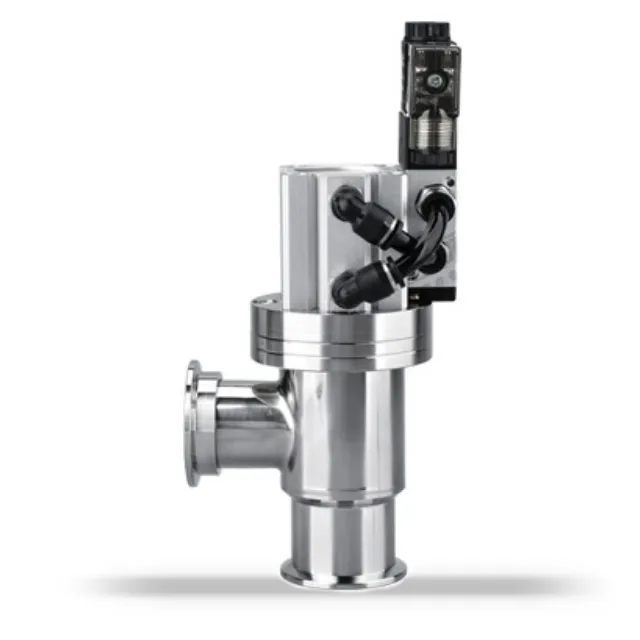
Electromagnetic Vacuum Valve - Precision Control

All Categories

electromagnetic vacuum valve

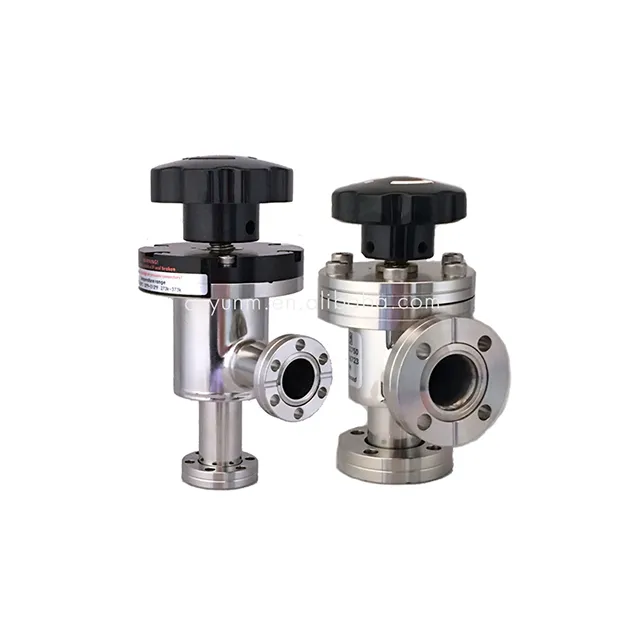
An electromagnetic vacuum valve is a precision control device designed to regulate gas flow and pressure in vacuum systems through electromagnetic actuation. This specialized valve combines electromagnetic coil technology with vacuum-compatible materials to provide reliable, repeatable control in low-pressure environments. The electromagnetic vacuum valve operates by energizing a solenoid coil that moves a plunger or armature, opening or closing the valve passage to control gas flow. These valves are engineered to maintain vacuum integrity while providing fast response times and precise flow control. The main functions include isolating vacuum chambers, controlling process gas delivery, regulating pressure levels, and protecting vacuum pumps from atmospheric exposure. Technological features of the electromagnetic vacuum valve include bakeable designs for ultra-high vacuum applications, corrosion-resistant materials such as stainless steel and aluminum, and compatibility with various actuation voltages. Many models incorporate manual override capabilities, position indicators, and multiple port configurations. The electromagnetic vacuum valve finds extensive applications across semiconductor manufacturing, where it controls process gases during wafer fabrication, analytical instrumentation including mass spectrometers and electron microscopes, research laboratories conducting materials science experiments, and industrial vacuum coating systems. These valves are also essential in freeze-drying equipment, vacuum furnaces, and leak detection systems. The versatility and reliability of the electromagnetic vacuum valve make it indispensable for any application requiring controlled gas management in vacuum conditions, from rough vacuum to ultra-high vacuum ranges.

Popular Products

The electromagnetic vacuum valve delivers significant cost savings through reduced maintenance requirements and extended operational life compared to pneumatic alternatives. These valves eliminate the need for compressed air systems, reducing energy consumption and infrastructure costs while simplifying installation procedures. Operators benefit from instantaneous response times, with most electromagnetic vacuum valve models achieving full actuation in milliseconds, enabling precise process control and improved productivity. The compact design saves valuable space in crowded equipment configurations, while the simple two-wire electrical connection streamlines integration into existing control systems. Buyers gain decision confidence knowing that the electromagnetic vacuum valve provides consistent, repeatable performance across millions of cycles without drift or degradation. The fail-safe design options, including normally closed and normally open configurations, ensure system protection during power interruptions. Practical operational benefits include silent operation without air exhaust noise, compatibility with automated control systems and programmable logic controllers, and the ability to function effectively across wide temperature ranges. The electromagnetic vacuum valve suits diverse applications from clean room environments where pneumatic exhaust would introduce contamination, to remote installations where compressed air infrastructure is impractical. Users appreciate the straightforward troubleshooting enabled by simple electrical diagnostics, reducing downtime and maintenance costs. The valve's vacuum-tight seal integrity prevents costly product loss and contamination issues while maintaining process purity. Investment in an electromagnetic vacuum valve translates to lower total cost of ownership through reduced utility expenses, minimal spare parts inventory, and decreased service intervals, making it the economically sound choice for demanding vacuum applications requiring reliability and precision.

Practical Tips

How Can Vacuum Technology Improve Process Stability and Output?

29

May

How Can Vacuum Technology Improve Process Stability and Output?

In modern industrial manufacturing, process stability and consistent output are not optional goals — they are operational necessities. vacuum technology has emerged as one of the most reliable engineering tools for achieving both. By removing gas mol...
View More
Why Are Stainless Steel Vacuum Fittings Preferred in Harsh Environments?

29

May

Why Are Stainless Steel Vacuum Fittings Preferred in Harsh Environments?

In industrial and scientific settings where reliability is non-negotiable, the choice of vacuum fittings can determine whether a system performs flawlessly or fails under pressure. Stainless steel has emerged as the dominant material for vacuum fitti...
View More
Which Vacuum Accessories Improve Industrial Process Reliability Most?

29

May

Which Vacuum Accessories Improve Industrial Process Reliability Most?

In high-demand industrial environments, the performance of a vacuum system is rarely determined by the pump alone. The supporting components — the vacuum accessories that seal, connect, isolate, and protect every part of the system — are what separat...
View More
How Can Edge Welded Bellow Systems Improve Vacuum Performance?

04

Jun

How Can Edge Welded Bellow Systems Improve Vacuum Performance?

In high-precision vacuum environments, even the smallest mechanical compromise can lead to significant performance degradation. The edge welded bellow has emerged as one of the most reliable solutions for maintaining vacuum integrity while accommodat...
View More

Get a Free Quote

Our representative will contact you soon.
Email
Name
Company Name
Message
0/1000

electromagnetic vacuum valve

Rapid Response Electromagnetic Actuation Technology

Rapid Response Electromagnetic Actuation Technology

The electromagnetic vacuum valve utilizes advanced solenoid coil technology that delivers unmatched actuation speed and precision control. When electrical current energizes the coil, it generates a magnetic field that instantly moves the internal armature, opening or closing the valve passage in mere milliseconds. This rapid response capability enables precise timing in automated processes, critical for applications like semiconductor etching where gas delivery timing directly impacts product quality. The electromagnetic design eliminates moving parts associated with pneumatic actuators, reducing mechanical wear and extending service life beyond ten million cycles. The direct electromagnetic actuation provides consistent force regardless of supply pressure variations, ensuring reliable sealing performance throughout the valve's operational life. This technology allows the electromagnetic vacuum valve to maintain vacuum integrity even under challenging conditions, with leak rates typically below 1x10^-9 mbar·l/s for high-vacuum applications. The energy-efficient design consumes power only during actuation state changes, with holding current requirements significantly lower than initial activation current, reducing operational costs and heat generation in sensitive environments.
Vacuum-Optimized Material Construction

Vacuum-Optimized Material Construction

Every electromagnetic vacuum valve is constructed using specially selected materials engineered to perform reliably in demanding vacuum environments. The valve body is typically machined from 304 or 316 stainless steel, providing excellent corrosion resistance against process gases while maintaining structural integrity across temperature extremes from cryogenic to 200°C. Internal sealing components utilize advanced elastomers like Viton or perfluoroelastomers for chemical compatibility, or metal seals for ultra-high vacuum and high-temperature applications requiring bakeout procedures. The electromagnetic vacuum valve design minimizes virtual leak paths through careful attention to internal volume reduction and optimized port geometries. Surface finishes are precisely controlled, with electropolished options available for critical cleanliness requirements in pharmaceutical and semiconductor applications. The materials are selected for low outgassing properties, ensuring that the electromagnetic vacuum valve itself does not compromise vacuum quality or contaminate sensitive processes. Magnetic materials in the actuator assembly are optimized for maximum force generation while minimizing hysteresis effects that could impact repeatability. This comprehensive material engineering approach ensures that each electromagnetic vacuum valve delivers consistent performance across its entire service life.
Versatile Integration and Control Flexibility

Versatile Integration and Control Flexibility

The electromagnetic vacuum valve offers exceptional flexibility for integration into diverse vacuum systems and control architectures. Standard electrical interfaces accept common voltage ranges including 24VDC, 110VAC, and 220VAC, with custom voltage options available for specialized applications. The simple two-wire connection enables straightforward integration with programmable logic controllers, distributed control systems, and standalone controllers without requiring complex pneumatic plumbing or air preparation equipment. Many electromagnetic vacuum valve models include integrated position feedback sensors that provide real-time valve status confirmation to control systems, enhancing process monitoring and diagnostic capabilities. The valve can be configured with normally open, normally closed, or bistable actuation modes to match specific safety requirements and process logic. Manual override mechanisms allow operators to manually actuate the electromagnetic vacuum valve during maintenance procedures or emergency situations without electrical power. Mounting flexibility is enhanced through multiple orientation options and standardized flange connections including KF, ISO, and ConFlat formats that ensure compatibility with existing vacuum hardware. This design versatility allows the electromagnetic vacuum valve to adapt seamlessly to both new system designs and retrofit applications, reducing engineering time and installation complexity while providing the control precision demanded by modern vacuum processes.

Have questions about the company?

Get a Free Quote

Our representative will contact you soon.
Email
Name
Company Name
Message
0/1000

Get a Free Quote

Our representative will contact you soon.
Email
Name
Company Name
Message
0/1000

Get a Free Quote

Our representative will contact you soon.
Email
Name
Company Name
Message
0/1000