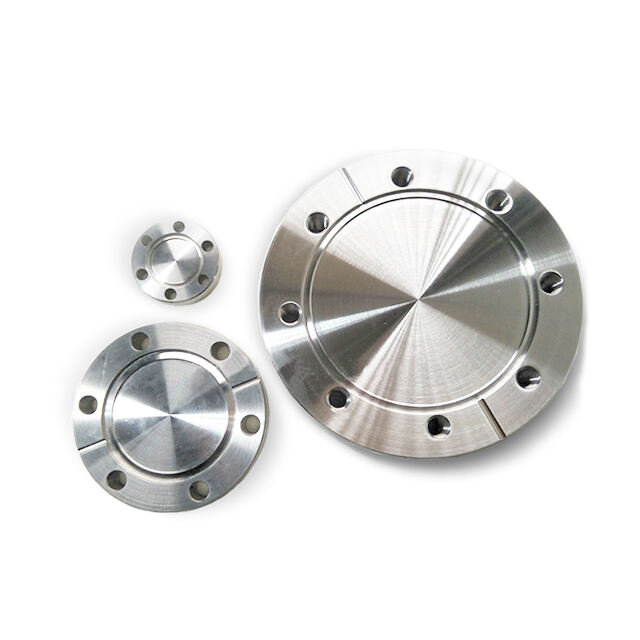
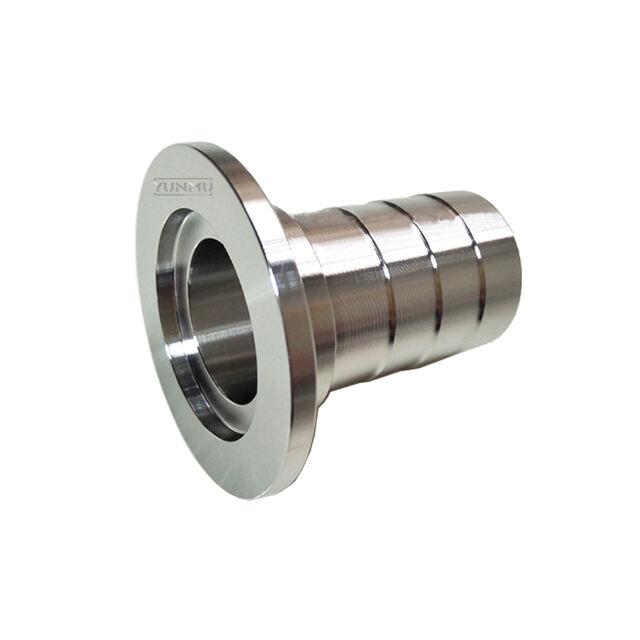
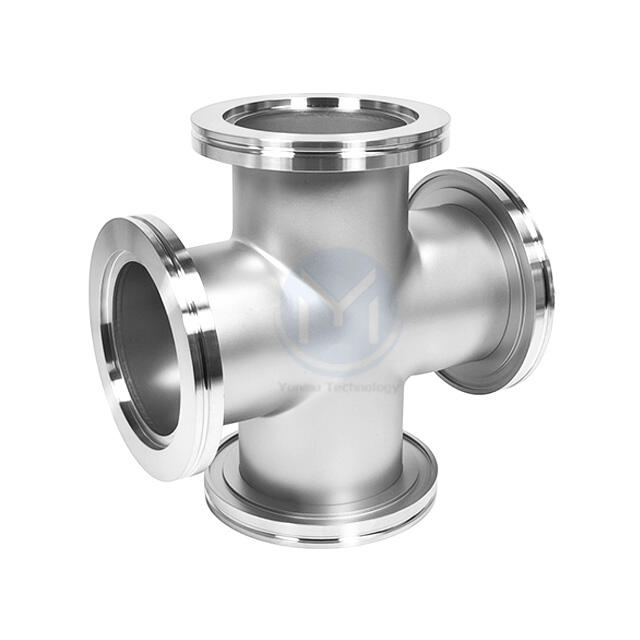
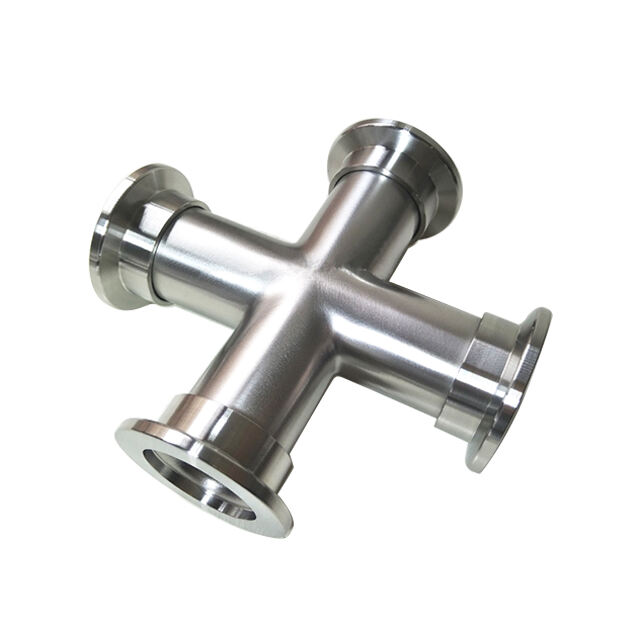
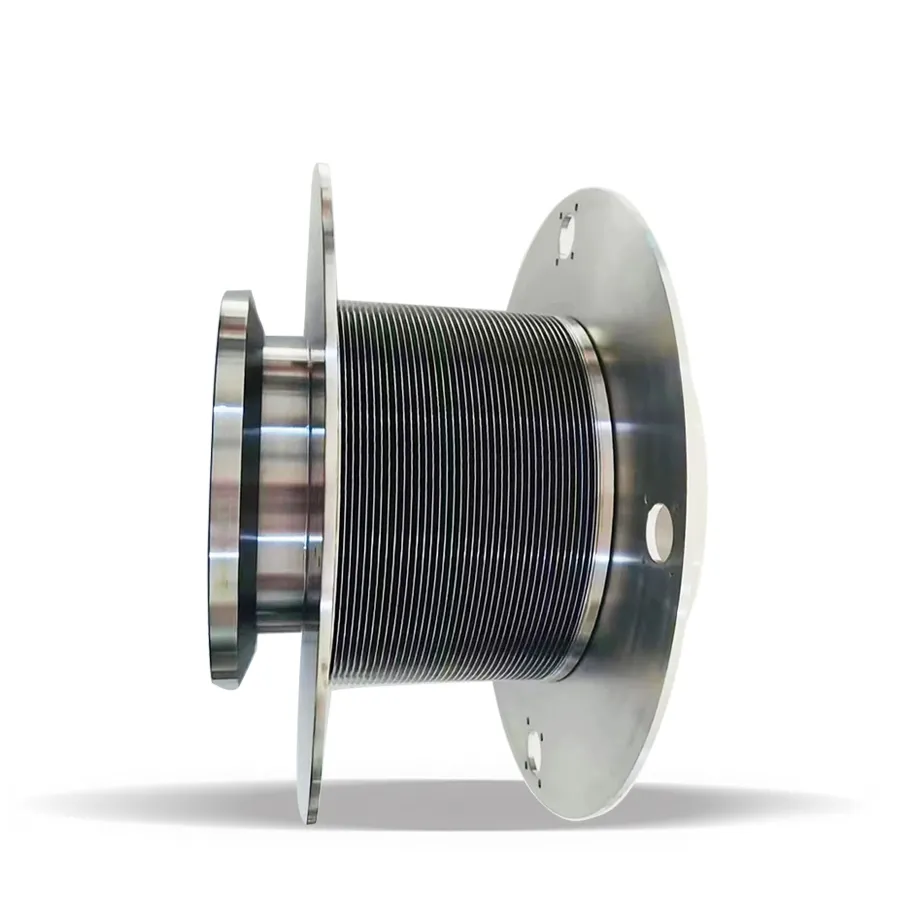
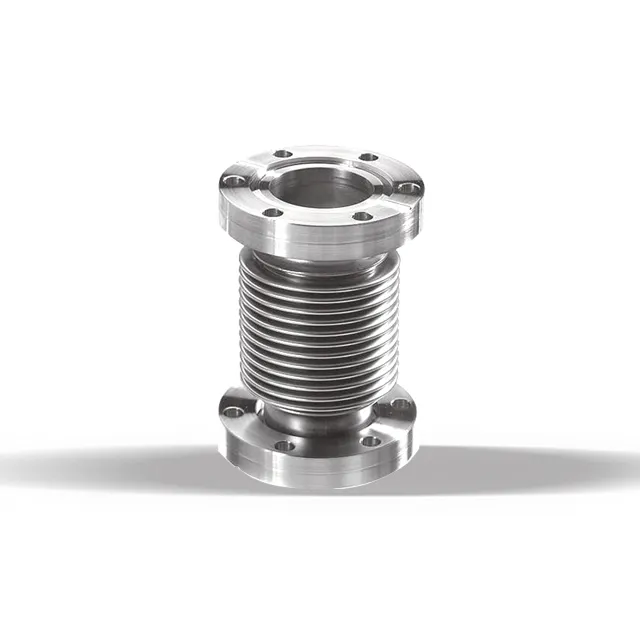
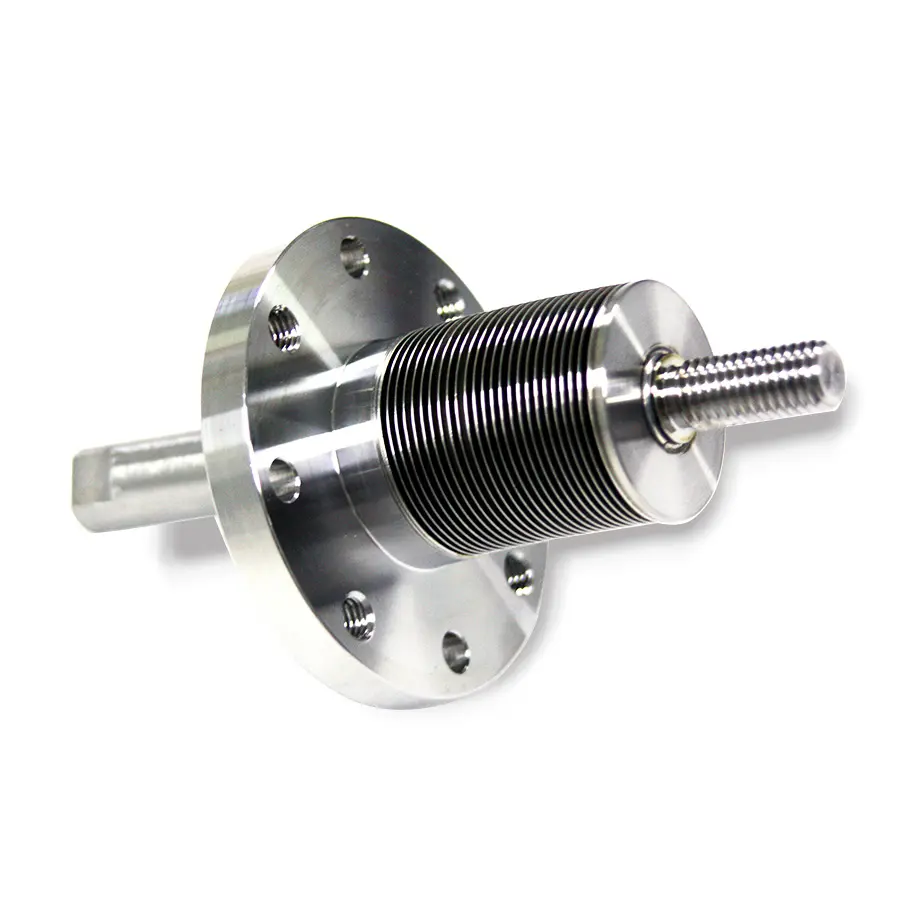
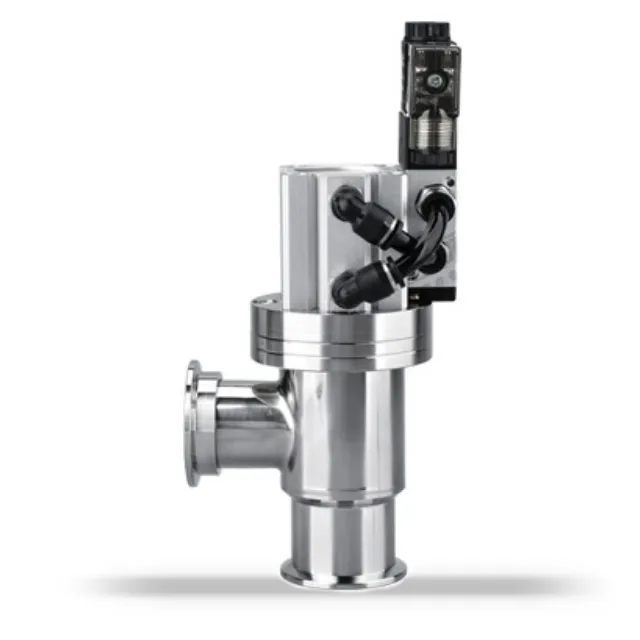
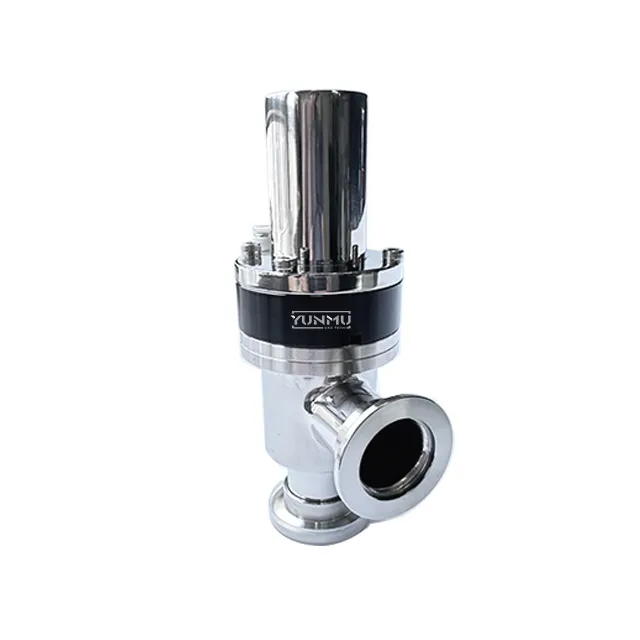
high vacuum valve
A high vacuum valve is a precision-engineered component designed to control gas flow in systems operating under extremely low pressure conditions, typically ranging from 10^-3 to 10^-9 mbar. These specialized valves play a critical role in maintaining vacuum integrity across industrial and scientific applications where contamination control and pressure regulation are essential. The high vacuum valve incorporates advanced sealing technologies, corrosion-resistant materials, and leak-tight construction to ensure reliable performance in demanding environments. Modern designs feature all-metal seals, elastomer seals, or magnetic coupling mechanisms that eliminate external leakage while providing smooth operation. The technological features include low outgassing rates, minimal dead volume, bakeable construction for ultra-high vacuum applications, and compatibility with various actuator types including manual, pneumatic, and electric drives. These valves are manufactured from stainless steel, aluminum alloys, or specialized materials that withstand aggressive process gases and high-temperature bake-out procedures. Applications span semiconductor manufacturing, thin-film deposition systems, mass spectrometry, particle accelerators, space simulation chambers, analytical instruments, and research laboratories. The high vacuum valve ensures contamination-free processing, enables precise pressure control, and supports system isolation during maintenance operations, making it indispensable for processes requiring ultra-clean environments and stable vacuum conditions.
 EN
EN