vacuum angle valve
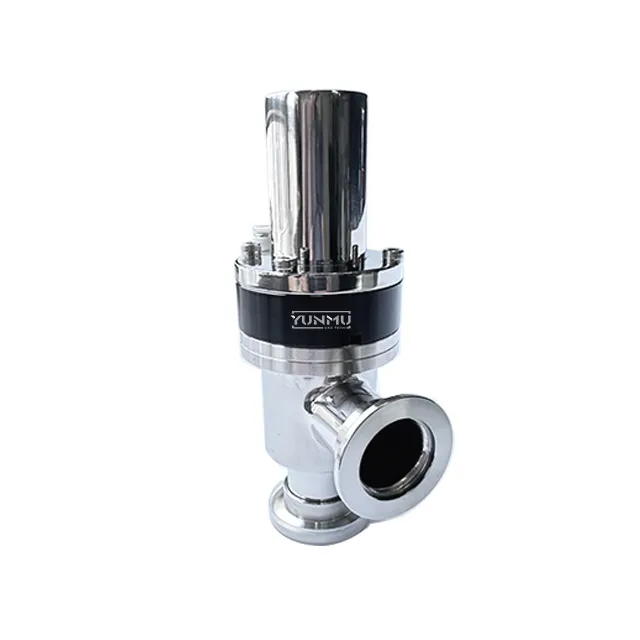
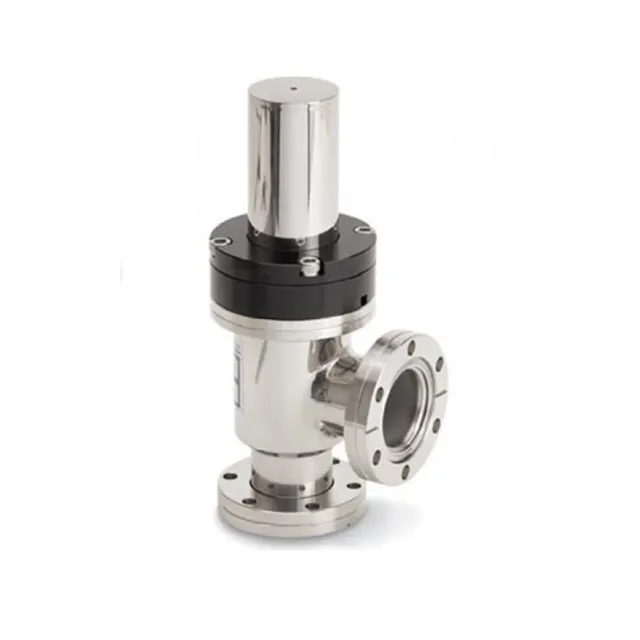
A vacuum angle valve is a specialized component designed to control and regulate gas flow in high-vacuum and ultra-high-vacuum systems. This precision-engineered valve features a unique angled body configuration that allows for perpendicular connection between the inlet and outlet ports, typically positioned at 90 degrees to each other. The vacuum angle valve serves as a critical control element in vacuum chambers, coating equipment, semiconductor manufacturing systems, and research applications where maintaining precise vacuum conditions is essential. Its primary functions include isolating vacuum chambers, controlling gas admission, and protecting pumps from atmospheric pressure. The technological design incorporates high-quality sealing materials such as fluoroelastomers or metal seals to ensure leak-tight performance even under extreme vacuum conditions reaching 10^-9 mbar. The valve body is typically constructed from stainless steel or aluminum alloy to resist corrosion and outgassing, which could compromise vacuum integrity. The vacuum angle valve operates through pneumatic, manual, or electromagnetic actuation mechanisms, allowing operators to open or close the flow path with precision. Advanced models feature bakeable designs that can withstand elevated temperatures during system degassing procedures. Applications span across analytical instrumentation, particle accelerators, thin-film deposition systems, and industrial vacuum processing equipment. The compact angled design saves valuable installation space while providing reliable shutoff capability, making the vacuum angle valve an indispensable component in modern vacuum technology systems requiring dependable flow control and chamber isolation.
 EN
EN