vacuum chamber technology
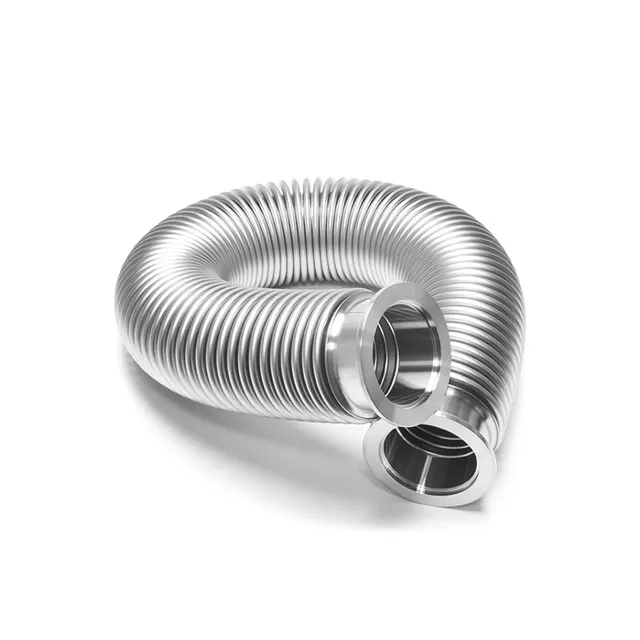
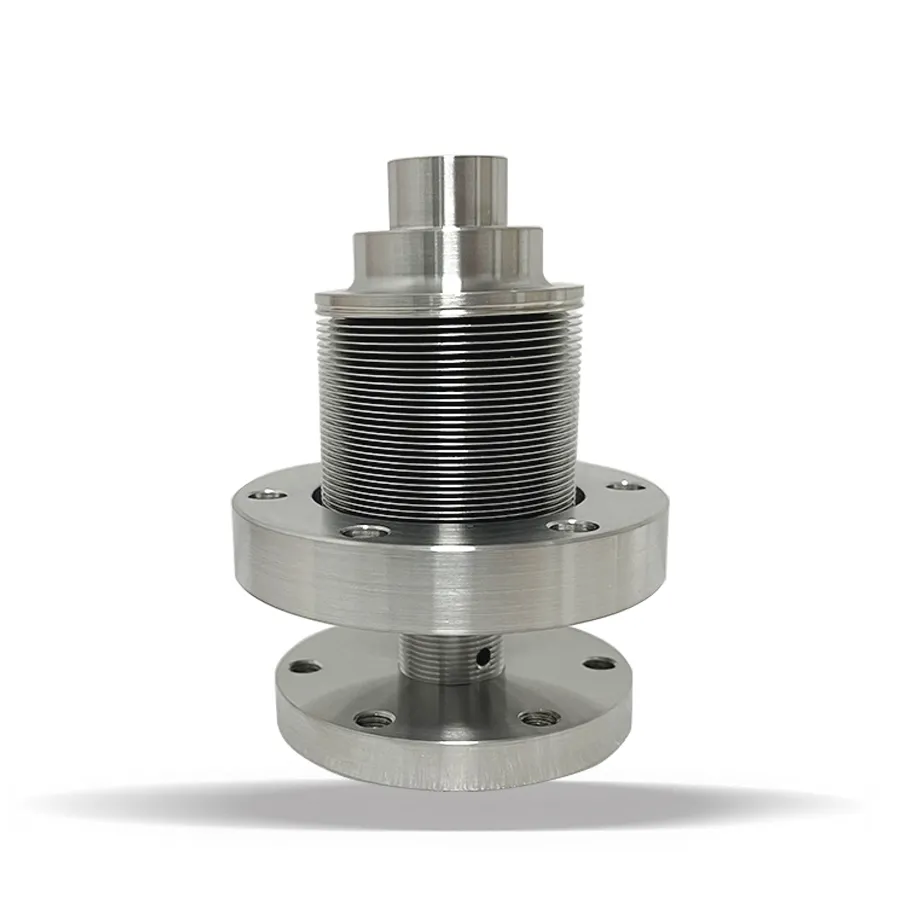
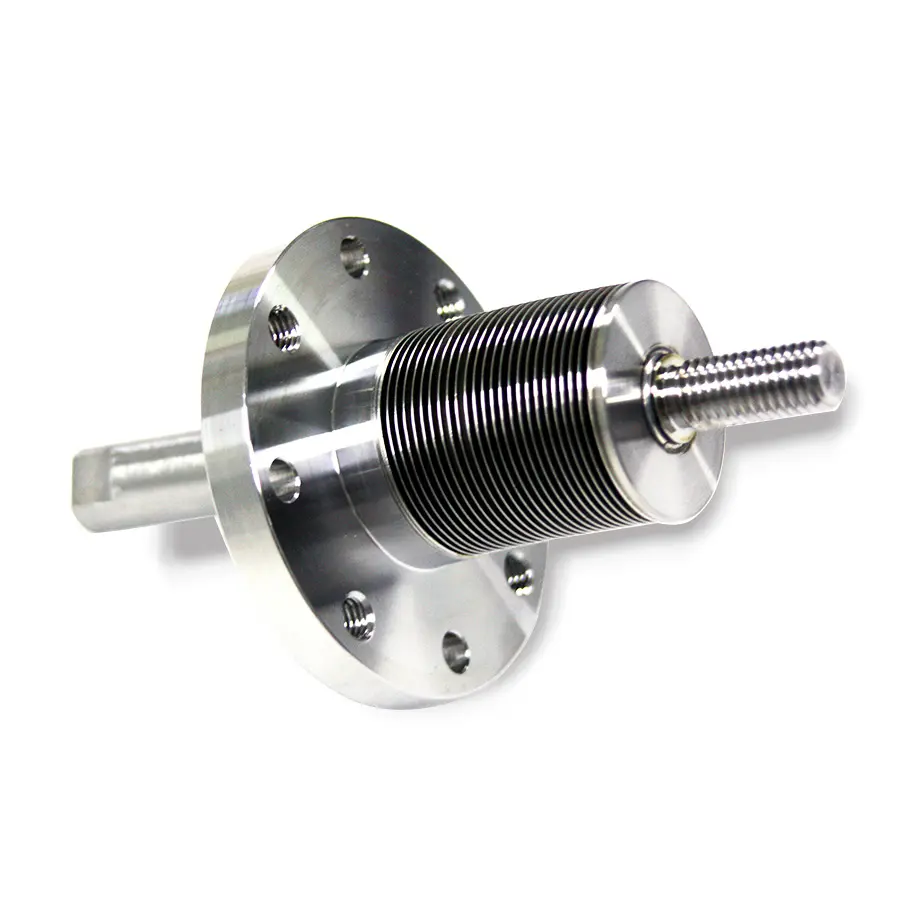
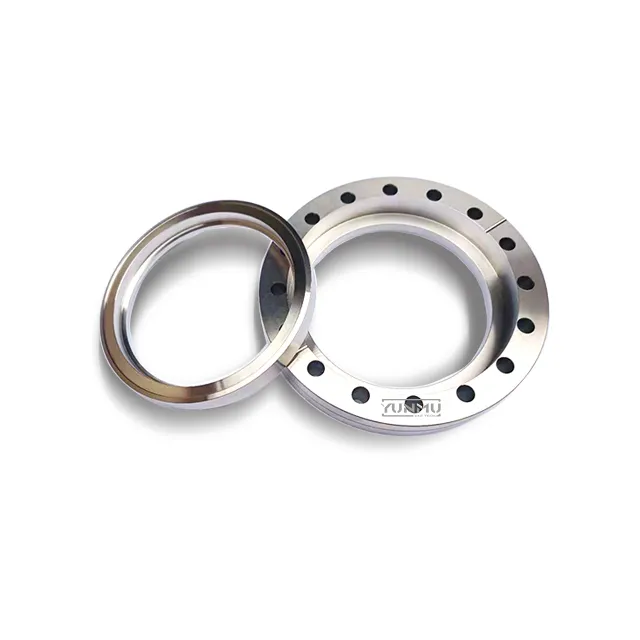
Vacuum chamber technology represents a sophisticated engineering solution designed to create and maintain controlled low-pressure environments for various industrial, scientific, and manufacturing applications. This technology utilizes sealed enclosures equipped with vacuum pumps and pressure monitoring systems to remove air and gases, achieving pressure levels significantly below atmospheric conditions. The main functions include creating contamination-free environments, enabling precise material processing, facilitating scientific research, and supporting advanced manufacturing processes. Vacuum chamber technology features robust construction using materials such as stainless steel or aluminum, equipped with specialized ports for instrumentation, feedthroughs for electrical connections, and viewing windows for observation. Modern systems incorporate digital pressure gauges, automated control systems, and safety interlocks to ensure reliable operation. The technological features encompass rapid pump-down capabilities, excellent seal integrity, temperature control options, and customizable configurations to meet specific application requirements. Applications span across semiconductor manufacturing, where vacuum chamber technology enables thin-film deposition and etching processes, to aerospace testing for simulating space conditions. The technology serves pharmaceutical freeze-drying operations, metallurgical heat treatment processes, research laboratories conducting surface science studies, and coating industries applying protective or decorative finishes. Additional applications include electron microscopy, mass spectrometry, vacuum packaging, and materials testing under controlled atmospheric conditions, making vacuum chamber technology an indispensable tool across multiple sectors.
 EN
EN