ultra high vacuum technology
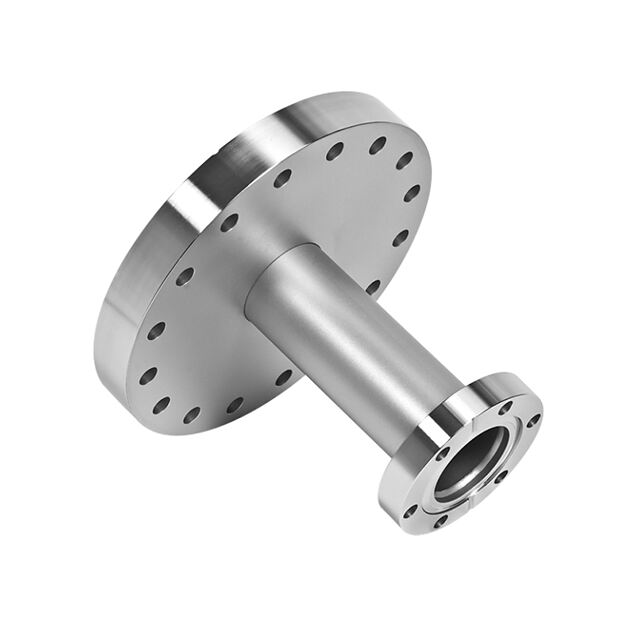
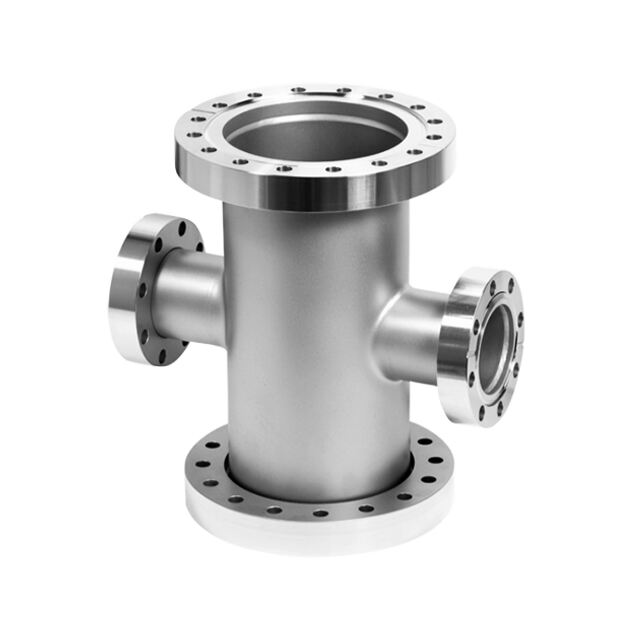
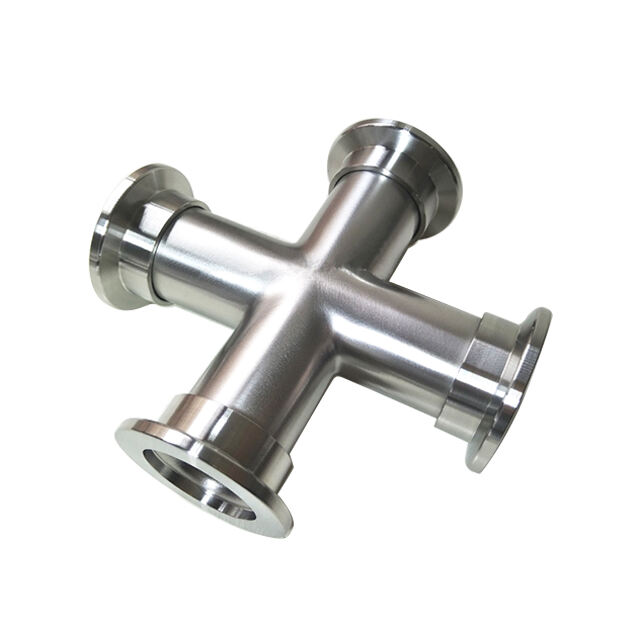
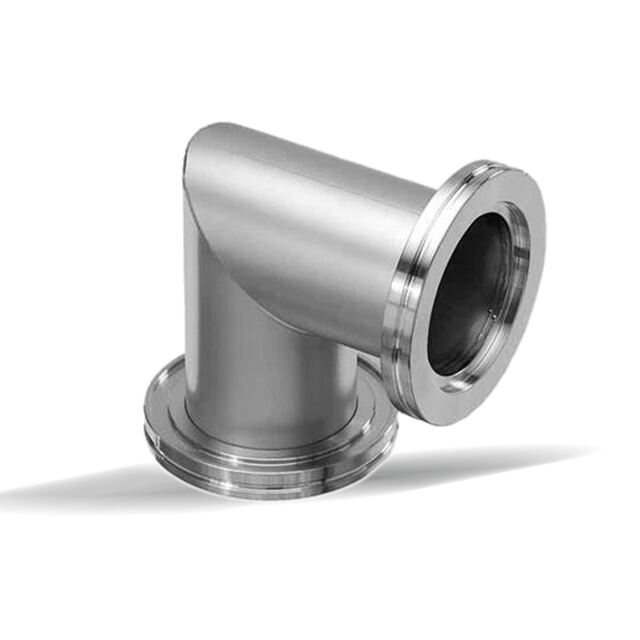
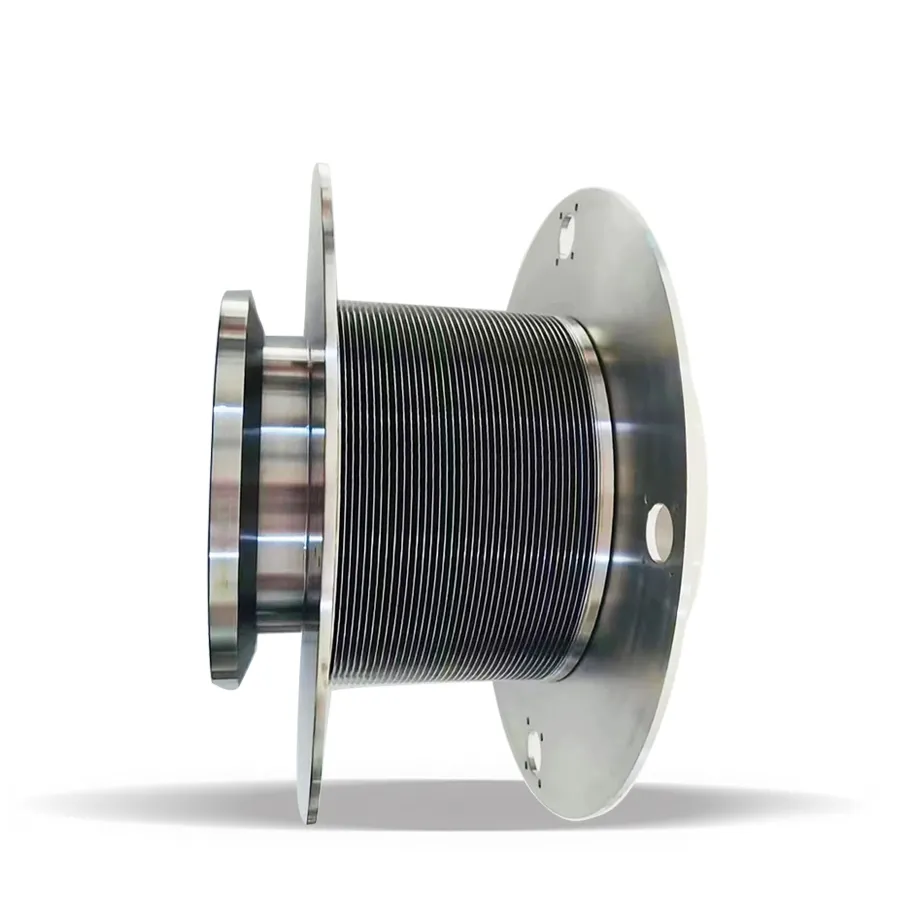
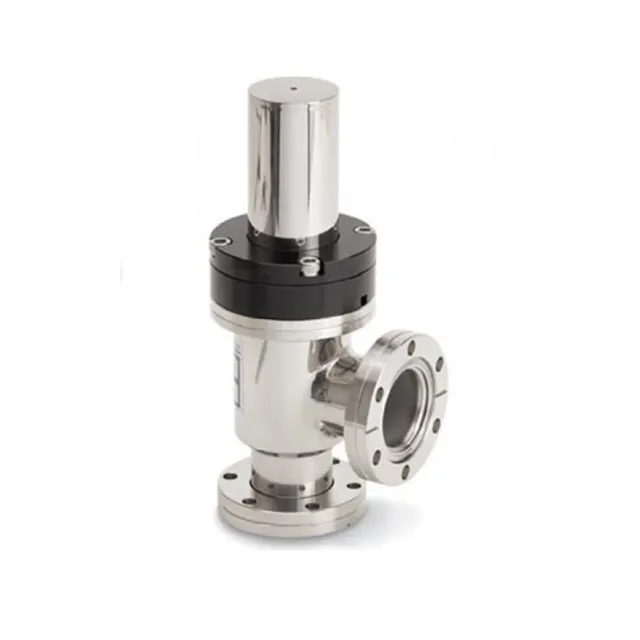
Ultra high vacuum technology represents a sophisticated approach to creating and maintaining extremely low-pressure environments, typically defined as pressures below 10^-7 Pascal. This advanced technology plays a crucial role in modern scientific research, semiconductor manufacturing, and various industrial applications where atmospheric contamination must be eliminated. Ultra high vacuum technology utilizes specialized pumping systems, precision-engineered chambers, and advanced materials to achieve pressure levels millions of times lower than atmospheric pressure. The main functions include removing residual gases, preventing contamination, enabling surface science studies, and facilitating thin-film deposition processes. Key technological features encompass turbomolecular pumps, ion pumps, titanium sublimation pumps, and bakeable stainless steel chambers with specialized sealing mechanisms. The technology incorporates precise pressure measurement instruments such as ionization gauges and residual gas analyzers to monitor vacuum quality continuously. Applications span across particle accelerators, electron microscopes, mass spectrometers, molecular beam epitaxy systems, and space simulation chambers. Ultra high vacuum technology enables researchers to study material properties at the atomic level, manufacturers to produce high-purity semiconductors, and engineers to test spacecraft components under conditions mimicking outer space. The systems require meticulous design considerations including low outgassing materials, proper cleaning procedures, and strategic pump placement to achieve optimal performance and maintain ultra-clean environments essential for cutting-edge technological advancement.
 EN
EN