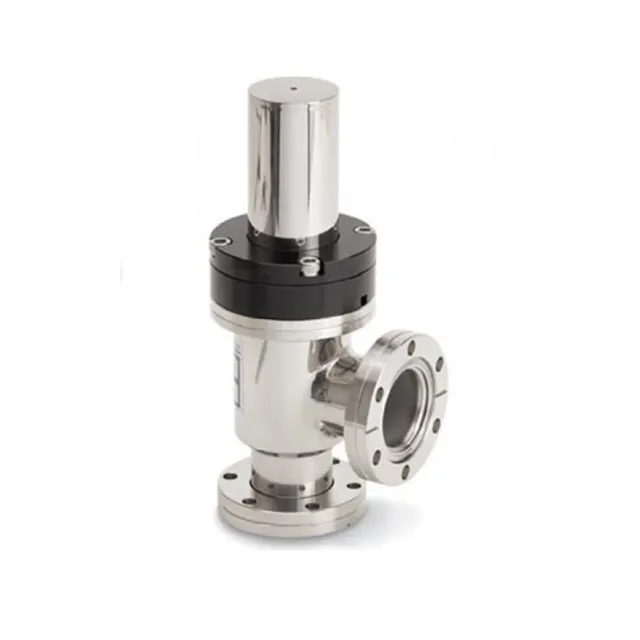
high vacuum systems
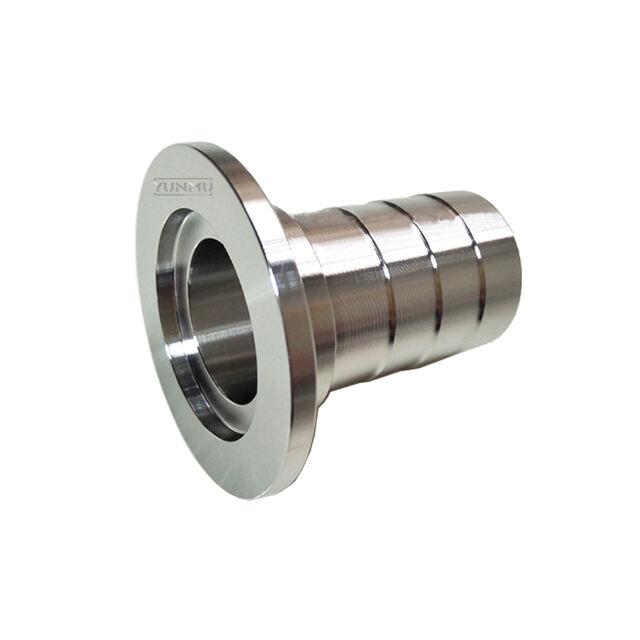
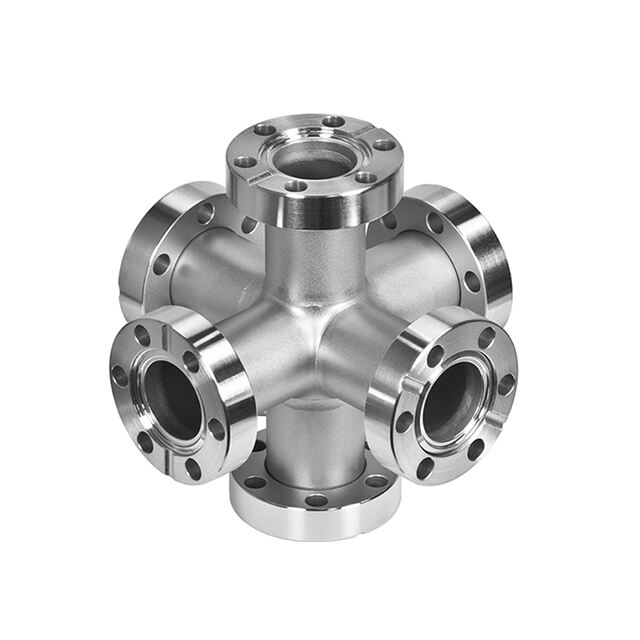
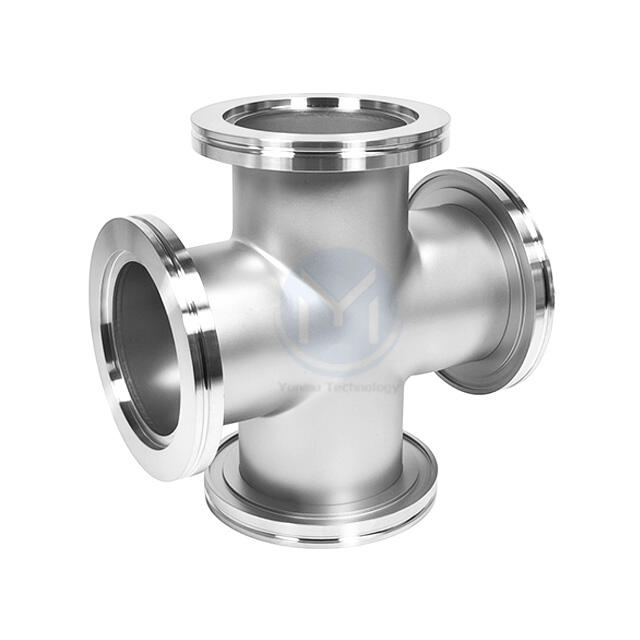
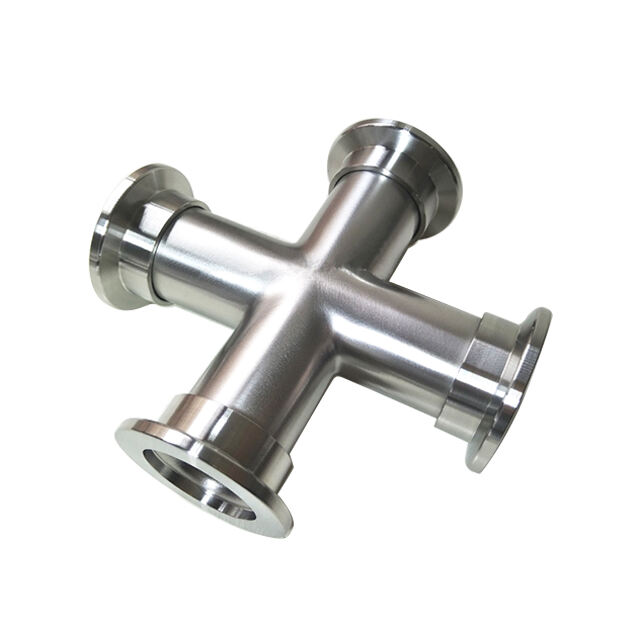
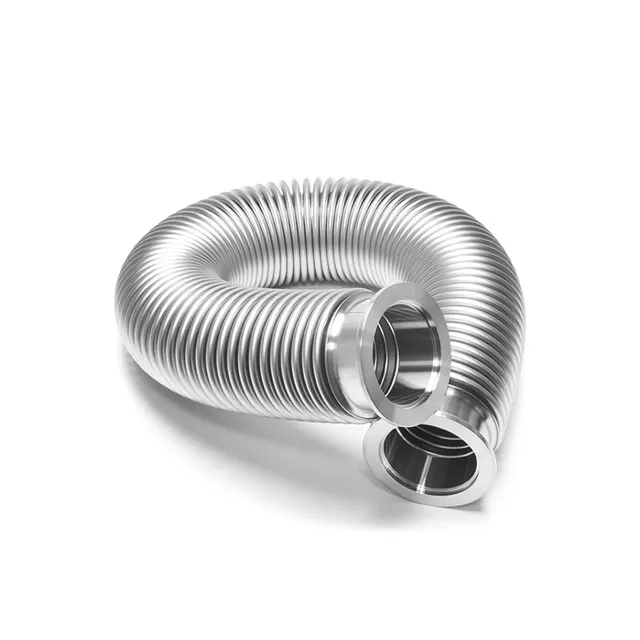
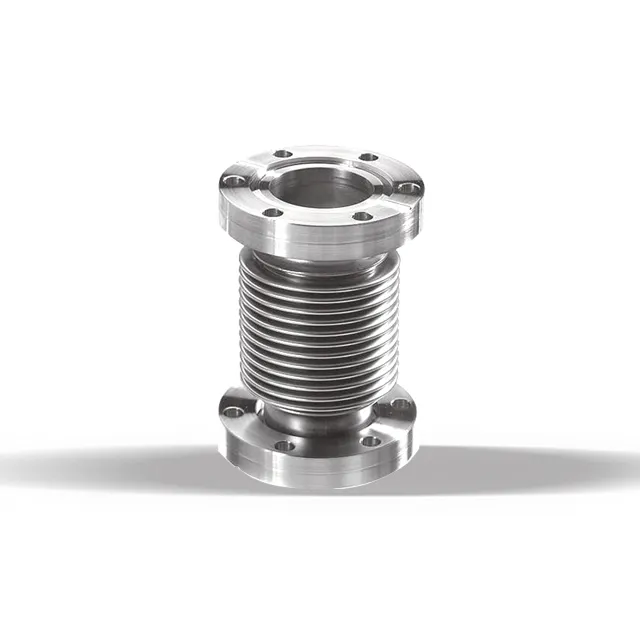
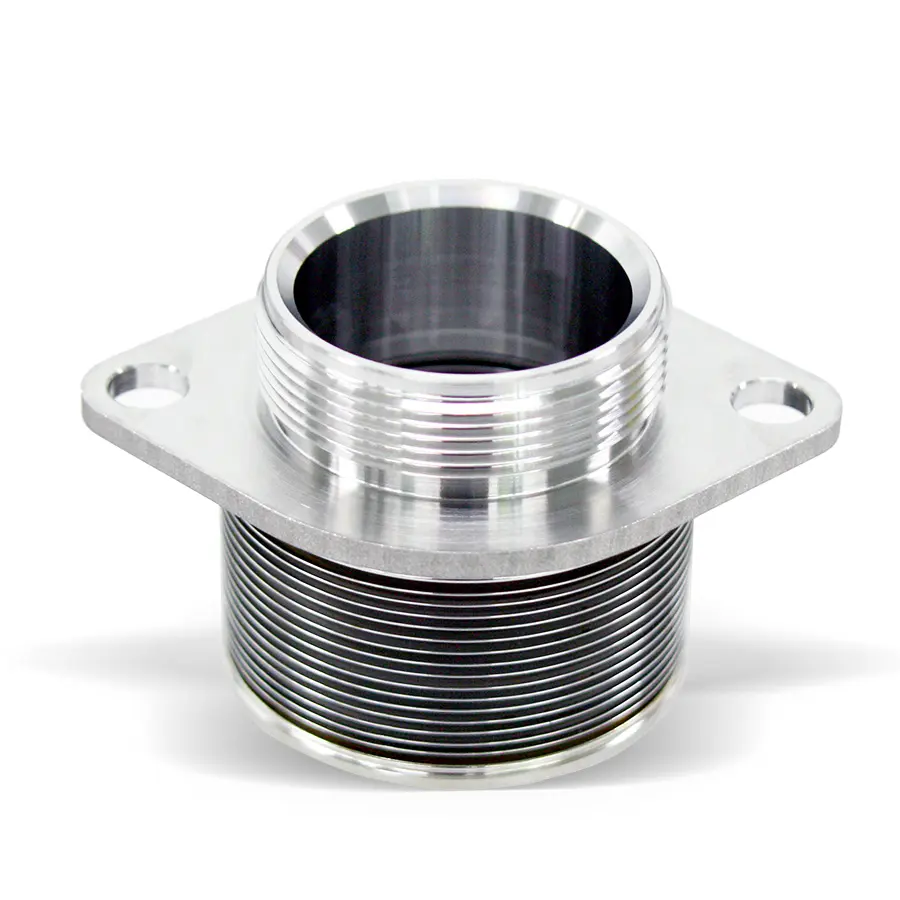
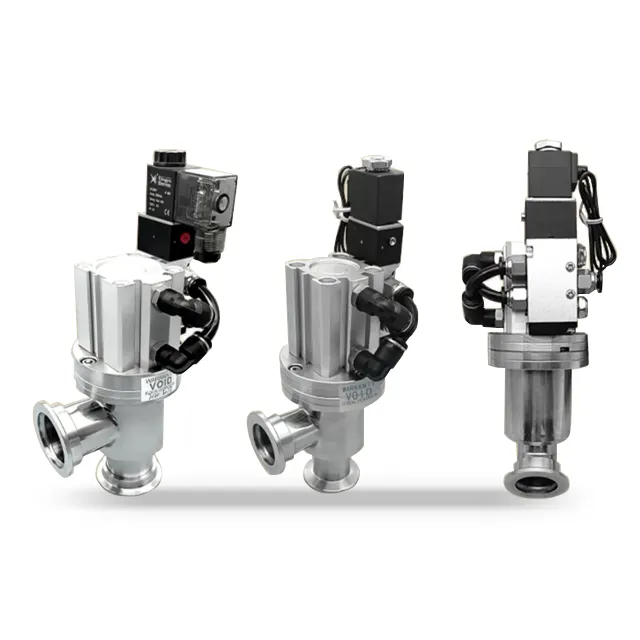
High vacuum systems are advanced technological solutions designed to create and maintain extremely low-pressure environments, typically ranging from 10^-3 to 10^-9 torr. These sophisticated systems play a crucial role in numerous industrial and scientific applications where atmospheric pressure must be significantly reduced to enable specific processes or prevent contamination. High vacuum systems consist of several integrated components including vacuum pumps, gauges, valves, chambers, and control mechanisms that work together to evacuate air and gases from sealed environments. The main functions include precise pressure control, rapid evacuation of chambers, detection and prevention of leaks, and maintenance of stable vacuum conditions over extended periods. Technologically, these systems incorporate multiple pumping stages, often combining roughing pumps with turbomolecular or diffusion pumps to achieve ultra-low pressures. Modern high vacuum systems feature automated controls, real-time monitoring capabilities, and advanced sealing technologies that ensure optimal performance. Applications span across semiconductor manufacturing, thin-film deposition, electron microscopy, space simulation testing, particle accelerators, analytical instruments, and materials research. The versatility of high vacuum systems makes them indispensable in producing microelectronics, developing advanced materials, conducting scientific research, and manufacturing high-precision components. Their ability to create contamination-free environments enables breakthrough innovations in nanotechnology, surface science, and quantum computing, making high vacuum systems essential infrastructure for cutting-edge technological advancement.
 EN
EN