vacuum system technology
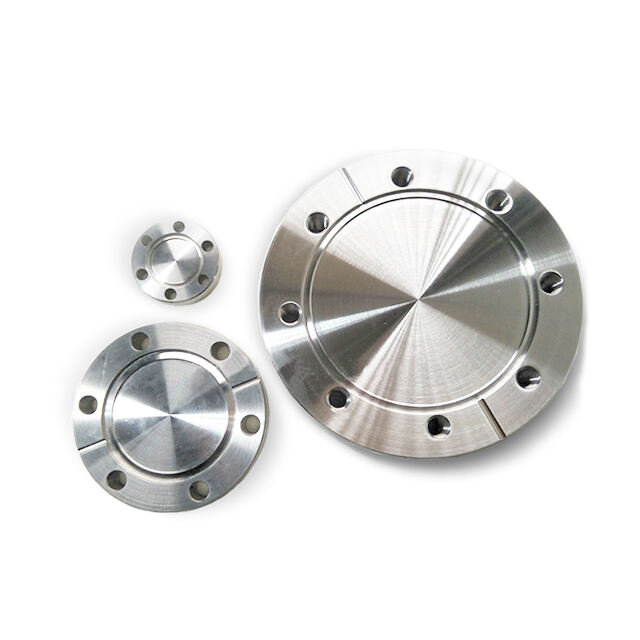
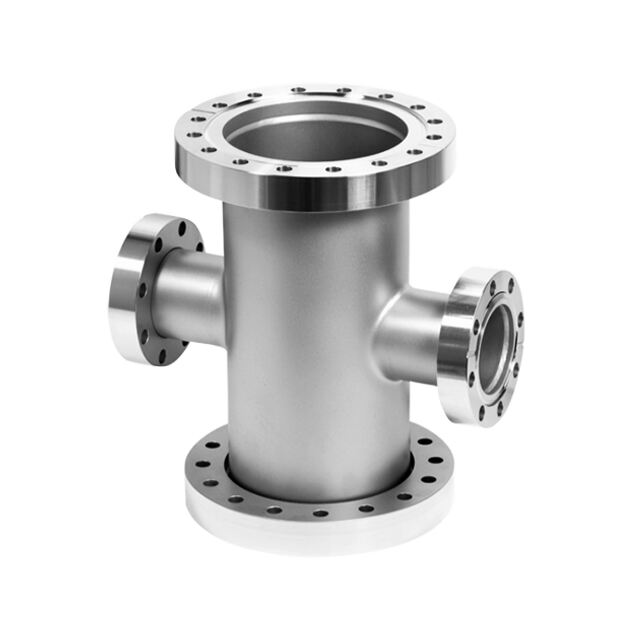
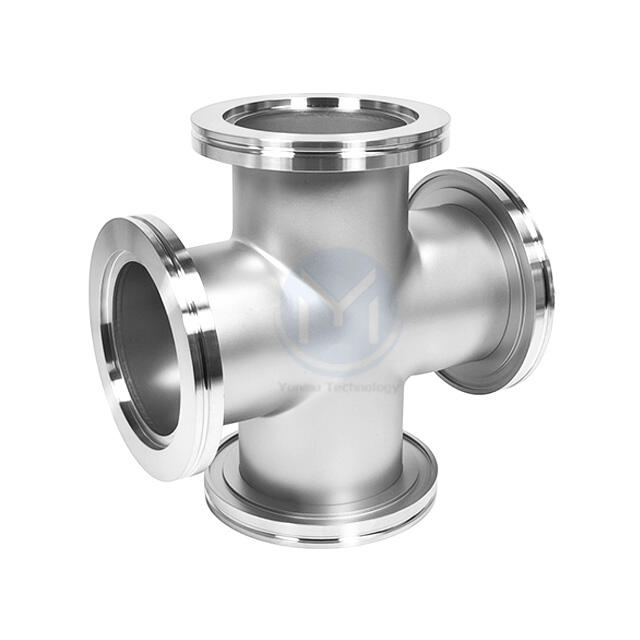
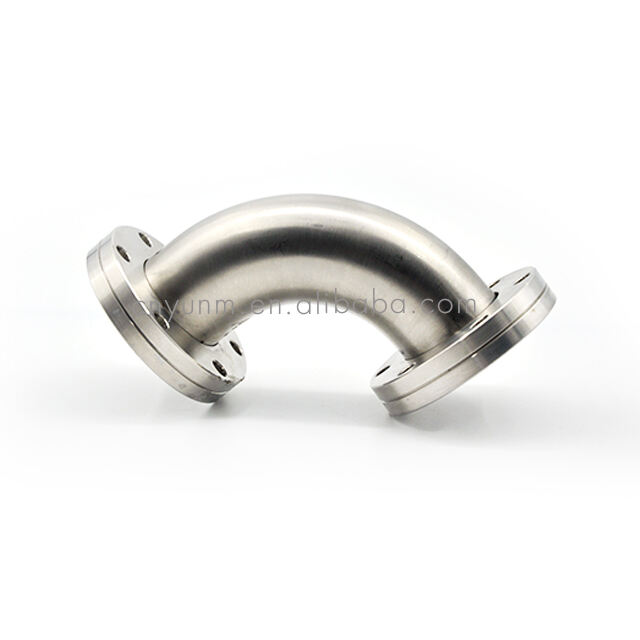
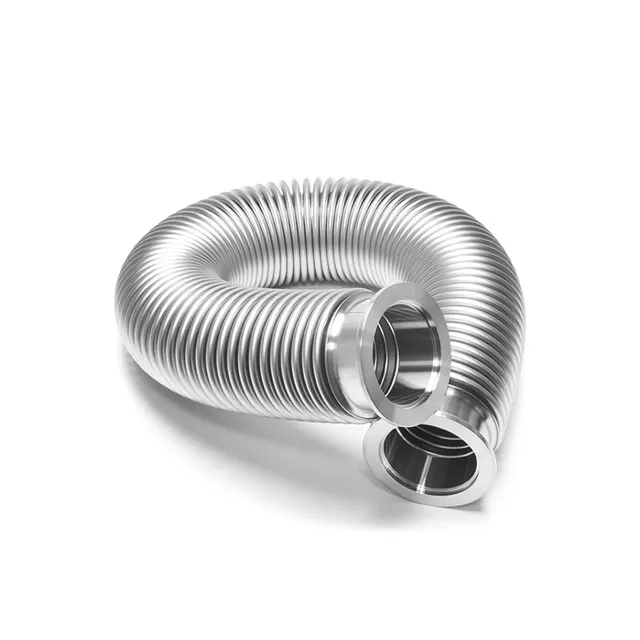
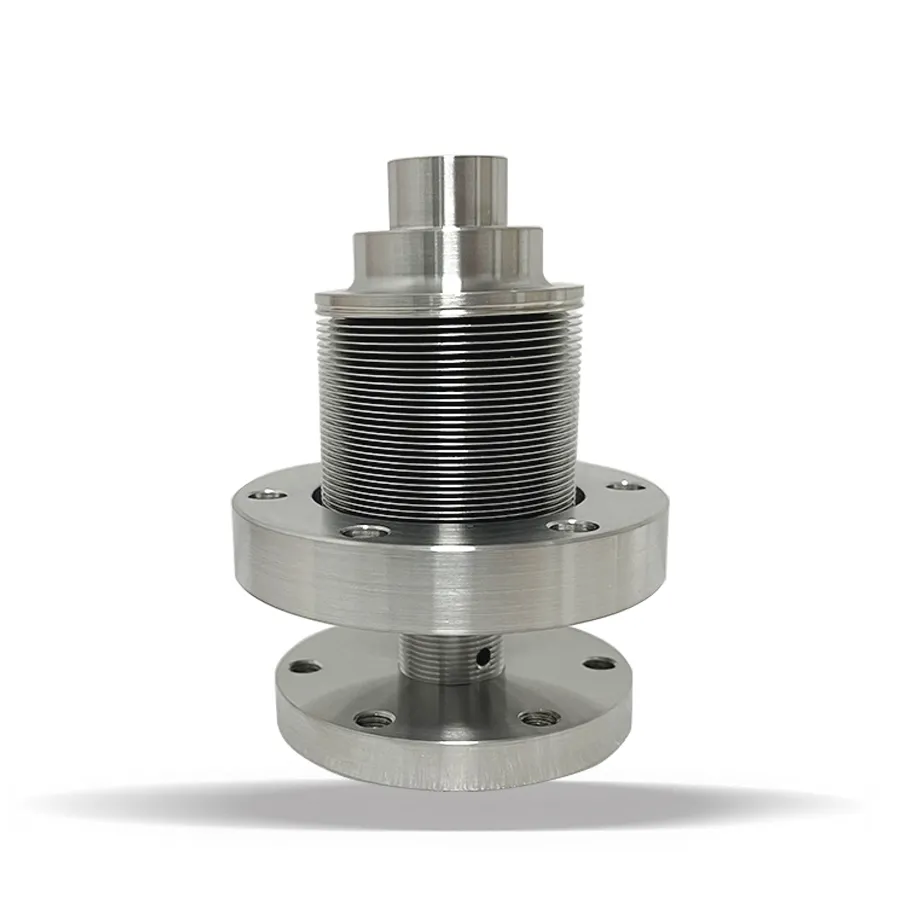
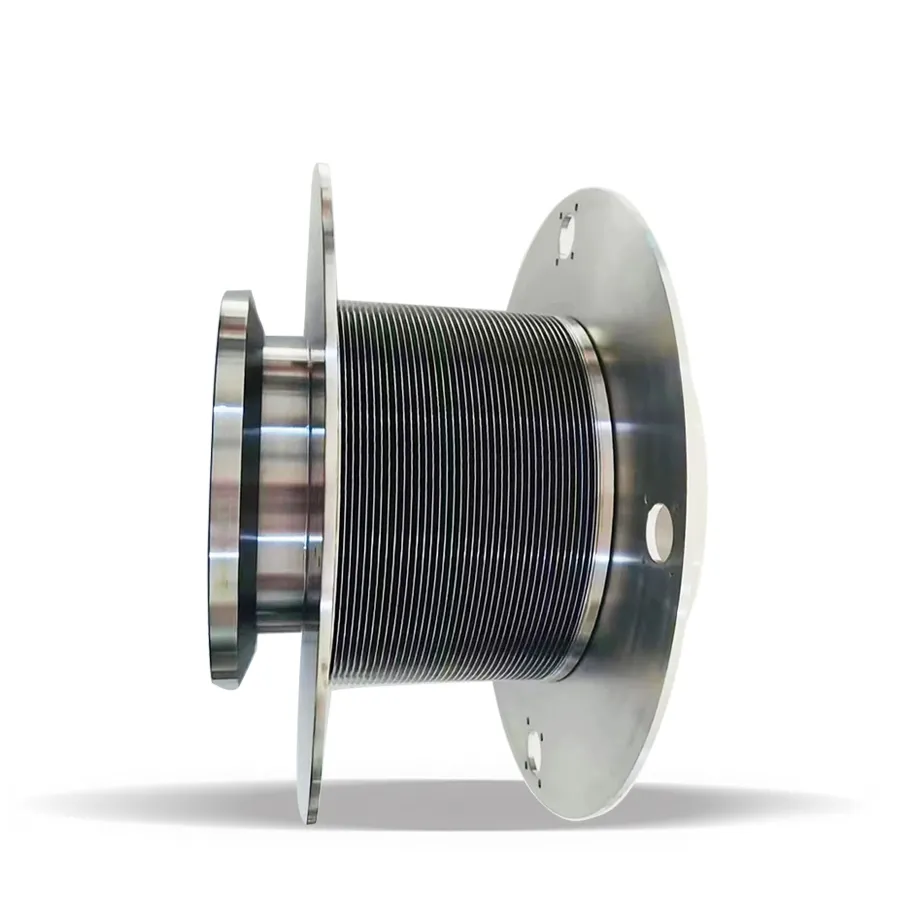
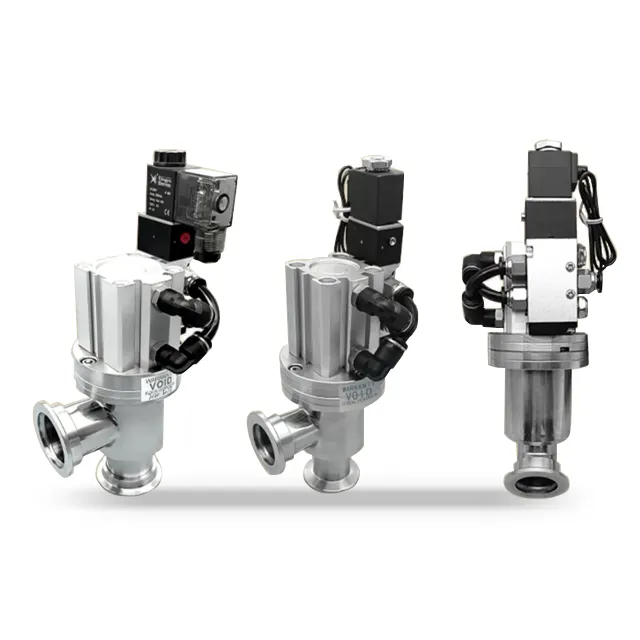
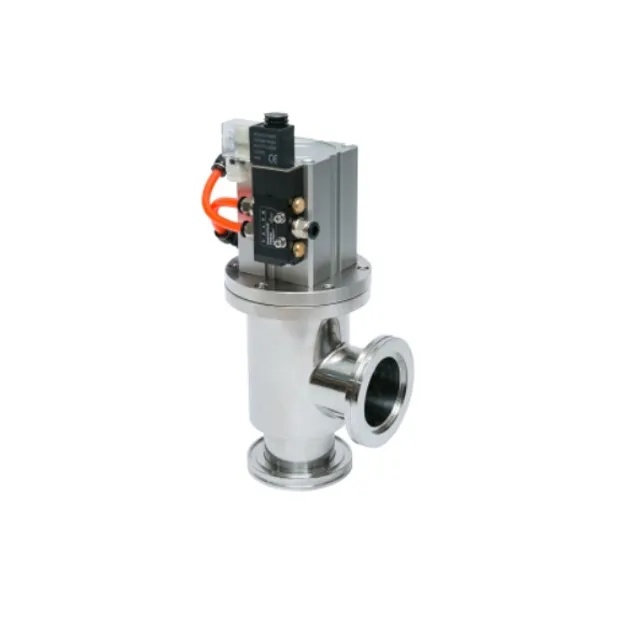
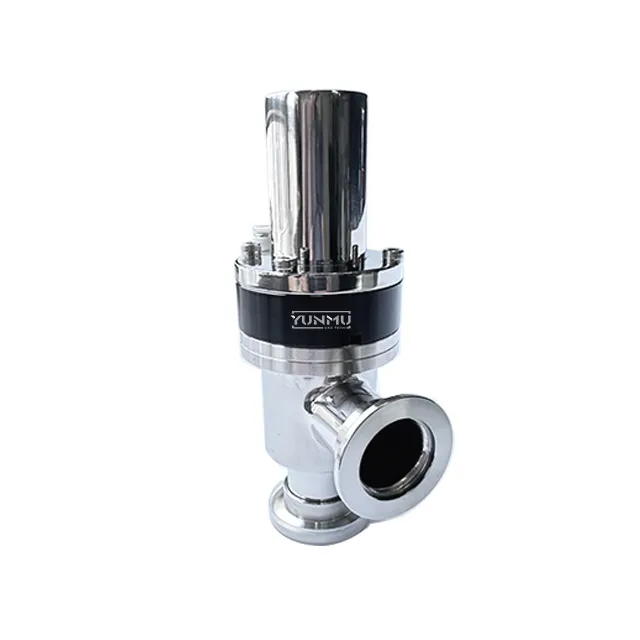
Vacuum system technology represents a sophisticated engineering solution designed to create and maintain controlled low-pressure environments for diverse industrial and scientific applications. This technology operates by removing air and gas molecules from sealed chambers, producing vacuum conditions ranging from low to ultra-high vacuum levels. The main functions include contamination prevention, atmospheric control, pressure reduction for specialized processes, and enabling reactions that cannot occur under normal atmospheric conditions. Vacuum system technology integrates multiple components working in harmony: vacuum pumps extract gases, valves regulate flow, gauges monitor pressure levels, and chambers contain the controlled environment. Modern vacuum system technology employs various pumping mechanisms including rotary vane pumps, turbomolecular pumps, diffusion pumps, and cryogenic pumps, each suited for specific vacuum ranges and applications. Technological features encompass automated control systems, real-time monitoring capabilities, leak detection mechanisms, and energy-efficient operation modes. Applications span numerous sectors including semiconductor manufacturing where vacuum system technology enables precise chip fabrication, pharmaceutical production requiring sterile environments, aerospace component testing, coating and metallization processes, freeze-drying operations, and research laboratories conducting experiments under controlled atmospheric conditions. The versatility of vacuum system technology makes it indispensable for processes demanding contamination-free environments, precise atmospheric control, or conditions impossible to achieve at standard pressure. From industrial production lines to cutting-edge research facilities, vacuum system technology continues evolving with enhanced automation, improved energy efficiency, and greater reliability to meet increasingly demanding operational requirements across global industries.
 EN
EN