Vacuum Pump Technology: Innovation & Efficiency

All Categories

vacuum pump technology

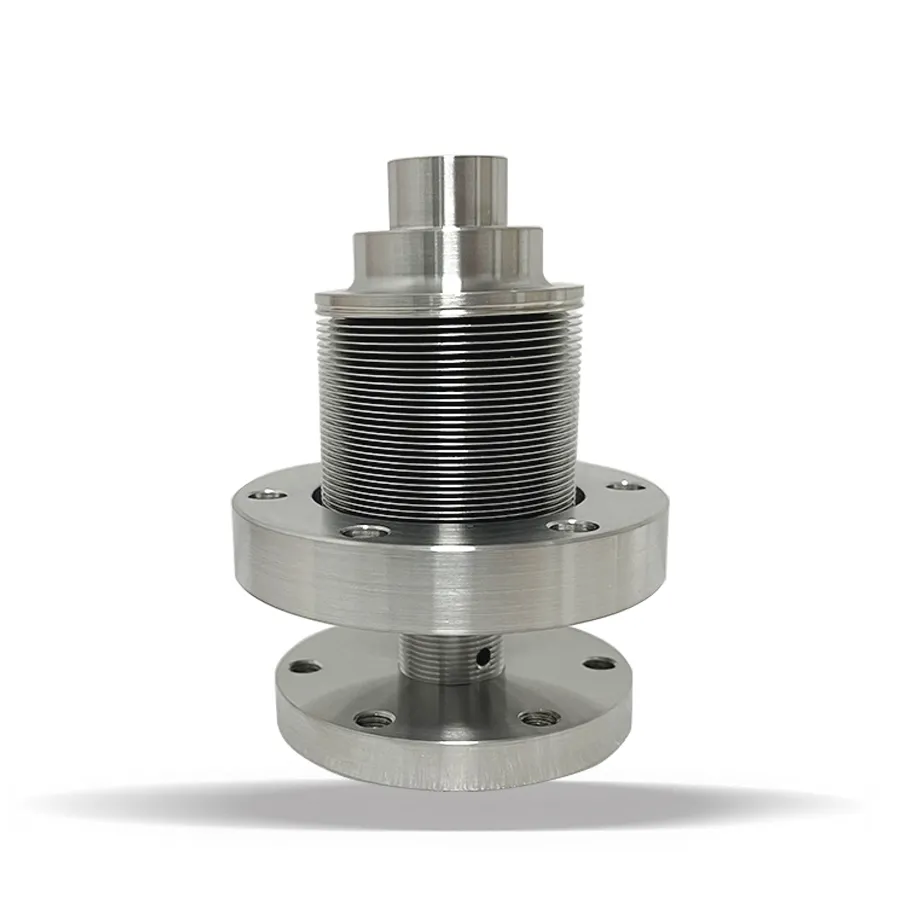
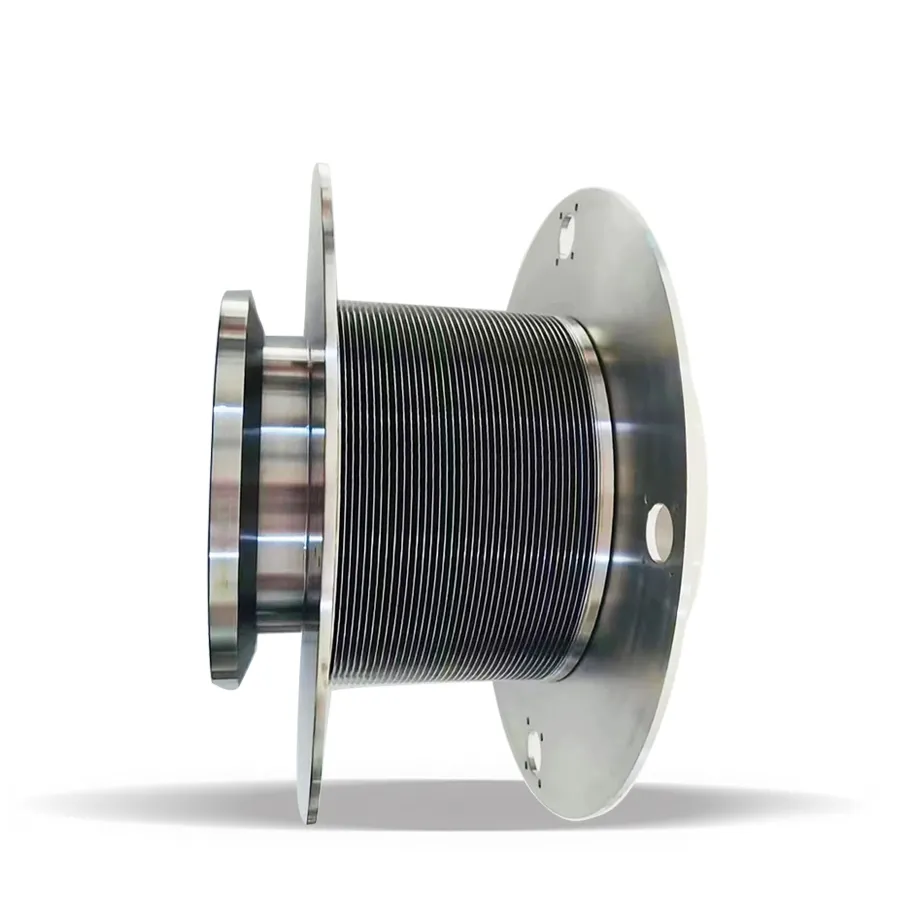
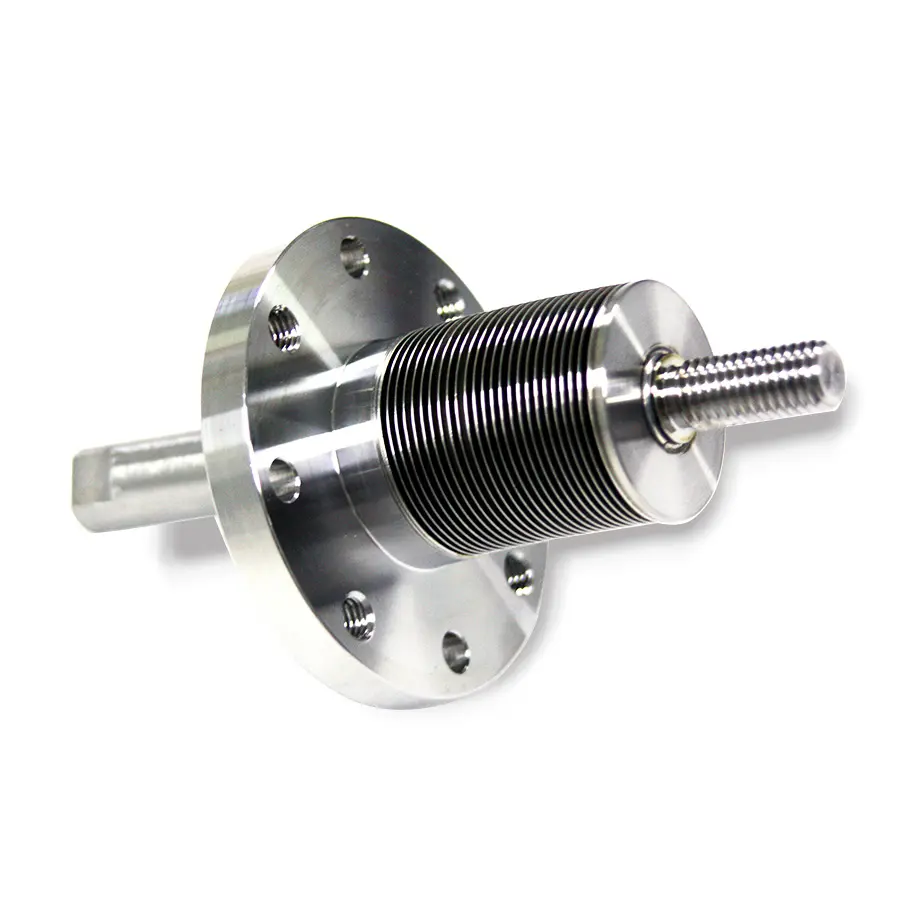
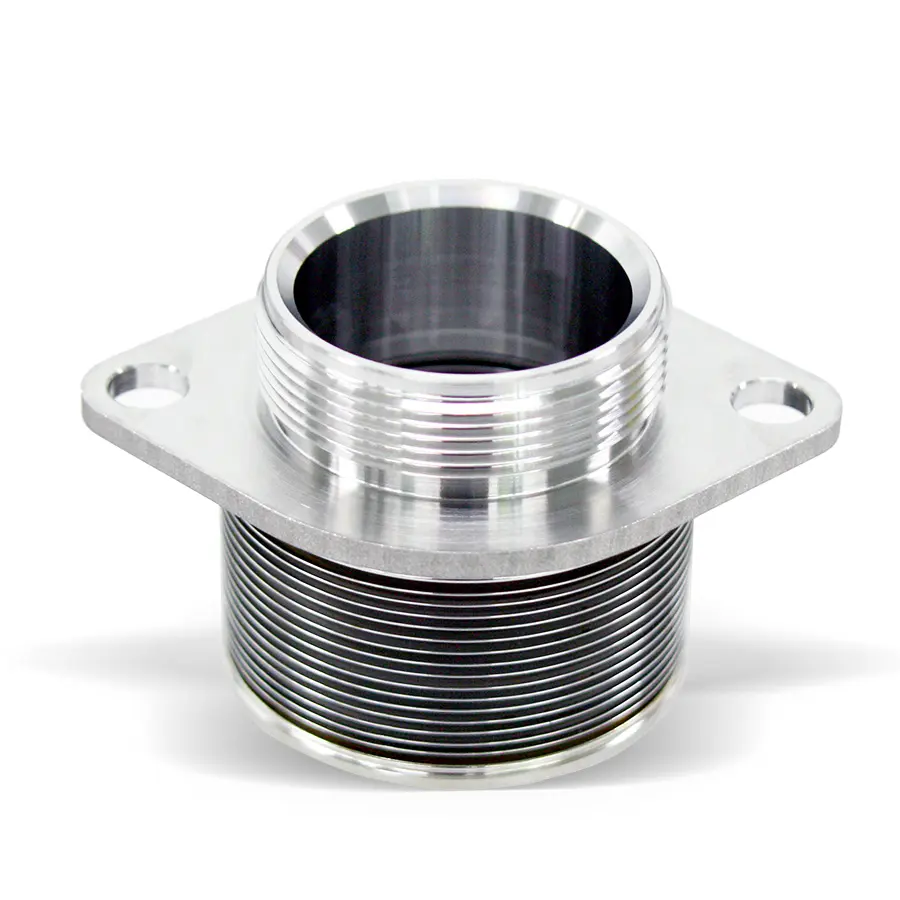
Vacuum pump technology is a sophisticated engineering solution designed to remove gas molecules from sealed environments, creating varying degrees of vacuum pressure for industrial, scientific, and commercial applications. This technology operates by extracting air and other gases from enclosed spaces, enabling processes that require low-pressure conditions or contamination-free atmospheres. Modern vacuum pump technology encompasses multiple operational principles, including positive displacement, momentum transfer, and entrapment methods, each tailored to specific pressure ranges and application requirements. The main functions include evacuating chambers for manufacturing processes, maintaining sterile environments in pharmaceutical production, enabling precise material handling in semiconductor fabrication, and supporting analytical instruments in research laboratories. Technological features of advanced vacuum pump technology include variable speed control systems, intelligent monitoring capabilities, energy-efficient motor designs, and corrosion-resistant materials that extend operational lifespan. These systems integrate seamlessly with automated production lines, offering real-time pressure monitoring and adaptive performance adjustments. Applications span diverse industries: vacuum pump technology powers freeze-drying operations in food processing, enables coating deposition in electronics manufacturing, supports vacuum packaging for product preservation, facilitates degassing in metallurgy, and provides critical support for scientific research equipment. The versatility of vacuum pump technology makes it indispensable across sectors requiring precise atmospheric control, contamination prevention, or specialized processing conditions that cannot be achieved under normal atmospheric pressure.

New Product Recommendations

Investing in quality vacuum pump technology delivers immediate operational improvements that directly impact your bottom line. These systems reduce production cycle times by maintaining consistent vacuum levels, allowing faster processing without compromising quality standards. Your facility benefits from enhanced product quality as vacuum pump technology eliminates contaminants, moisture, and unwanted gases that could compromise manufacturing outcomes. Energy efficiency represents a significant advantage, with modern systems consuming up to forty percent less power than older models through intelligent speed modulation and optimized pump design. This translates to lower utility costs and reduced environmental impact for your operation. Reliability forms another crucial benefit, as advanced vacuum pump technology features robust construction and predictive maintenance capabilities that minimize unexpected downtime. You gain operational flexibility because these systems adapt to varying production demands, scaling performance to match real-time requirements rather than running continuously at maximum capacity. Maintenance becomes simpler and less frequent thanks to improved seal designs, self-lubricating components, and extended service intervals that reduce labor costs and spare parts inventory. The compact footprint of contemporary vacuum pump technology saves valuable floor space in crowded facilities while delivering superior performance compared to bulkier legacy equipment. Safety improvements include automatic shutdown features, overheating protection, and vibration monitoring that protect both equipment and personnel. Your investment pays dividends through extended equipment lifespan, with quality systems operating reliably for decades when properly maintained. The application suitability of vacuum pump technology spans from delicate laboratory work requiring ultra-high vacuum to robust industrial processes needing continuous heavy-duty operation, ensuring you find the right solution for your specific operational context and production goals.

Latest News

Why Are Stainless Steel Vacuum Fittings Preferred in Harsh Environments?

29

May

Why Are Stainless Steel Vacuum Fittings Preferred in Harsh Environments?

In industrial and scientific settings where reliability is non-negotiable, the choice of vacuum fittings can determine whether a system performs flawlessly or fails under pressure. Stainless steel has emerged as the dominant material for vacuum fitti...
View More
How Do Vacuum Accessories Support Faster Vacuum System Upgrades?

29

May

How Do Vacuum Accessories Support Faster Vacuum System Upgrades?

When a vacuum system needs to be upgraded, the speed and success of that process depend heavily on more than just the main pump or chamber. The supporting components — the fittings, adapters, flanges, and connectors that link every element of the sys...
View More
How Can Custom Vacuum Systems Improve Industrial Workflow Stability?

29

May

How Can Custom Vacuum Systems Improve Industrial Workflow Stability?

Industrial workflow stability is one of the most critical factors separating high-performing facilities from those that struggle with downtime, inconsistent output, and rising operational costs. When vacuum technology is involved in production, the p...
View More
Why Are Precision Edge Welded Bellow Products Widely Used Today?

05

Jun

Why Are Precision Edge Welded Bellow Products Widely Used Today?

In modern engineering and industrial design, the demand for components that combine flexibility, precision, and long-term reliability has never been higher. The edge welded bellow has emerged as one of the most trusted solutions across a wide range o...
View More

Get a Free Quote

Our representative will contact you soon.
Email
Name
Company Name
Message
0/1000

vacuum pump technology

Precision Control and Process Optimization

Precision Control and Process Optimization

Modern vacuum pump technology incorporates sophisticated control systems that deliver unprecedented precision in pressure management, fundamentally transforming how manufacturers approach process optimization. These intelligent systems continuously monitor vacuum levels with exceptional accuracy, automatically adjusting pump speed and operational parameters to maintain target pressures within extremely narrow tolerances. This precision control capability ensures consistent product quality across production runs, eliminating variations caused by pressure fluctuations that plagued older systems. Manufacturers benefit from programmable setpoints that accommodate different products or process stages, with seamless transitions managed automatically without operator intervention. The digital interface provides real-time visualization of system performance, enabling operators to identify optimization opportunities and troubleshoot issues before they impact production. Advanced vacuum pump technology also features data logging capabilities that record operational parameters for quality assurance documentation and process analysis. This information proves invaluable for continuous improvement initiatives, helping you refine processes and maximize efficiency. Integration with facility automation systems allows vacuum pump technology to coordinate with upstream and downstream equipment, creating synchronized production flows that eliminate bottlenecks and reduce waste. The result is a manufacturing environment where precision control translates directly into higher yields, reduced scrap rates, and improved profitability.
Energy Efficiency and Environmental Responsibility

Energy Efficiency and Environmental Responsibility

Contemporary vacuum pump technology represents a paradigm shift in energy consumption, addressing both operational costs and environmental sustainability concerns that increasingly influence purchasing decisions. These systems employ variable frequency drives that modulate motor speed according to actual demand rather than operating constantly at full capacity, resulting in dramatic energy savings during partial load conditions that characterize most industrial applications. Intelligent control algorithms optimize pump performance by selecting the most efficient operating point for current conditions, minimizing wasted energy while maintaining required vacuum levels. Heat recovery options available in advanced vacuum pump technology capture thermal energy generated during compression, redirecting it for facility heating or process applications instead of dissipating it wastefully. This dual benefit reduces both electricity consumption for pumping and supplementary heating costs. Improved mechanical design featuring precision-engineered components reduces friction losses, while advanced sealing technology prevents leakage that would otherwise force pumps to work harder maintaining vacuum. The environmental benefits extend beyond energy efficiency, as modern vacuum pump technology eliminates or dramatically reduces oil consumption through dry-running designs or closed-loop lubrication systems that prevent contamination and disposal concerns. Lower energy consumption directly correlates with reduced carbon emissions, helping your facility meet sustainability targets and regulatory requirements. The combination of operational savings and environmental stewardship makes advanced vacuum pump technology an investment that aligns financial performance with corporate responsibility objectives.
Versatility Across Diverse Industrial Applications

Versatility Across Diverse Industrial Applications

The remarkable adaptability of vacuum pump technology enables it to serve an extraordinarily broad spectrum of industrial applications, making it one of the most versatile equipment investments available to modern manufacturers. From pharmaceutical companies requiring ultra-clean vacuum for sterile processing to metalworking facilities needing robust systems for degassing molten materials, vacuum pump technology scales and configures to meet vastly different operational demands. This versatility stems from modular design approaches that allow customization of pump configurations, coupling different pump types in series or parallel arrangements to achieve specific pressure ranges and throughput requirements. Material compatibility options ensure vacuum pump technology handles corrosive chemicals, abrasive particles, or sensitive compounds without degradation or contamination. Temperature tolerance features enable operation in extreme environments, from refrigerated chambers to high-heat industrial settings. The technology supports both continuous processes requiring steady-state vacuum and batch operations with frequent cycling between atmospheric and vacuum conditions. Manufacturers appreciate how vacuum pump technology adapts to changing production needs, with systems easily reconfigured or expanded as product lines evolve or capacity requirements grow. This flexibility protects your capital investment by extending equipment useful life even as your business changes. Whether you need vacuum pump technology for packaging, drying, distillation, coating, forming, or analytical applications, available systems provide the specific performance characteristics your process demands while maintaining reliability and efficiency across all operating conditions.

Have questions about the company?

Get a Free Quote

Our representative will contact you soon.
Email
Name
Company Name
Message
0/1000

Get a Free Quote

Our representative will contact you soon.
Email
Name
Company Name
Message
0/1000

Get a Free Quote

Our representative will contact you soon.
Email
Name
Company Name
Message
0/1000