Vacuum Technology Systems: Complete Guide

All Categories

vacuum technology systems

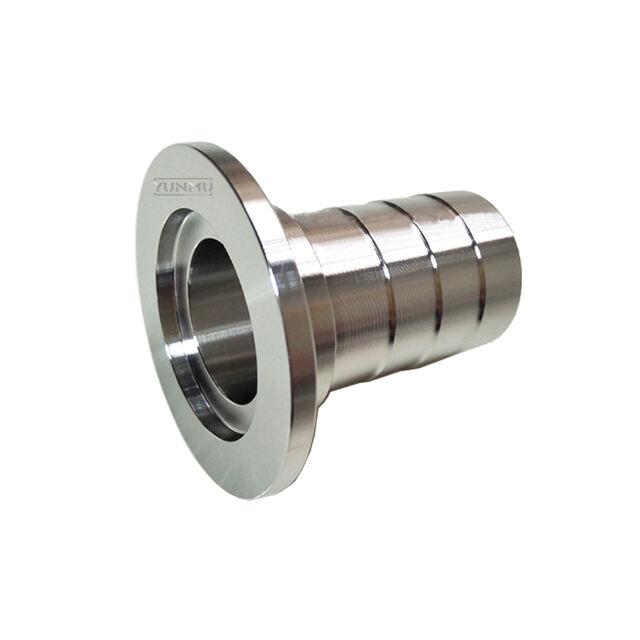
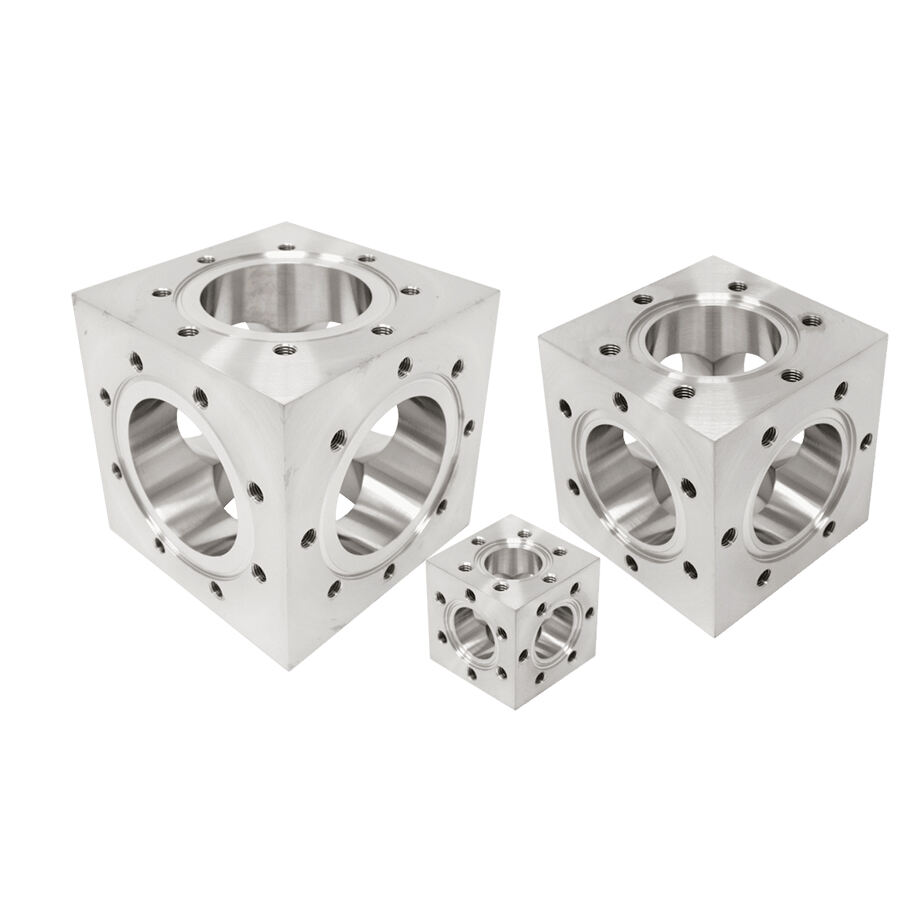
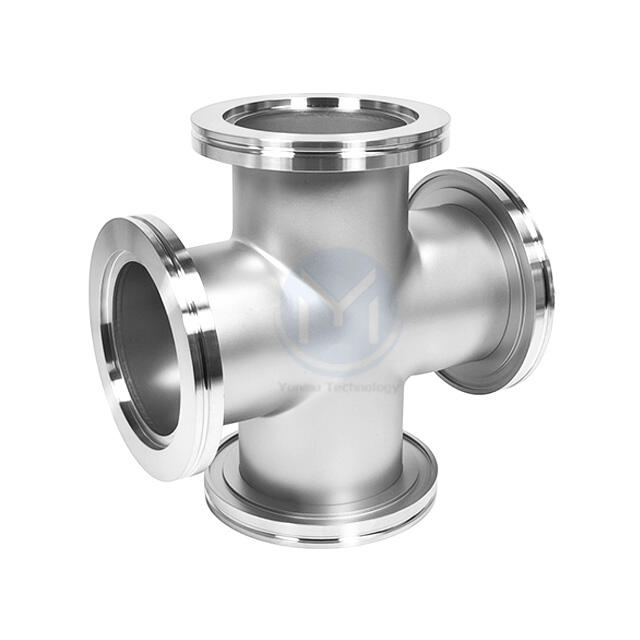
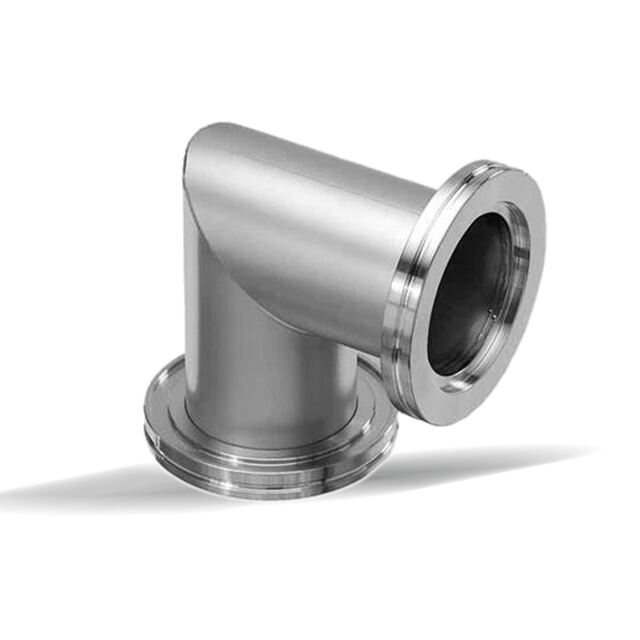
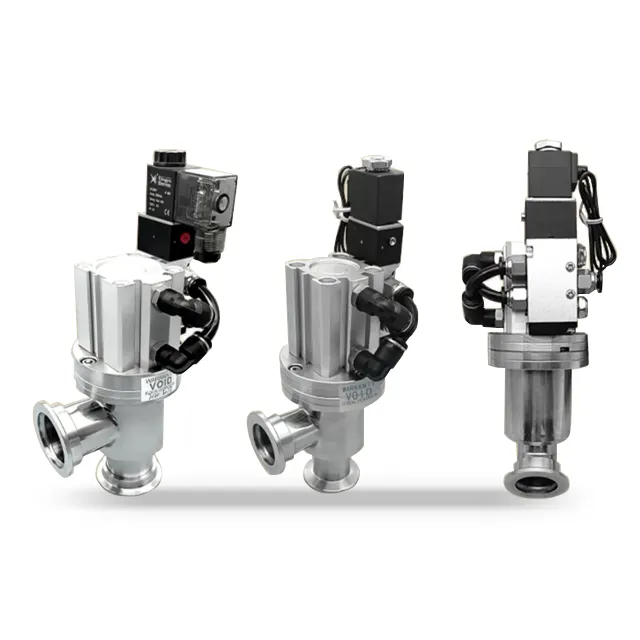
Vacuum technology systems are sophisticated engineering solutions designed to create, maintain, and control environments with reduced atmospheric pressure. These systems remove air and other gases from sealed chambers to achieve pressure levels significantly below standard atmospheric conditions. The primary functions include gas molecule extraction, pressure regulation, and contamination prevention across diverse industrial applications. Modern vacuum technology systems incorporate advanced pumping mechanisms, precision sensors, and automated control interfaces to deliver consistent performance. These systems utilize various pump types including rotary vane, turbomolecular, and cryogenic pumps, each suited for specific pressure ranges and operational requirements. Technological features encompass intelligent monitoring capabilities, energy-efficient operation modes, and compatibility with multiple process environments. Applications span semiconductor manufacturing, pharmaceutical production, food packaging, metallurgical processing, and scientific research facilities. In semiconductor fabrication, vacuum technology systems enable precise thin-film deposition and etching processes critical for microchip production. Pharmaceutical industries rely on these systems for freeze-drying medications and sterile packaging operations. Food processing facilities use vacuum technology systems to extend product shelf life through modified atmosphere packaging. Metallurgical operations depend on vacuum environments for heat treating, brazing, and coating applications that require contamination-free conditions. Research laboratories utilize these systems for electron microscopy, mass spectrometry, and materials science investigations. The integration of digital controls and remote monitoring capabilities has transformed vacuum technology systems into intelligent production assets that optimize operational efficiency while reducing manual intervention requirements.

New Product Releases

Investing in vacuum technology systems delivers substantial operational and financial benefits that directly impact production quality and business profitability. These systems significantly enhance product quality by eliminating atmospheric contaminants during critical manufacturing processes, resulting in superior finished goods that meet stringent industry standards. The controlled environment created by vacuum technology systems prevents oxidation, moisture absorption, and particulate contamination that would otherwise compromise product integrity. Operational efficiency improves dramatically as automated vacuum technology systems maintain precise pressure levels without constant manual supervision, freeing skilled personnel for higher-value tasks. Energy consumption optimization represents another crucial advantage, with modern vacuum technology systems incorporating variable speed drives and intelligent power management that reduce electricity costs by up to forty percent compared to conventional designs. Production throughput increases because vacuum technology systems accelerate drying, degassing, and coating processes that would take significantly longer under atmospheric conditions. Maintenance requirements decrease through robust construction and self-diagnostic features that predict component wear before failures occur, minimizing unexpected downtime. The versatility of vacuum technology systems allows single installations to support multiple production lines and diverse applications, maximizing capital equipment utilization. Long-term reliability translates into predictable operating costs and extended service life that protects initial investments. Process repeatability improves as vacuum technology systems deliver consistent conditions across production batches, reducing quality variations and waste generation. Compliance with environmental and safety regulations becomes simpler because vacuum technology systems contain process emissions and hazardous materials within sealed chambers. These combined advantages position vacuum technology systems as essential infrastructure for manufacturers seeking competitive differentiation through quality excellence, operational efficiency, and sustainable production practices that align with modern business objectives.

Latest News

Why Are Stainless Steel Vacuum Fittings Preferred in Harsh Environments?

29

May

Why Are Stainless Steel Vacuum Fittings Preferred in Harsh Environments?

In industrial and scientific settings where reliability is non-negotiable, the choice of vacuum fittings can determine whether a system performs flawlessly or fails under pressure. Stainless steel has emerged as the dominant material for vacuum fitti...
View More
Why Is Vacuum Chamber Design Important for Industrial Applications?

29

May

Why Is Vacuum Chamber Design Important for Industrial Applications?

In industrial manufacturing and research environments, the vacuum chamber is far more than a sealed metal enclosure. It is a precisely engineered system whose design directly determines whether a process succeeds or fails. From semiconductor fabricat...
View More
Which Businesses Gain the Most From Custom Vacuum Systems Today?

29

May

Which Businesses Gain the Most From Custom Vacuum Systems Today?

Across a wide range of industries, the demand for precision-engineered vacuum technology has grown significantly in recent years. Businesses that rely on controlled environments, contamination-free processing, or highly repeatable manufacturing condi...
View More
How Can Edge Welded Bellow Systems Improve Vacuum Performance?

04

Jun

How Can Edge Welded Bellow Systems Improve Vacuum Performance?

In high-precision vacuum environments, even the smallest mechanical compromise can lead to significant performance degradation. The edge welded bellow has emerged as one of the most reliable solutions for maintaining vacuum integrity while accommodat...
View More

Get a Free Quote

Our representative will contact you soon.
Email
Name
Company Name
Message
0/1000

vacuum technology systems

Advanced Pressure Control Precision

Advanced Pressure Control Precision

Vacuum technology systems feature sophisticated pressure regulation capabilities that maintain exact vacuum levels throughout production cycles with minimal deviation. This precision stems from integrated sensor networks that continuously monitor chamber conditions and adjust pumping speeds in real-time to compensate for process gas loads and system leaks. The pressure control accuracy directly influences product quality in applications such as vacuum metallization, where coating uniformity depends on stable low-pressure environments, and pharmaceutical lyophilization, where sublimation rates must remain constant for consistent drying results. Advanced vacuum technology systems employ multi-stage pumping configurations that achieve ultimate pressures ranging from rough vacuum to ultra-high vacuum conditions, accommodating processes with vastly different requirements. Digital controllers store multiple pressure profiles, enabling rapid changeover between production recipes without manual recalibration. This flexibility reduces setup time and supports lean manufacturing initiatives. The pressure stability provided by modern vacuum technology systems eliminates defects caused by atmospheric fluctuations, directly improving yield rates and reducing material waste that impacts profitability.
Comprehensive Contamination Management

Comprehensive Contamination Management

Vacuum technology systems excel at contamination control by creating isolated environments where unwanted particles, moisture, and reactive gases cannot compromise sensitive processes. The sealed chamber design combined with continuous gas evacuation prevents airborne contaminants from settling on product surfaces during critical manufacturing stages. This contamination management capability proves essential in cleanroom-dependent industries where even microscopic particles cause defects in electronic components, optical devices, and medical implants. Vacuum technology systems incorporate filtration technologies and cold traps that capture oil vapors and process byproducts before they reach exhaust systems, protecting both product purity and environmental compliance. The inert atmosphere achievable within vacuum technology systems enables processing of reactive materials such as titanium and specialized alloys that would oxidize under normal atmospheric conditions. Contamination reduction translates directly into higher first-pass yield rates, fewer rejected batches, and lower quality assurance costs. For food packaging applications, vacuum technology systems remove oxygen that accelerates spoilage, extending shelf life without chemical preservatives and meeting consumer preferences for natural products with minimal additives.
Intelligent Automation Integration

Intelligent Automation Integration

Modern vacuum technology systems incorporate intelligent automation that transforms vacuum generation from a manual operation into a self-optimizing process aligned with Industry 4.0 manufacturing paradigms. Embedded programmable logic controllers coordinate pump sequencing, valve actuation, and pressure set points according to predefined recipes while continuously logging performance data for quality documentation and regulatory compliance. Remote monitoring capabilities allow maintenance teams to assess vacuum technology systems performance from centralized control rooms, identifying efficiency degradation patterns before they affect production output. Predictive maintenance algorithms analyze vibration signatures, bearing temperatures, and power consumption trends to schedule component replacements during planned downtime rather than responding to emergency failures. The automation features of vacuum technology systems reduce operator training requirements and minimize human error that could compromise batch quality or equipment safety. Integration with enterprise manufacturing execution systems enables vacuum technology systems to automatically adjust processing parameters based on upstream production variables, creating responsive manufacturing environments. Energy management functions within vacuum technology systems detect idle periods and reduce pump speeds or enter standby modes that cut power consumption without compromising system readiness, supporting corporate sustainability initiatives while reducing operating costs.

Have questions about the company?

Get a Free Quote

Our representative will contact you soon.
Email
Name
Company Name
Message
0/1000

Get a Free Quote

Our representative will contact you soon.
Email
Name
Company Name
Message
0/1000

Get a Free Quote

Our representative will contact you soon.
Email
Name
Company Name
Message
0/1000