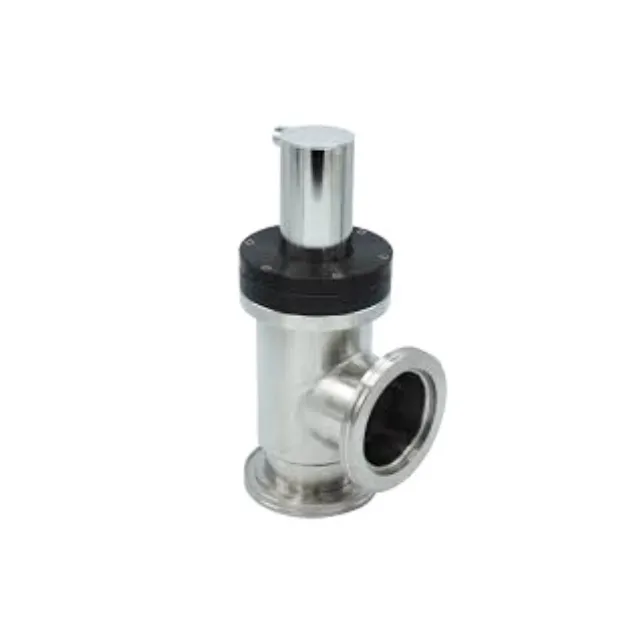
vacuum system design
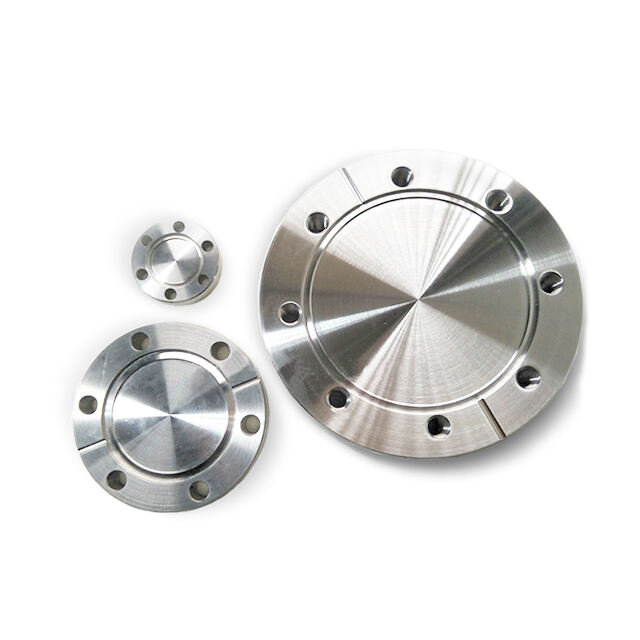
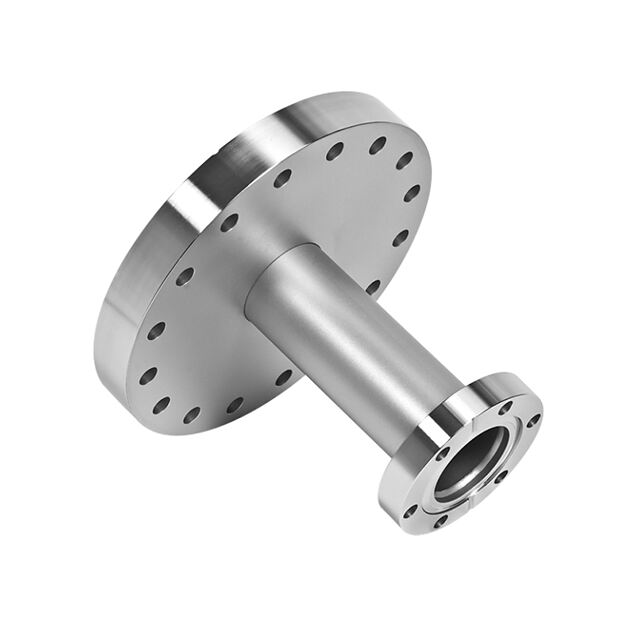
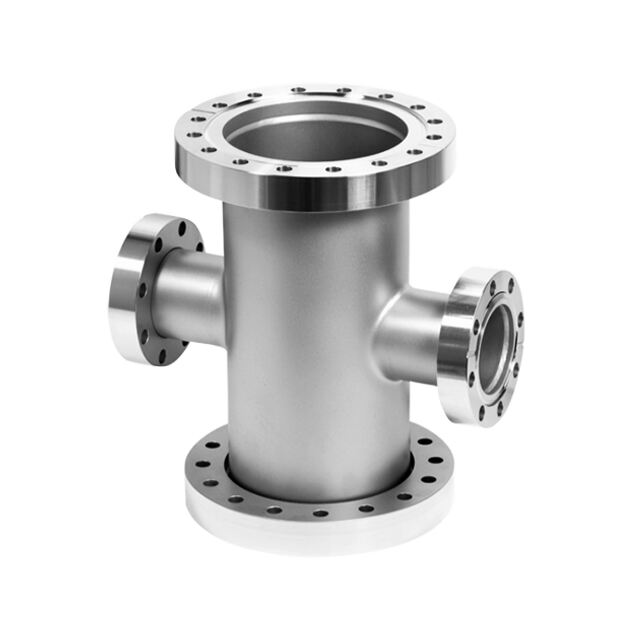
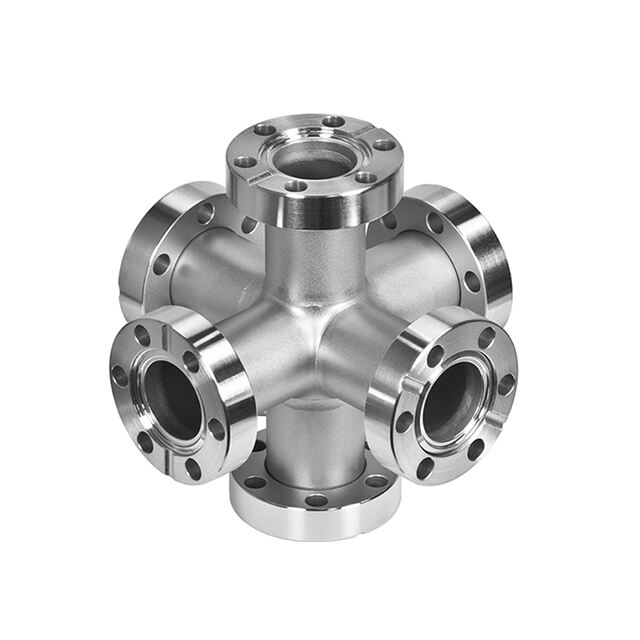
Vacuum system design is a specialized engineering discipline that focuses on creating efficient solutions for removing air and gases from enclosed spaces to achieve controlled low-pressure environments. This critical process involves careful selection and integration of vacuum pumps, chambers, valves, gauges, and piping networks tailored to specific industrial requirements. A well-executed vacuum system design ensures optimal performance across diverse applications, from semiconductor manufacturing and pharmaceutical processing to food packaging and scientific research. The main functions include achieving desired vacuum levels, maintaining pressure stability, preventing contamination, and ensuring reliable operation over extended periods. Technological features encompass advanced pump configurations, automated control systems, real-time monitoring capabilities, and energy-efficient components that reduce operational costs. Modern vacuum system design incorporates computational modeling and simulation tools to predict system behavior and optimize performance before physical installation. Engineers must consider factors such as pumping speed requirements, ultimate pressure targets, gas load characteristics, and process compatibility when developing customized solutions. The design process balances technical performance with practical considerations including footprint constraints, maintenance accessibility, safety protocols, and budget limitations. Applications span numerous industries where controlled atmospheres are essential for product quality, process efficiency, or research accuracy. Whether supporting thin-film deposition, freeze-drying operations, or analytical instrumentation, proper vacuum system design directly impacts productivity, product consistency, and operational reliability, making it an indispensable element of modern industrial and scientific infrastructure.
 EN
EN