Vacuum System Manufacturer | Advanced Solutions

All Categories

vacuum system manufacturer

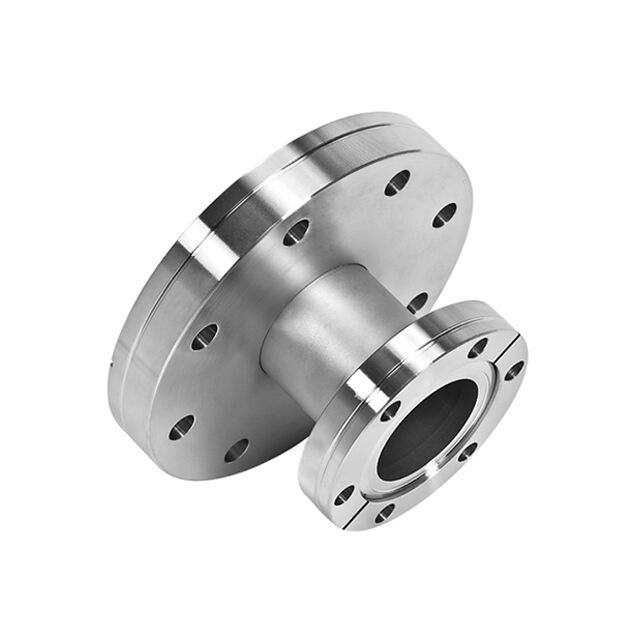
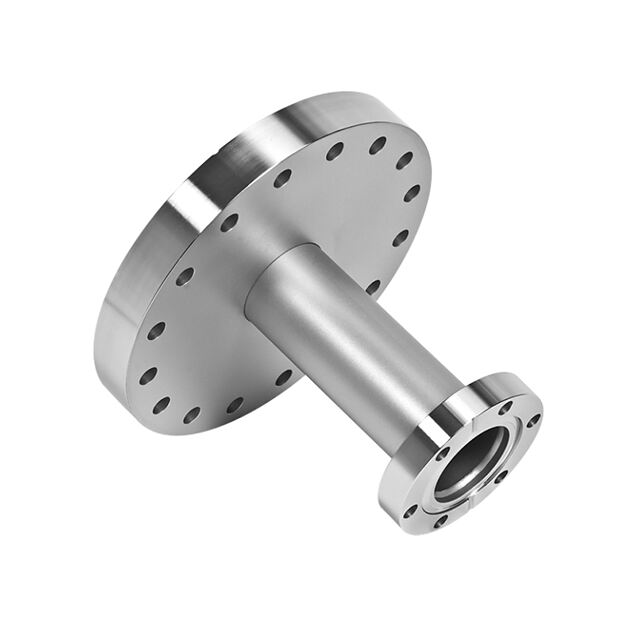
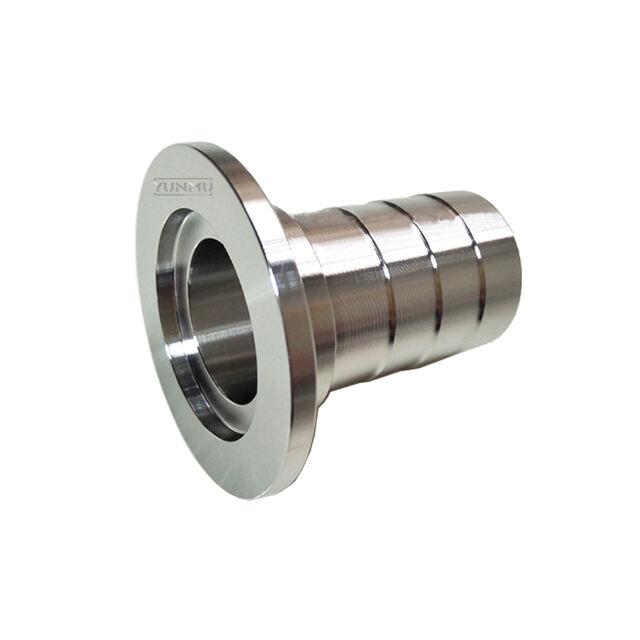
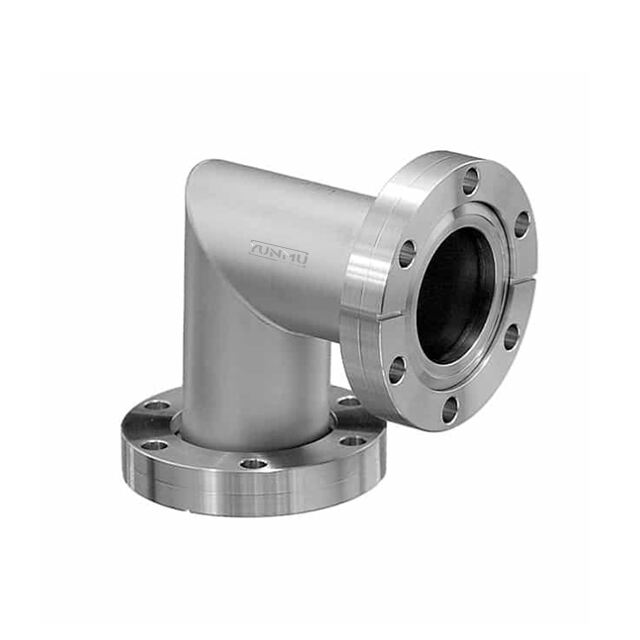
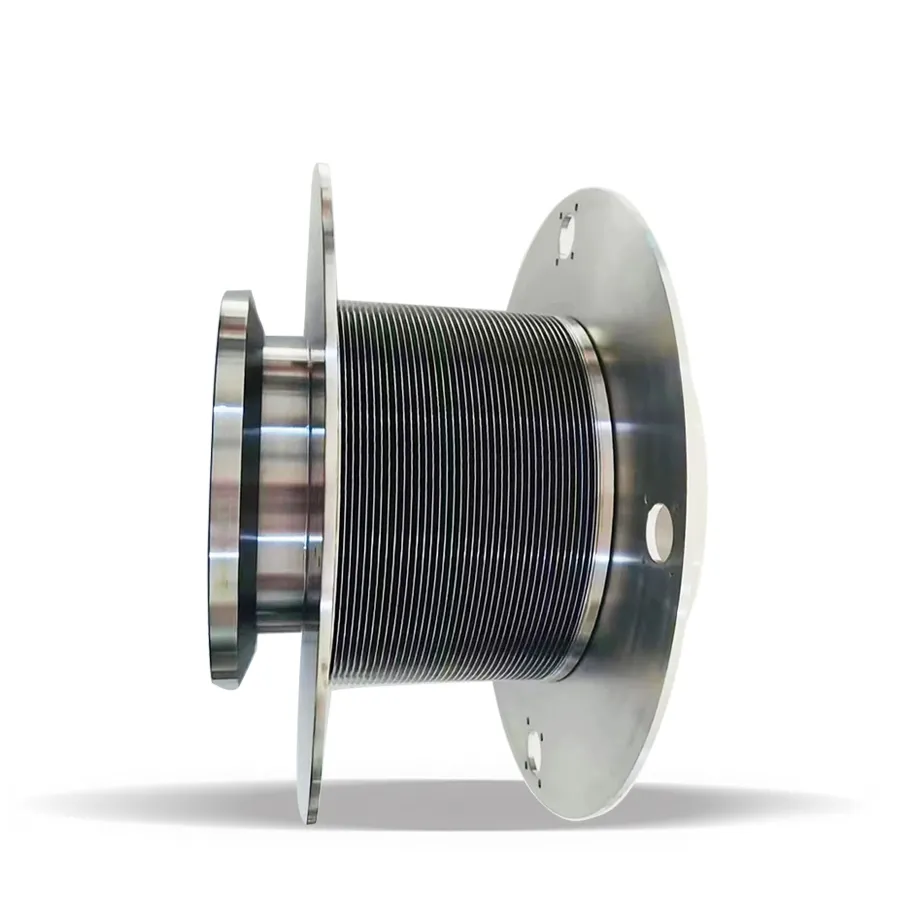
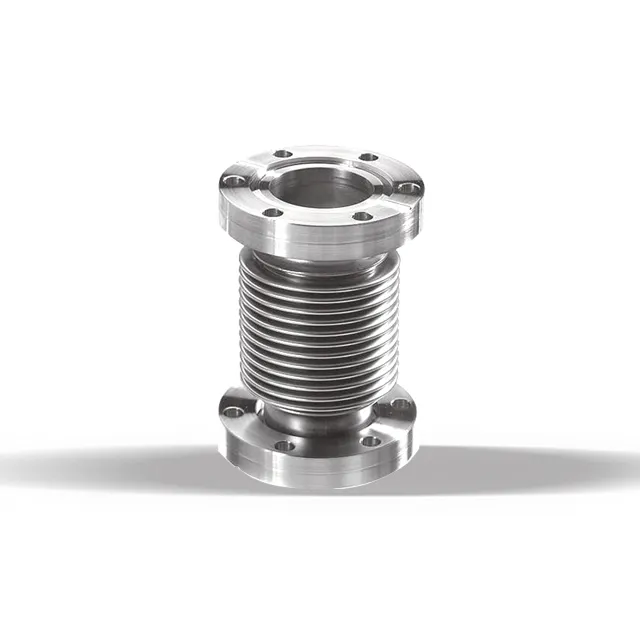
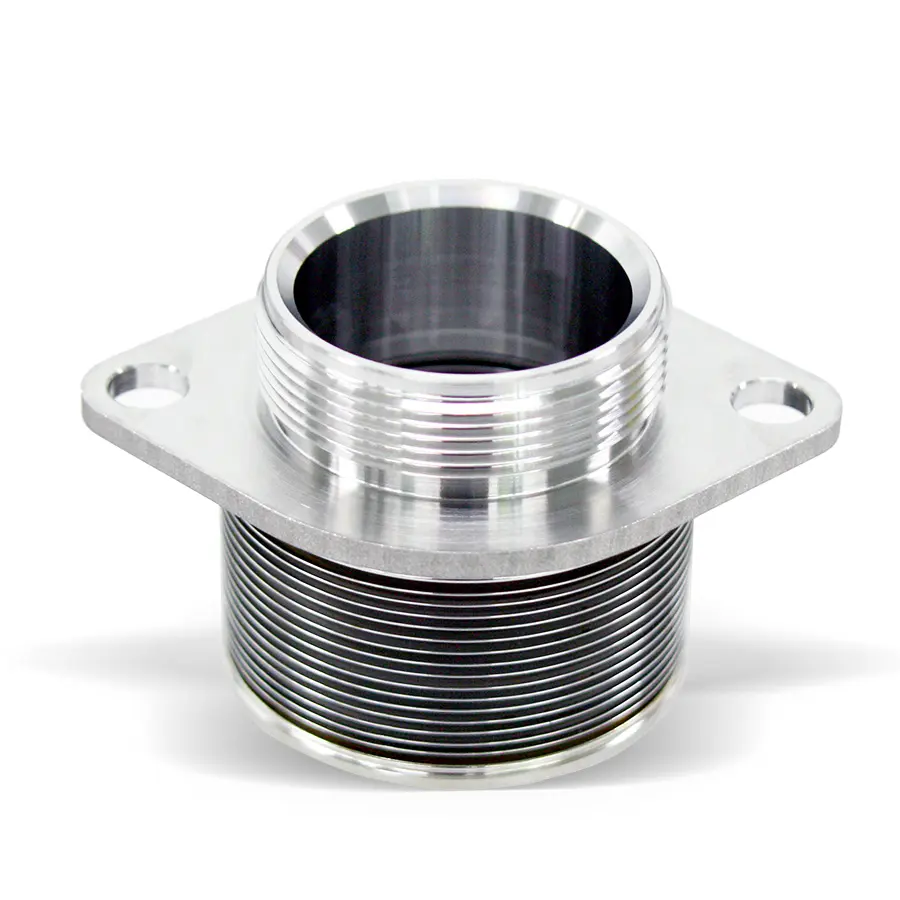
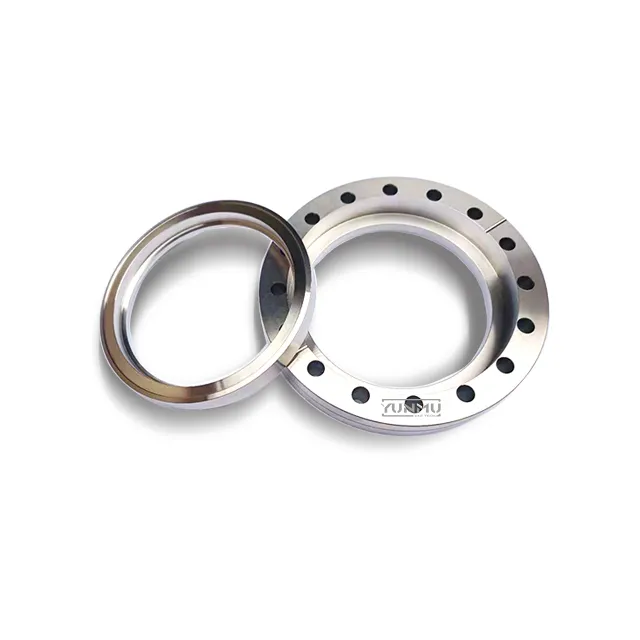
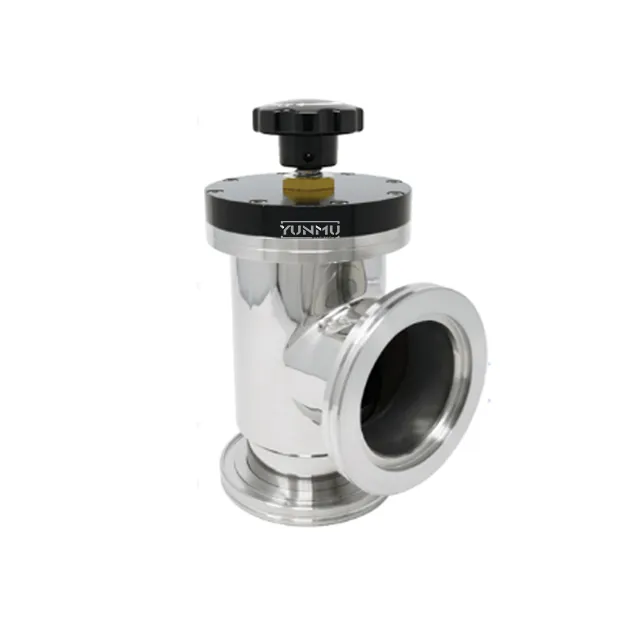
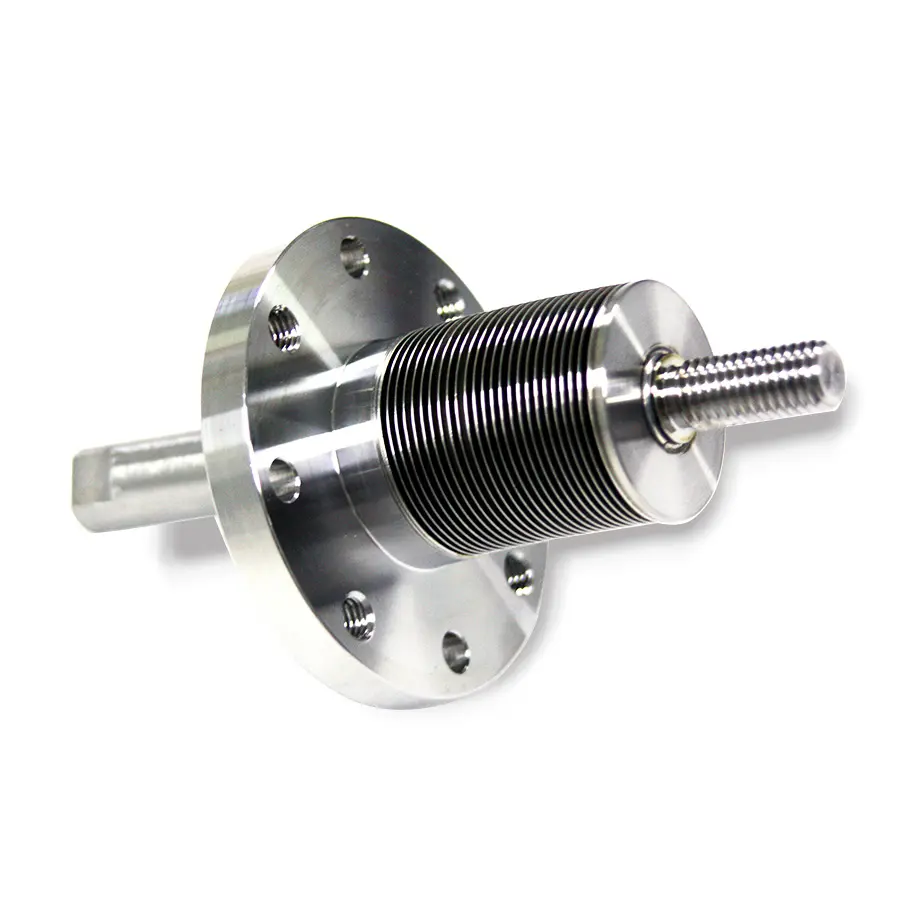
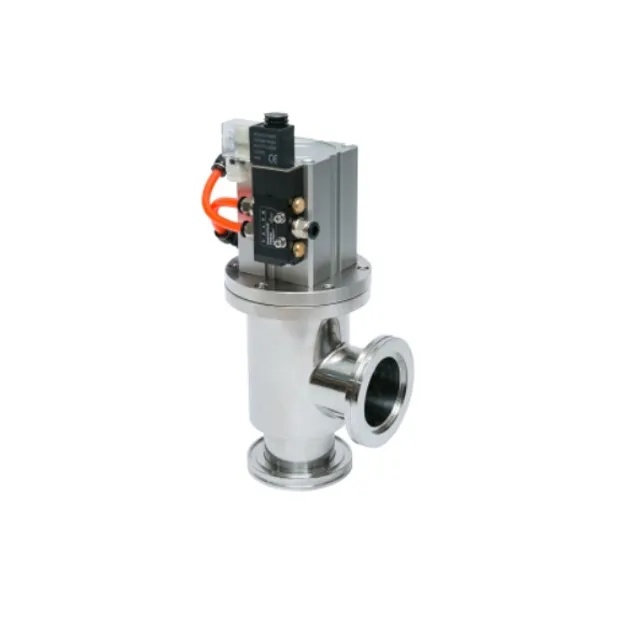
A vacuum system manufacturer designs, engineers, and produces advanced vacuum technology solutions that remove air and gases from sealed environments to create controlled low-pressure conditions. These specialized companies develop comprehensive systems including vacuum pumps, chambers, gauges, valves, fittings, and control units that work together seamlessly. Modern vacuum system manufacturer operations combine precision engineering with cutting-edge materials science to deliver reliable performance across diverse pressure ranges from rough vacuum to ultra-high vacuum levels. The core function involves extracting molecules from enclosed spaces to achieve specific atmospheric conditions required for industrial processes, scientific research, and manufacturing applications. Technological features include intelligent monitoring systems that track pressure levels in real-time, automated control interfaces for seamless operation, and energy-efficient pump designs that reduce operational costs. Advanced vacuum system manufacturer facilities utilize computer-aided design tools and simulation software to optimize system performance before production begins. Applications span numerous industries including semiconductor fabrication where contamination-free environments are critical, pharmaceutical production requiring sterile processing conditions, food packaging that extends shelf life through oxygen removal, metallurgy for heat treatment processes, and research laboratories conducting experiments under controlled atmospheric conditions. The vacuum system manufacturer serves as a critical partner for businesses requiring precise environmental control, offering customized solutions tailored to specific pressure requirements, chamber sizes, throughput demands, and integration needs with existing production lines.

New Product Releases

Partnering with an experienced vacuum system manufacturer delivers substantial operational benefits that directly impact your bottom line and production quality. First, you gain access to engineered solutions designed specifically for your application requirements rather than adapting generic equipment that may underperform. This customization means faster processing times, reduced energy consumption, and fewer maintenance interruptions that disrupt production schedules. A reputable vacuum system manufacturer provides comprehensive technical support from initial consultation through installation and ongoing service, ensuring your team maximizes equipment performance without costly downtime. The quality assurance processes employed during manufacturing result in durable systems that maintain consistent vacuum levels over extended operational periods, protecting your production quality and reducing replacement costs. Buyers benefit from integrated system designs where all components are optimized to work together, eliminating compatibility issues that plague assemblies cobbled together from multiple vendors. Modern vacuum system manufacturer offerings include user-friendly control interfaces that simplify operator training and reduce human error, while built-in diagnostic features enable predictive maintenance that prevents unexpected failures. Energy efficiency represents another significant advantage, as advanced pump technologies and intelligent control systems minimize power consumption compared to older vacuum generation methods. The application suitability extends across pressure ranges and chamber configurations, meaning a single vacuum system manufacturer can often address multiple needs within your facility. Decision-makers appreciate the consolidated vendor relationship that streamlines procurement, standardizes spare parts inventory, and provides single-point accountability for system performance. Long-term value emerges through scalable designs that accommodate future production expansion without complete system replacement.

Latest News

Why Are High Quality Vacuum Fittings Critical for Industrial Systems?

29

May

Why Are High Quality Vacuum Fittings Critical for Industrial Systems?

In industrial environments where precision and reliability are non-negotiable, the integrity of every component in a vacuum system determines whether operations succeed or fail. Among all the components that make up a vacuum assembly, vacuum fittings...
View More
Why Are Integrated Vacuum Solutions Important for Modern Factories?

04

Jun

Why Are Integrated Vacuum Solutions Important for Modern Factories?

Modern manufacturing environments are under constant pressure to improve efficiency, reduce contamination risks, and maintain precise process control across every production stage. In this context, vacuum solutions have evolved from being a periphera...
View More
Why Are Precision Edge Welded Bellow Products Widely Used Today?

05

Jun

Why Are Precision Edge Welded Bellow Products Widely Used Today?

In modern engineering and industrial design, the demand for components that combine flexibility, precision, and long-term reliability has never been higher. The edge welded bellow has emerged as one of the most trusted solutions across a wide range o...
View More
Why Are Precision Vacuum Components Important for Industrial Use?

05

Jun

Why Are Precision Vacuum Components Important for Industrial Use?

In high-performance industrial environments, the reliability of every individual part determines the integrity of the entire system. vacuum components are among the most critical elements in this equation, forming the backbone of systems that depend ...
View More

Get a Free Quote

Our representative will contact you soon.
Email
Name
Company Name
Message
0/1000

vacuum system manufacturer

Advanced Engineering Expertise and Custom Design Capabilities

Advanced Engineering Expertise and Custom Design Capabilities

A professional vacuum system manufacturer brings decades of specialized engineering knowledge to every project, translating complex application requirements into practical, efficient solutions. This expertise encompasses fluid dynamics, materials compatibility, sealing technologies, and control system integration that ensures optimal performance under your specific operating conditions. The custom design approach begins with thorough analysis of your process parameters including target pressure levels, pumping speed requirements, chamber volume, gas loads, and cycle times. Engineers then select appropriate pump technologies whether rotary vane, scroll, screw, roots, or turbomolecular configurations based on pressure range and gas composition. The vacuum system manufacturer creates detailed system layouts that optimize component placement for efficient operation and maintenance accessibility. Advanced simulation tools predict system behavior before fabrication begins, identifying potential issues and validating performance expectations. This engineering-first methodology prevents costly mistakes that occur with off-the-shelf solutions forced into unsuitable applications. Custom vacuum systems accommodate unique chamber geometries, integrate with existing automation platforms, and incorporate specialized features like rapid venting, programmable pressure profiles, or contamination control measures that generic systems cannot provide.
Comprehensive Quality Control and Reliability Standards

Comprehensive Quality Control and Reliability Standards

Distinguished vacuum system manufacturer operations maintain rigorous quality control protocols throughout the production process to ensure every system meets exacting performance specifications and reliability standards. Manufacturing facilities employ precision machining centers, certified welding procedures, and cleanroom assembly environments that prevent contamination during component fabrication. Each vacuum system undergoes extensive factory testing that simulates actual operating conditions, verifying pump-down times, ultimate pressure achievement, leak rates, and control system functionality before shipment. The vacuum system manufacturer implements documented inspection procedures at critical production stages, creating traceability that supports quality assurance and regulatory compliance requirements. Material selection follows strict standards, choosing corrosion-resistant alloys, elastomers with appropriate outgassing characteristics, and surface finishes that maintain vacuum integrity over millions of cycles. Reliability engineering practices identify potential failure modes and incorporate design features that extend component life and enable rapid replacement when maintenance becomes necessary. Quality certifications demonstrate the vacuum system manufacturer commitment to consistent production standards that customers depend upon for critical applications. Comprehensive documentation packages include performance test results, maintenance schedules, spare parts lists, and technical drawings that support long-term system operation and facilitate future modifications as production needs evolve.
Energy Efficiency and Sustainable Operation Benefits

Energy Efficiency and Sustainable Operation Benefits

Modern vacuum system manufacturer designs prioritize energy efficiency that significantly reduces operational costs while supporting corporate sustainability initiatives and environmental responsibility goals. Advanced pump technologies minimize power consumption through optimized rotor designs, magnetic bearing systems that eliminate friction losses, and variable frequency drives that match motor speed precisely to instantaneous pumping demands. Intelligent control systems developed by the vacuum system manufacturer automatically adjust pump operation based on actual chamber conditions rather than running continuously at maximum capacity, cutting energy waste during idle periods and partial load situations. Heat recovery systems capture thermal energy from pump cooling circuits for facility heating applications, further improving overall energy utilization. Sealed pump designs prevent atmospheric contamination that would otherwise require energy-intensive filtration and purification processes. The vacuum system manufacturer incorporates leak detection capabilities that identify small vacuum losses before they escalate into major efficiency problems requiring excessive pumping power to maintain target pressures. Preventive maintenance programs keep systems operating at peak efficiency throughout their service life, preventing the gradual performance degradation that increases energy consumption over time. Lifecycle cost analysis tools help buyers understand total ownership expenses including energy consumption, making informed decisions that balance initial investment against long-term operational savings and environmental impact reduction.

Have questions about the company?

Get a Free Quote

Our representative will contact you soon.
Email
Name
Company Name
Message
0/1000

Get a Free Quote

Our representative will contact you soon.
Email
Name
Company Name
Message
0/1000

Get a Free Quote

Our representative will contact you soon.
Email
Name
Company Name
Message
0/1000