Vacuum Tube Fittings - Reliable Connections

All Categories

vacuum tube fittings

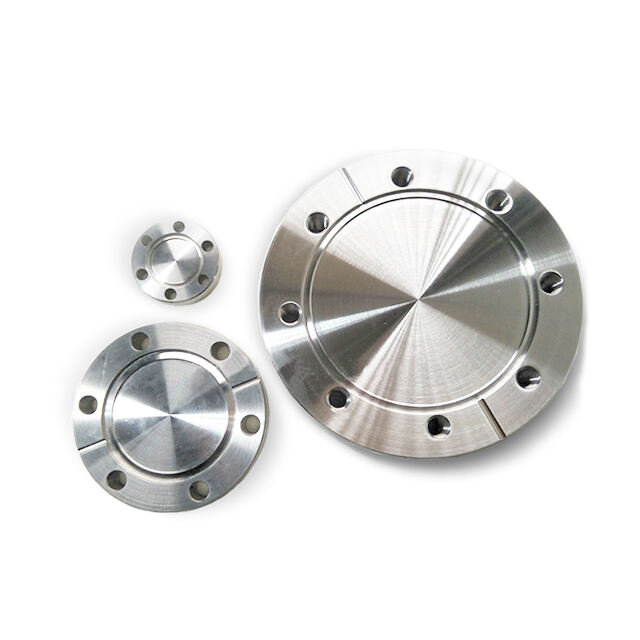
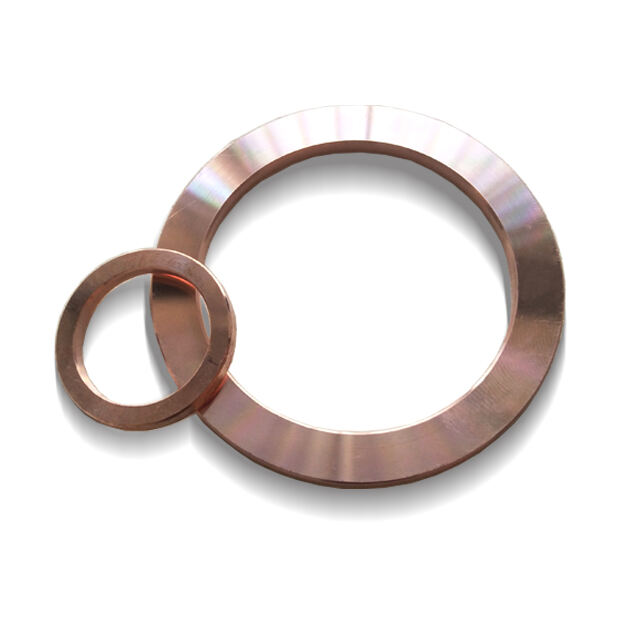
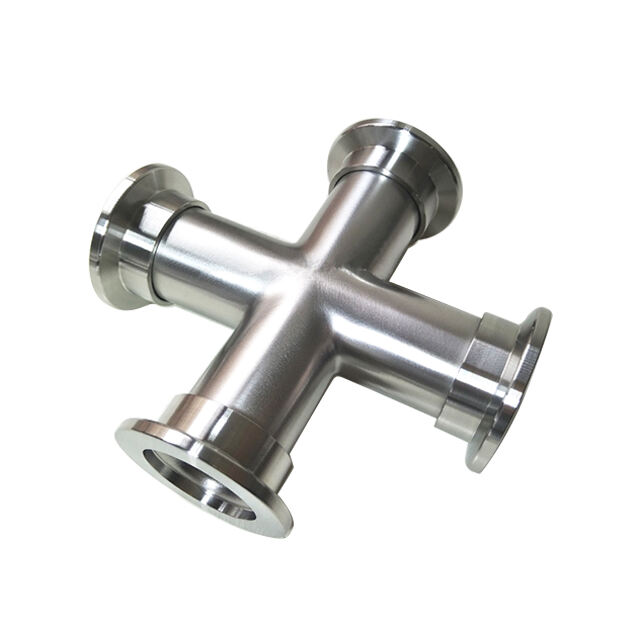
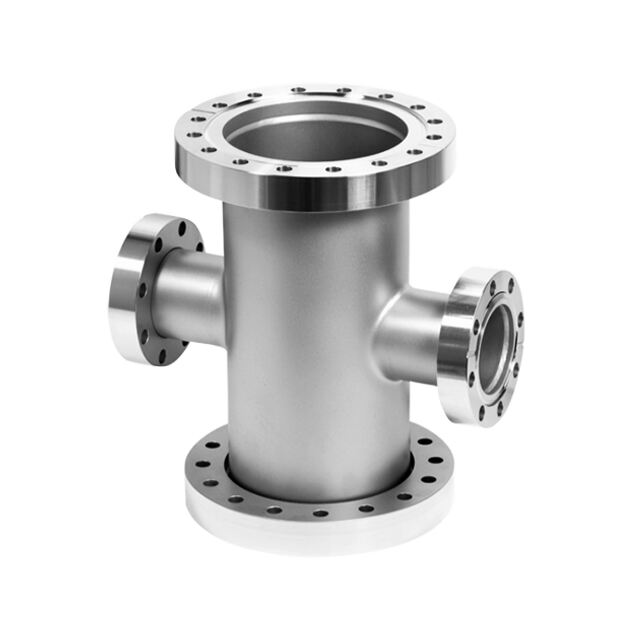
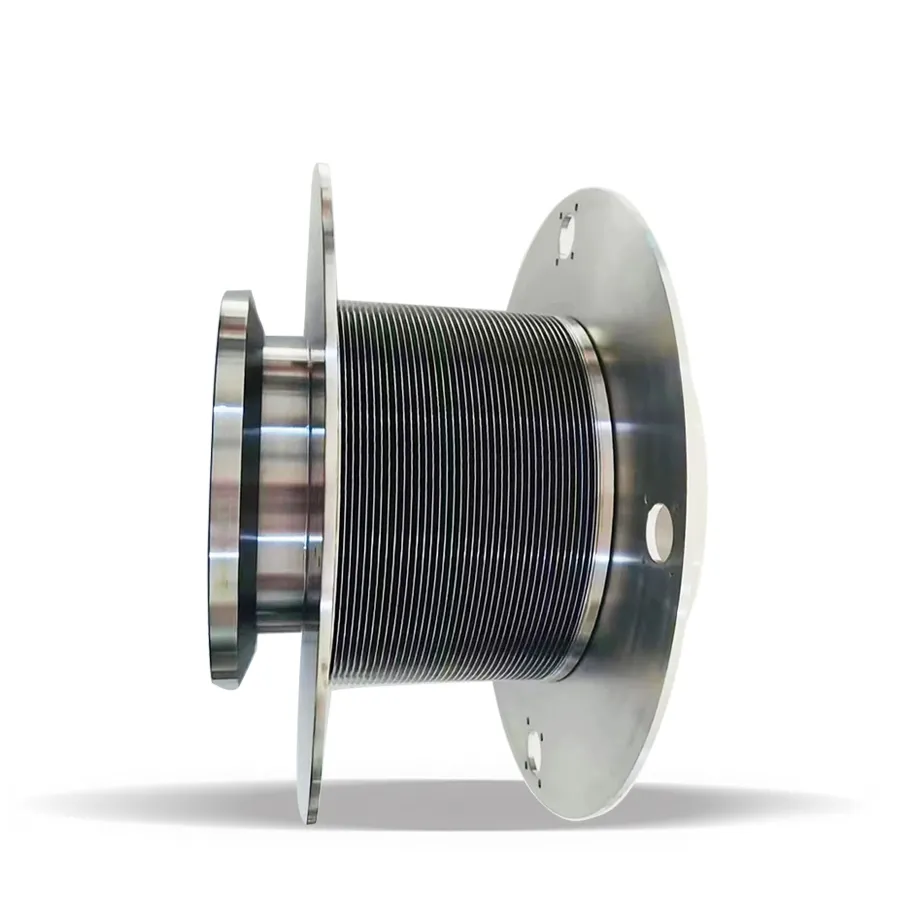
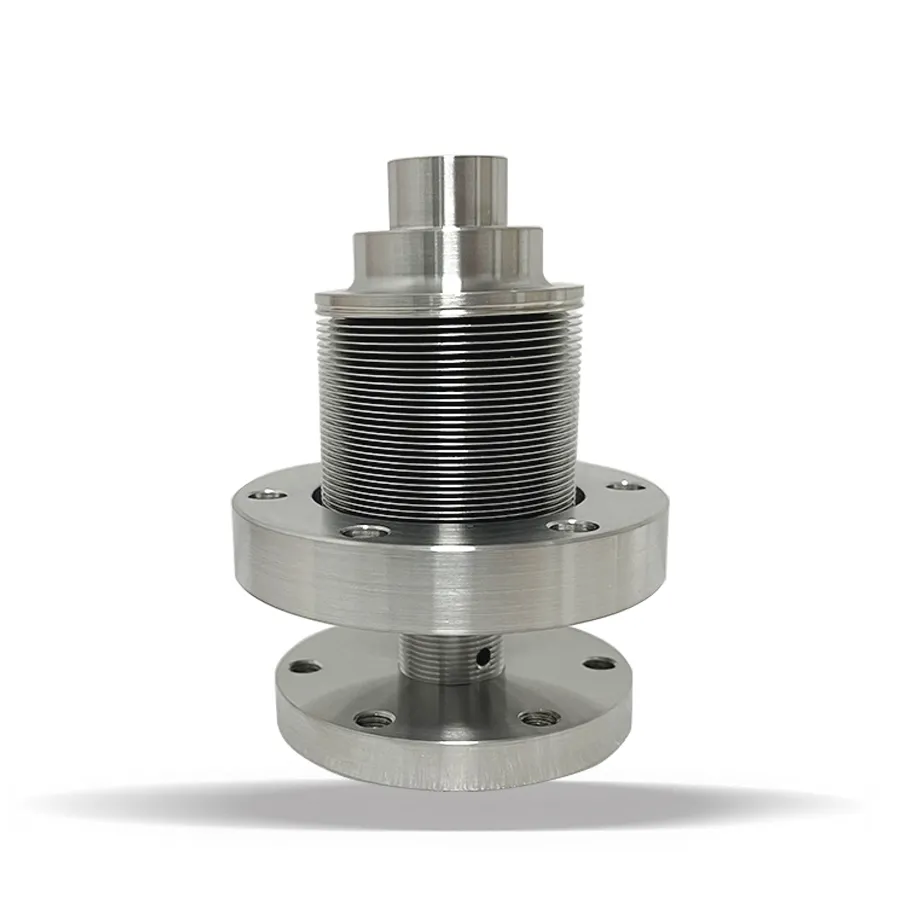
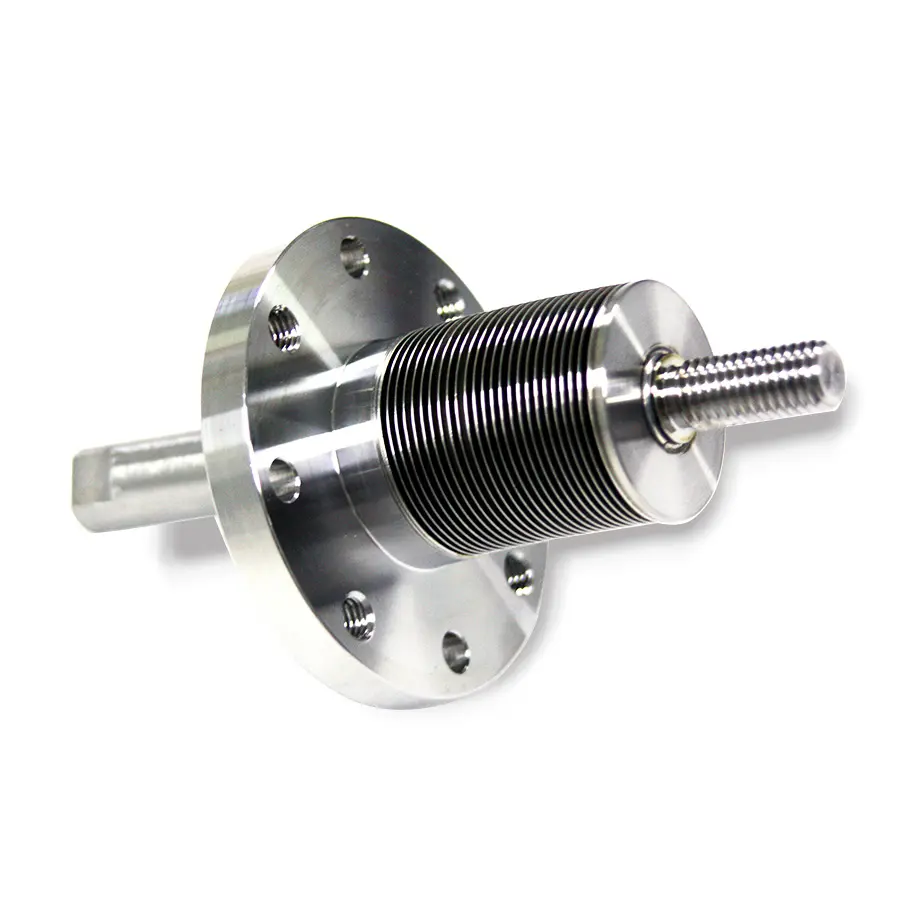
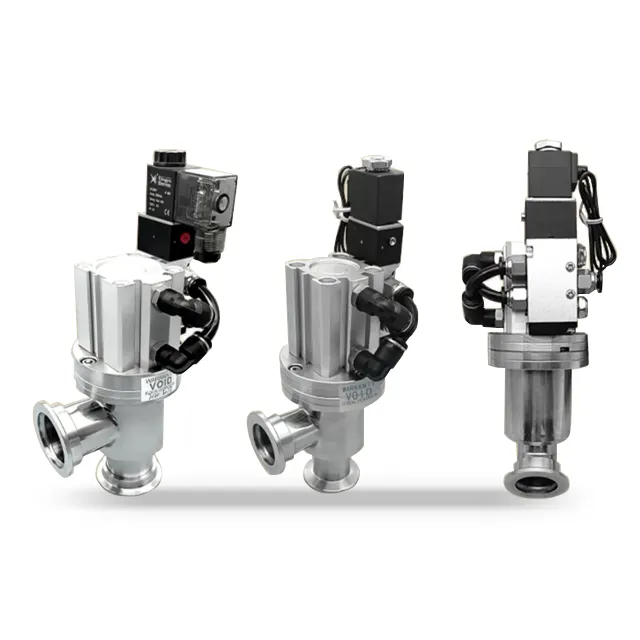
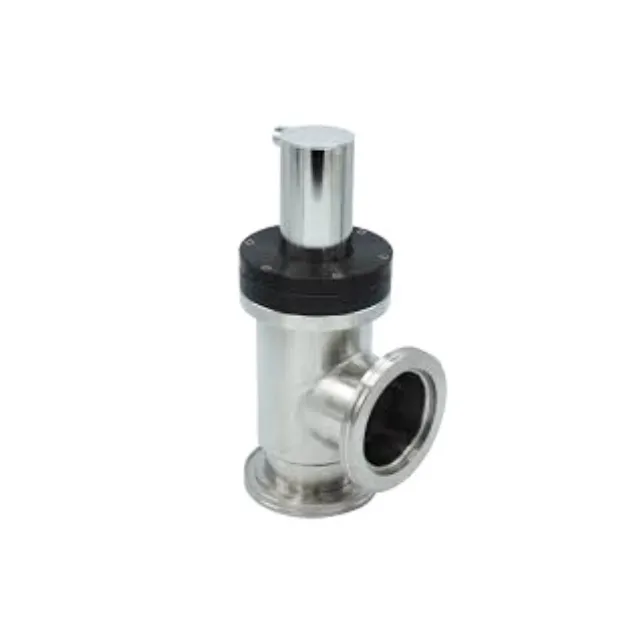
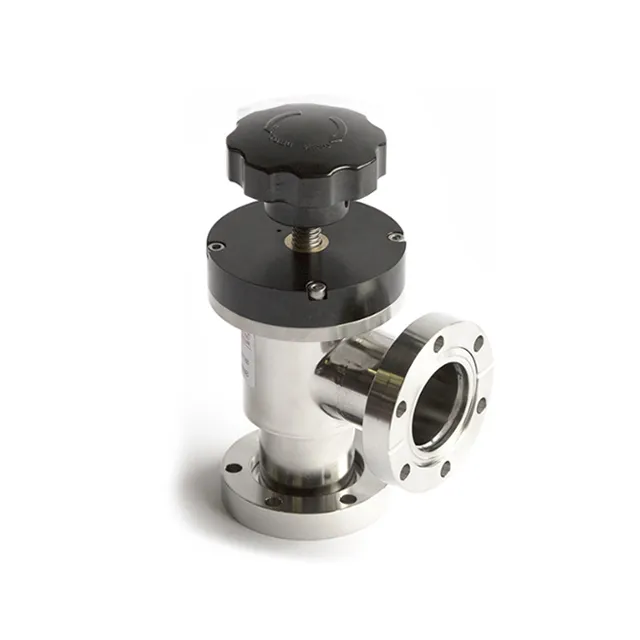
Vacuum tube fittings are specialized connection components designed to create and maintain airtight seals in vacuum systems, ensuring optimal performance across various industrial and scientific applications. These precision-engineered fittings serve as critical interfaces between vacuum tubes, chambers, pumps, and instrumentation, enabling the establishment of low-pressure environments essential for numerous processes. The primary function of vacuum tube fittings is to provide leak-tight connections while allowing for easy assembly, disassembly, and system modifications without compromising vacuum integrity. Technologically, these fittings incorporate advanced sealing mechanisms, typically utilizing elastomeric O-rings, metal gaskets, or specialized sealing compounds that can withstand extreme pressure differentials and temperature variations. Modern vacuum tube fittings feature diverse configurations including flanges, quick-connect couplings, threaded adapters, and push-to-connect designs, each optimized for specific pressure ranges and application requirements. They are manufactured from materials such as stainless steel, brass, aluminum, and specialized polymers, selected based on compatibility with process gases, chemical resistance, and durability needs. Applications span semiconductor manufacturing, analytical instrumentation, research laboratories, pharmaceutical production, and industrial coating processes where controlled vacuum environments are mandatory. The fittings support pressure ranges from rough vacuum to ultra-high vacuum conditions, accommodating various tube diameters and connection standards. Their modular design facilitates system flexibility, allowing engineers to configure custom vacuum networks efficiently while maintaining reproducible performance and minimizing contamination risks in sensitive processes.

New Product Releases

Investing in quality vacuum tube fittings delivers substantial operational benefits that directly impact your bottom line and process reliability. These components eliminate costly downtime by providing dependable, leak-free connections that maintain consistent vacuum levels, reducing the need for frequent system recalibrations and troubleshooting. The ease of installation translates to reduced labor costs and faster system deployment, with many designs featuring tool-free assembly that empowers technicians to make modifications quickly without specialized training. Durability stands as a core advantage, as premium vacuum tube fittings resist corrosion, withstand thermal cycling, and maintain sealing integrity through thousands of connection cycles, extending service intervals and reducing replacement expenses. Their compatibility with standard vacuum components means you can integrate them seamlessly into existing infrastructure without expensive custom fabrication or system redesigns. The precision manufacturing ensures repeatable performance across installations, giving you confidence in process consistency whether operating a single instrument or managing multiple production lines. Safety improvements arise from secure connections that prevent hazardous leaks, protecting personnel and equipment while ensuring compliance with industry regulations. Energy efficiency gains occur as properly sealed systems require less pumping power to achieve target vacuum levels, lowering electricity consumption and extending vacuum pump lifespan. The versatility of vacuum tube fittings allows adaptation to diverse applications, making them suitable for research environments requiring frequent reconfiguration and production settings demanding stable, long-term operation. Material options accommodate aggressive chemicals, high temperatures, and clean-room requirements, ensuring application suitability across industries. When making purchasing decisions, consider that the initial investment in reliable vacuum tube fittings pays dividends through reduced maintenance, minimized process interruptions, improved product quality, and enhanced operational flexibility that positions your facility for evolving technical demands.

Tips And Tricks

How Can Vacuum Technology Improve Process Stability and Output?

29

May

How Can Vacuum Technology Improve Process Stability and Output?

In modern industrial manufacturing, process stability and consistent output are not optional goals — they are operational necessities. vacuum technology has emerged as one of the most reliable engineering tools for achieving both. By removing gas mol...
View More
Why Are Stainless Steel Vacuum Fittings Preferred in Harsh Environments?

29

May

Why Are Stainless Steel Vacuum Fittings Preferred in Harsh Environments?

In industrial and scientific settings where reliability is non-negotiable, the choice of vacuum fittings can determine whether a system performs flawlessly or fails under pressure. Stainless steel has emerged as the dominant material for vacuum fitti...
View More
Why Is Vacuum Chamber Design Important for Industrial Applications?

29

May

Why Is Vacuum Chamber Design Important for Industrial Applications?

In industrial manufacturing and research environments, the vacuum chamber is far more than a sealed metal enclosure. It is a precisely engineered system whose design directly determines whether a process succeeds or fails. From semiconductor fabricat...
View More
How Can Custom Vacuum Systems Improve Industrial Workflow Stability?

29

May

How Can Custom Vacuum Systems Improve Industrial Workflow Stability?

Industrial workflow stability is one of the most critical factors separating high-performing facilities from those that struggle with downtime, inconsistent output, and rising operational costs. When vacuum technology is involved in production, the p...
View More

Get a Free Quote

Our representative will contact you soon.
Email
Name
Company Name
Message
0/1000

vacuum tube fittings

Superior Sealing Technology

Superior Sealing Technology

Vacuum tube fittings incorporate advanced sealing mechanisms that represent a significant leap forward in connection reliability and performance consistency. The precision-engineered sealing surfaces create intimate contact that prevents atmospheric infiltration even under extreme vacuum conditions, maintaining system integrity down to ultra-high vacuum ranges where even microscopic leaks can compromise processes. Modern designs utilize carefully selected elastomers with low outgassing properties, ensuring that seal materials themselves do not contaminate the vacuum environment or degrade performance over time. Metal sealing options provide exceptional durability for high-temperature applications and corrosive atmospheres where polymer seals would fail. The geometric design of sealing interfaces distributes compression forces evenly, preventing seal extrusion or damage during assembly while ensuring consistent performance across the entire pressure differential range. This engineering excellence translates to measurable benefits including faster pump-down times, stable holding pressures, and extended intervals between maintenance, directly supporting production efficiency and research accuracy. The reliability of these sealing systems reduces the frustration and expense associated with troubleshooting elusive leaks, allowing technical staff to focus on productive activities rather than system diagnostics.
Material Versatility and Compatibility

Material Versatility and Compatibility

The extensive material options available in vacuum tube fittings provide exceptional flexibility to match specific application requirements and operational environments. Stainless steel variants offer outstanding corrosion resistance and mechanical strength, making them ideal for chemical processing, pharmaceutical manufacturing, and applications involving aggressive gases or vapors. Brass fittings deliver excellent machinability and cost-effectiveness for general laboratory use and educational settings where budget considerations are important. Aluminum options reduce system weight while maintaining adequate strength for portable instruments and aerospace applications where mass constraints are critical. Specialized polymer fittings manufactured from PEEK, PTFE, or other engineered plastics provide chemical inertness and electrical insulation properties essential for analytical chemistry and electronics manufacturing. This material diversity ensures compatibility with process media, prevents galvanic corrosion when connecting dissimilar metals, and accommodates temperature ranges from cryogenic to elevated conditions. The ability to select materials based on specific chemical exposure, temperature profiles, and cleanliness requirements means vacuum tube fittings can be optimized for each unique application, maximizing service life and maintaining process purity standards critical in semiconductor fabrication, pharmaceutical production, and scientific research environments.
Modular Design and System Flexibility

Modular Design and System Flexibility

The modular architecture of vacuum tube fittings empowers engineers and technicians to design, modify, and expand vacuum systems with unprecedented ease and efficiency. Standardized connection interfaces ensure interoperability between components from different manufacturers, eliminating vendor lock-in and providing sourcing flexibility that controls costs and ensures supply continuity. Quick-disconnect designs enable rapid reconfiguration of experimental setups, supporting agile research methodologies and accelerating development cycles in innovation-driven industries. The variety of adapter configurations allows seamless integration of instruments with different port sizes and connection types, eliminating the need for costly custom fabrication or complete system redesigns when upgrading equipment. This modularity reduces initial capital investment by allowing phased system expansion as needs grow, rather than requiring oversized infrastructure from the outset. Maintenance becomes simpler as individual fittings can be replaced or serviced without disturbing adjacent components or breaking down entire assemblies. The standardization also facilitates training, as personnel familiar with vacuum tube fittings can work confidently across different systems and facilities. For production environments, this flexibility supports continuous improvement initiatives by enabling process optimization experiments without lengthy downtime, while research facilities benefit from the ability to rapidly prototype new apparatus configurations and test innovative approaches.

Have questions about the company?

Get a Free Quote

Our representative will contact you soon.
Email
Name
Company Name
Message
0/1000

Get a Free Quote

Our representative will contact you soon.
Email
Name
Company Name
Message
0/1000

Get a Free Quote

Our representative will contact you soon.
Email
Name
Company Name
Message
0/1000