Vacuum Chamber Fittings - Reliable Connections

All Categories

vacuum chamber fittings

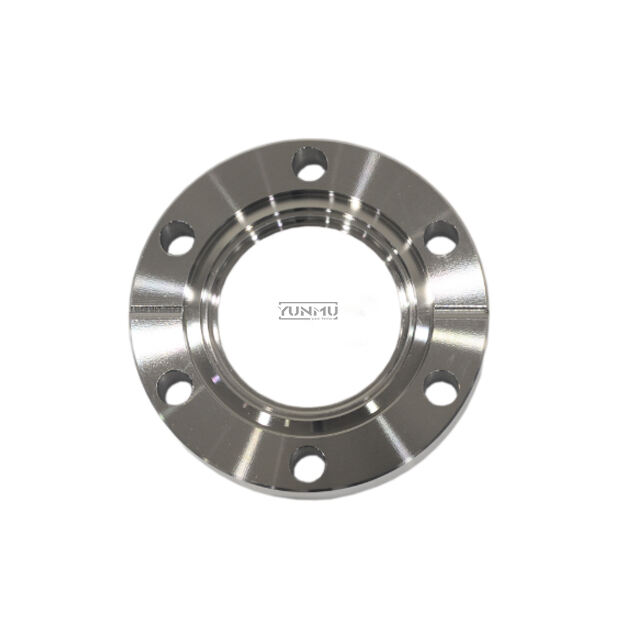
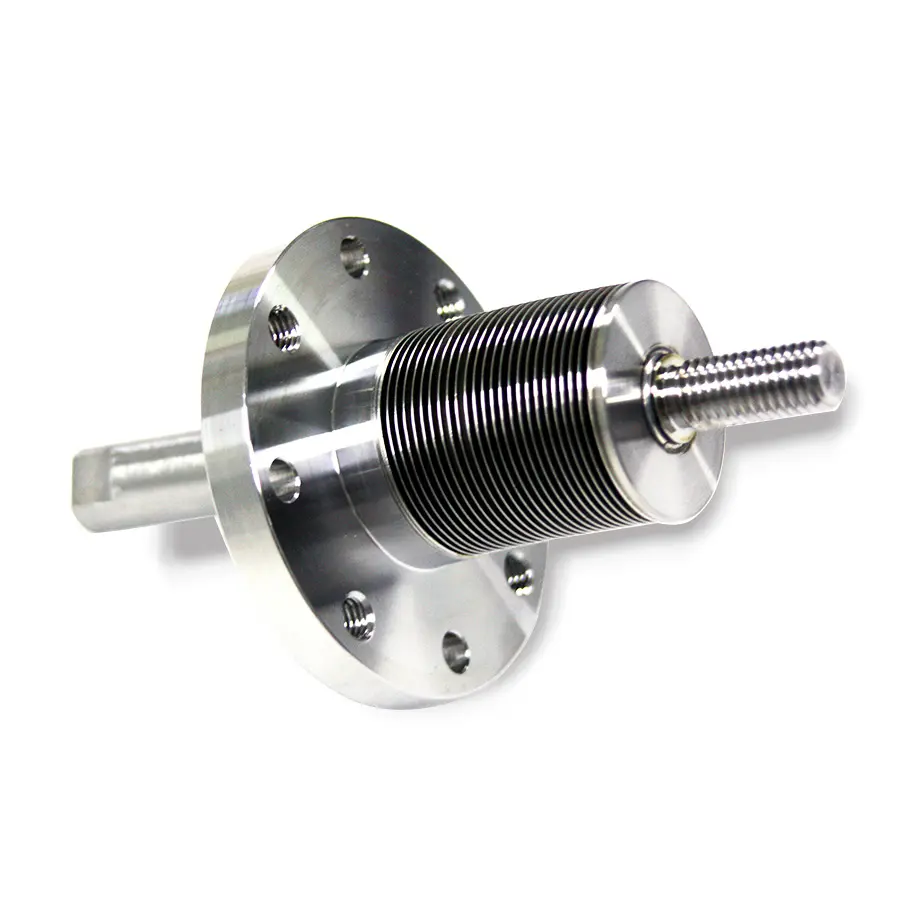
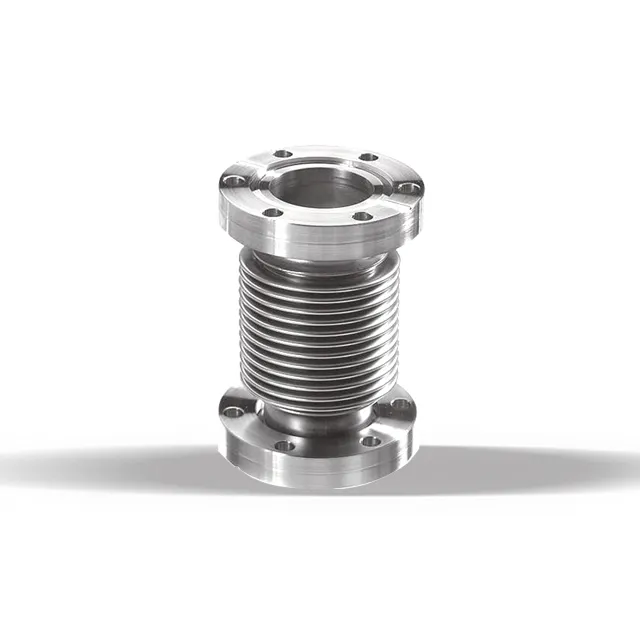
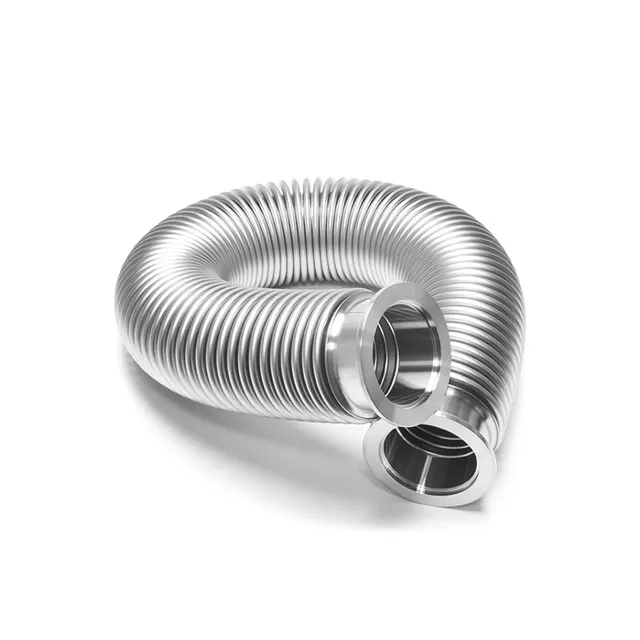
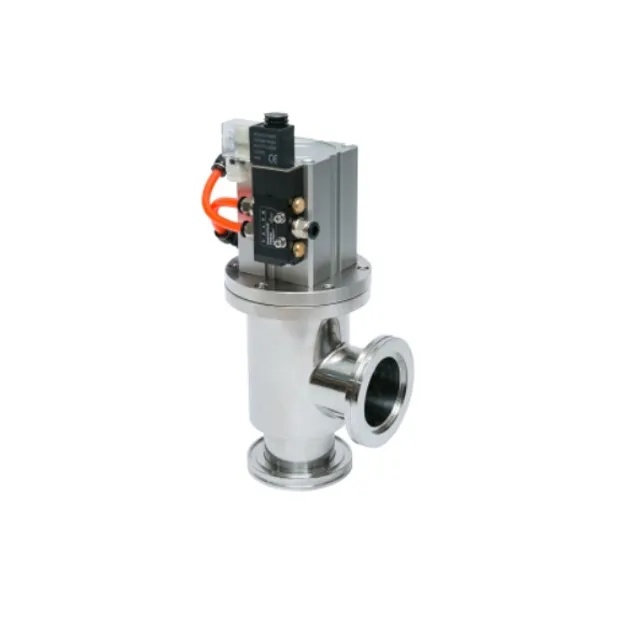
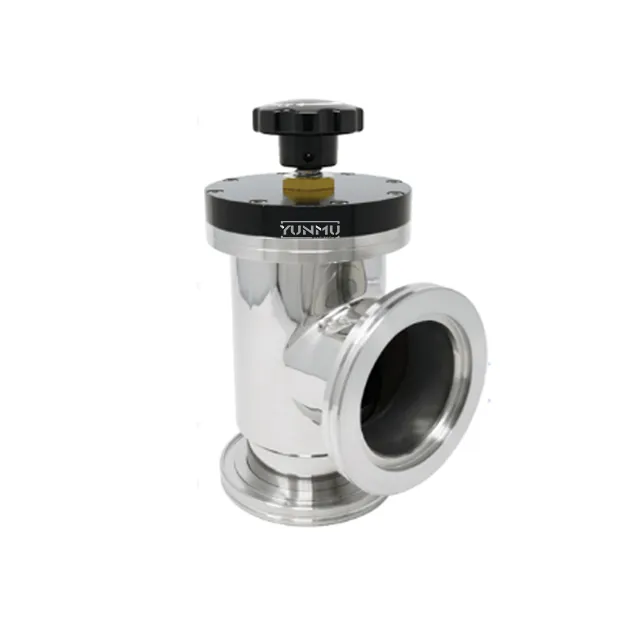
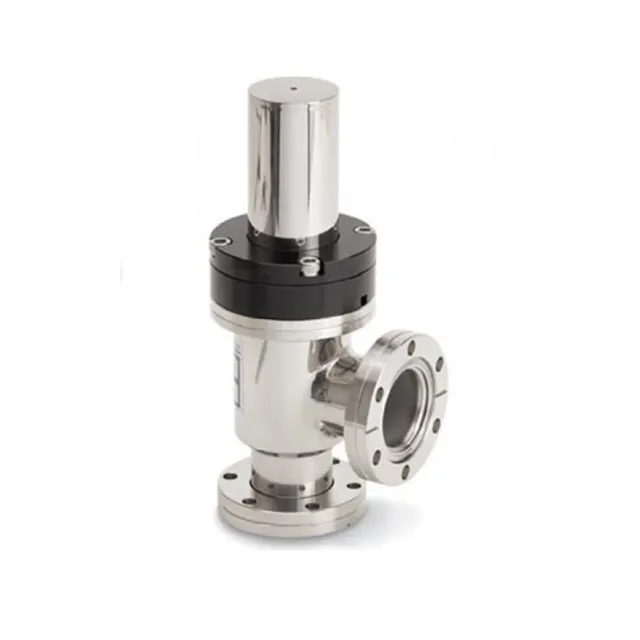
Vacuum chamber fittings are essential components designed to create secure, leak-tight connections within vacuum systems operating under low-pressure environments. These precision-engineered fittings serve as the critical interface between vacuum chambers and various auxiliary equipment, including pumps, gauges, valves, and feedthroughs. The main functions of vacuum chamber fittings include maintaining vacuum integrity, facilitating system assembly and disassembly, and enabling the integration of multiple components while preventing atmospheric contamination. Technologically, vacuum chamber fittings incorporate advanced sealing mechanisms, typically utilizing elastomer O-rings, metal gaskets, or ConFlat flanges depending on the vacuum level required. They are manufactured from high-quality materials such as stainless steel, aluminum, or specialized alloys that resist corrosion and outgassing, ensuring compatibility with ultra-high vacuum applications. Vacuum chamber fittings are available in various configurations including ISO-KF, ISO-K, and ConFlat standards, each suited to different pressure ranges and operational requirements. These fittings find extensive applications across diverse industries including semiconductor manufacturing, where contamination control is paramount, scientific research facilities conducting experiments under controlled atmospheric conditions, coating and thin-film deposition processes, pharmaceutical production requiring sterile environments, and aerospace testing chambers. The design of vacuum chamber fittings emphasizes both functionality and reliability, incorporating features such as centering rings for proper alignment, clamps for secure fastening, and smooth internal surfaces to minimize virtual leaks and facilitate efficient gas flow throughout the vacuum system.

New Product Recommendations

Choosing the right vacuum chamber fittings delivers significant operational and economic benefits that directly impact your system's performance and longevity. First, these fittings provide exceptional leak-tightness, which translates to faster pump-down times and lower energy consumption, reducing your operational costs substantially. When your vacuum system maintains proper sealing through quality vacuum chamber fittings, you eliminate the frustration and expense of troubleshooting mysterious leaks that compromise process integrity. The modular design of vacuum chamber fittings offers remarkable flexibility, allowing you to reconfigure your system as research needs evolve or production requirements change without investing in entirely new equipment. This adaptability protects your capital investment and extends equipment lifespan significantly. Installation and maintenance become straightforward tasks rather than complex procedures, as vacuum chamber fittings feature user-friendly connection mechanisms that reduce downtime during routine servicing or component replacement. Your technical staff can perform modifications quickly, keeping production schedules on track and minimizing costly interruptions. The compatibility of standardized vacuum chamber fittings with components from multiple manufacturers gives you procurement freedom and prevents vendor lock-in, ensuring competitive pricing and reliable supply chains. Material selection in vacuum chamber fittings addresses specific application challenges, with options resistant to chemical exposure, thermal cycling, and mechanical stress, ensuring consistent performance across demanding conditions. For facilities managing multiple vacuum systems, standardizing on compatible vacuum chamber fittings simplifies inventory management, reduces spare parts complexity, and streamlines staff training. The investment in quality vacuum chamber fittings pays dividends through improved process repeatability, reduced contamination risks, and enhanced system reliability, ultimately supporting better product quality and higher yields in production environments while advancing research capabilities in laboratory settings.

Tips And Tricks

What Vacuum Accessories Should Industrial Buyers Prioritize First?

29

May

What Vacuum Accessories Should Industrial Buyers Prioritize First?

For industrial buyers stepping into a vacuum system procurement process, the sheer range of available vacuum accessories can be overwhelming. From sealing components to flanges, centering rings, and clamps, each piece plays a specific role in maintai...
View More
How Does a Vacuum Chamber Support High Precision Manufacturing?

29

May

How Does a Vacuum Chamber Support High Precision Manufacturing?

In high precision manufacturing, even the smallest environmental variable can compromise the integrity of a finished component. Contaminants in the air, fluctuating pressure, and trace moisture are invisible threats that can distort measurements, wea...
View More
How Do Custom Vacuum Systems Support Specialized Manufacturing Needs?

29

May

How Do Custom Vacuum Systems Support Specialized Manufacturing Needs?

In today's advanced manufacturing landscape, standard off-the-shelf equipment often falls short when processes demand precision, repeatability, and environmental control that generic solutions simply cannot deliver. custom vacuum systems have emerged...
View More
Can Edge Welded Bellow Assemblies Extend Equipment Service Life?

04

Jun

Can Edge Welded Bellow Assemblies Extend Equipment Service Life?

When engineers and procurement specialists evaluate ways to extend the operational lifespan of precision equipment, the mechanical components that absorb motion, pressure, and thermal stress often receive the closest scrutiny. Among these, the edge w...
View More

Get a Free Quote

Our representative will contact you soon.
Email
Name
Company Name
Message
0/1000

vacuum chamber fittings

Superior Sealing Technology for Optimal Vacuum Integrity

Superior Sealing Technology for Optimal Vacuum Integrity

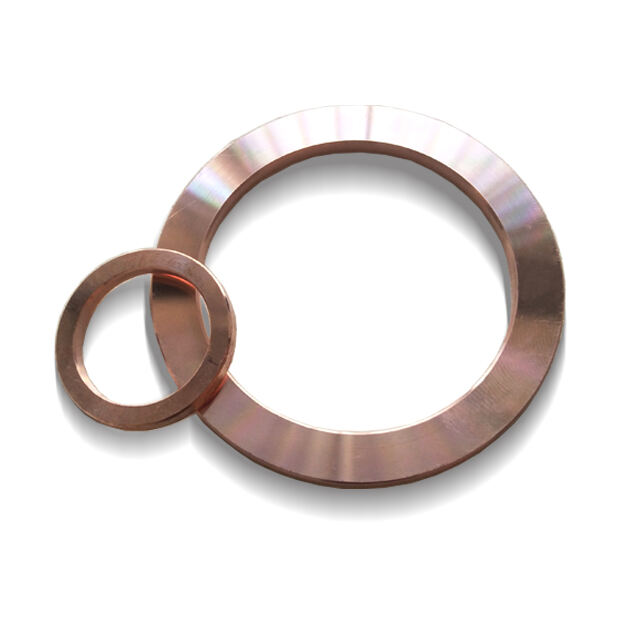
Vacuum chamber fittings incorporate sophisticated sealing technologies that ensure absolute leak-tightness across a wide range of operating pressures, from rough vacuum to ultra-high vacuum applications reaching 10^-11 mbar. The sealing mechanism varies by fitting type, with KF fittings utilizing elastomer O-rings for cost-effective rough to high vacuum applications, while ConFlat fittings employ oxygen-free copper gaskets that cold-weld to knife-edge flanges for ultra-high vacuum requirements. This knife-edge design creates a metal-to-metal seal that remains stable under extreme thermal cycling and provides exceptional helium leak rates below industry standards. The precision machining of vacuum chamber fittings ensures perfect mating surfaces that distribute clamping forces evenly, eliminating stress concentrations that could compromise seal integrity over time. Advanced surface treatments and electropolishing further enhance sealing performance by reducing microscopic surface irregularities where virtual leaks might originate. This superior sealing capability translates directly to process reliability, enabling sensitive applications such as mass spectrometry, electron microscopy, and molecular beam epitaxy to achieve the pristine vacuum conditions essential for accurate results and high-quality outcomes.
Versatile Configurations Meeting Diverse Application Needs

Versatile Configurations Meeting Diverse Application Needs

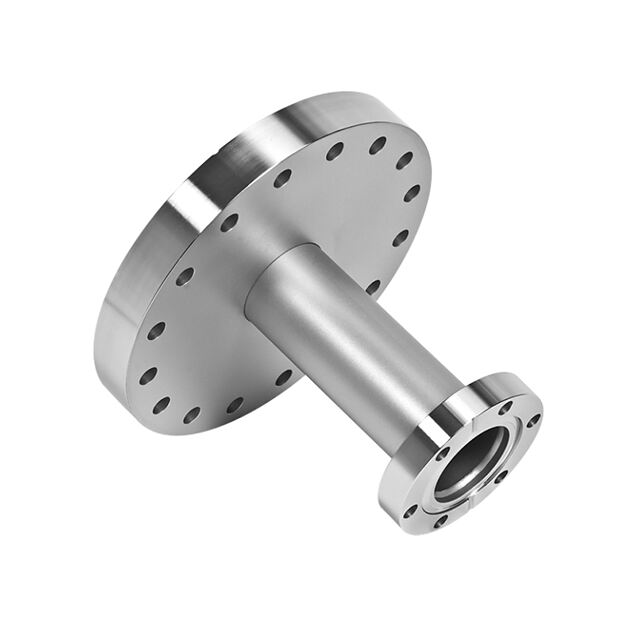
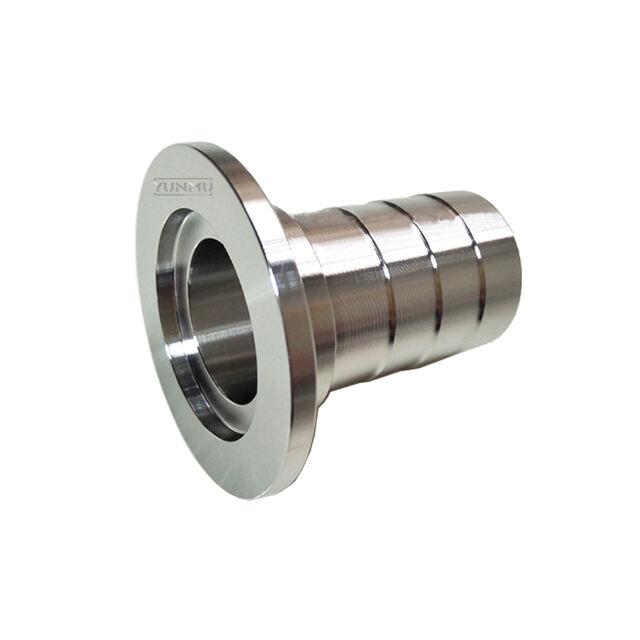
The comprehensive range of vacuum chamber fittings available addresses virtually every connection requirement in modern vacuum technology, from simple straight-through couplings to complex multi-port manifolds. Standard configurations include elbows, tees, crosses, reducers, and blank flanges, all designed to maintain consistent vacuum conductance while minimizing system footprint. Vacuum chamber fittings are available in multiple size standards ranging from small DN16 fittings for compact laboratory setups to large DN500 connections for industrial processing chambers, ensuring proper gas flow characteristics matched to pump capacity and chamber volume. Specialized vacuum chamber fittings accommodate viewports for visual inspection, motion feedthroughs for manipulating samples under vacuum, electrical feedthroughs for powering internal equipment, and liquid feedthroughs for cooling or heating applications. Quick-connect KF fittings enable rapid assembly without tools, ideal for frequently reconfigured research setups, while bolted ISO-K and ConFlat fittings provide robust connections for permanent installations and high-vibration environments. This versatility empowers system designers to create optimized vacuum configurations that balance performance requirements, spatial constraints, and budget considerations while maintaining full compatibility with existing infrastructure and future expansion possibilities.
Durable Construction Ensuring Long-Term Reliability

Durable Construction Ensuring Long-Term Reliability

Vacuum chamber fittings are engineered from premium materials specifically selected to withstand the demanding conditions of vacuum environments while maintaining dimensional stability and chemical resistance throughout extended service life. Type 304 and 316 stainless steel remain the predominant materials, offering excellent corrosion resistance, low outgassing rates, and compatibility with standard bakeout procedures that accelerate system conditioning. The austenitic structure of these steels provides non-magnetic properties essential for applications involving electron beams or sensitive magnetic measurements. Aluminum vacuum chamber fittings offer weight advantages for portable systems and aerospace applications while delivering adequate performance for many industrial processes. Surface treatments including electropolishing reduce surface roughness to Ra values below 0.4 micrometers, minimizing particle generation and facilitating thorough cleaning between processes. The robust mechanical design of vacuum chamber fittings withstands repeated thermal cycling from ambient to bakeout temperatures exceeding 200 degrees Celsius without warping or degrading seal surfaces. Precision manufacturing tolerances ensure consistent clamping geometry that prevents gasket extrusion or uneven compression, common causes of premature seal failure. This durability translates to lower total cost of ownership through reduced replacement frequency, minimal unscheduled maintenance, and consistent system performance that supports quality production outcomes year after year.

Have questions about the company?

Get a Free Quote

Our representative will contact you soon.
Email
Name
Company Name
Message
0/1000

Get a Free Quote

Our representative will contact you soon.
Email
Name
Company Name
Message
0/1000

Get a Free Quote

Our representative will contact you soon.
Email
Name
Company Name
Message
0/1000