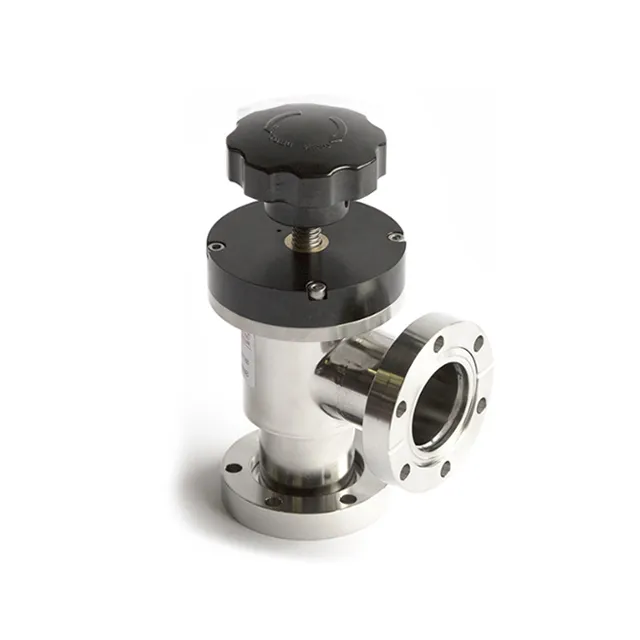
Stainless Steel Vacuum Fittings Solutions

All Categories

stainless steel vacuum fittings

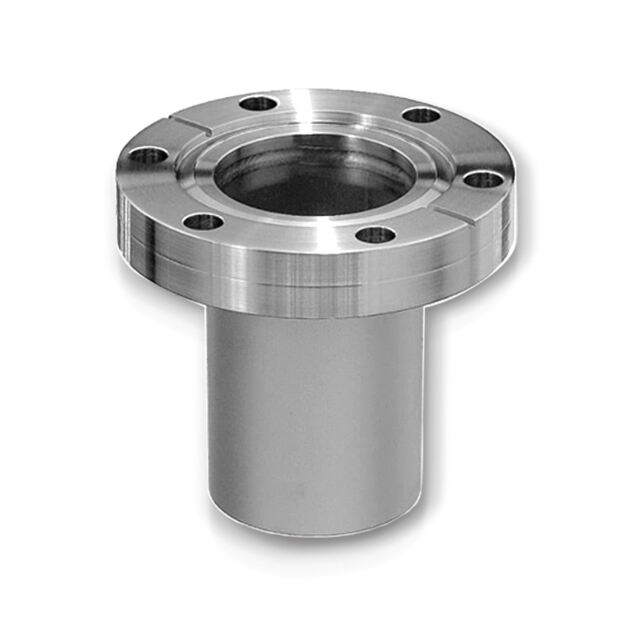
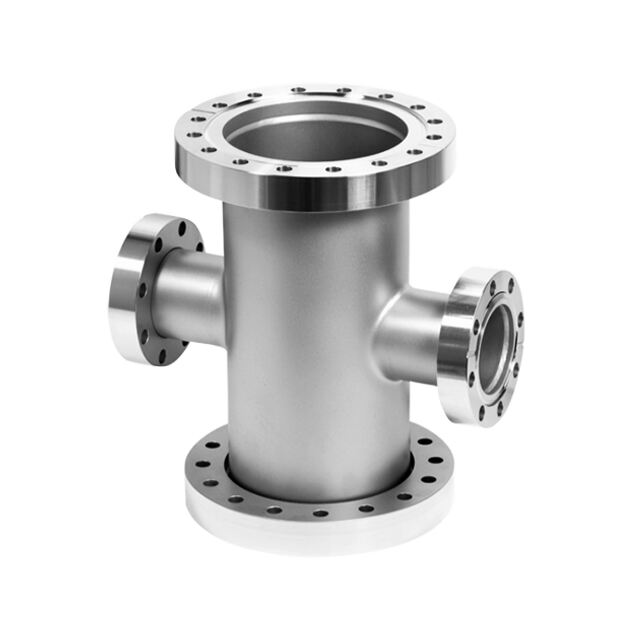
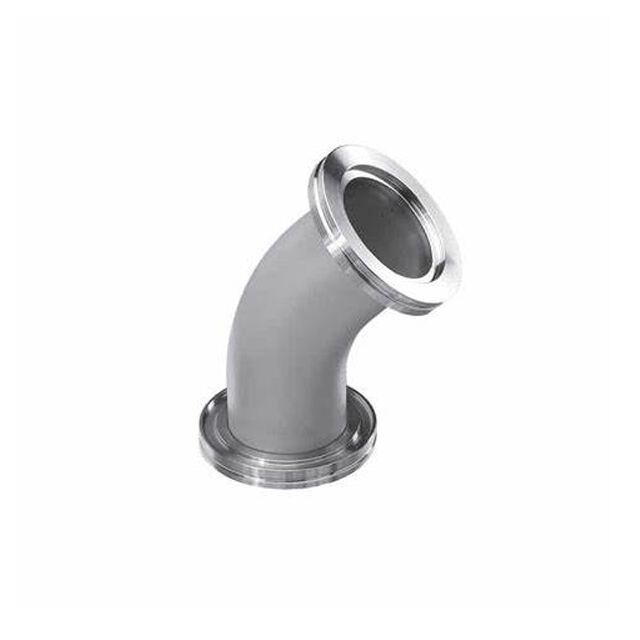
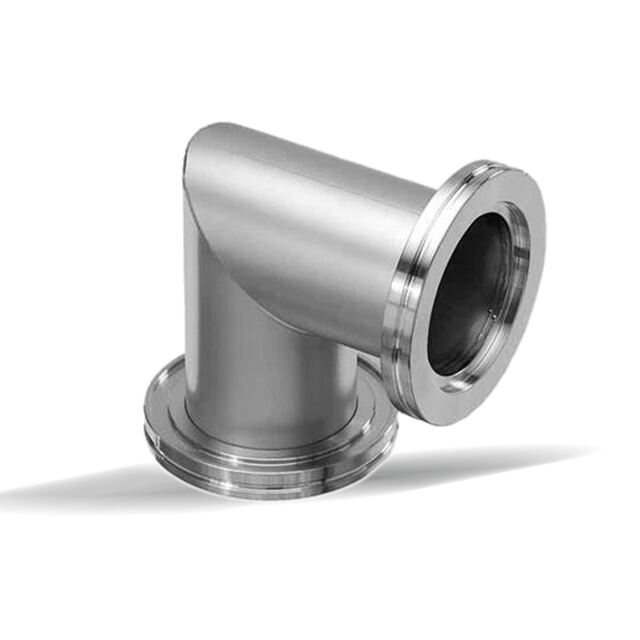
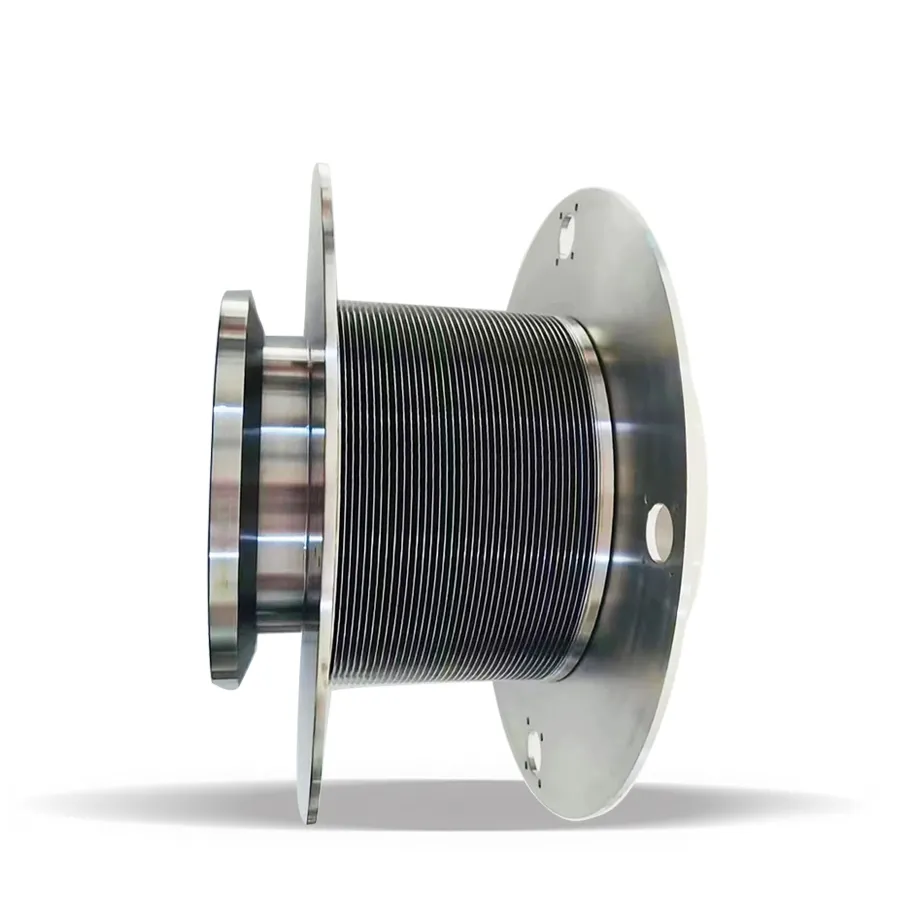
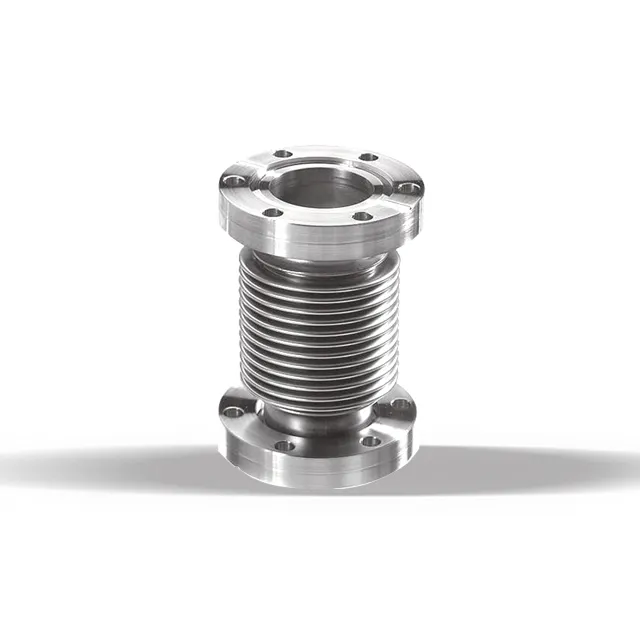
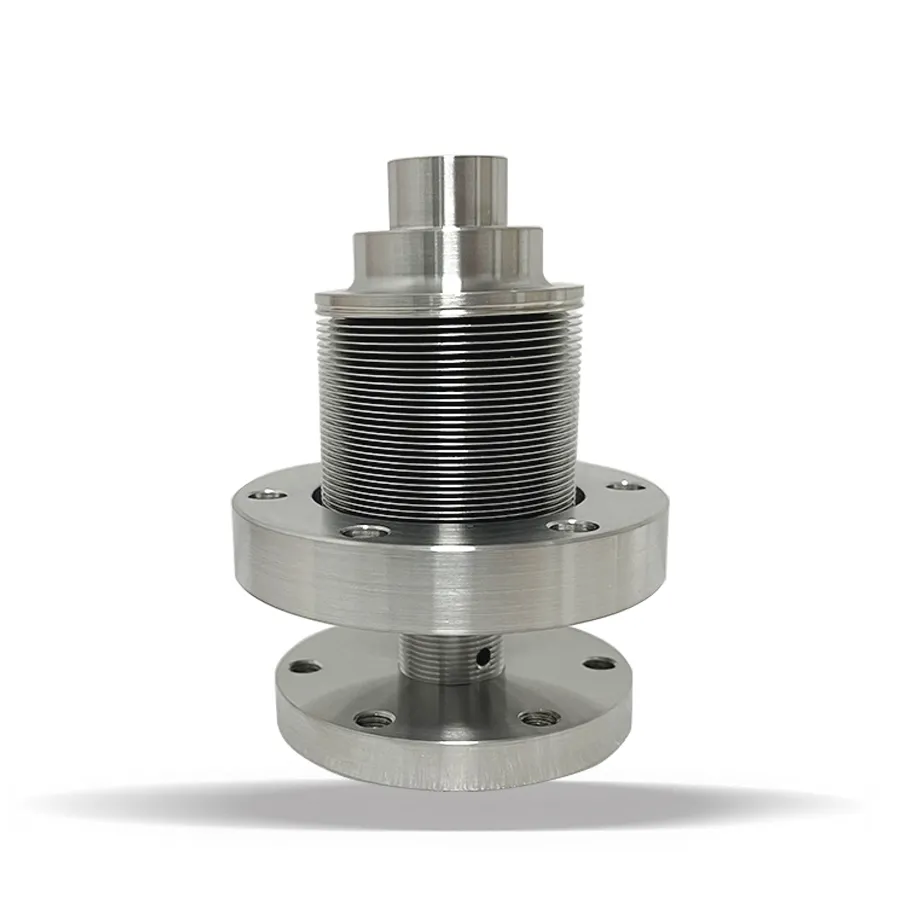
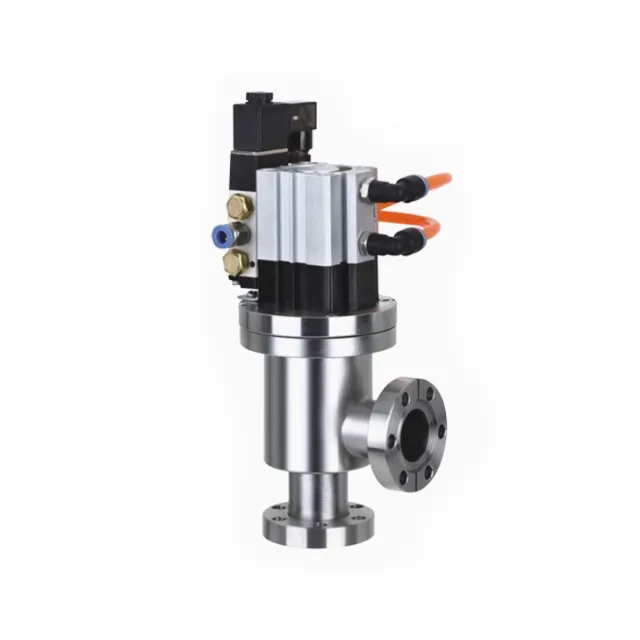
Stainless steel vacuum fittings are essential components designed to create secure, leak-tight connections in vacuum systems operating under high or ultra-high vacuum conditions. These precision-engineered connectors enable reliable assembly of vacuum chambers, pumps, gauges, valves, and instrumentation while maintaining system integrity. Manufactured from high-grade stainless steel alloys, these fittings resist corrosion, withstand extreme temperatures, and provide exceptional durability in demanding environments. The primary functions include establishing hermetic seals, facilitating system modifications, enabling component replacement, and ensuring consistent vacuum levels throughout complex configurations. Stainless steel vacuum fittings incorporate advanced sealing technologies such as conflat flanges with copper gaskets, ISO-KF quick flanges with centering rings, and ISO-F flanges for larger diameter applications. Their technological features encompass non-magnetic properties, low outgassing rates, compatibility with bakeout procedures, and resistance to thermal cycling. These characteristics make them indispensable across diverse applications including semiconductor manufacturing, analytical instrumentation, research laboratories, particle accelerators, coating systems, and industrial processing equipment. Available in various configurations such as elbows, tees, crosses, reducers, adapters, and custom geometries, stainless steel vacuum fittings accommodate different vacuum ranges from rough vacuum to ultra-high vacuum environments. Their standardized designs ensure interchangeability and compatibility across different manufacturers, simplifying procurement and maintenance. The robust construction and material selection guarantee long-term performance, minimizing downtime and reducing total cost of ownership for critical vacuum applications.

New Product Releases

Investing in stainless steel vacuum fittings delivers substantial practical benefits that directly impact your operational efficiency and bottom line. The corrosion-resistant nature of stainless steel ensures your vacuum systems maintain performance integrity over extended periods, eliminating frequent replacement costs and reducing maintenance downtime. Unlike brass or aluminum alternatives, these fittings withstand aggressive chemical environments, moisture exposure, and temperature extremes without degrading, providing reliable service in pharmaceutical, chemical processing, and semiconductor applications. The superior sealing capabilities prevent costly vacuum leaks that compromise process quality and waste energy through continuous pump operation. Users experience faster installation times thanks to standardized connection interfaces that eliminate custom fabrication requirements and simplify system assembly. The material's inherent strength allows stainless steel vacuum fittings to handle mechanical stress during thermal expansion and contraction cycles without developing leaks or structural failures. This durability translates to predictable system performance and fewer emergency repairs, allowing your technical teams to focus on productive tasks rather than troubleshooting. The non-magnetic properties prove critical in analytical equipment and research settings where magnetic interference would compromise measurement accuracy. Additionally, the low outgassing characteristics ensure cleaner vacuum environments, essential for applications requiring contamination-free conditions such as thin film deposition, mass spectrometry, and electron microscopy. From a purchasing perspective, the initial investment in quality stainless steel vacuum fittings pays dividends through reduced lifecycle costs, improved process yields, and enhanced workplace safety. These fittings adapt to various vacuum levels and applications, offering versatility that protects your investment as operational requirements evolve, making them the smart choice for organizations prioritizing reliability and performance.

Practical Tips

How Can Vacuum Technology Improve Process Stability and Output?

29

May

How Can Vacuum Technology Improve Process Stability and Output?

In modern industrial manufacturing, process stability and consistent output are not optional goals — they are operational necessities. vacuum technology has emerged as one of the most reliable engineering tools for achieving both. By removing gas mol...
View More
How Do Custom Vacuum Systems Support Specialized Manufacturing Needs?

29

May

How Do Custom Vacuum Systems Support Specialized Manufacturing Needs?

In today's advanced manufacturing landscape, standard off-the-shelf equipment often falls short when processes demand precision, repeatability, and environmental control that generic solutions simply cannot deliver. custom vacuum systems have emerged...
View More
Why Are Integrated Vacuum Solutions Important for Modern Factories?

04

Jun

Why Are Integrated Vacuum Solutions Important for Modern Factories?

Modern manufacturing environments are under constant pressure to improve efficiency, reduce contamination risks, and maintain precise process control across every production stage. In this context, vacuum solutions have evolved from being a periphera...
View More
How Can Edge Welded Bellow Systems Improve Vacuum Performance?

04

Jun

How Can Edge Welded Bellow Systems Improve Vacuum Performance?

In high-precision vacuum environments, even the smallest mechanical compromise can lead to significant performance degradation. The edge welded bellow has emerged as one of the most reliable solutions for maintaining vacuum integrity while accommodat...
View More

Get a Free Quote

Our representative will contact you soon.
Email
Name
Company Name
Message
0/1000

stainless steel vacuum fittings

Superior Material Integrity and Longevity

Superior Material Integrity and Longevity

Stainless steel vacuum fittings utilize premium-grade austenitic stainless steel alloys, typically 304 or 316L, engineered specifically for vacuum service applications. These materials exhibit exceptional resistance to oxidation, chemical attack, and stress corrosion cracking, ensuring dimensional stability throughout years of continuous operation. The metallurgical properties prevent surface degradation that could introduce particulate contamination into sensitive processes. Unlike coated materials where protective layers may chip or wear away, stainless steel provides uniform corrosion protection throughout the entire fitting body. This inherent material advantage becomes particularly valuable in applications involving corrosive gases, high humidity environments, or aggressive cleaning procedures. The fittings maintain their structural integrity through repeated thermal cycles, supporting bakeout temperatures exceeding 450 degrees Celsius without warping or developing permanent deformation. This thermal stability ensures consistent sealing performance after temperature excursions, critical for maintaining ultra-high vacuum conditions. The material's work-hardening characteristics provide additional strength at connection points subjected to assembly torque, preventing galling and thread damage during installation. Organizations benefit from predictable service life, simplified inventory management, and confidence in system reliability when specifying stainless steel vacuum fittings for new installations or retrofit projects.
Precision Engineering for Leak-Free Performance

Precision Engineering for Leak-Free Performance

The manufacturing precision of stainless steel vacuum fittings directly determines vacuum system performance and reliability. Advanced machining processes create sealing surfaces with surface finishes measured in microinches, essential for achieving leak rates below measurable thresholds in ultra-high vacuum applications. Conflat-style stainless steel vacuum fittings employ knife-edge flanges that cut into annealed copper gaskets, creating metal-to-metal seals capable of withstanding extreme pressure differentials and thermal cycling. This sealing methodology eliminates elastomeric materials that outgas contaminants or degrade under vacuum conditions. ISO-KF quick-flange configurations incorporate centering rings and clamps, enabling tool-free assembly while maintaining vacuum integrity, significantly reducing installation time in applications requiring frequent reconfiguration. Dimensional tolerances held to exacting standards ensure interchangeability between manufacturers, protecting procurement flexibility and avoiding costly system modifications. The precision-machined threads on threaded connections prevent cross-threading and ensure proper gasket compression, critical factors in achieving reliable seals. Quality control procedures including helium leak testing verify each fitting meets stringent leak rate specifications before shipment. This commitment to precision engineering translates to fewer field failures, reduced commissioning time, and consistent process results that justify the investment in quality stainless steel vacuum fittings for demanding applications.
Comprehensive Configuration Options for System Flexibility

Comprehensive Configuration Options for System Flexibility

Stainless steel vacuum fittings are available in extensive configuration varieties addressing virtually any vacuum system design requirement. Standard components include straight connectors, reducing adapters, right-angle elbows, tees, crosses, and specialized geometries for complex plumbing arrangements. This diversity allows engineers to optimize vacuum conductance, minimize system footprint, and route connections around spatial constraints without compromising performance. Adapters between different flange standards enable integration of components from various manufacturers or upgrading legacy systems with modern instrumentation. Port sizes ranging from small instrument connections to large chamber flanges accommodate applications from benchtop analytical equipment to industrial-scale processing systems. Custom configurations can be fabricated to address unique application challenges, providing solutions where standard components prove inadequate. The availability of blank flanges, viewports, electrical feedthroughs, and motion feedthroughs integrated into stainless steel vacuum fittings consolidates multiple functions within single connection points, reducing leak paths and simplifying system architecture. Multi-port manifolds distribute vacuum connections efficiently, reducing the total component count and associated leak potential. This configuration flexibility extends system design possibilities, enables future expansion, and accommodates evolving process requirements without necessitating complete system redesigns, making stainless steel vacuum fittings a forward-thinking investment for organizations planning long-term vacuum infrastructure.

Have questions about the company?

Get a Free Quote

Our representative will contact you soon.
Email
Name
Company Name
Message
0/1000

Get a Free Quote

Our representative will contact you soon.
Email
Name
Company Name
Message
0/1000

Get a Free Quote

Our representative will contact you soon.
Email
Name
Company Name
Message
0/1000