Vacuum System Fittings: Essential Components Guide

All Categories

vacuum system fittings

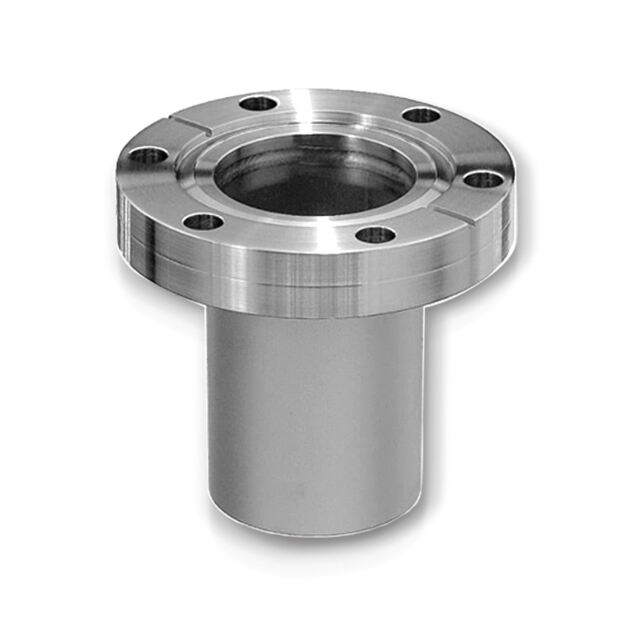
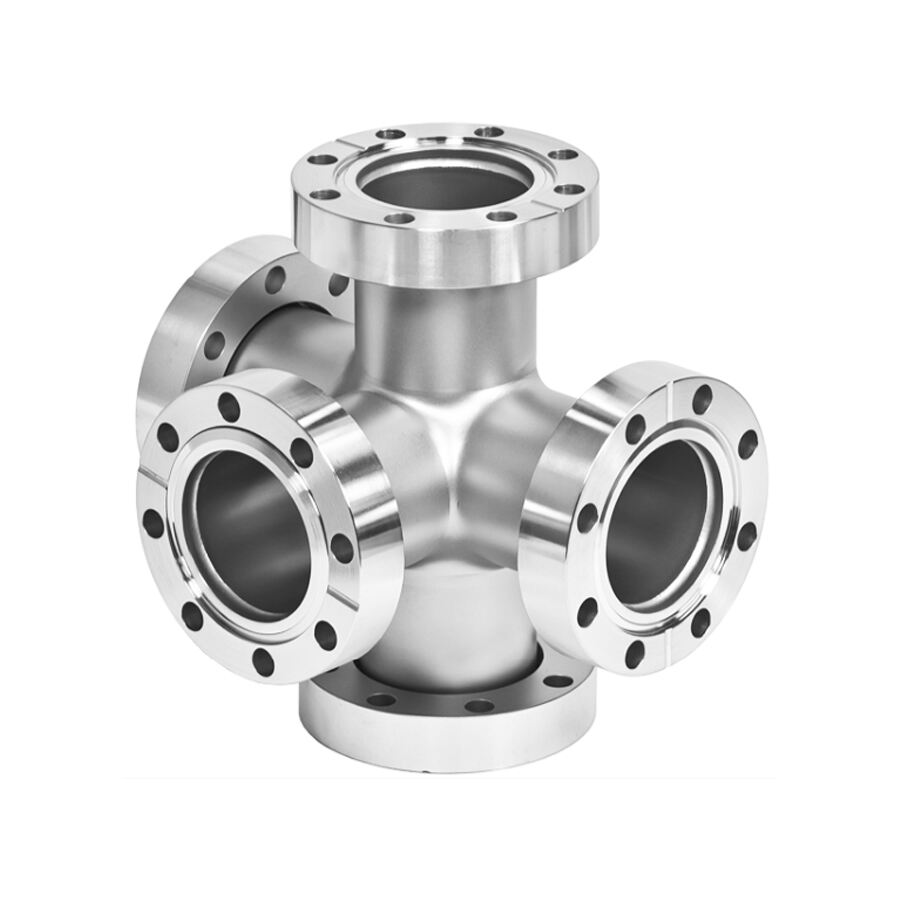
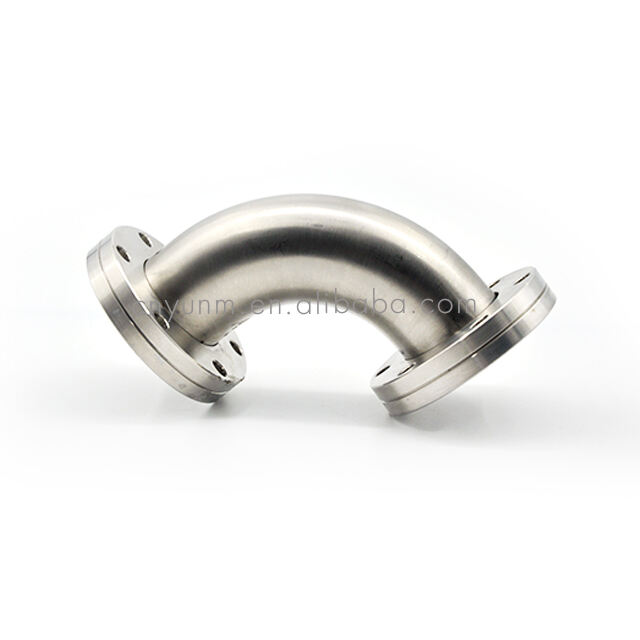
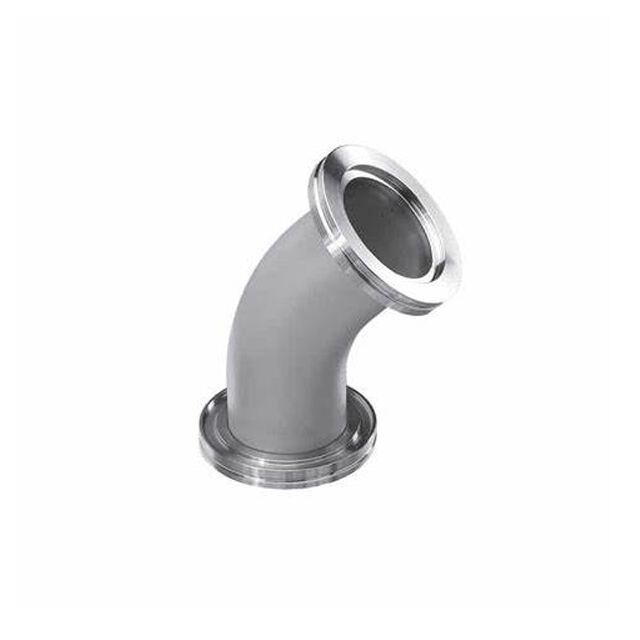
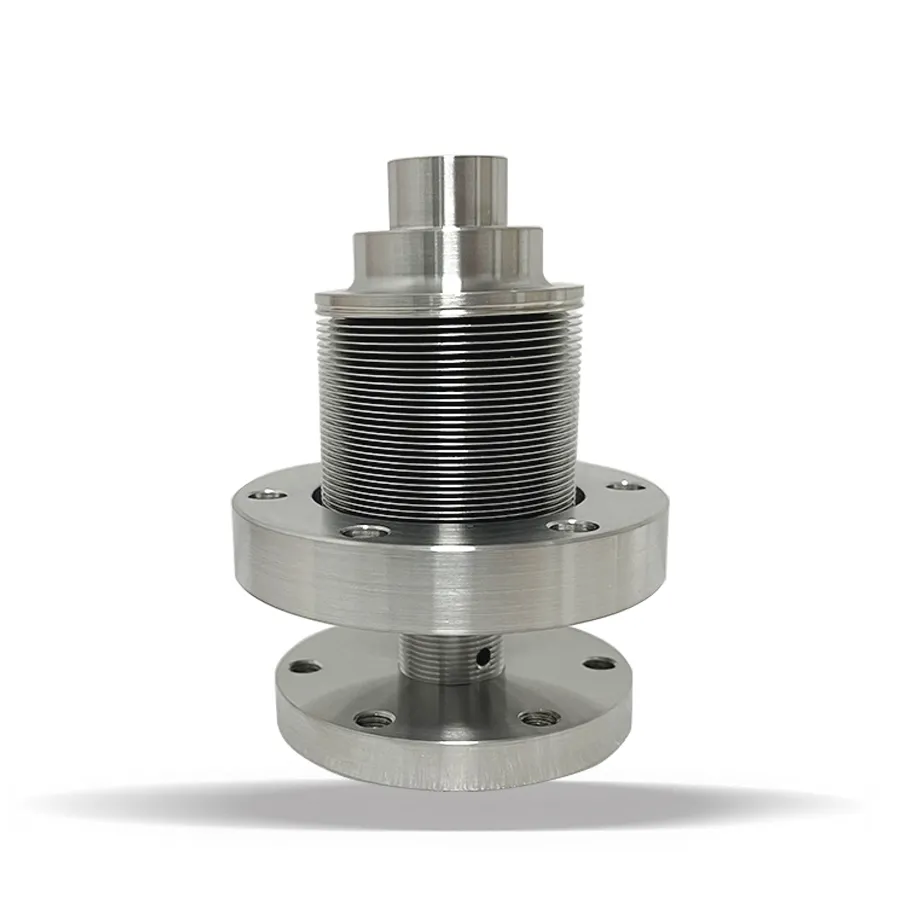
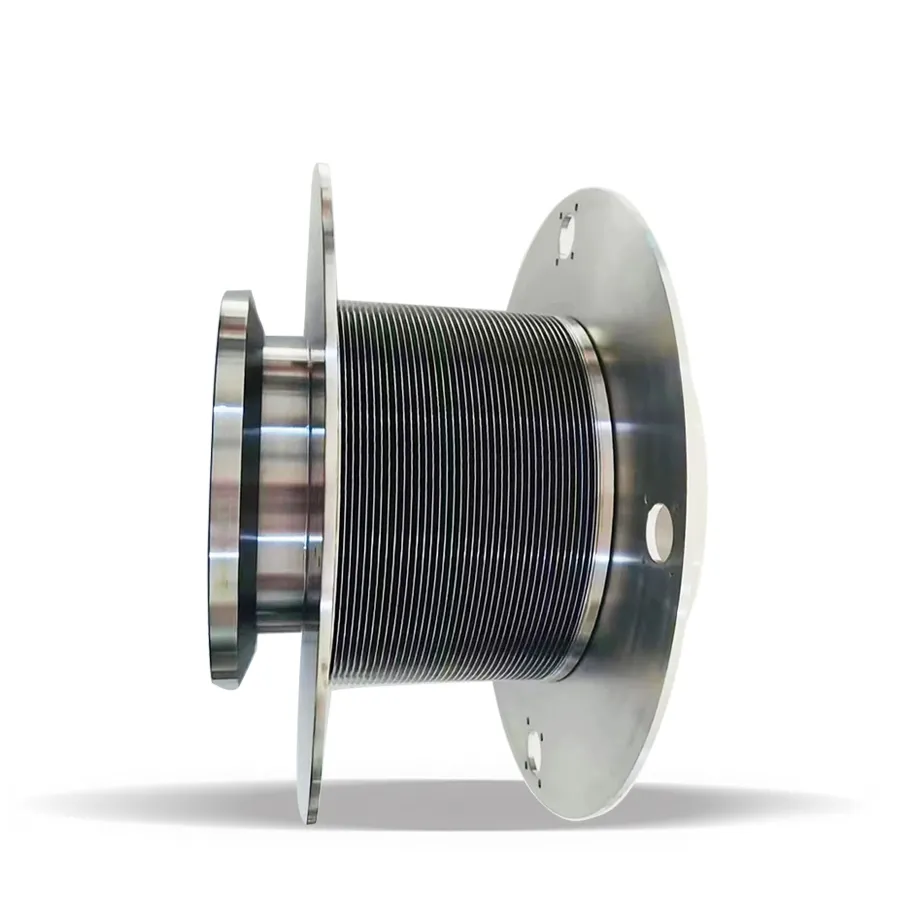
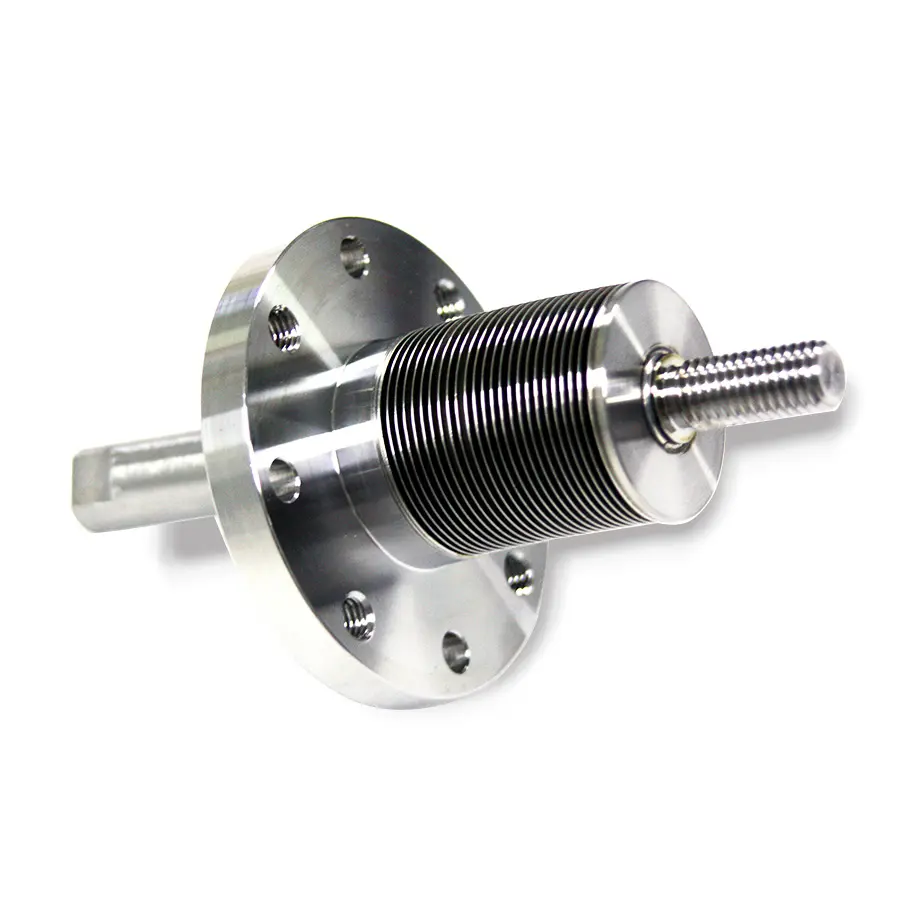
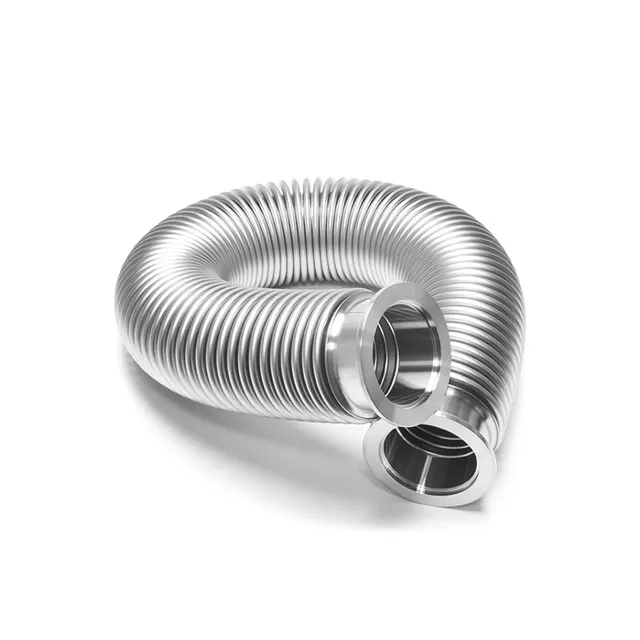
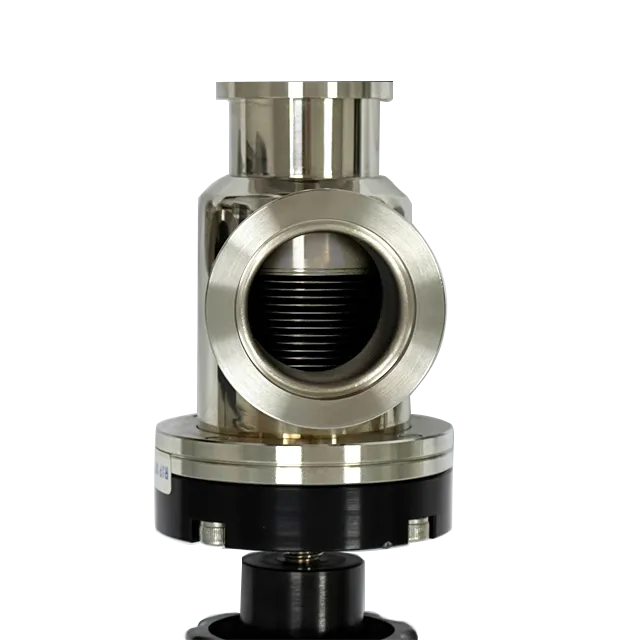
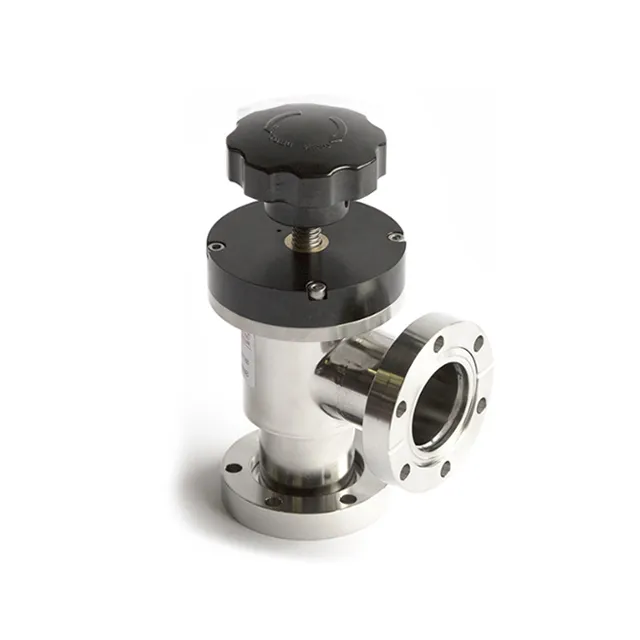
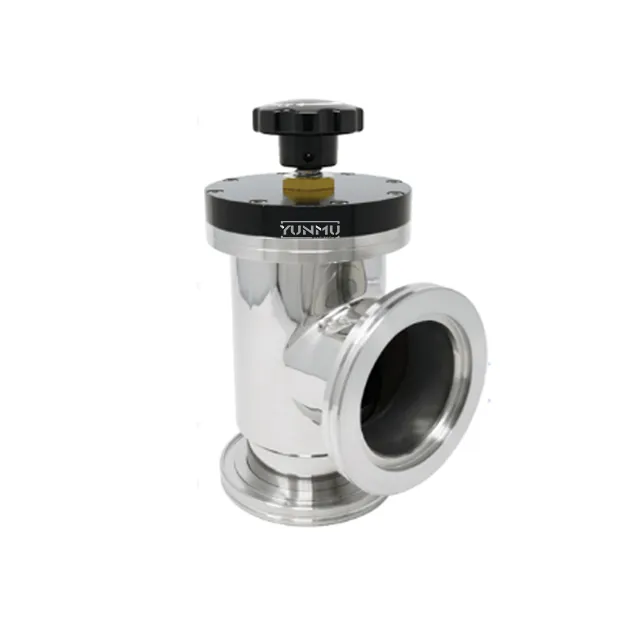
Vacuum system fittings are critical components that ensure the integrity and performance of vacuum environments across industrial, scientific, and manufacturing applications. These specialized connectors are engineered to create leak-tight seals that maintain the low-pressure conditions essential for vacuum operations. Vacuum system fittings come in various configurations including flanges, couplings, elbows, tees, and reducers, each designed to connect vacuum chambers, pumps, gauges, and pipelines seamlessly. The primary function of vacuum system fittings is to establish secure connections that prevent atmospheric contamination and maintain consistent vacuum levels throughout the system. Technologically, these fittings incorporate precision-machined surfaces, high-quality sealing materials such as elastomers or metal gaskets, and robust construction from stainless steel, aluminum, or brass to withstand both mechanical stress and corrosive environments. Modern vacuum system fittings feature standardized interfaces like ISO-KF, ISO-K, ConFlat, and ASA flanges that ensure compatibility across different equipment manufacturers. Applications span semiconductor fabrication, pharmaceutical processing, research laboratories, coating technologies, freeze-drying operations, and analytical instrumentation. The versatility of vacuum system fittings allows engineers to configure custom vacuum networks that meet specific pressure ranges from rough vacuum to ultra-high vacuum conditions. Proper selection of vacuum system fittings based on pressure requirements, temperature range, and chemical compatibility directly impacts system reliability, operational efficiency, and process outcomes, making them indispensable elements in any vacuum technology infrastructure.

New Products

Investing in quality vacuum system fittings delivers substantial operational benefits that directly impact your bottom line and production reliability. First, these fittings dramatically reduce downtime by preventing vacuum leaks that would otherwise compromise your entire system and halt production processes. When vacuum system fittings maintain proper sealing integrity, your equipment operates at optimal efficiency, reducing energy consumption as pumps don't work overtime compensating for pressure losses. The modular nature of vacuum system fittings provides exceptional flexibility, allowing you to reconfigure your vacuum network as production needs evolve without extensive system overhauls. This adaptability translates to significant cost savings over time, as expanding or modifying your setup becomes straightforward and budget-friendly. Superior vacuum system fittings withstand harsh operating conditions including temperature fluctuations, chemical exposure, and mechanical vibration, ensuring long service life that minimizes replacement costs and maintenance frequency. The standardized designs of vacuum system fittings simplify procurement and inventory management, as components from different manufacturers can integrate seamlessly into your existing infrastructure. Installation becomes faster and more reliable with vacuum system fittings that feature user-friendly connection mechanisms, reducing labor costs and minimizing the risk of installation errors. For applications requiring stringent contamination control, high-purity vacuum system fittings prevent particle generation and outgassing that could compromise sensitive processes or product quality. The precision engineering behind vacuum system fittings ensures consistent performance across your entire vacuum network, enabling predictable process outcomes and higher yield rates. Whether you operate in pharmaceutical manufacturing, electronics production, or research environments, selecting appropriate vacuum system fittings provides the reliability foundation necessary for mission-critical operations while offering the scalability to support future growth initiatives.

Latest News

Why Are Stainless Steel Vacuum Fittings Preferred in Harsh Environments?

29

May

Why Are Stainless Steel Vacuum Fittings Preferred in Harsh Environments?

In industrial and scientific settings where reliability is non-negotiable, the choice of vacuum fittings can determine whether a system performs flawlessly or fails under pressure. Stainless steel has emerged as the dominant material for vacuum fitti...
View More
How Do Vacuum Accessories Support Faster Vacuum System Upgrades?

29

May

How Do Vacuum Accessories Support Faster Vacuum System Upgrades?

When a vacuum system needs to be upgraded, the speed and success of that process depend heavily on more than just the main pump or chamber. The supporting components — the fittings, adapters, flanges, and connectors that link every element of the sys...
View More
How Can Custom Vacuum Systems Improve Industrial Workflow Stability?

29

May

How Can Custom Vacuum Systems Improve Industrial Workflow Stability?

Industrial workflow stability is one of the most critical factors separating high-performing facilities from those that struggle with downtime, inconsistent output, and rising operational costs. When vacuum technology is involved in production, the p...
View More
Can Edge Welded Bellow Assemblies Extend Equipment Service Life?

04

Jun

Can Edge Welded Bellow Assemblies Extend Equipment Service Life?

When engineers and procurement specialists evaluate ways to extend the operational lifespan of precision equipment, the mechanical components that absorb motion, pressure, and thermal stress often receive the closest scrutiny. Among these, the edge w...
View More

Get a Free Quote

Our representative will contact you soon.
Email
Name
Company Name
Message
0/1000

vacuum system fittings

Leak-Tight Sealing Performance for System Integrity

Leak-Tight Sealing Performance for System Integrity

The exceptional sealing capability of vacuum system fittings represents their most critical value proposition for industrial users. These components utilize advanced sealing technologies including precision-machined metal-to-metal contacts, elastomeric O-rings, and specialized gasket materials that create hermetic barriers against atmospheric intrusion. The engineering behind vacuum system fittings ensures leak rates measured in the range of 10^-9 to 10^-12 mbar·l/s for ultra-high vacuum applications, maintaining the pristine low-pressure environments essential for sensitive processes. This leak-tight performance directly translates to process consistency, as vacuum levels remain stable throughout production cycles without the drift that compromises product quality. Manufacturers benefit from reduced scrap rates and improved yield as contamination risks diminish substantially. The reliable sealing of vacuum system fittings also protects expensive vacuum pumps from excessive workload, extending equipment lifespan and reducing maintenance costs. In research settings, dependable vacuum system fittings enable reproducible experimental conditions that are fundamental to valid scientific conclusions. The peace of mind that comes from knowing your vacuum infrastructure maintains integrity under demanding conditions allows operators to focus on core production activities rather than troubleshooting system failures.
Material Compatibility and Environmental Resilience

Material Compatibility and Environmental Resilience

Vacuum system fittings are manufactured from carefully selected materials that address the diverse environmental challenges encountered across different applications. Stainless steel vacuum system fittings offer outstanding corrosion resistance and cleanliness, making them ideal for pharmaceutical, food processing, and semiconductor applications where contamination control is paramount. Aluminum vacuum system fittings provide excellent strength-to-weight ratios for applications where minimizing system mass matters, while brass fittings deliver cost-effective solutions for less demanding vacuum environments. The material selection for vacuum system fittings directly impacts their temperature tolerance, with high-grade stainless steel versions capable of bakeout procedures exceeding 450 degrees Celsius for ultra-high vacuum conditioning. Chemical compatibility ensures vacuum system fittings withstand aggressive process gases and cleaning agents without degradation that could introduce contaminants or compromise structural integrity. Surface finish quality in vacuum system fittings minimizes virtual leak pathways and outgassing sources, critical factors in achieving and maintaining low vacuum pressures. The robust construction of vacuum system fittings also provides mechanical stability against vibration from pumps and process equipment, preventing connection loosening that leads to leaks. This environmental resilience means vacuum system fittings deliver consistent performance across temperature cycling, pressure fluctuations, and extended operational periods without requiring frequent inspection or adjustment.
Standardized Interfaces for Universal Compatibility

Standardized Interfaces for Universal Compatibility

The adherence to international standards represents a transformative advantage of modern vacuum system fittings, eliminating compatibility headaches that once plagued vacuum system design. Vacuum system fittings conforming to ISO-KF, ISO-K, and ConFlat standards enable seamless integration of components from different manufacturers, providing procurement flexibility and preventing vendor lock-in situations. This standardization means vacuum system fittings can be sourced globally with confidence that dimensional tolerances and sealing interfaces will perform as specified. Engineers appreciate how standardized vacuum system fittings simplify system design, as catalog components can be specified with certainty regarding fit and function. The interchangeability of vacuum system fittings also supports rapid repairs, as replacement components can be installed without custom fabrication delays that halt production. For facilities operating multiple vacuum systems, standardization of vacuum system fittings reduces spare parts inventory complexity and associated carrying costs. Training requirements diminish as technicians become familiar with common vacuum system fittings interfaces that apply across various equipment installations. The widespread adoption of these standards has created a mature supply chain for vacuum system fittings, ensuring availability and competitive pricing. This universal compatibility extends the useful life of vacuum infrastructure, as legacy systems can be upgraded incrementally with modern vacuum system fittings without wholesale replacement, protecting capital investment while improving performance.

Have questions about the company?

Get a Free Quote

Our representative will contact you soon.
Email
Name
Company Name
Message
0/1000

Get a Free Quote

Our representative will contact you soon.
Email
Name
Company Name
Message
0/1000

Get a Free Quote

Our representative will contact you soon.
Email
Name
Company Name
Message
0/1000