Vacuum Line Fittings - Reliable Connections

All Categories

vacuum line fittings

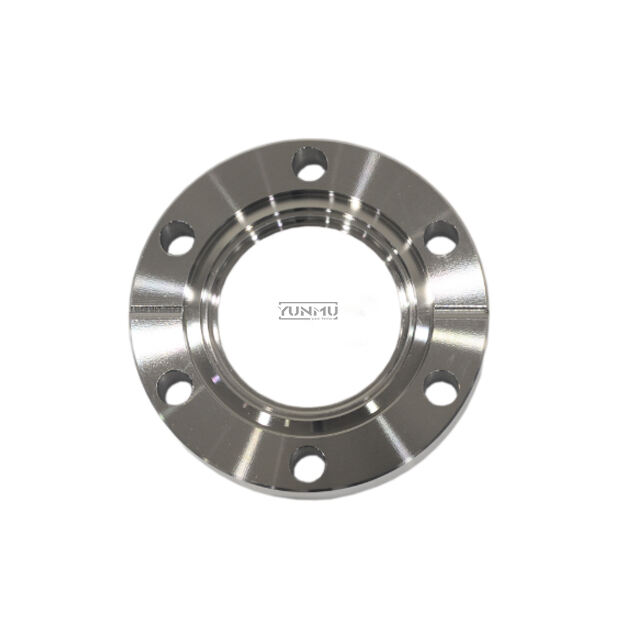
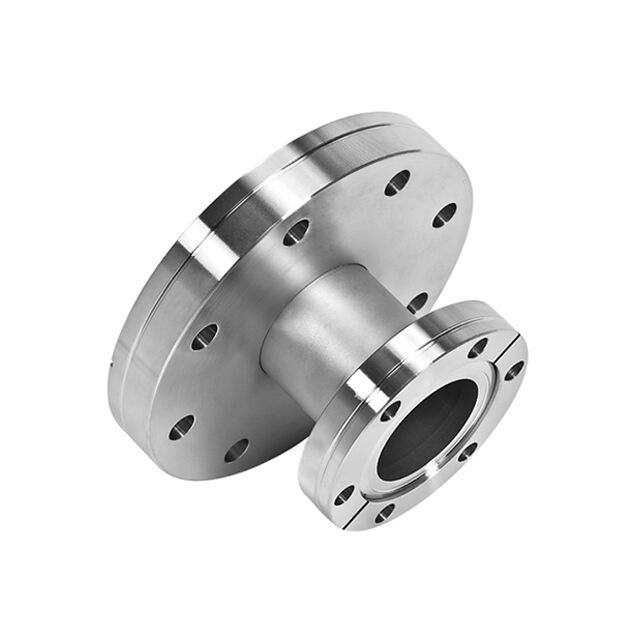
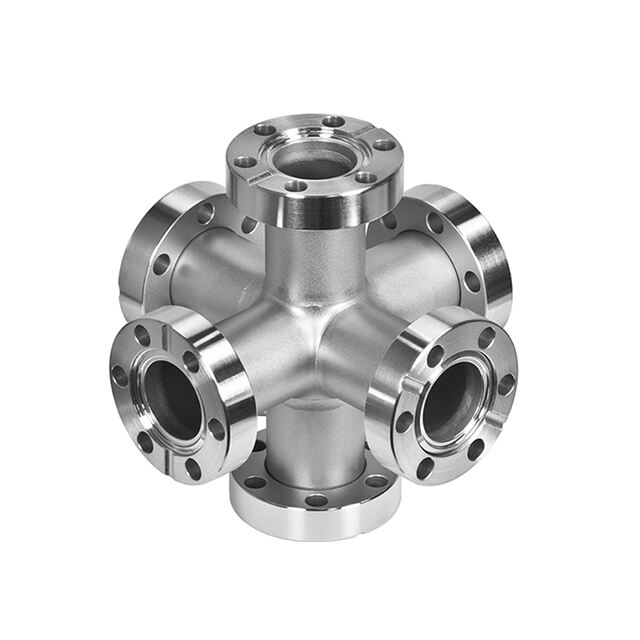
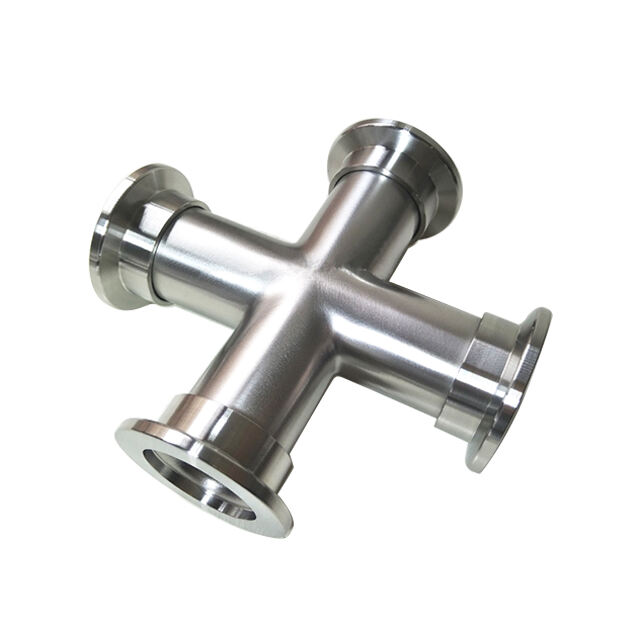
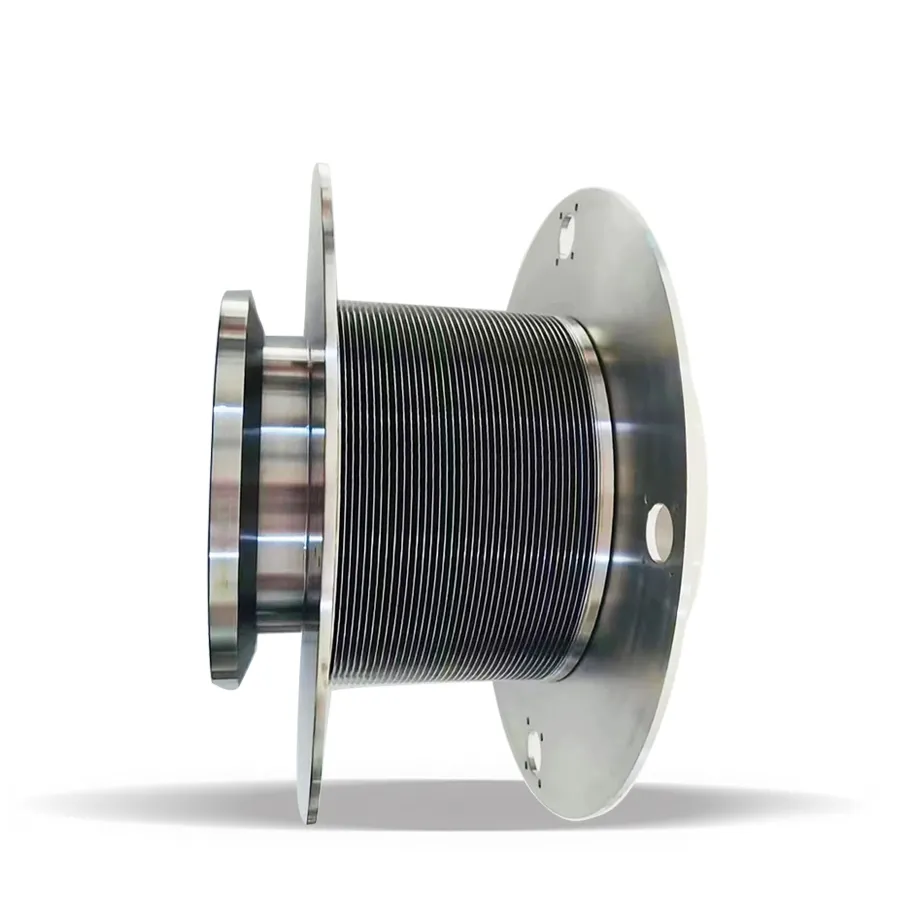
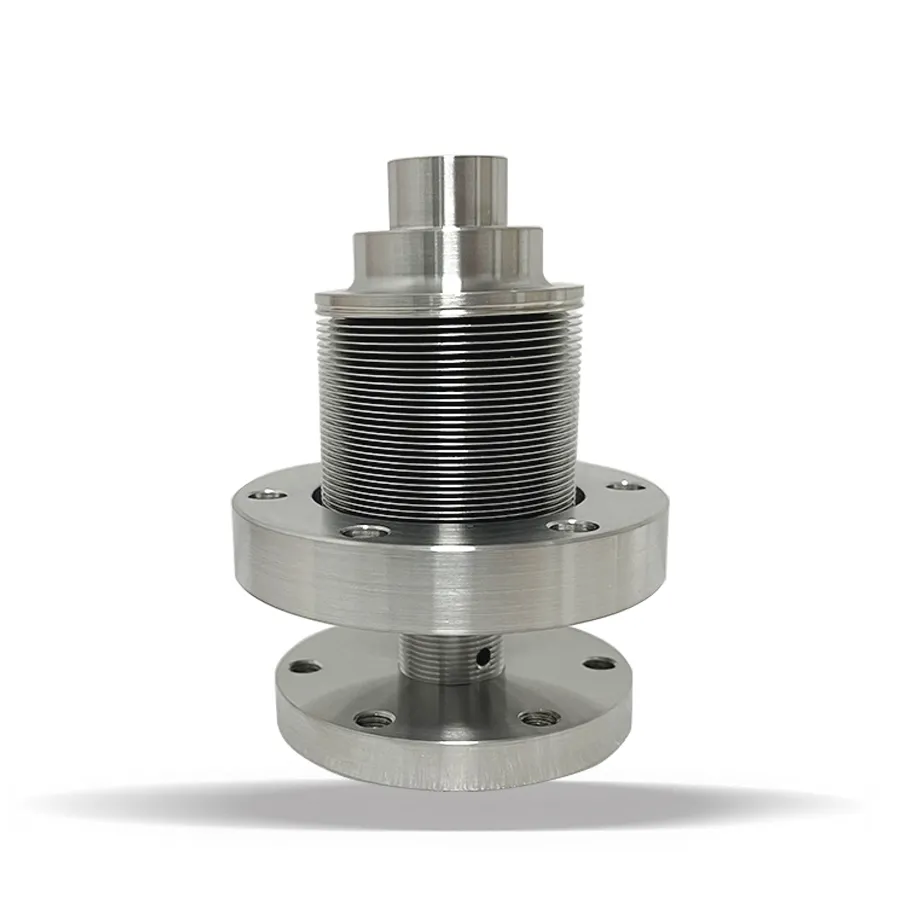
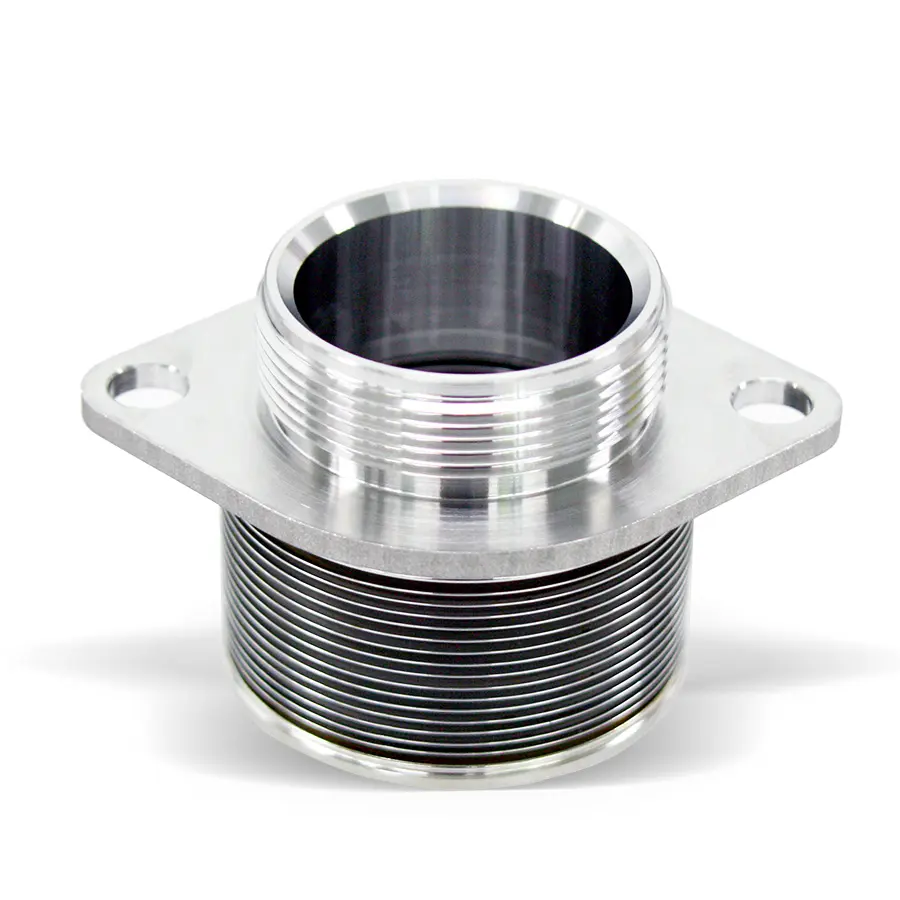
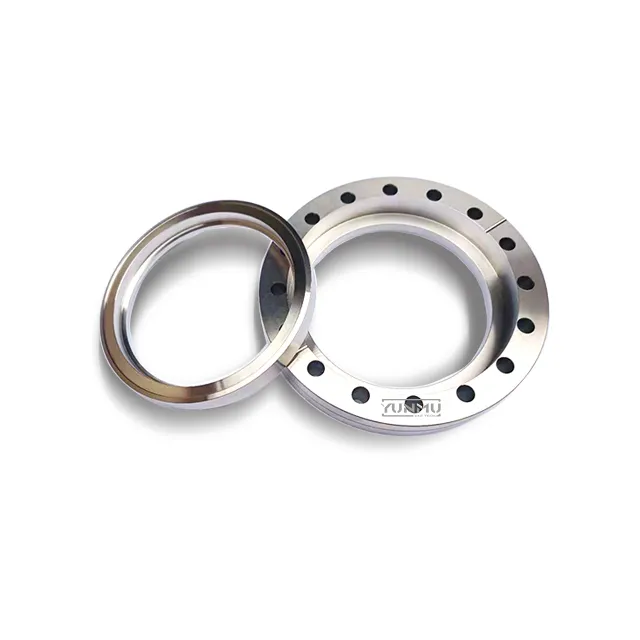
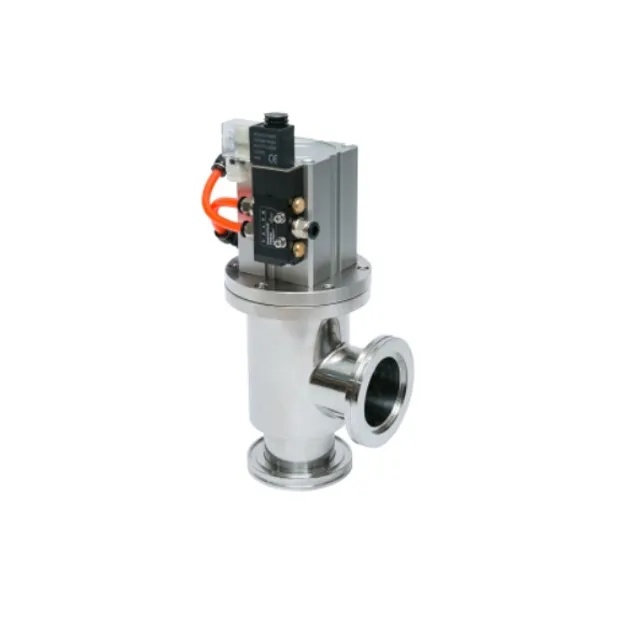
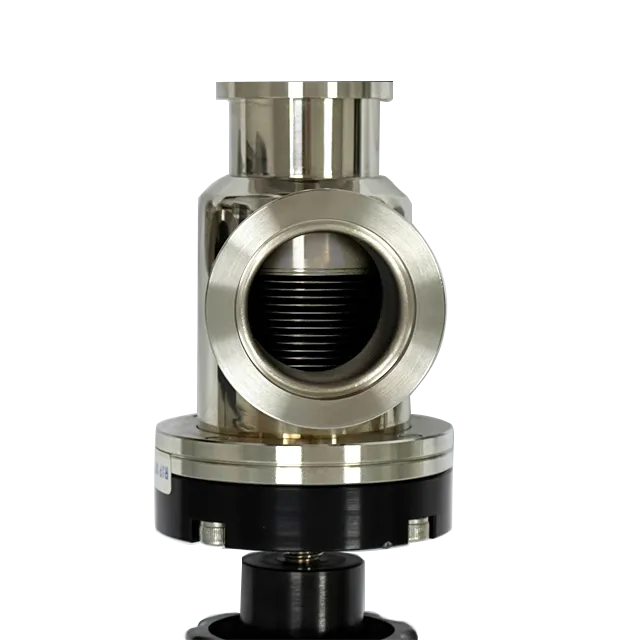
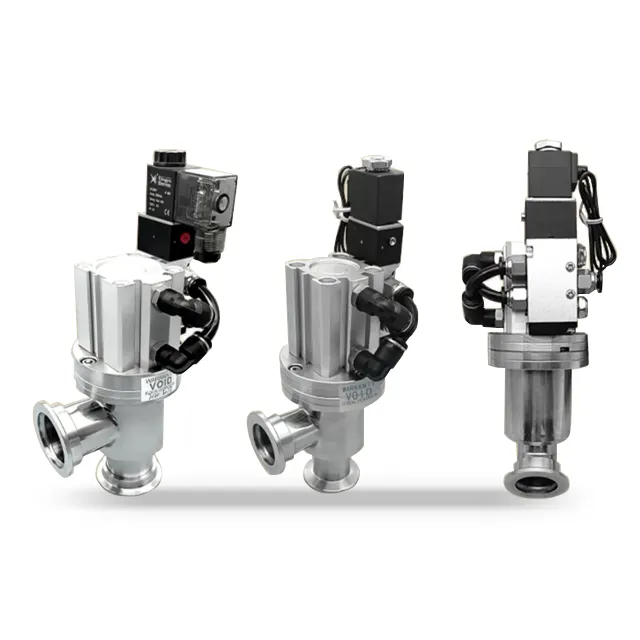
Vacuum line fittings are essential components designed to create secure, leak-free connections in vacuum systems across industrial, laboratory, and scientific applications. These specialized connectors enable the assembly of complex vacuum networks by joining tubing, hoses, chambers, and equipment while maintaining the integrity of low-pressure environments. Vacuum line fittings are engineered to withstand significant pressure differentials and prevent atmospheric contamination from compromising system performance. Available in various materials including stainless steel, brass, aluminum, and specialized plastics, these fittings accommodate different operational requirements and chemical compatibilities. The main functions of vacuum line fittings include establishing reliable connections between vacuum components, facilitating quick assembly and disassembly for maintenance, enabling system expansion or reconfiguration, and ensuring consistent vacuum levels throughout the entire network. Technologically, vacuum line fittings incorporate precision-machined sealing surfaces, O-rings, gaskets, or metal seals to achieve hermetic closures. Common configurations include KF (Klein Flange), CF (ConFlat), ISO, and quick-connect designs, each suited to specific vacuum ranges from rough vacuum to ultra-high vacuum applications. The fittings feature standardized dimensions for interoperability and may include integrated valves, gauges, or feedthroughs. Applications span semiconductor manufacturing, analytical instrumentation, vacuum coating processes, particle accelerators, mass spectrometry, freeze-drying equipment, and research laboratories. Proper selection of vacuum line fittings based on vacuum level requirements, temperature conditions, and chemical exposure ensures optimal system performance and longevity.

New Product Recommendations

Choosing the right vacuum line fittings delivers tangible benefits that directly impact your operational efficiency and bottom line. These components provide reliable sealing performance that eliminates costly leaks, reducing downtime and maintaining consistent vacuum conditions essential for process quality. You gain flexibility in system design because vacuum line fittings allow easy reconfiguration as your needs evolve, protecting your equipment investment over time. The standardized connection interfaces mean you can source compatible components from multiple suppliers, avoiding vendor lock-in and controlling procurement costs. Installation becomes faster and simpler with vacuum line fittings that feature tool-free or quick-connect mechanisms, reducing labor expenses and minimizing assembly errors. Your maintenance teams appreciate the accessibility these fittings provide, enabling rapid troubleshooting and component replacement without dismantling entire vacuum systems. Durability matters in demanding environments, and quality vacuum line fittings resist corrosion, thermal stress, and mechanical wear, extending service intervals and lowering total cost of ownership. For applications requiring cleanliness, vacuum line fittings manufactured from electropolished stainless steel or other non-contaminating materials protect sensitive processes from particulate generation or outgassing. Safety improves through secure connections that prevent sudden pressure loss or exposure to hazardous materials. The variety of sizes, materials, and configurations available in vacuum line fittings ensures you find exactly what your specific application demands, whether you operate rough vacuum packaging equipment or ultra-high vacuum research apparatus. Performance consistency across temperature ranges and vacuum levels gives you confidence in process repeatability, which translates to higher product quality and reduced rejection rates. By selecting appropriate vacuum line fittings, you create a foundation for system reliability that supports productivity goals and operational excellence.

Latest News

How Can Vacuum Technology Improve Process Stability and Output?

29

May

How Can Vacuum Technology Improve Process Stability and Output?

In modern industrial manufacturing, process stability and consistent output are not optional goals — they are operational necessities. vacuum technology has emerged as one of the most reliable engineering tools for achieving both. By removing gas mol...
View More
Why Are Stainless Steel Vacuum Fittings Preferred in Harsh Environments?

29

May

Why Are Stainless Steel Vacuum Fittings Preferred in Harsh Environments?

In industrial and scientific settings where reliability is non-negotiable, the choice of vacuum fittings can determine whether a system performs flawlessly or fails under pressure. Stainless steel has emerged as the dominant material for vacuum fitti...
View More
Why Are Precision Edge Welded Bellow Products Widely Used Today?

05

Jun

Why Are Precision Edge Welded Bellow Products Widely Used Today?

In modern engineering and industrial design, the demand for components that combine flexibility, precision, and long-term reliability has never been higher. The edge welded bellow has emerged as one of the most trusted solutions across a wide range o...
View More
Why Are Precision Vacuum Components Important for Industrial Use?

05

Jun

Why Are Precision Vacuum Components Important for Industrial Use?

In high-performance industrial environments, the reliability of every individual part determines the integrity of the entire system. vacuum components are among the most critical elements in this equation, forming the backbone of systems that depend ...
View More

Get a Free Quote

Our representative will contact you soon.
Email
Name
Company Name
Message
0/1000

vacuum line fittings

Superior Sealing Technology for Leak-Free Performance

Superior Sealing Technology for Leak-Free Performance

Vacuum line fittings incorporate advanced sealing technologies that deliver exceptional leak integrity across the entire vacuum spectrum. The precision-engineered sealing surfaces create metal-to-metal contact or utilize elastomer O-rings positioned in carefully designed grooves to establish hermetic barriers against atmospheric intrusion. ConFlat flanges employ knife-edge seals that bite into annealed copper gaskets, achieving leak rates below 10^-10 mbar·l/s for ultra-high vacuum applications. KF quick-flange fittings use centering rings with elastomer O-rings that compress uniformly when clamped, providing reliable sealing down to 10^-8 mbar while allowing rapid connection and disconnection. This superior sealing capability prevents vacuum degradation that would otherwise compromise process outcomes, contaminate samples, or reduce equipment efficiency. The elimination of leaks translates directly into energy savings by reducing pumping requirements and maintaining target vacuum levels with less effort. For your operations, this means consistent results, fewer production interruptions, and extended equipment lifespan, all contributing to improved profitability and operational confidence in demanding vacuum environments.
Material Versatility for Diverse Application Requirements

Material Versatility for Diverse Application Requirements

The availability of vacuum line fittings in multiple material options ensures compatibility with your specific operational conditions and process chemistry. Stainless steel fittings, particularly 304 and 316L grades, offer excellent corrosion resistance, low outgassing characteristics, and strength suitable for most vacuum applications including high-temperature bakeout procedures. Aluminum fittings provide lightweight alternatives with good thermal conductivity, ideal for portable vacuum systems or weight-sensitive installations. Brass fittings deliver cost-effective solutions for general-purpose rough vacuum applications where ultimate vacuum levels are less critical. Specialized materials including titanium and nickel alloys address extreme environments involving reactive chemicals or temperatures exceeding standard material limits. Plastic fittings manufactured from PTFE, PEEK, or PVC serve applications requiring electrical insulation, chemical inertness, or disposable connections in laboratory settings. This material diversity in vacuum line fittings allows you to optimize performance while managing costs, selecting expensive specialty materials only where necessary and using economical options elsewhere. The ability to match fitting materials to your process media prevents chemical attack, contamination, and premature failure, ensuring long-term reliability and protecting your investment in vacuum infrastructure.
Standardized Designs for System Compatibility and Flexibility

Standardized Designs for System Compatibility and Flexibility

Vacuum line fittings adhere to internationally recognized standards that ensure interoperability across manufacturers and simplify system design and expansion. ISO standards define flange dimensions, bolt patterns, and sealing methods, guaranteeing that components from different suppliers connect reliably. KF and ISO-K fittings follow consistent sizing from DN10 through DN500, with standardized clamp mechanisms that work universally across brands. This standardization provides significant advantages for procurement, maintenance, and future modifications. You maintain inventory flexibility by stocking standard vacuum line fittings that serve multiple purposes rather than specialized proprietary components. When expanding systems or replacing failed components, you source compatible fittings quickly without custom fabrication delays or compatibility concerns. Technicians work more efficiently because standardized vacuum line fittings require familiar installation procedures and common tools regardless of manufacturer. The modular nature of these standardized connections enables rapid system reconfiguration to accommodate process changes, new equipment integration, or experimental setups. This adaptability protects capital investments by allowing incremental upgrades rather than complete system replacements as requirements evolve over time.

Have questions about the company?

Get a Free Quote

Our representative will contact you soon.
Email
Name
Company Name
Message
0/1000

Get a Free Quote

Our representative will contact you soon.
Email
Name
Company Name
Message
0/1000

Get a Free Quote

Our representative will contact you soon.
Email
Name
Company Name
Message
0/1000