Laboratory Vacuum Equipment Solutions

All Categories

laboratory vacuum equipment

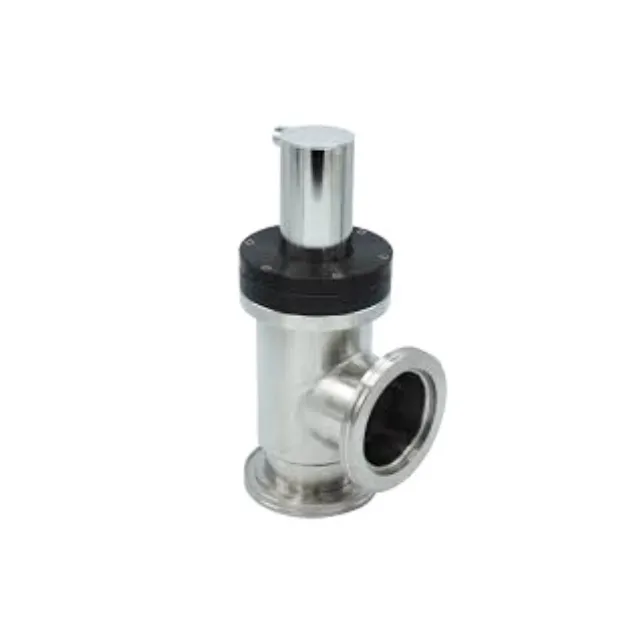
Laboratory vacuum equipment plays a critical role in modern scientific research and industrial applications by creating controlled low-pressure environments essential for numerous procedures. This specialized apparatus removes air and other gases from sealed chambers, enabling precise experimental conditions that would be impossible under atmospheric pressure. The primary functions of laboratory vacuum equipment include facilitating evaporation processes, enabling freeze-drying operations, supporting filtration tasks, and creating oxygen-free environments for sensitive reactions. Technological features of contemporary laboratory vacuum equipment encompass advanced pump systems, digital pressure monitoring, automated control interfaces, and safety mechanisms that prevent backflow contamination. These systems typically integrate multi-stage vacuum pumps capable of achieving pressure ranges from rough vacuum to high vacuum levels, depending on application requirements. Modern laboratory vacuum equipment incorporates durable construction materials resistant to chemical corrosion, ensuring longevity and reliable performance across diverse laboratory settings. Applications span pharmaceutical development, biotechnology research, chemical synthesis, materials science, and quality control testing. Researchers utilize laboratory vacuum equipment for concentration of solutions, degassing liquids, distillation under reduced pressure, drying heat-sensitive compounds, and preserving biological samples. The versatility of laboratory vacuum equipment makes it indispensable in academic institutions, industrial research facilities, hospital laboratories, and manufacturing quality assurance departments where precision and reproducibility are paramount for achieving accurate scientific outcomes.

New Product Recommendations

Investing in quality laboratory vacuum equipment delivers substantial operational benefits that directly impact research efficiency and cost-effectiveness. First, this equipment dramatically accelerates processing times by lowering boiling points during evaporation and distillation, allowing temperature-sensitive materials to be processed without thermal degradation. This time-saving advantage translates to increased throughput and faster project completion. Second, laboratory vacuum equipment enhances sample integrity by minimizing oxidation and contamination risks through controlled atmosphere manipulation. Researchers achieve more reliable results because experiments occur in predictable, repeatable conditions that eliminate atmospheric variable interference. Third, energy efficiency represents a significant economic benefit, as modern laboratory vacuum equipment consumes less power while maintaining consistent performance compared to older technologies. Fourth, operational versatility allows laboratories to conduct multiple procedures with a single system, reducing equipment investment costs and workspace requirements. The practical design of contemporary laboratory vacuum equipment features intuitive controls that minimize training requirements, enabling staff to operate systems confidently with minimal supervision. Maintenance accessibility ensures that routine servicing can be performed quickly without extensive downtime, maximizing equipment availability. Safety features built into laboratory vacuum equipment protect both operators and samples through automatic shutdown mechanisms, pressure relief valves, and contamination prevention systems. The durability of professional-grade laboratory vacuum equipment ensures years of dependable service, providing excellent return on investment through reduced replacement frequency. For laboratories managing tight budgets, the multi-functional nature of laboratory vacuum equipment eliminates the need for purchasing separate specialized devices, consolidating capabilities into one cost-effective solution that serves diverse research needs across multiple departments and projects.

Tips And Tricks

How Do Vacuum Accessories Support Faster Vacuum System Upgrades?

29

May

How Do Vacuum Accessories Support Faster Vacuum System Upgrades?

When a vacuum system needs to be upgraded, the speed and success of that process depend heavily on more than just the main pump or chamber. The supporting components — the fittings, adapters, flanges, and connectors that link every element of the sys...
View More
How Do Custom Vacuum Systems Support Specialized Manufacturing Needs?

29

May

How Do Custom Vacuum Systems Support Specialized Manufacturing Needs?

In today's advanced manufacturing landscape, standard off-the-shelf equipment often falls short when processes demand precision, repeatability, and environmental control that generic solutions simply cannot deliver. custom vacuum systems have emerged...
View More
Can Edge Welded Bellow Assemblies Extend Equipment Service Life?

04

Jun

Can Edge Welded Bellow Assemblies Extend Equipment Service Life?

When engineers and procurement specialists evaluate ways to extend the operational lifespan of precision equipment, the mechanical components that absorb motion, pressure, and thermal stress often receive the closest scrutiny. Among these, the edge w...
View More
Why Are Precision Vacuum Components Important for Industrial Use?

05

Jun

Why Are Precision Vacuum Components Important for Industrial Use?

In high-performance industrial environments, the reliability of every individual part determines the integrity of the entire system. vacuum components are among the most critical elements in this equation, forming the backbone of systems that depend ...
View More

Get a Free Quote

Our representative will contact you soon.
Email
Name
Company Name
Message
0/1000

laboratory vacuum equipment

Precision Pressure Control Technology

Precision Pressure Control Technology

Advanced laboratory vacuum equipment incorporates sophisticated pressure regulation systems that deliver unprecedented control over experimental conditions. Digital vacuum controllers constantly monitor and adjust pressure levels with remarkable accuracy, maintaining stability within narrow tolerances essential for sensitive applications. This precision matters significantly when conducting experiments requiring specific vacuum depths, as even minor pressure fluctuations can compromise results in processes like molecular distillation or thin-film deposition. The intelligent feedback mechanisms in modern laboratory vacuum equipment automatically compensate for system leaks or gas evolution from samples, maintaining target pressure without manual intervention. Users benefit from programmable pressure profiles that allow automated transitions between different vacuum levels during multi-stage procedures, enhancing reproducibility and freeing researchers to focus on other tasks. The integration of high-resolution pressure sensors provides real-time data logging capabilities, creating comprehensive records that support quality assurance protocols and regulatory compliance documentation. This level of precision control transforms laboratory vacuum equipment from a simple mechanical tool into an intelligent system that actively contributes to experimental success and data reliability.
Chemical Resistance and Durability

Chemical Resistance and Durability

Professional laboratory vacuum equipment features construction materials specifically engineered to withstand aggressive chemical environments encountered in research settings. Corrosion-resistant components including stainless steel chambers, PTFE seals, and chemically inert coatings ensure that laboratory vacuum equipment maintains performance integrity even when processing harsh solvents, acids, or reactive compounds. This chemical compatibility prevents contamination transfer between samples and eliminates equipment degradation that would compromise vacuum integrity over time. The robust construction of quality laboratory vacuum equipment withstands continuous operation demands typical in high-volume laboratories, delivering consistent performance across thousands of duty cycles without mechanical failure. Thermal stability allows these systems to handle temperature variations associated with different processes, from cryogenic applications to elevated-temperature operations, without component warping or seal deterioration. Investment in chemically resistant laboratory vacuum equipment reduces long-term ownership costs by extending service life and minimizing replacement part expenses. Laboratories working with diverse chemical inventories particularly benefit from this durability, as a single versatile system handles multiple applications without requiring specialized equipment for each chemical class, maximizing utilization efficiency and workspace optimization.
Comprehensive Safety Integration

Comprehensive Safety Integration

Modern laboratory vacuum equipment prioritizes operator safety and sample protection through multiple integrated safeguards that prevent common hazards associated with vacuum operations. Automatic pressure relief mechanisms activate when internal pressure exceeds safe thresholds, preventing catastrophic chamber failure or implosion risks that could endanger personnel. Anti-suckback systems in laboratory vacuum equipment prevent pump oil or contaminants from flowing backward into sample chambers during shutdown sequences, preserving sample purity and protecting valuable research materials. Electrical safety features include grounded connections, overload protection, and emergency stop controls that allow immediate system shutdown during unexpected situations. Transparent viewing windows in laboratory vacuum equipment chambers enable visual monitoring without breaking vacuum seal, allowing researchers to observe process progression while maintaining safe distance from potentially hazardous materials. Alarm systems alert operators to abnormal conditions such as excessive temperature, pressure deviations, or mechanical malfunctions before they escalate into serious problems. The fail-safe design philosophy embedded in quality laboratory vacuum equipment ensures that component failures default to safe states rather than creating dangerous conditions. These comprehensive safety features reduce liability concerns, lower insurance costs, and create confident working environments where researchers can focus on scientific innovation rather than equipment hazards.

Have questions about the company?

Get a Free Quote

Our representative will contact you soon.
Email
Name
Company Name
Message
0/1000

Get a Free Quote

Our representative will contact you soon.
Email
Name
Company Name
Message
0/1000

Get a Free Quote

Our representative will contact you soon.
Email
Name
Company Name
Message
0/1000