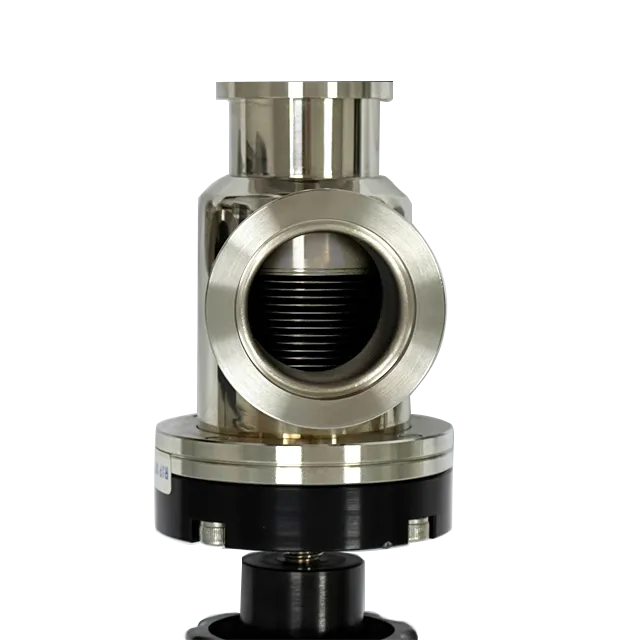
Pressure Relief Valve for Vacuum Systems

All Categories

pressure relief valve for vacuum systems

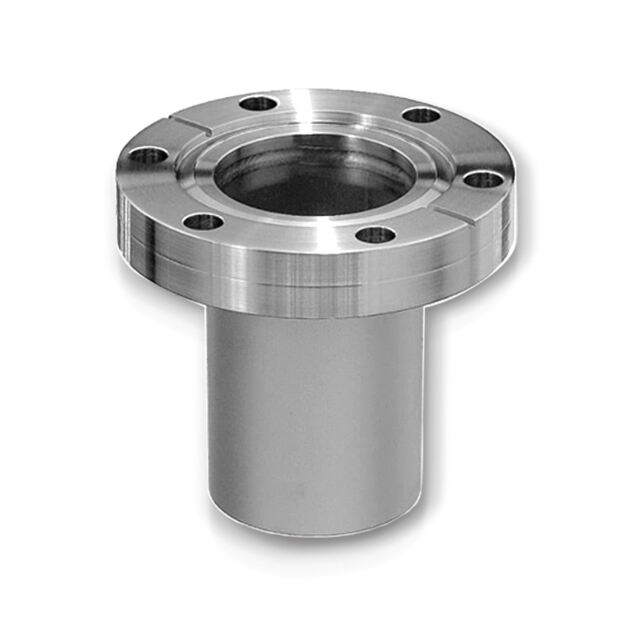
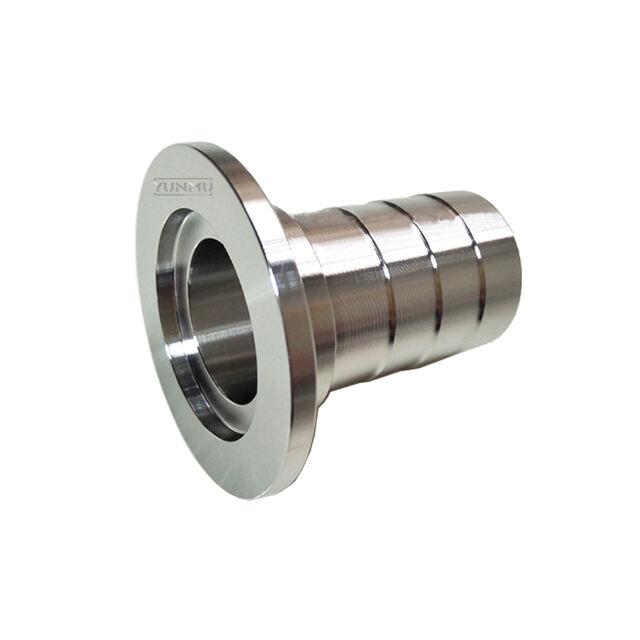
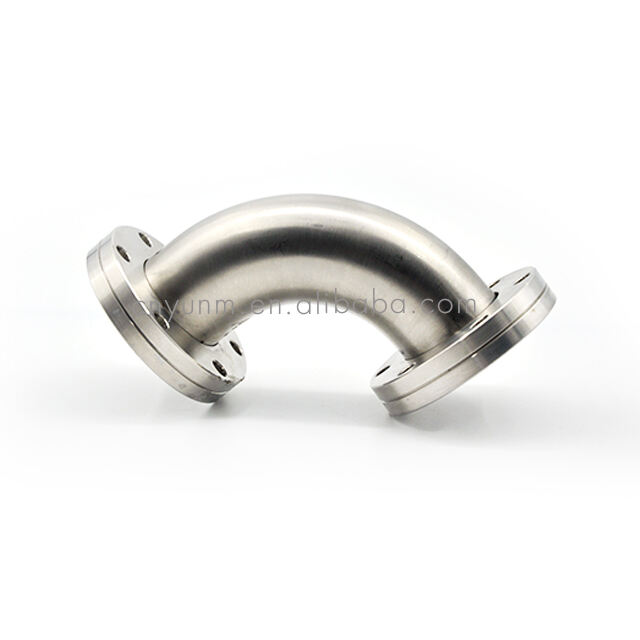
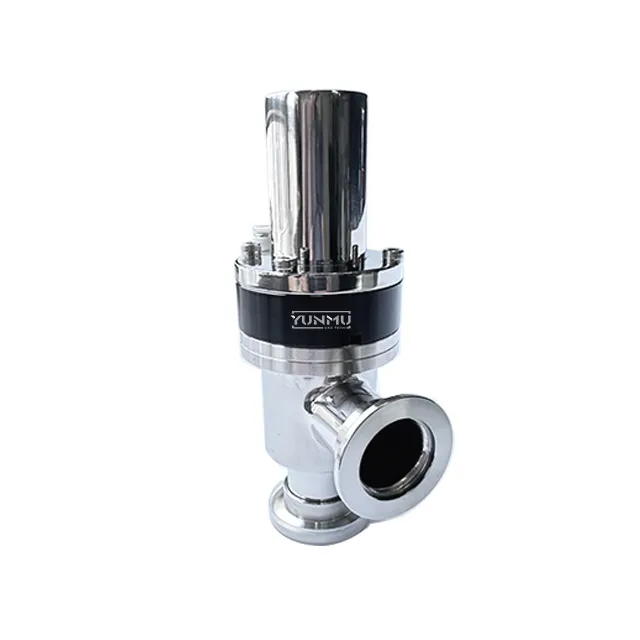
A pressure relief valve for vacuum systems is a critical safety component designed to protect vacuum equipment from damage caused by excessive pressure differentials. This specialized valve automatically opens when pressure inside the vacuum chamber rises above predetermined safe levels, allowing air to enter and equalize the pressure. Unlike standard pressure relief valves, these devices are engineered specifically for vacuum applications where maintaining controlled atmospheric conditions is essential. The pressure relief valve for vacuum systems features precision-engineered sealing mechanisms that remain closed during normal vacuum operations but activate instantly when overpressure conditions occur. Modern designs incorporate stainless steel or corrosion-resistant materials to withstand harsh operating environments and ensure long-term reliability. The valve typically operates through spring-loaded mechanisms calibrated to specific pressure thresholds, providing consistent and predictable performance. These devices find widespread application across pharmaceutical manufacturing, semiconductor production, food processing, laboratory research, and industrial vacuum systems. The pressure relief valve for vacuum systems serves multiple functions including equipment protection, process safety, and prevention of catastrophic vacuum chamber collapse. Advanced models feature adjustable pressure settings, allowing operators to customize activation points based on specific application requirements. Installation is straightforward, with standard threaded or flanged connections compatible with most vacuum system configurations. Regular maintenance involves simple inspection procedures to verify proper operation and seal integrity, ensuring continuous protection for valuable vacuum processing equipment.

Popular Products

Investing in a quality pressure relief valve for vacuum systems delivers substantial operational and financial benefits that protect your equipment investment while enhancing workplace safety. The primary advantage is immediate protection against vacuum chamber damage, preventing costly repairs or complete system replacement that could result from uncontrolled pressure events. When power failures occur or vacuum pumps malfunction, this valve automatically prevents atmospheric pressure from crushing delicate vacuum chambers, saving thousands in potential repair costs. The valve operates entirely through mechanical means, requiring no electrical power or external controls, which ensures reliable protection even during complete facility power loss. Installation simplicity means minimal downtime during implementation, with most systems operational within hours rather than days required for complex safety systems. Maintenance requirements are exceptionally low, typically involving only periodic visual inspections and occasional cleaning, reducing ongoing operational expenses compared to electronic monitoring systems. The pressure relief valve for vacuum systems responds instantly to pressure changes, providing protection in milliseconds before damage occurs, far faster than electronic sensors and control systems can react. This rapid response capability is particularly valuable in research laboratories and production facilities where vacuum equipment operates continuously and unplanned shutdowns could compromise expensive materials or experiments. Operators gain peace of mind knowing their systems have passive protection that functions independently of human intervention or computer control systems. The valve extends equipment lifespan by preventing stress-related damage from pressure fluctuations, delivering return on investment through reduced replacement frequency and lower maintenance costs. Regulatory compliance becomes simpler as these valves help meet workplace safety standards and equipment protection requirements mandated in pharmaceutical, food processing, and chemical manufacturing industries. Customizable pressure settings allow precise matching to specific vacuum system requirements, ensuring optimal protection without unnecessary venting that could disrupt ongoing processes.

Latest News

How Can Vacuum Technology Improve Process Stability and Output?

29

May

How Can Vacuum Technology Improve Process Stability and Output?

In modern industrial manufacturing, process stability and consistent output are not optional goals — they are operational necessities. vacuum technology has emerged as one of the most reliable engineering tools for achieving both. By removing gas mol...
View More
Why Are High Quality Vacuum Fittings Critical for Industrial Systems?

29

May

Why Are High Quality Vacuum Fittings Critical for Industrial Systems?

In industrial environments where precision and reliability are non-negotiable, the integrity of every component in a vacuum system determines whether operations succeed or fail. Among all the components that make up a vacuum assembly, vacuum fittings...
View More
What Should Buyers Know Before Choosing a Vacuum Chamber Supplier?

29

May

What Should Buyers Know Before Choosing a Vacuum Chamber Supplier?

Selecting the right supplier for a vacuum chamber is one of the most consequential procurement decisions an industrial buyer can make. Whether you are sourcing for research and development, manufacturing, food processing, or aerospace testing, the qu...
View More
Which Businesses Gain the Most From Custom Vacuum Systems Today?

29

May

Which Businesses Gain the Most From Custom Vacuum Systems Today?

Across a wide range of industries, the demand for precision-engineered vacuum technology has grown significantly in recent years. Businesses that rely on controlled environments, contamination-free processing, or highly repeatable manufacturing condi...
View More

Get a Free Quote

Our representative will contact you soon.
Email
Name
Company Name
Message
0/1000

pressure relief valve for vacuum systems

Automatic Protection Without Power Requirements

Automatic Protection Without Power Requirements

The pressure relief valve for vacuum systems provides completely autonomous protection through purely mechanical operation, eliminating dependency on electrical power, batteries, or control systems. This fundamental design advantage ensures your vacuum equipment remains protected during power outages, electrical failures, or control system malfunctions when vulnerability is highest. The spring-loaded mechanism responds directly to physical pressure changes, activating within milliseconds when threshold levels are exceeded. This mechanical simplicity translates to exceptional reliability with virtually no failure modes beyond normal wear that occurs over years of service. Facilities operating critical vacuum processes benefit enormously from this fail-safe protection that functions independently of facility infrastructure. The valve requires no programming, calibration beyond initial setup, or integration with building management systems, reducing installation complexity and eliminating ongoing software maintenance. Manufacturing plants, research laboratories, and processing facilities gain continuous protection regardless of operational status, whether systems are actively monitored or running overnight unmanned. This passive safety approach proves especially valuable in facilities with aging electrical infrastructure or locations experiencing frequent power fluctuations. The mechanical design withstands electromagnetic interference, temperature extremes, and vibration that might compromise electronic alternatives, making it ideal for harsh industrial environments.
Instant Response Prevents Costly Equipment Damage

Instant Response Prevents Costly Equipment Damage

Speed of activation distinguishes the pressure relief valve for vacuum systems as essential protection against catastrophic equipment failure. The valve responds to dangerous pressure differentials in milliseconds, opening before structural damage occurs to expensive vacuum chambers, glass components, or precision-machined surfaces. This instantaneous mechanical response far exceeds reaction times possible with sensor-based electronic systems that require detection, signal processing, and actuator activation. During sudden vacuum pump failure or unexpected process upsets, even seconds of delay can mean the difference between minor interruption and complete equipment destruction. The financial impact becomes clear when considering that vacuum chamber replacement often costs tens of thousands of dollars, while quality relief valves represent minimal investment in comparison. Beyond direct equipment costs, prevented damage eliminates extended downtime that disrupts production schedules, delays research programs, and impacts revenue generation. The valve protects not only the vacuum chamber itself but also valuable materials, products, or experiments contained within during processing. Pharmaceutical manufacturers particularly value this protection when processing batches worth hundreds of thousands of dollars that would be lost in chamber failure. Research facilities conducting months-long experiments gain assurance that equipment malfunction will not destroy irreplaceable work. The rapid pressure equalization provided prevents the violent implosion that can occur when atmospheric pressure suddenly acts on evacuated chambers, protecting nearby personnel from flying debris and equipment fragments.
Versatile Application Across Multiple Industries

Versatile Application Across Multiple Industries

The pressure relief valve for vacuum systems demonstrates remarkable adaptability across diverse industrial sectors and applications, providing essential protection wherever vacuum technology is employed. Pharmaceutical manufacturers rely on these valves to protect freeze-drying equipment, vacuum ovens, and sterile processing chambers where product contamination from equipment failure is unacceptable. Semiconductor fabrication facilities incorporate them into deposition chambers, etching systems, and wafer processing equipment where vacuum integrity directly impacts product quality and yield. Food processing operations use these valves on vacuum packaging lines, dehydration systems, and modified atmosphere processing equipment, ensuring food safety while protecting production assets. Chemical manufacturing plants install them on distillation columns, reactors, and solvent recovery systems operating under vacuum conditions, preventing hazardous material release that could occur during equipment failure. Research laboratories across academic and industrial settings depend on these valves to protect analytical instruments, material science equipment, and experimental apparatus representing significant capital investment. The valve adapts easily to different vacuum levels, chamber sizes, and process conditions through adjustable pressure settings and various port configurations. Material options including stainless steel, aluminum, and specialty alloys allow matching to specific process chemistries and contamination requirements. This universal applicability means facilities can standardize on a single protection solution across multiple vacuum systems, simplifying spare parts inventory and maintenance training while ensuring consistent safety standards throughout operations.

Have questions about the company?

Get a Free Quote

Our representative will contact you soon.
Email
Name
Company Name
Message
0/1000

Get a Free Quote

Our representative will contact you soon.
Email
Name
Company Name
Message
0/1000

Get a Free Quote

Our representative will contact you soon.
Email
Name
Company Name
Message
0/1000