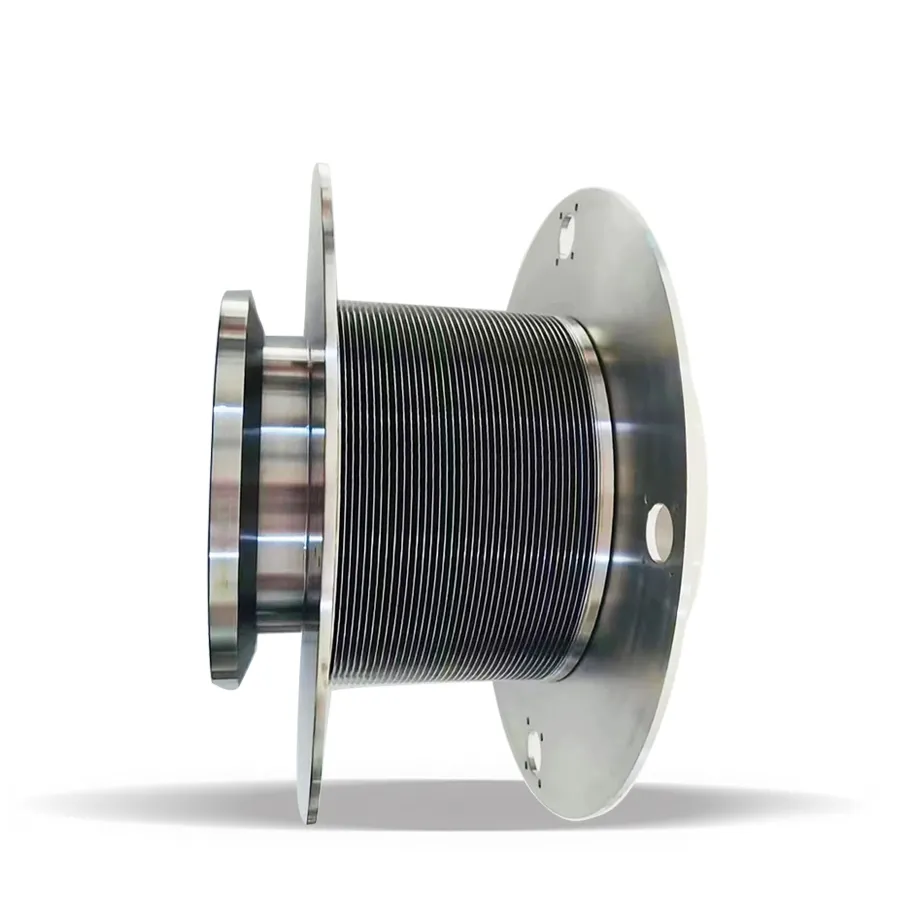
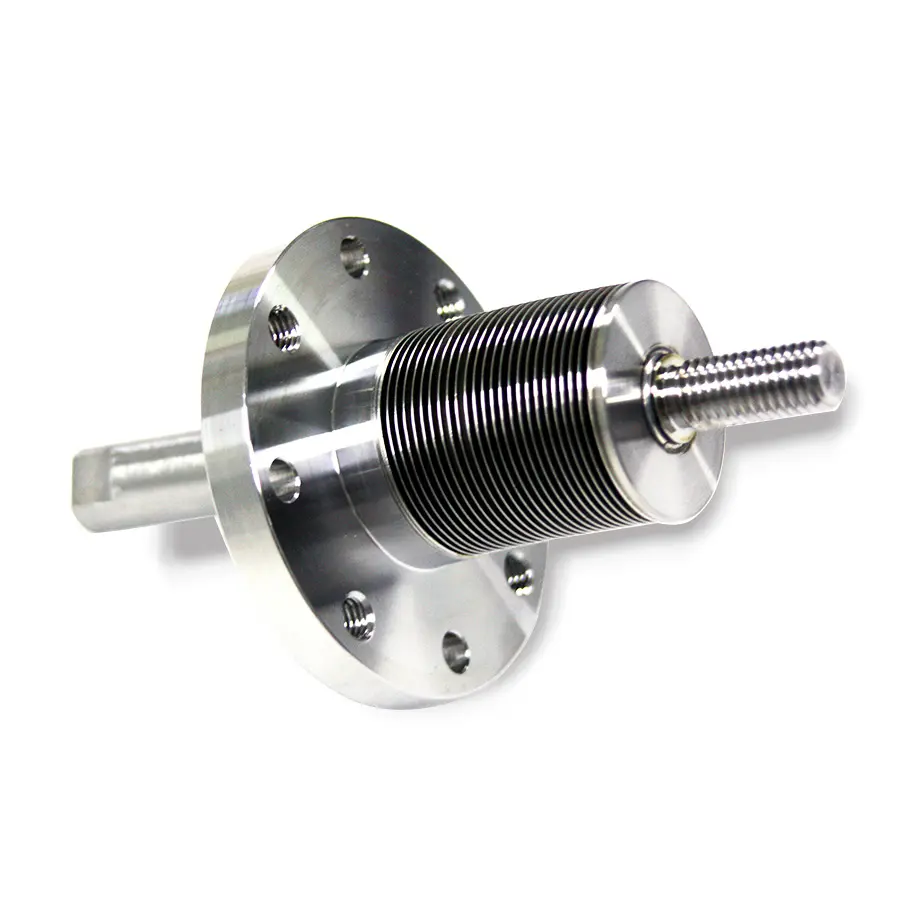
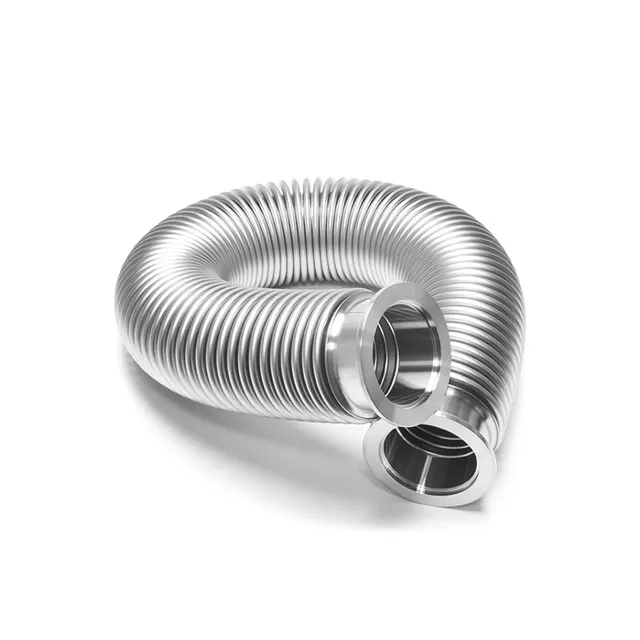
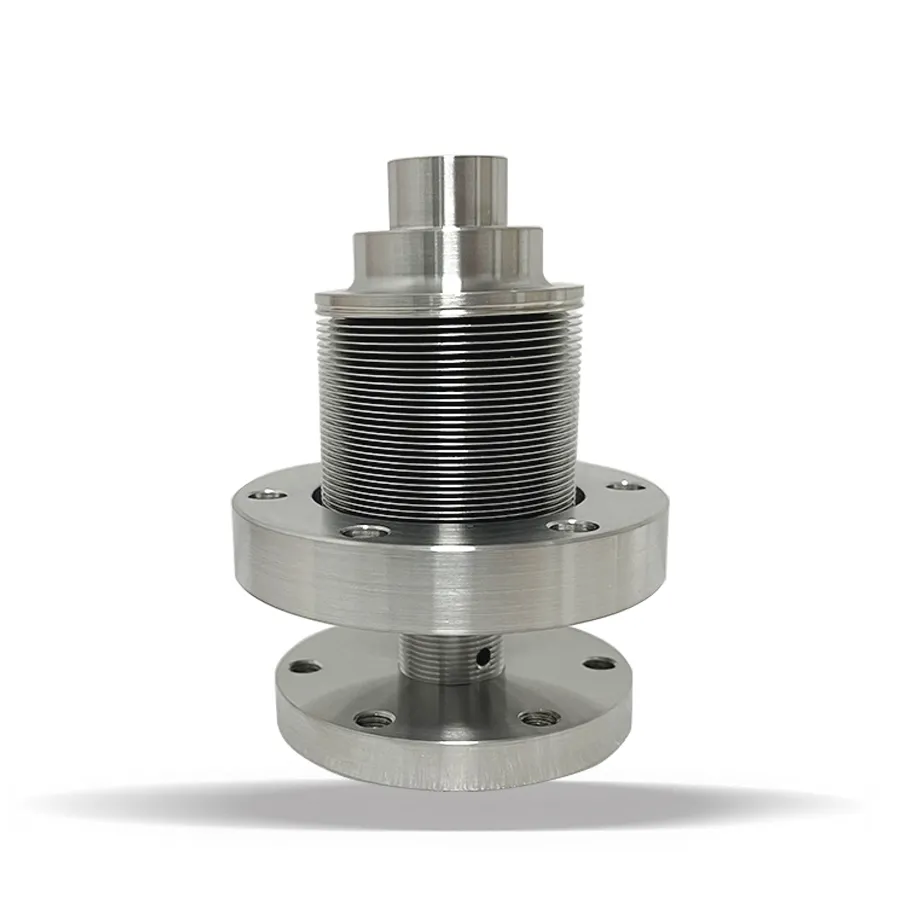
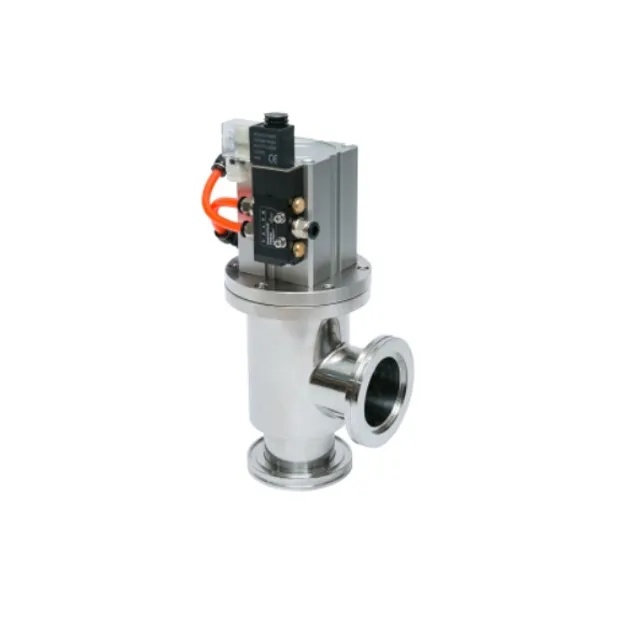
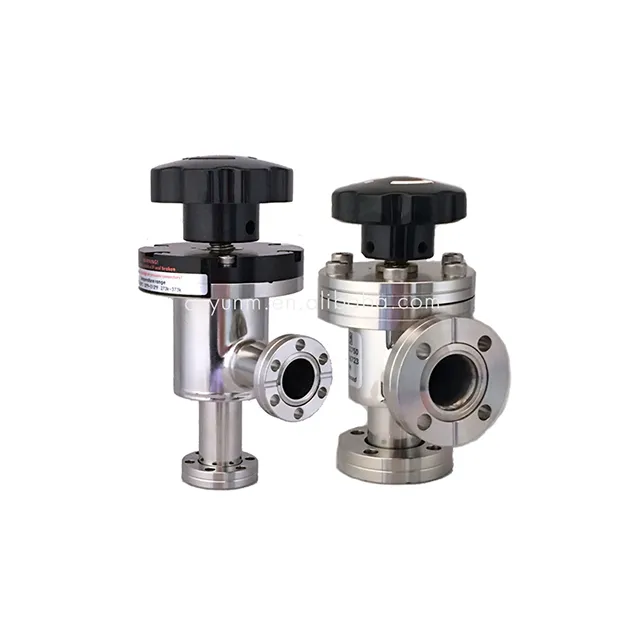
vacuum exhaust valve
A vacuum exhaust valve is a specialized component designed to regulate and control the flow of gases within vacuum systems, ensuring optimal performance and safety across industrial applications. This critical device automatically releases accumulated air and gases from vacuum lines while preventing atmospheric air from entering the system during operation. The vacuum exhaust valve operates by responding to pressure differentials, opening when internal pressure exceeds predetermined thresholds and closing when vacuum conditions are restored. Its primary functions include protecting vacuum pumps from overload, maintaining consistent vacuum levels, and facilitating efficient system operation. Technologically, modern vacuum exhaust valves incorporate precision-engineered sealing mechanisms, corrosion-resistant materials, and responsive actuating systems that guarantee reliable performance under demanding conditions. These valves feature robust construction using stainless steel, brass, or specialized alloys that withstand extreme temperature variations and chemical exposure. Applications span diverse industries including pharmaceutical manufacturing, food processing, semiconductor production, laboratory research, and industrial automation. In pharmaceutical settings, the vacuum exhaust valve ensures contamination-free processing environments, while food processing operations rely on these valves for packaging and preservation systems. Semiconductor fabrication requires ultra-clean vacuum conditions that these valves help maintain. The versatility of vacuum exhaust valve technology makes it indispensable for any operation requiring precise vacuum control, from small-scale laboratory equipment to large industrial vacuum systems handling continuous production demands.
 EN
EN