Vacuum Fittings and Components Guide

All Categories

vacuum fittings and components

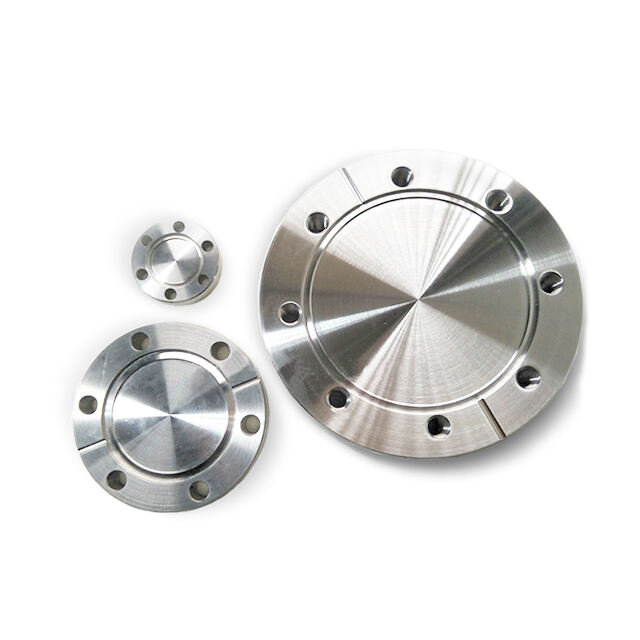
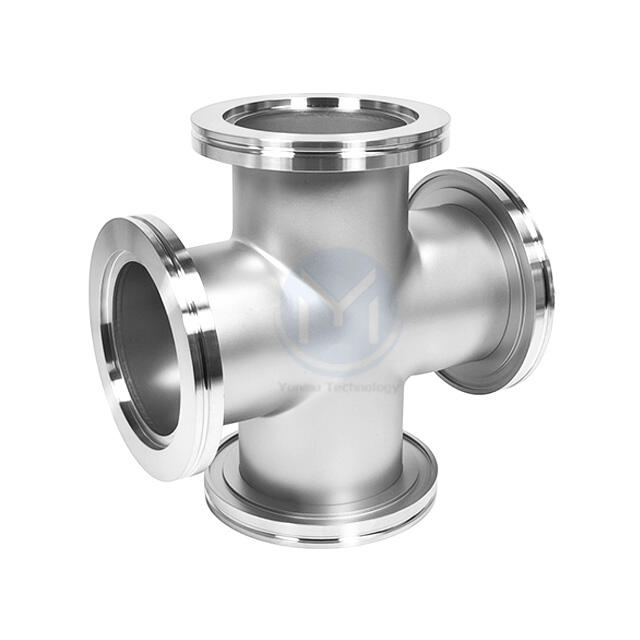
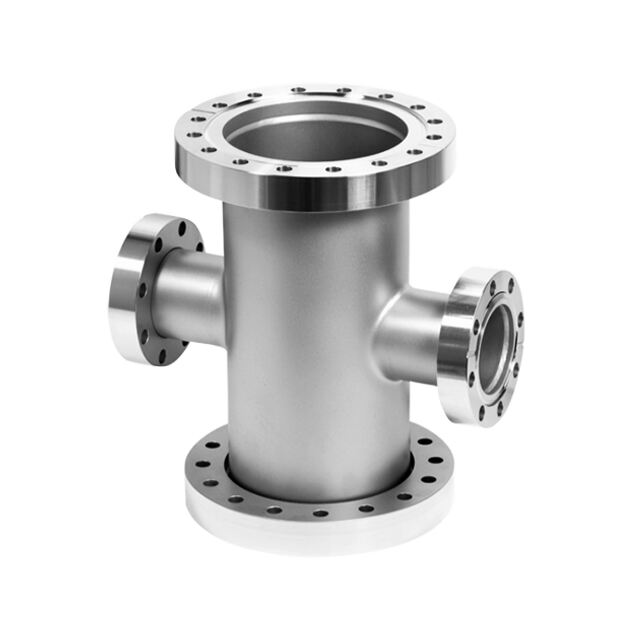
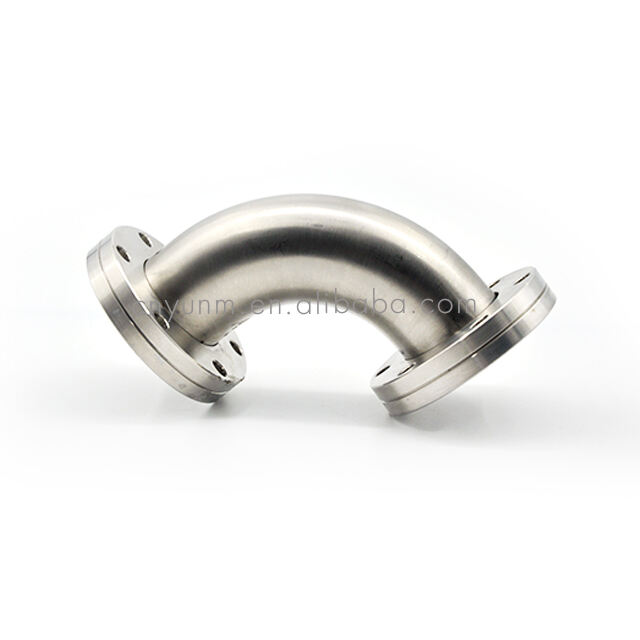
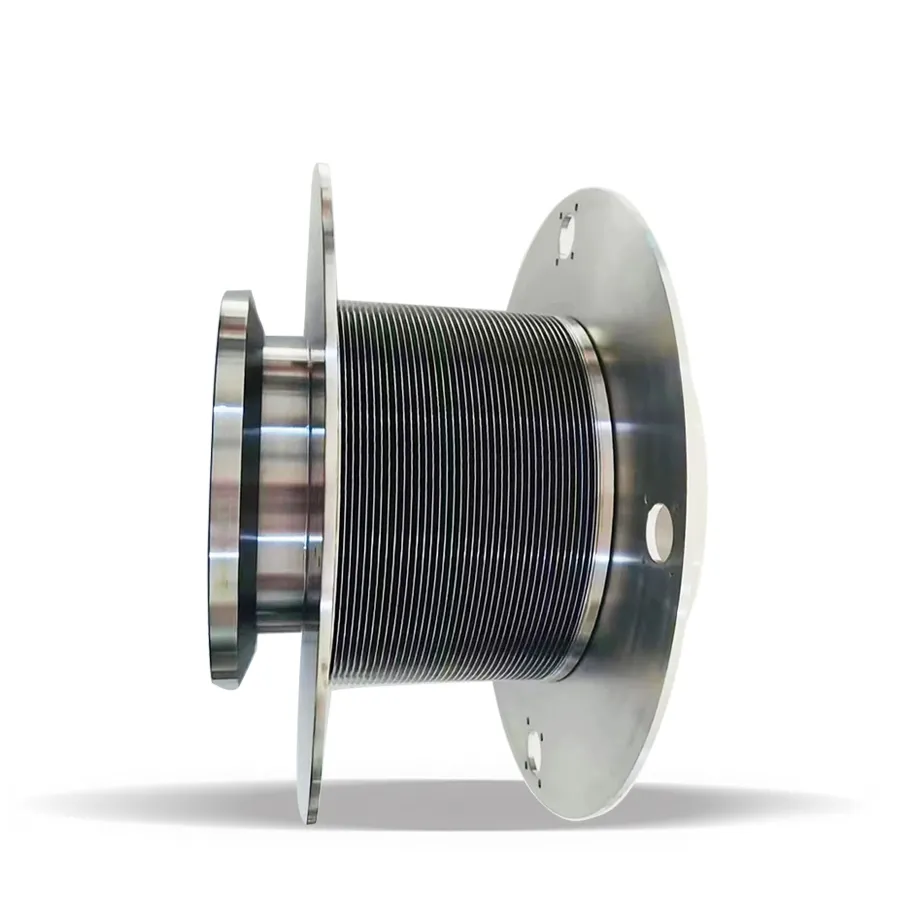
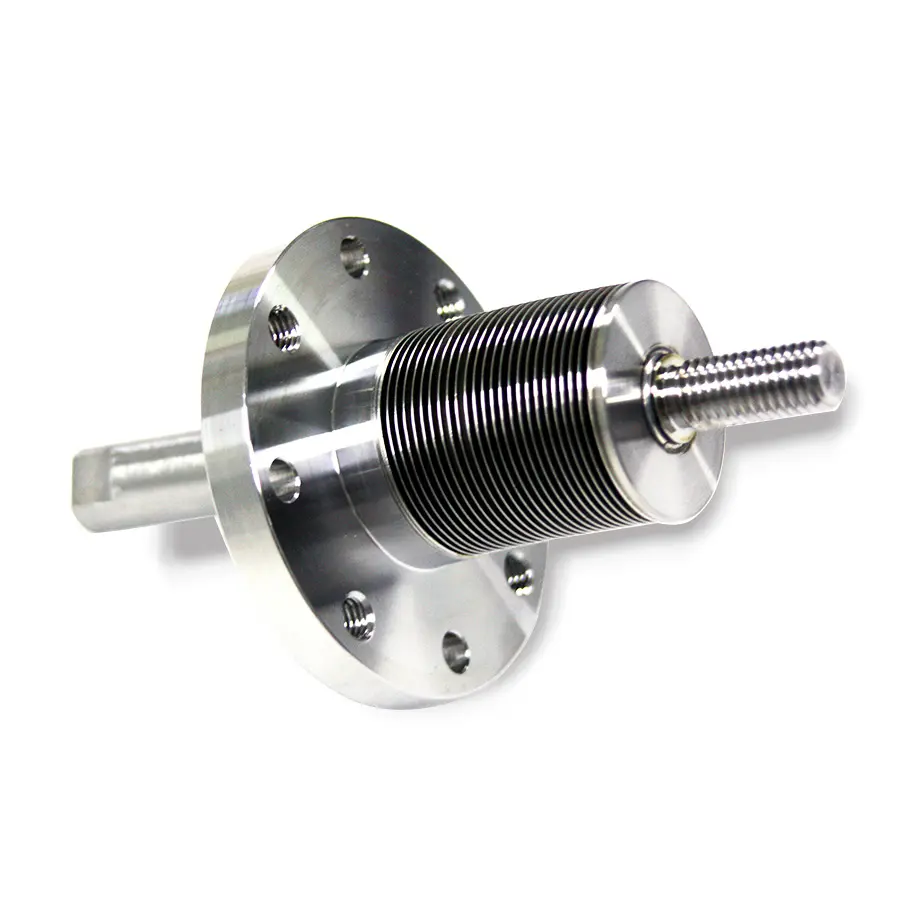
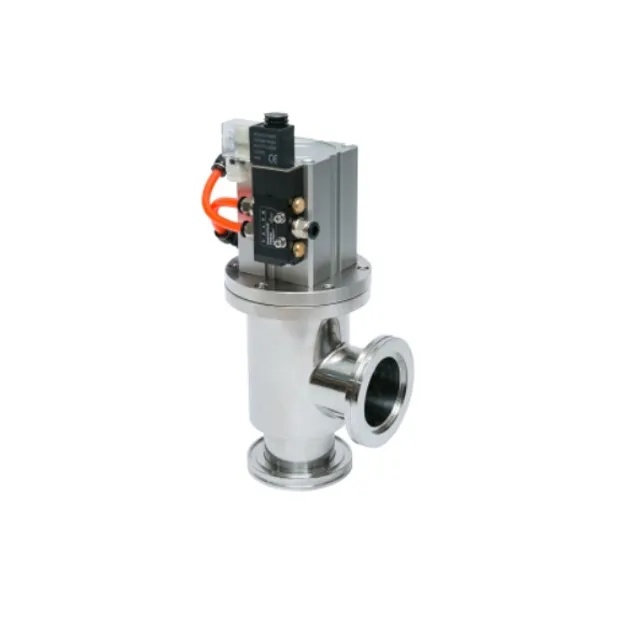
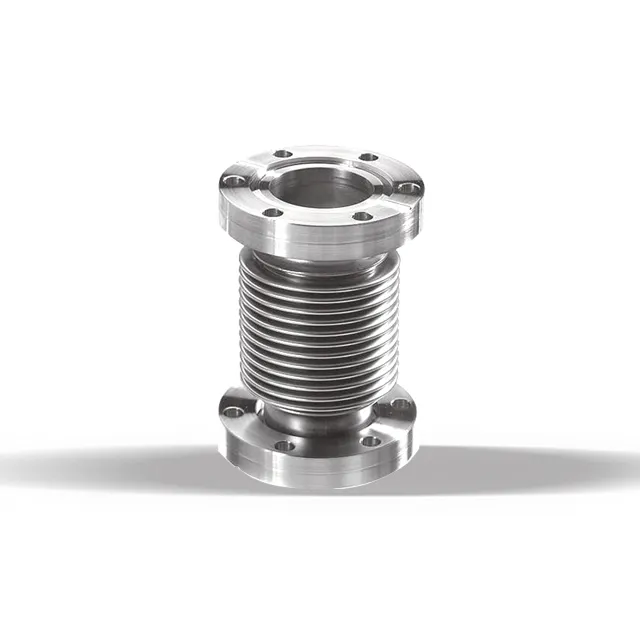
Vacuum fittings and components are essential hardware elements designed to create, maintain, and control secure connections within vacuum systems across industrial, scientific, and manufacturing environments. These specialized parts include flanges, gaskets, seals, valves, adapters, couplings, and feedthroughs that work together to ensure airtight performance under low-pressure conditions. Vacuum fittings and components serve critical functions such as joining different sections of vacuum chambers, enabling pressure monitoring, facilitating material transfer, and allowing instrumentation integration while maintaining system integrity. The technological features of modern vacuum fittings and components incorporate precision engineering with materials like stainless steel, aluminum, brass, and specialized elastomers that resist outgassing and maintain dimensional stability across temperature variations. Advanced manufacturing techniques ensure surfaces are polished to exact specifications, minimizing virtual leaks and achieving ultra-high vacuum levels when required. Many vacuum fittings and components utilize internationally recognized standards such as ISO-KF, ISO-K, and ConFlat configurations, providing compatibility across different equipment manufacturers. Applications span semiconductor fabrication, analytical instrumentation, coating processes, pharmaceutical freeze-drying, electron microscopy, mass spectrometry, and research laboratories. Vacuum fittings and components enable industries to conduct precise experiments, manufacture sensitive electronics, apply thin-film coatings, and perform quality control testing. The reliability of these components directly impacts process consistency, product quality, and operational efficiency, making proper selection and installation critical for achieving desired vacuum performance levels in demanding applications.

Popular Products

Choosing quality vacuum fittings and components delivers multiple practical benefits that directly impact your bottom line and operational success. First, these products provide leak-tight performance that maintains system vacuum integrity, preventing contamination and ensuring consistent process results. When your vacuum system operates without leaks, you save time troubleshooting problems, reduce material waste, and avoid costly production delays. The durability of professionally engineered vacuum fittings and components means fewer replacements and lower maintenance costs over the equipment lifecycle. Materials resistant to corrosion and chemical exposure extend service life even in harsh processing environments. Standardized designs allow quick installation and easy replacement, minimizing downtime during maintenance activities. Your technical staff can efficiently configure systems using interchangeable vacuum fittings and components without custom fabrication delays. The compatibility with existing equipment protects your capital investment by enabling system upgrades and expansions without complete replacements. Precision manufacturing ensures consistent dimensions and surface finishes, which translates to predictable sealing performance and eliminates guesswork during assembly. Vacuum fittings and components designed for specific pressure ranges help you match hardware capabilities to application requirements, avoiding over-specification costs while ensuring adequate performance. Temperature tolerance features allow operation across varying thermal conditions without seal degradation or connection failure. The availability of different size options and configuration styles provides flexibility to design optimal vacuum systems for your specific space constraints and process needs. Reliable vacuum fittings and components reduce the risk of contamination in sensitive applications, protecting product purity and meeting stringent quality standards. This reliability advantage is particularly valuable in pharmaceutical, semiconductor, and analytical testing environments where even minor impurities compromise results. Ultimately, investing in appropriate vacuum fittings and components supports operational efficiency, quality assurance, and long-term cost management.

Practical Tips

Why Is Vacuum Chamber Design Important for Industrial Applications?

29

May

Why Is Vacuum Chamber Design Important for Industrial Applications?

In industrial manufacturing and research environments, the vacuum chamber is far more than a sealed metal enclosure. It is a precisely engineered system whose design directly determines whether a process succeeds or fails. From semiconductor fabricat...
View More
Can Custom Vacuum Systems Reduce Long Term Operational Challenges?

29

May

Can Custom Vacuum Systems Reduce Long Term Operational Challenges?

Across manufacturing, research, and industrial processing environments, operational challenges tend to compound over time. Equipment that was selected for general use often reveals its limitations as production demands shift, process tolerances tight...
View More
Why Are Custom Vacuum Systems Important for Precision Automation?

29

May

Why Are Custom Vacuum Systems Important for Precision Automation?

In precision automation, the margin for error is measured in microns, and the environments in which sensitive processes occur must be controlled with exceptional care. custom vacuum systems have become a foundational element in this landscape, enabli...
View More
How Can Custom Vacuum Systems Improve Industrial Workflow Stability?

29

May

How Can Custom Vacuum Systems Improve Industrial Workflow Stability?

Industrial workflow stability is one of the most critical factors separating high-performing facilities from those that struggle with downtime, inconsistent output, and rising operational costs. When vacuum technology is involved in production, the p...
View More

Get a Free Quote

Our representative will contact you soon.
Email
Name
Company Name
Message
0/1000

vacuum fittings and components

Universal Compatibility and Standardization

Universal Compatibility and Standardization

Modern vacuum fittings and components adhere to internationally recognized standards that ensure seamless compatibility across different manufacturers and equipment types. The standardization of connection interfaces such as ISO-KF quick-flange systems, ISO-K large-flange assemblies, and ConFlat conflat flanges means you can mix components from various suppliers without compatibility concerns. This universal approach provides significant purchasing flexibility, prevents vendor lock-in, and enables competitive sourcing strategies that control costs. Standardized vacuum fittings and components also simplify inventory management since fewer unique parts cover diverse applications. Maintenance teams benefit from familiar connection methods that reduce training requirements and minimize installation errors. The widespread adoption of these standards within the vacuum industry ensures long-term availability of replacement parts and continued support for legacy systems. When expanding or modifying vacuum systems, standardized vacuum fittings and components allow straightforward integration of new capabilities without redesigning existing infrastructure. This compatibility advantage accelerates project timelines, reduces engineering complexity, and provides confidence that components will function together as intended, ultimately supporting flexible system design and efficient operation.
Material Excellence for Demanding Environments

Material Excellence for Demanding Environments

The material selection in quality vacuum fittings and components directly determines performance reliability under challenging operational conditions. Premium stainless steel grades offer exceptional corrosion resistance, mechanical strength, and low outgassing characteristics essential for maintaining ultra-high vacuum levels. Specialized elastomers such as Viton, Buna-N, and EPDM provide sealing flexibility across different chemical exposures and temperature ranges, ensuring compatibility with your specific process media. Aluminum vacuum fittings and components deliver lightweight alternatives for applications where weight reduction matters while maintaining adequate strength and vacuum performance. Brass components offer excellent machinability and cost-effectiveness for moderate vacuum applications. Advanced surface treatments and electropolishing techniques reduce surface roughness to minimize particle generation and virtual leaks, which is critical in cleanroom and contamination-sensitive environments. The thermal stability of properly selected materials prevents deformation during bakeout procedures commonly used to achieve ultra-high vacuum conditions. Chemical resistance ensures vacuum fittings and components maintain integrity when exposed to aggressive process gases, solvents, or cleaning agents. Material certifications and traceability documentation provide quality assurance and support regulatory compliance in regulated industries. This material excellence translates to extended service life, reduced maintenance frequency, and consistent performance that supports critical manufacturing and research applications.
Precision Engineering for Leak-Free Performance

Precision Engineering for Leak-Free Performance

Achieving and maintaining vacuum conditions requires meticulous engineering precision in every aspect of vacuum fittings and components design and manufacturing. Tight dimensional tolerances ensure mating surfaces align perfectly, creating uniform compression of sealing elements that prevent leak paths. Computer-controlled machining processes produce consistent surface finishes with minimal imperfections that could compromise seal integrity. Knife-edge flanges in ConFlat systems bite into soft copper gaskets, creating metal-to-metal seals capable of achieving ultra-high vacuum levels below 10^-9 torr. Centering rings in ISO-K assemblies ensure concentric alignment and even gasket compression around the entire seal perimeter. Precision-manufactured vacuum fittings and components eliminate the need for excessive tightening forces that could damage seals or deform flanges, simplifying installation while ensuring reliable performance. Quality control procedures including helium leak testing verify that each component meets specified leak rates before shipment. The geometric accuracy of threaded connections, bayonet locks, and quick-clamp mechanisms ensures secure assembly that withstands mechanical vibration and thermal cycling without loosening. Precision engineering in vacuum fittings and components supports faster pumpdown times, lower ultimate pressure achievement, and stable vacuum maintenance during extended processing cycles. This attention to manufacturing detail translates directly to operational benefits including reduced troubleshooting time, improved process repeatability, and confidence in system performance for critical applications.

Have questions about the company?

Get a Free Quote

Our representative will contact you soon.
Email
Name
Company Name
Message
0/1000

Get a Free Quote

Our representative will contact you soon.
Email
Name
Company Name
Message
0/1000

Get a Free Quote

Our representative will contact you soon.
Email
Name
Company Name
Message
0/1000