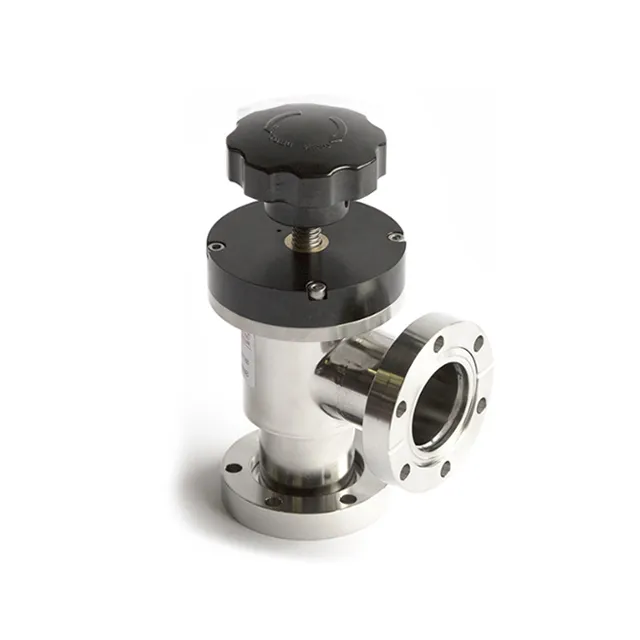
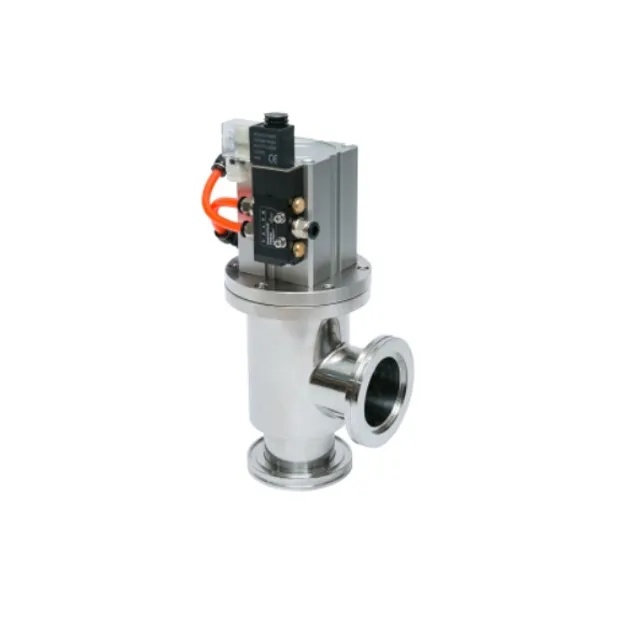
vacuum shut off valve
A vacuum shut off valve is a critical component designed to control and isolate vacuum systems by regulating the flow of gases or air within low-pressure environments. This specialized valve operates by creating a tight seal that prevents atmospheric pressure from entering the vacuum chamber while allowing controlled opening and closing functions. The vacuum shut off valve incorporates advanced sealing technology and precision-engineered materials to maintain system integrity under demanding conditions. Its main functions include isolating vacuum chambers during maintenance, protecting pumps from sudden pressure changes, and enabling segmented control of complex vacuum systems. The technological features of a vacuum shut off valve include corrosion-resistant construction, minimal outgassing properties, and compatibility with various vacuum levels ranging from low to ultra-high vacuum applications. These valves utilize different actuation methods such as manual, pneumatic, or electric operation depending on application requirements. The design ensures rapid response times while maintaining leak-tight performance throughout operational cycles. Applications span across semiconductor manufacturing, pharmaceutical processing, scientific research laboratories, coating systems, and industrial material handling. In semiconductor fabrication, the vacuum shut off valve protects sensitive processes by maintaining contamination-free environments. Pharmaceutical industries rely on these valves for freeze-drying and sterile processing applications. Research facilities use them in electron microscopes, mass spectrometers, and particle accelerators where precise vacuum control is essential for accurate results and equipment protection.
 EN
EN