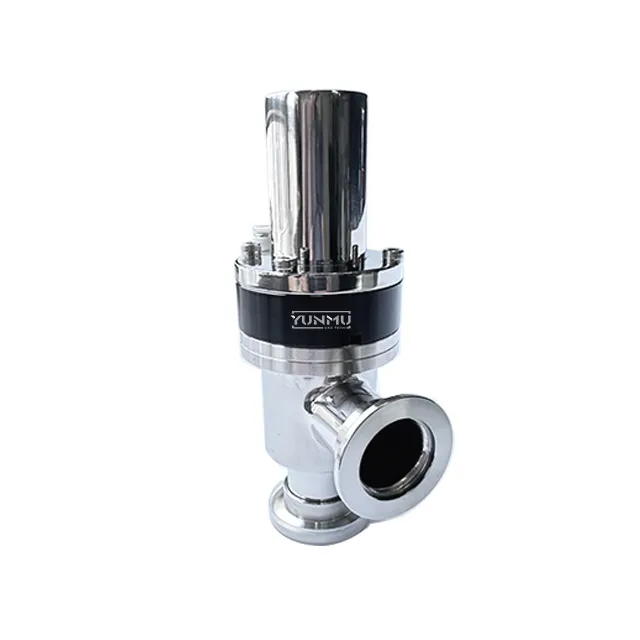
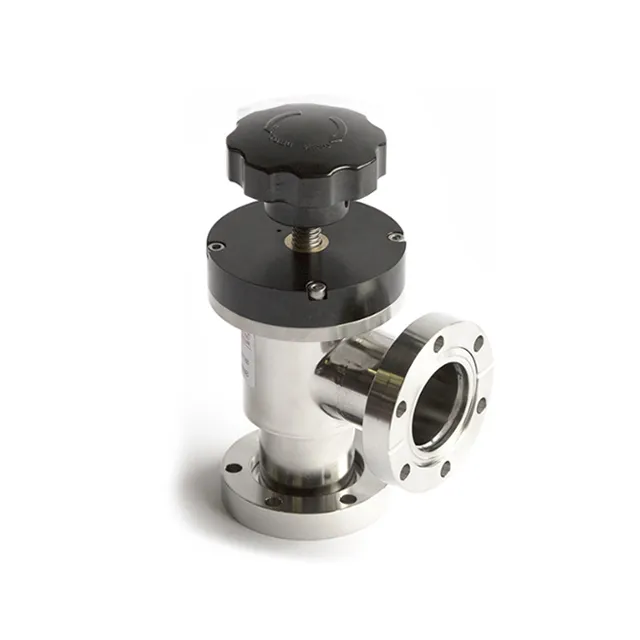
vacuum vent valve
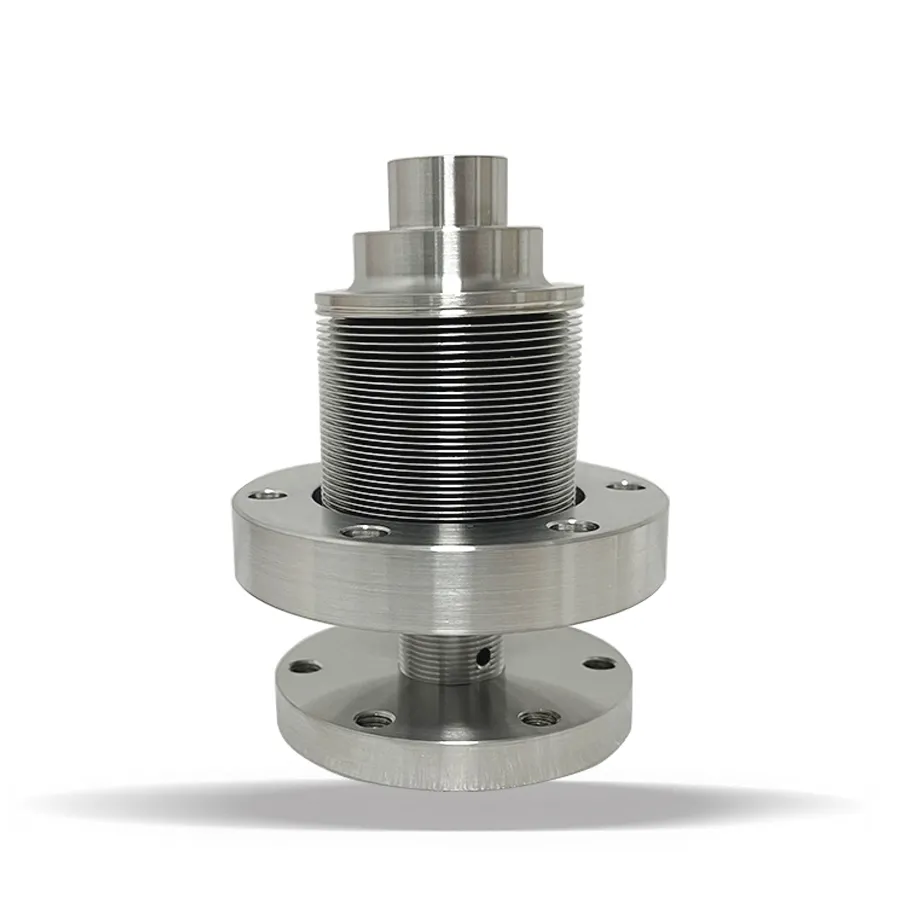
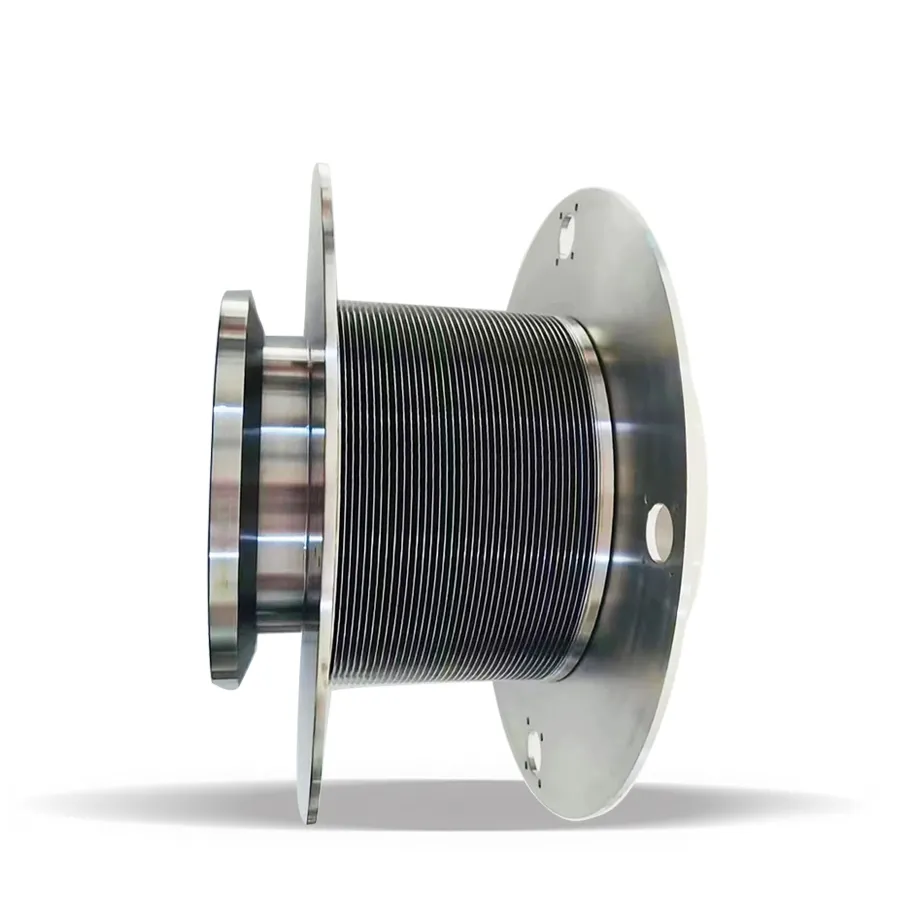
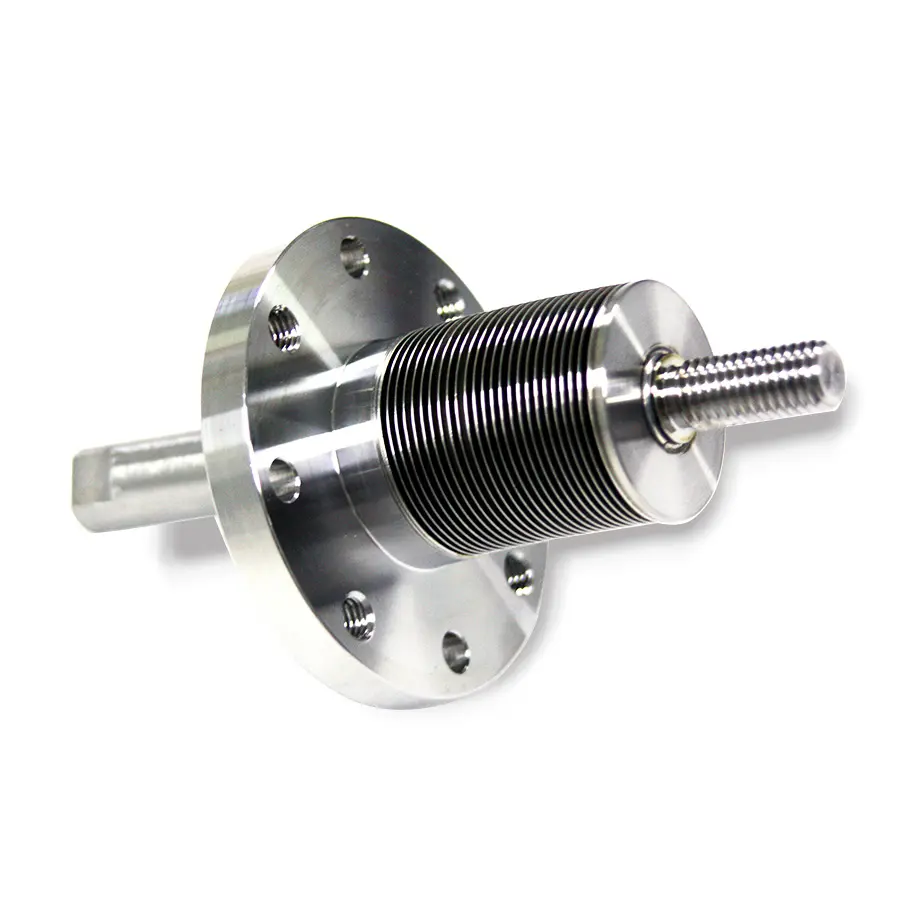
A vacuum vent valve is a critical component designed to protect vacuum systems and equipment from atmospheric pressure during operation and maintenance. This specialized valve automatically opens to admit air or inert gas into a vacuum chamber when internal pressure falls below a predetermined level, preventing damage from excessive vacuum conditions. The vacuum vent valve serves as a safeguard mechanism that maintains system integrity by controlling the rate of pressure equalization. When vacuum pumps shut down or system leaks occur, the vacuum vent valve responds by allowing controlled air intake, eliminating the risk of implosion or structural damage to sensitive equipment. Modern vacuum vent valves incorporate advanced sealing technologies and precision-engineered components that ensure reliable performance across diverse industrial applications. These valves feature robust construction materials such as stainless steel, aluminum, or specialized alloys that withstand harsh operating environments. The vacuum vent valve typically includes adjustable pressure settings, allowing operators to customize activation thresholds based on specific system requirements. Integration capabilities enable seamless connection with automated control systems for enhanced monitoring and response. Applications span semiconductor manufacturing, pharmaceutical production, food processing, chemical industries, and research laboratories where vacuum conditions are essential. The vacuum vent valve prevents costly equipment failures, reduces maintenance downtime, and extends the operational lifespan of vacuum systems. By facilitating safe and controlled pressure transitions, this valve technology ensures operational continuity while protecting valuable assets from pressure-related damage.
 EN
EN