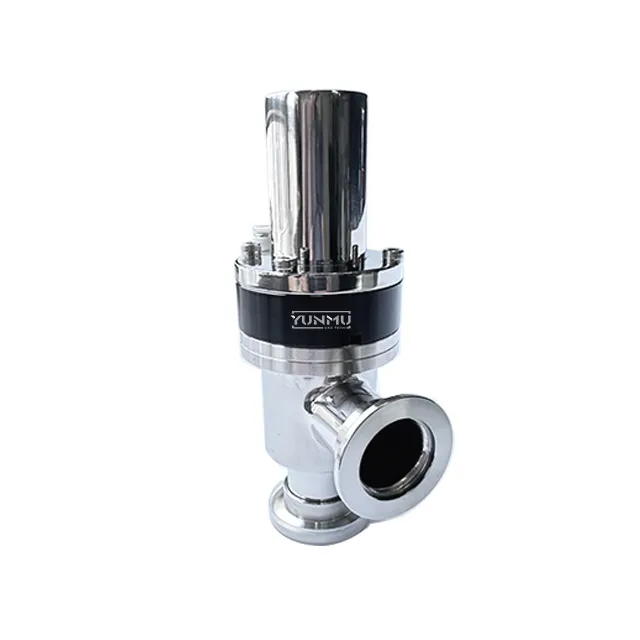
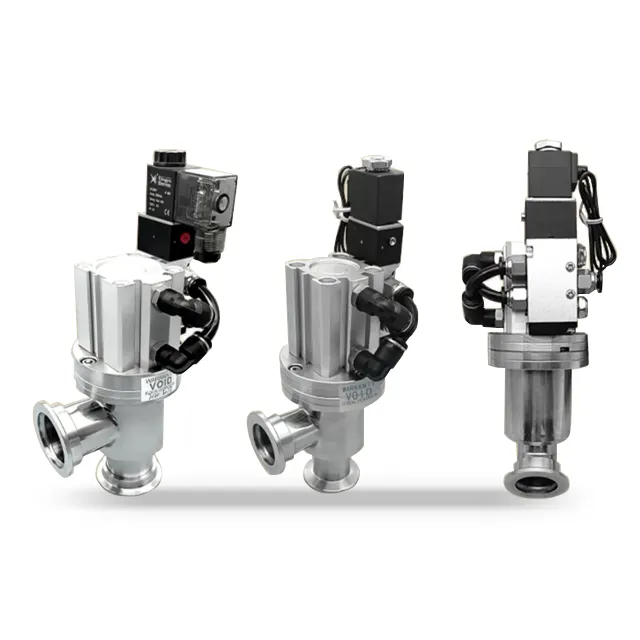
Precision Vacuum Parts | High-Performance Components

All Categories

precision vacuum parts

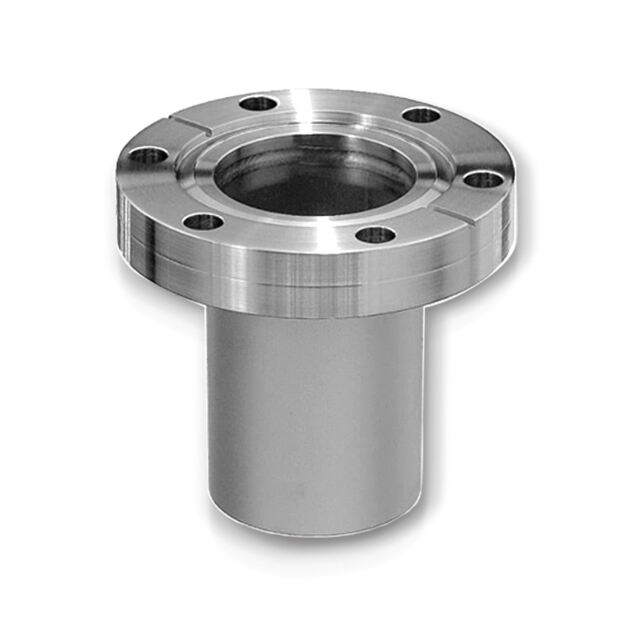
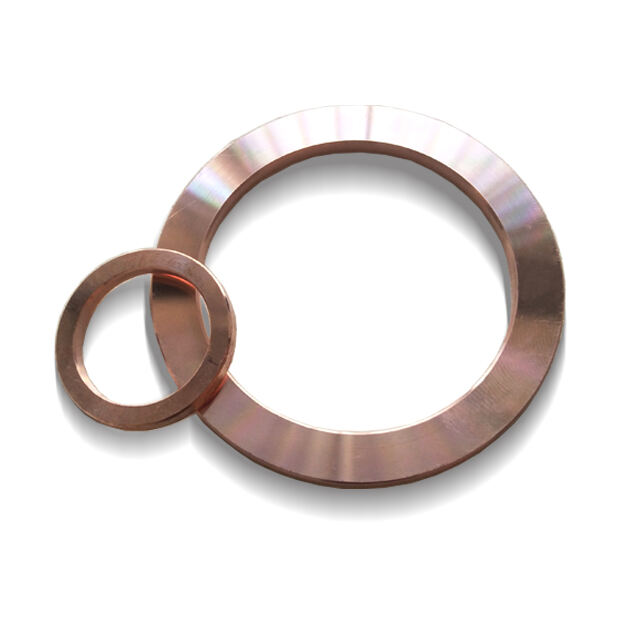
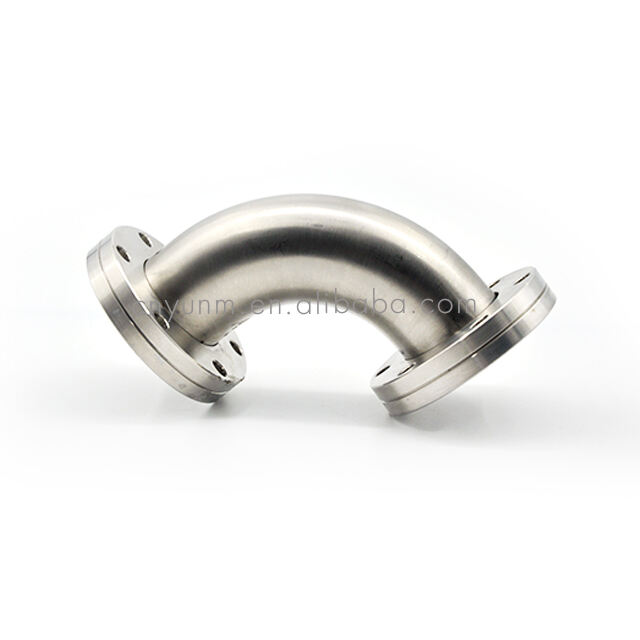
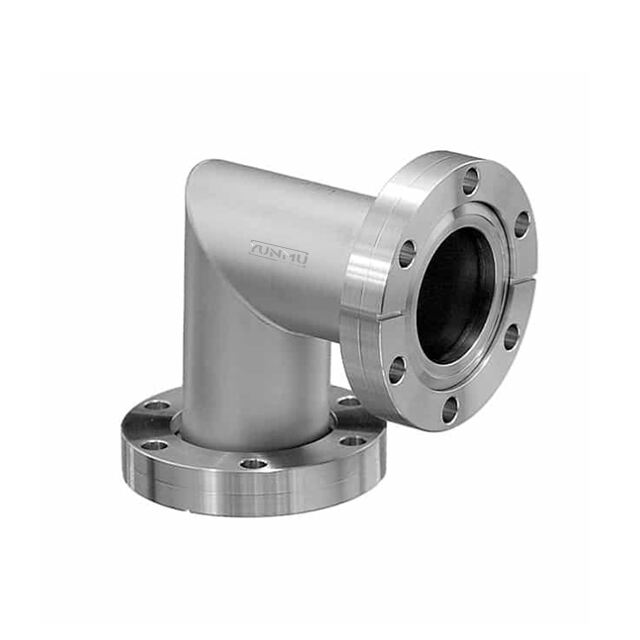
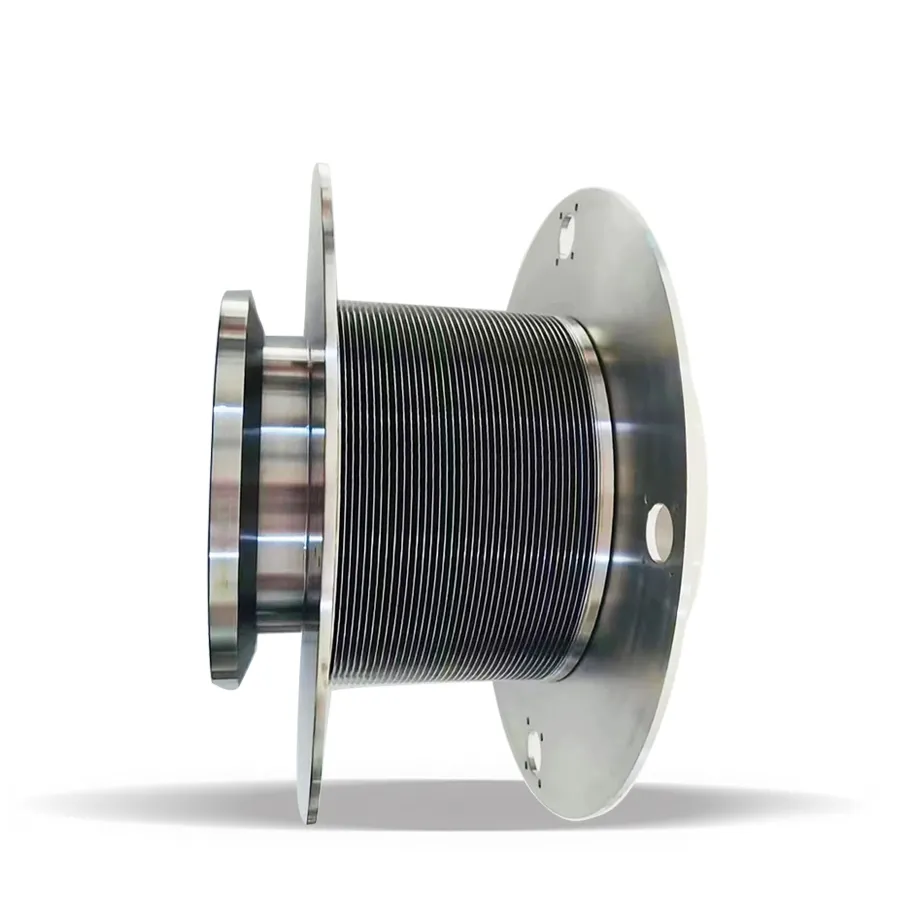
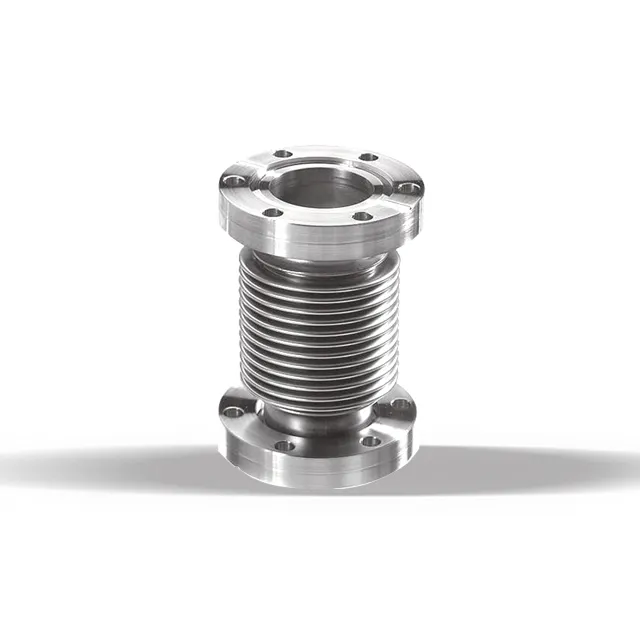
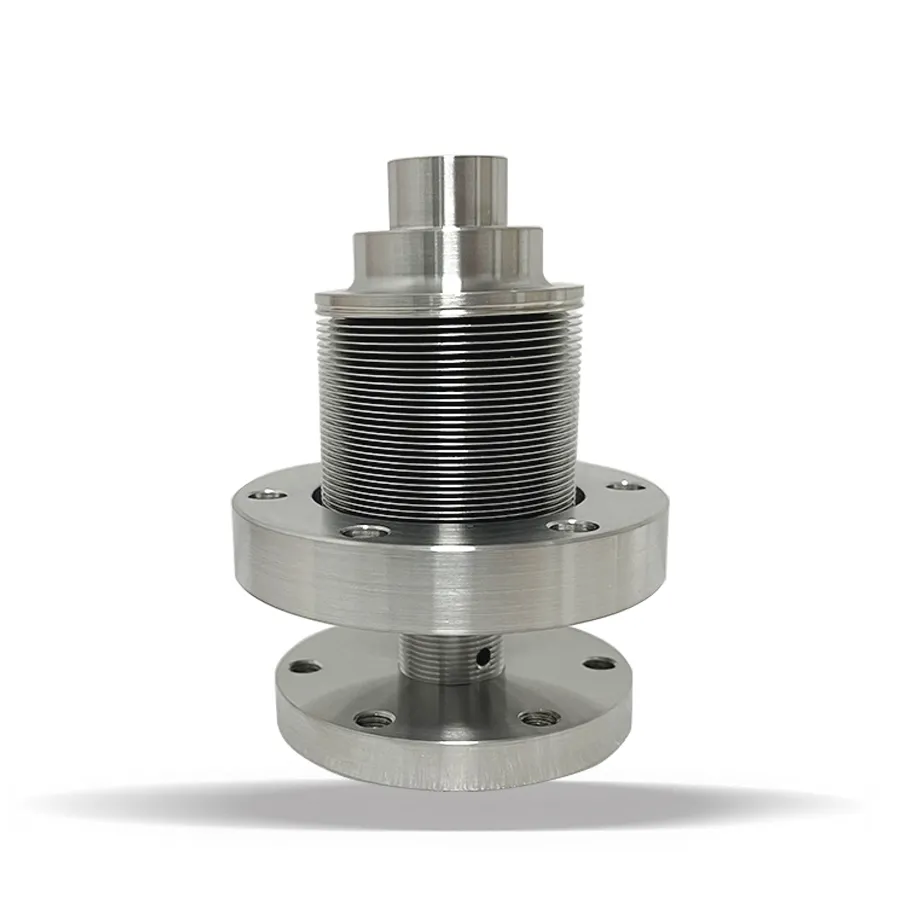
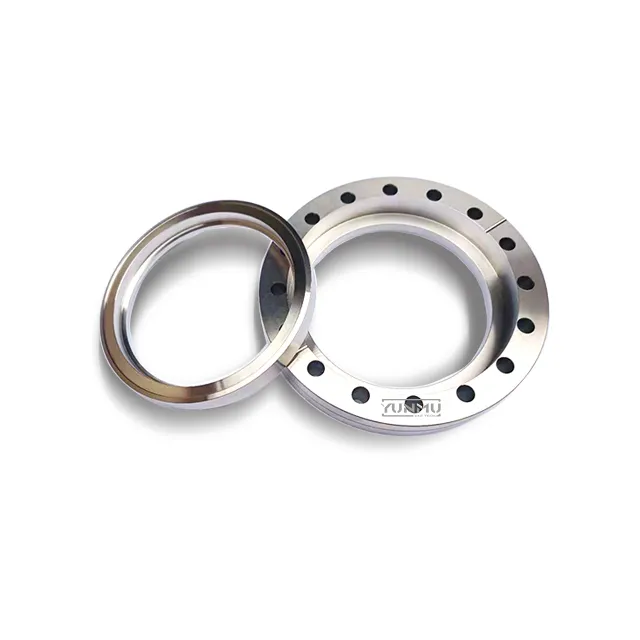
Precision vacuum parts are critical components engineered to maintain optimal performance in high-vacuum environments across industrial, scientific, and manufacturing applications. These specialized parts include vacuum chambers, flanges, feedthroughs, valves, seals, and custom-machined components designed to create and sustain ultra-low pressure conditions. The primary function of precision vacuum parts is to establish leak-tight systems that prevent atmospheric contamination while enabling controlled material processing, analytical testing, and advanced manufacturing operations. Technologically, these components utilize advanced materials such as stainless steel, aluminum alloys, and specialized elastomers that withstand extreme pressure differentials and temperature variations. Manufacturing processes incorporate CNC machining, electropolishing, and stringent quality control protocols to achieve surface finishes and dimensional tolerances measured in microns. Precision vacuum parts feature compatibility with various sealing technologies including ConFlat, ISO-KF, and ISO-F connections, ensuring versatile integration across different vacuum system architectures. Applications span semiconductor fabrication, where precision vacuum parts enable thin-film deposition and etching processes; research laboratories conducting surface science studies; pharmaceutical manufacturing requiring sterile processing environments; and aerospace testing facilities simulating space conditions. The automotive industry employs these components in coating systems, while food processing operations utilize them for freeze-drying and packaging applications. Quality precision vacuum parts deliver consistent vacuum levels, minimize outgassing, resist corrosion, and provide long service life under demanding operational conditions, making them indispensable for any application requiring controlled vacuum environments.

New Products

Investing in high-quality precision vacuum parts delivers substantial operational benefits that directly impact your bottom line and production efficiency. These components provide superior leak integrity compared to standard alternatives, reducing costly downtime caused by vacuum loss and system failures. When your vacuum system maintains consistent pressure levels, you achieve repeatable process results, which translates to higher product yields and reduced material waste. The durability of precision vacuum parts means fewer replacement cycles, lowering your total cost of ownership over the equipment lifecycle. You gain operational flexibility through compatibility with multiple vacuum technologies, allowing system upgrades without complete overhauls. Energy efficiency improves significantly because well-sealed systems require less pumping power to maintain target vacuum levels, reducing electricity consumption and operational expenses. Precision vacuum parts manufactured to exacting standards eliminate the frustration of component incompatibility, as dimensional accuracy ensures proper fitment during installation and maintenance procedures. For businesses operating in regulated industries, certified precision vacuum parts provide documentation and traceability that simplify compliance audits and quality assurance processes. The reduced maintenance requirements free your technical staff to focus on productive activities rather than troubleshooting vacuum leaks. Temperature stability offered by precision-engineered materials prevents thermal expansion issues that compromise seal integrity during thermal cycling operations. You minimize contamination risks because superior surface finishes and material selections reduce particle generation and outgassing that could compromise sensitive processes. Application suitability extends across research, production, and quality control environments, making precision vacuum parts a versatile solution regardless of your specific industry sector. Decision-makers appreciate that upfront investment in quality components pays dividends through enhanced reliability, extended service intervals, and consistent performance that supports demanding production schedules and critical research timelines.

Latest News

Can Custom Vacuum Systems Reduce Long Term Operational Challenges?

29

May

Can Custom Vacuum Systems Reduce Long Term Operational Challenges?

Across manufacturing, research, and industrial processing environments, operational challenges tend to compound over time. Equipment that was selected for general use often reveals its limitations as production demands shift, process tolerances tight...
View More
Why Are Integrated Vacuum Solutions Important for Modern Factories?

04

Jun

Why Are Integrated Vacuum Solutions Important for Modern Factories?

Modern manufacturing environments are under constant pressure to improve efficiency, reduce contamination risks, and maintain precise process control across every production stage. In this context, vacuum solutions have evolved from being a periphera...
View More
How Can Edge Welded Bellow Systems Improve Vacuum Performance?

04

Jun

How Can Edge Welded Bellow Systems Improve Vacuum Performance?

In high-precision vacuum environments, even the smallest mechanical compromise can lead to significant performance degradation. The edge welded bellow has emerged as one of the most reliable solutions for maintaining vacuum integrity while accommodat...
View More
Why Are Precision Vacuum Components Important for Industrial Use?

05

Jun

Why Are Precision Vacuum Components Important for Industrial Use?

In high-performance industrial environments, the reliability of every individual part determines the integrity of the entire system. vacuum components are among the most critical elements in this equation, forming the backbone of systems that depend ...
View More

Get a Free Quote

Our representative will contact you soon.
Email
Name
Company Name
Message
0/1000

precision vacuum parts

Advanced Material Engineering for Extreme Environments

Advanced Material Engineering for Extreme Environments

Precision vacuum parts utilize carefully selected materials engineered specifically to perform reliably under the demanding conditions found in high-vacuum applications. Stainless steel grades such as 304 and 316L offer excellent corrosion resistance and low outgassing characteristics essential for maintaining ultra-high vacuum levels. Aluminum alloys provide lightweight alternatives with superior thermal conductivity for applications requiring rapid temperature changes. Specialized elastomers including Viton, Kalrez, and Buna-N seals are matched to specific chemical exposures and temperature ranges, ensuring long-term sealing performance without degradation. Surface treatments like electropolishing reduce microscopic surface irregularities that trap contaminants and create virtual leak paths, achieving surface roughness values below 15 microinches Ra. Material certification and traceability documentation accompany precision vacuum parts, providing quality assurance for critical applications in semiconductor, pharmaceutical, and aerospace industries. The combination of base material properties and surface engineering creates components that resist thermal stress, chemical attack, and mechanical wear throughout extended service cycles. This material sophistication eliminates premature failures and maintains vacuum integrity even when exposed to aggressive process gases, cryogenic temperatures, or elevated bakeout procedures required for ultra-high vacuum conditioning.
Micron-Level Manufacturing Precision

Micron-Level Manufacturing Precision

The manufacturing processes behind precision vacuum parts incorporate advanced CNC machining, coordinate measuring, and quality verification protocols that achieve dimensional tolerances measured in microns. Sealing surfaces are machined to flatness specifications within 0.0005 inches across entire flange faces, ensuring metal-to-metal seals form proper contact without gaps that would compromise vacuum integrity. Thread specifications follow exact ISO and ANSI standards, guaranteeing that connecting hardware engages properly without cross-threading or insufficient clamping force. Precision vacuum parts undergo multi-stage inspection using laser scanning, optical comparators, and tactile measurement systems that verify every critical dimension against engineering drawings. This manufacturing rigor eliminates the variability found in lower-quality alternatives, where dimensional inconsistencies lead to installation difficulties and unreliable sealing performance. Batch consistency means replacement parts purchased years apart will interchange seamlessly with existing system components. The precision manufacturing approach extends to internal passages, port alignments, and mounting surfaces, ensuring that gas flow patterns remain unobstructed and pressure drops stay within design parameters. Quality control documentation accompanies each component, providing traceability that supports ISO certification requirements and validates performance specifications for demanding applications where vacuum system reliability directly impacts product quality and research outcomes.
Comprehensive System Compatibility and Integration

Comprehensive System Compatibility and Integration

Precision vacuum parts are designed with standardized interfaces that enable seamless integration across diverse vacuum system architectures and equipment from multiple manufacturers. ConFlat flanges provide knife-edge sealing suitable for ultra-high vacuum applications down to 10^-12 torr, while ISO-KF quick-clamp connections offer tool-free assembly for frequently accessed system sections. ISO-F flanges with centering rings accommodate larger diameter requirements in high-throughput industrial processes. This standardization eliminates compatibility concerns when expanding existing systems or replacing aging components from different suppliers. Precision vacuum parts support both horizontal and vertical mounting orientations, providing installation flexibility in space-constrained environments. Multiple port configurations allow custom vacuum chamber designs that accommodate specific feedthrough requirements for electrical connections, gas introduction, optical access, and mechanical motion transfer. Adapter components bridge different flange standards within single systems, enabling gradual technology transitions without complete system replacement. The modular nature of precision vacuum parts facilitates maintenance planning, as technicians can isolate and service individual sections without disturbing entire vacuum networks. Compatibility extends to peripheral equipment including vacuum gauges, pumps, valves, and instrumentation that rely on standard connection methods. This integration capability reduces engineering time during system design phases and simplifies procurement by allowing component sourcing from multiple qualified suppliers while maintaining performance consistency throughout the complete vacuum system.

Have questions about the company?

Get a Free Quote

Our representative will contact you soon.
Email
Name
Company Name
Message
0/1000

Get a Free Quote

Our representative will contact you soon.
Email
Name
Company Name
Message
0/1000

Get a Free Quote

Our representative will contact you soon.
Email
Name
Company Name
Message
0/1000