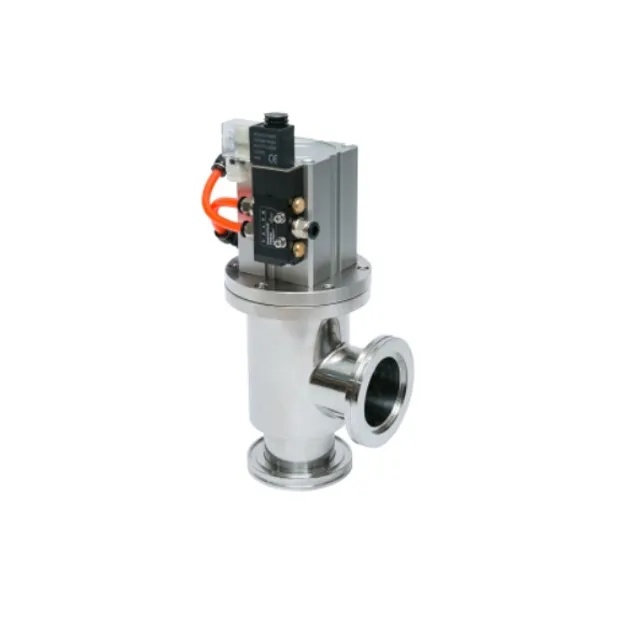
Vacuum Switching Valve: Precision Control Solutions

All Categories

vacuum switching valve

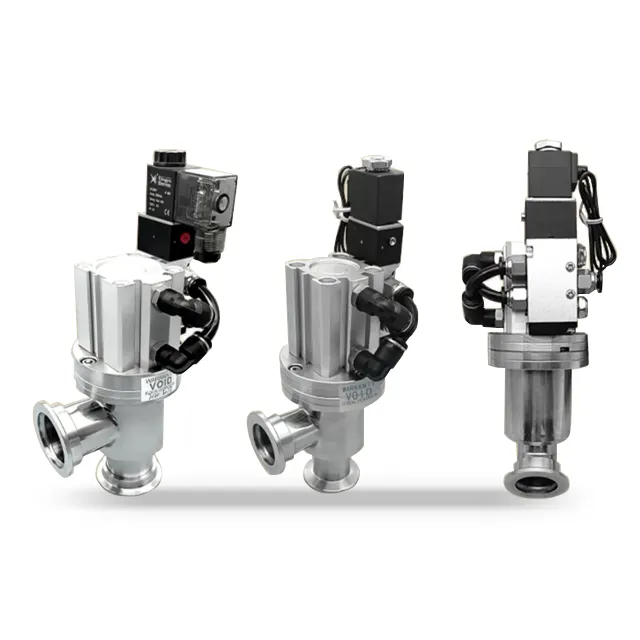
A vacuum switching valve is a precision pneumatic control device designed to regulate and direct vacuum flow in automated systems. This essential component acts as a gate that opens or closes vacuum pathways, enabling manufacturers to control suction and release cycles with accuracy. The vacuum switching valve operates by creating or interrupting vacuum pressure through solenoid actuation or manual control mechanisms. In modern production environments, these valves play a critical role in material handling, component positioning, and process automation. The technological features of a vacuum switching valve include fast response times, typically ranging from 10 to 50 milliseconds, ensuring rapid cycle operations. Advanced models incorporate leak-tight sealing technology that maintains vacuum integrity even under demanding conditions. Many designs feature compact construction with lightweight materials such as anodized aluminum or engineered plastics, making installation straightforward in space-constrained applications. The switching mechanism can be configured for normally open, normally closed, or three-way operation depending on system requirements. Applications span across packaging machinery where product lifting and placement occur, electronics assembly lines requiring delicate component handling, woodworking operations for sheet material gripping, and automotive manufacturing for parts manipulation. The valve's compatibility with various vacuum generators and suction cups makes it versatile across industries. With operating pressure ranges typically from -0.9 to 0 bar and flow capacities suited to diverse vacuum systems, the vacuum switching valve delivers reliable performance that enhances production efficiency and operational control in pneumatic automation environments.

New Product Recommendations

The vacuum switching valve offers significant cost savings by reducing compressed air consumption compared to continuous vacuum systems. By activating vacuum only when needed, your facility can lower energy expenses and improve operational efficiency. Installation requires minimal technical expertise since most models feature standardized port connections that integrate seamlessly with existing pneumatic infrastructure. This plug-and-play convenience means less downtime during setup and faster return to production. Maintenance demands are remarkably low because the valve contains few moving parts that experience wear. Simple cleaning procedures and occasional seal inspections keep the system running optimally for years. The switching speed advantage translates directly to higher production throughput. When your assembly line demands rapid pick-and-place cycles, the vacuum switching valve responds instantly to control signals, eliminating delays that accumulate across thousands of operations daily. Operational flexibility stands out as another practical benefit. You can configure the valve for multiple operating modes, adapting to changing production requirements without replacing hardware. This adaptability protects your investment as manufacturing needs evolve. Safety improvements result from precise vacuum control that prevents component damage and workplace accidents. Gentle grip-and-release cycles protect delicate materials while consistent holding force ensures secure transport. The compact footprint of a vacuum switching valve conserves valuable machine space, allowing designers to create more efficient layouts. Noise reduction compared to continuous-flow systems creates a better work environment for operators. Reliability under continuous operation means fewer production interruptions and lower replacement costs. The valve withstands millions of switching cycles while maintaining performance specifications. For decision-making purposes, the combination of energy efficiency, operational speed, maintenance simplicity, and long service life makes the vacuum switching valve an investment that pays dividends through reduced operating costs and increased productivity across diverse manufacturing applications.

Tips And Tricks

Why Are Stainless Steel Vacuum Fittings Preferred in Harsh Environments?

29

May

Why Are Stainless Steel Vacuum Fittings Preferred in Harsh Environments?

In industrial and scientific settings where reliability is non-negotiable, the choice of vacuum fittings can determine whether a system performs flawlessly or fails under pressure. Stainless steel has emerged as the dominant material for vacuum fitti...
View More
What Should Buyers Know Before Choosing a Vacuum Chamber Supplier?

29

May

What Should Buyers Know Before Choosing a Vacuum Chamber Supplier?

Selecting the right supplier for a vacuum chamber is one of the most consequential procurement decisions an industrial buyer can make. Whether you are sourcing for research and development, manufacturing, food processing, or aerospace testing, the qu...
View More
Which Businesses Gain the Most From Custom Vacuum Systems Today?

29

May

Which Businesses Gain the Most From Custom Vacuum Systems Today?

Across a wide range of industries, the demand for precision-engineered vacuum technology has grown significantly in recent years. Businesses that rely on controlled environments, contamination-free processing, or highly repeatable manufacturing condi...
View More
How Can Vacuum Solutions Improve Industrial Process Reliability?

29

May

How Can Vacuum Solutions Improve Industrial Process Reliability?

In modern industrial environments, process reliability is not a luxury — it is a fundamental requirement. Equipment downtime, inconsistent output quality, and unpredictable system behavior all carry significant operational and financial consequences....
View More

Get a Free Quote

Our representative will contact you soon.
Email
Name
Company Name
Message
0/1000

vacuum switching valve

Rapid Response Technology

Rapid Response Technology

The vacuum switching valve incorporates advanced solenoid technology that delivers switching speeds as fast as 10 milliseconds, a critical performance factor in high-speed automation environments. This rapid response capability ensures that vacuum is applied or released precisely when needed, eliminating the lag time that can cause production bottlenecks or positioning errors. In applications such as electronics assembly where components must be picked, moved, and placed in fractions of a second, this speed advantage directly increases throughput and maintains production schedules. The valve's quick-acting mechanism also reduces the risk of dropped parts during transfer operations, minimizing waste and rework costs. Engineering teams designing automated systems benefit from predictable timing characteristics that simplify programming and synchronization with other machine functions. The responsiveness remains consistent across millions of switching cycles, ensuring that production quality does not degrade over time. For manufacturers operating in competitive markets where cycle time improvements translate to market advantage, the rapid response of a vacuum switching valve provides measurable value that impacts the bottom line through higher output volumes and improved production efficiency without sacrificing handling precision or product quality.
Energy-Efficient Operation

Energy-Efficient Operation

Unlike continuous vacuum systems that consume compressed air constantly, the vacuum switching valve activates vacuum only during actual workpiece handling cycles, resulting in substantial energy savings. This on-demand operation reduces compressed air consumption by up to 70 percent in typical applications, translating to lower utility costs and reduced environmental impact. The valve's tight sealing design minimizes vacuum leakage during holding phases, maintaining grip force without requiring continuous vacuum generation. Energy efficiency extends equipment lifespan since vacuum pumps and generators operate fewer hours under load, reducing maintenance frequency and replacement costs. In facilities with multiple workstations, equipping each with a vacuum switching valve creates cumulative savings that significantly impact operational budgets. The environmental benefits align with corporate sustainability goals by reducing energy consumption and carbon footprint. Installation of energy-efficient vacuum switching valve systems often qualifies for utility rebates or green manufacturing incentives in many regions. For cost-conscious operations managers, the payback period for upgrading to switched vacuum control typically ranges from six to eighteen months depending on usage intensity. Beyond direct cost savings, the reduced heat generation from lower compressor runtime improves facility climate control efficiency and operator comfort during extended production shifts.
Versatile Application Compatibility

Versatile Application Compatibility

The vacuum switching valve adapts to an extraordinarily wide range of industrial applications through configurable port arrangements, multiple mounting options, and compatibility with various control systems. Whether your operation requires normally open, normally closed, or proportional control configurations, these valves accommodate specific process requirements without custom engineering. Standard electrical interfaces including 24V DC solenoids, 110V AC options, and fieldbus connectivity ensure integration with existing automation controllers and PLC systems. Mechanical compatibility extends to diverse vacuum generators, venturi ejectors, and vacuum pump systems across manufacturer brands. The valve handles different suction cup configurations from small bellows types for delicate electronics to large flat cups for sheet materials in woodworking or glass handling. Material options including anodized aluminum bodies, stainless steel wetted parts, and chemical-resistant seals suit applications from food processing to harsh chemical environments. Flow capacity ranges accommodate everything from miniature component handling requiring minimal air volume to large-format material manipulation needing high-throughput vacuum delivery. This versatility means procurement teams can standardize on vacuum switching valve technology across multiple production lines, simplifying inventory management, operator training, and maintenance procedures while benefiting from volume purchasing advantages and reduced spare parts complexity throughout manufacturing operations.

Have questions about the company?

Get a Free Quote

Our representative will contact you soon.
Email
Name
Company Name
Message
0/1000

Get a Free Quote

Our representative will contact you soon.
Email
Name
Company Name
Message
0/1000

Get a Free Quote

Our representative will contact you soon.
Email
Name
Company Name
Message
0/1000