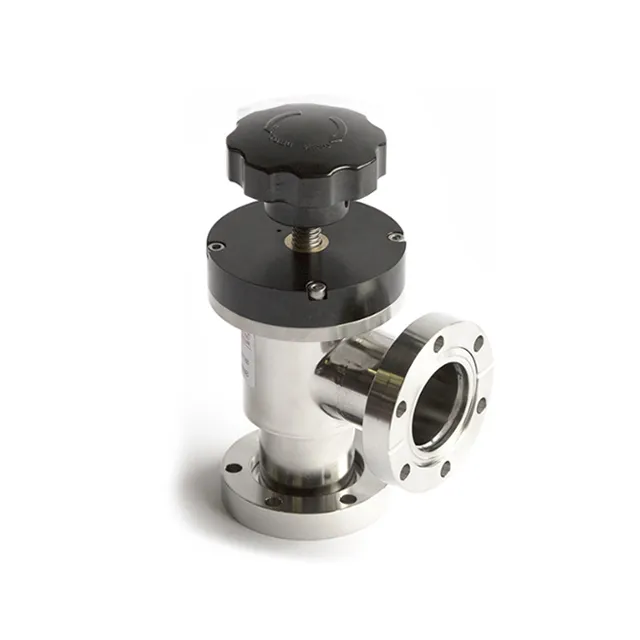
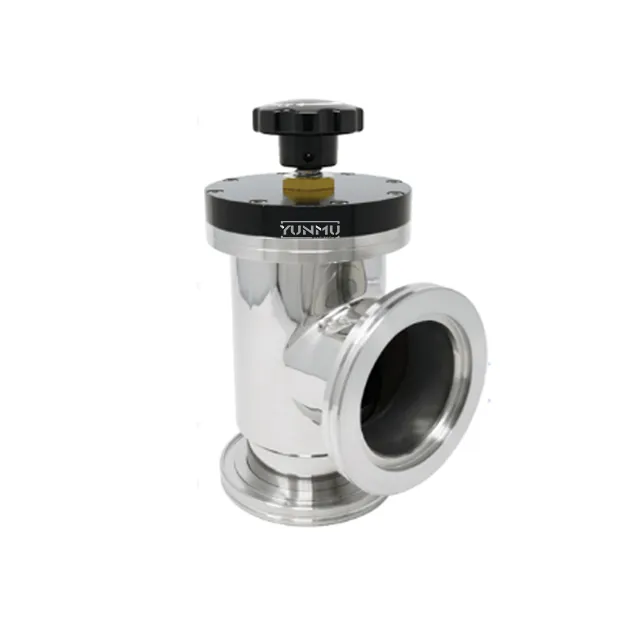
vacuum gate valve
A vacuum gate valve is a specialized shut-off device designed to control the flow of gases and maintain vacuum conditions in enclosed systems. This critical component operates by lifting a flat gate perpendicular to the flow path, creating a complete seal when closed and allowing unobstructed passage when open. The vacuum gate valve serves as an essential isolation mechanism in high-vacuum and ultra-high-vacuum environments where maintaining pressure integrity is paramount. Constructed from high-grade materials such as stainless steel and aluminum alloys, these valves feature precision-machined sealing surfaces that ensure leak-tight performance even under extreme vacuum conditions. The operational mechanism typically employs pneumatic, manual, or electric actuation systems, providing flexibility based on application requirements. Advanced vacuum gate valve designs incorporate elastomer or metal seals, depending on the operating pressure range and temperature specifications. These valves excel in applications requiring infrequent operation but absolute reliability when sealing is necessary. The robust construction withstands thermal cycling, chemical exposure, and mechanical stress common in vacuum processing environments. Modern vacuum gate valve technology integrates position indicators, limit switches, and automated control interfaces for seamless integration into sophisticated vacuum systems. Their design minimizes virtual leaks and outgassing, critical factors in achieving and maintaining ultra-high-vacuum levels. The vacuum gate valve represents an indispensable component across semiconductor manufacturing, research laboratories, coating systems, and industrial vacuum processes where precision control and contamination prevention are non-negotiable requirements for operational success and product quality assurance.
 EN
EN