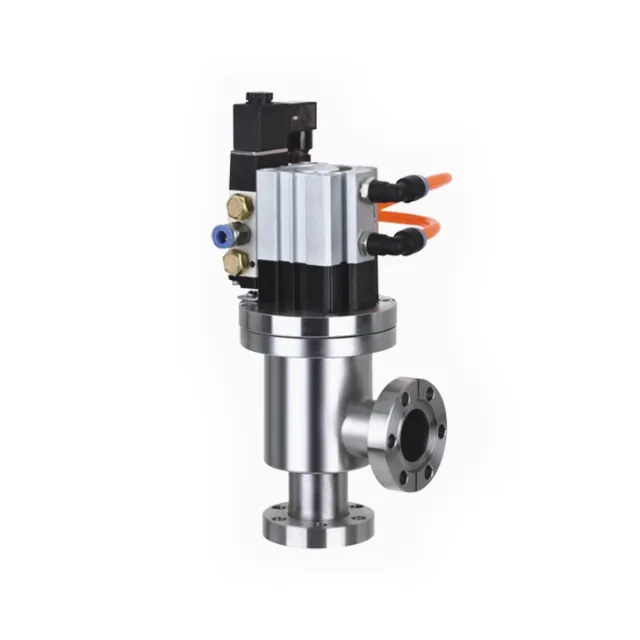
valvola a Vuoto Solenoide
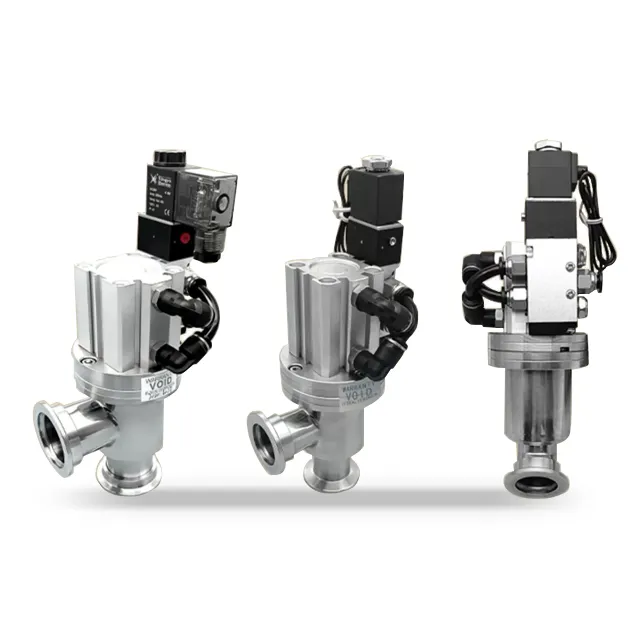
Una valvola a vuoto a solenoide è un dispositivo elettromeccanico progettato per controllare il flusso di gas nei sistemi a vuoto aprendo o chiudendo un passaggio mediante azionamento elettromagnetico. Questa valvola combina una bobina a solenoide con un corpo valvola per fornire un controllo preciso e automatizzato degli ambienti a vuoto. Quando una corrente elettrica attraversa la bobina a solenoide, questa genera un campo magnetico che muove un pistone o un’armatura, i quali a loro volta aprono o chiudono il meccanismo della valvola. La valvola a vuoto a solenoide funziona in modo efficiente in applicazioni a bassa pressione, rendendola essenziale per mantenere condizioni di vuoto controllate in vari processi industriali. Le sue principali funzioni includono l’isolamento delle camere a vuoto, la regolazione del flusso di gas e la possibilità di arresto d’emergenza nei sistemi a vuoto. Dal punto di vista tecnologico, queste valvole sono realizzate con materiali resistenti alla corrosione e allo stress termico, garantendo prestazioni affidabili anche in ambienti gravosi. Le moderne valvole a vuoto a solenoide integrano tecnologie avanzate di tenuta per mantenere un’elevata impermeabilità anche in condizioni estreme di vuoto. Sono disponibili nelle configurazioni normalmente aperte o normalmente chiuse, per soddisfare diverse esigenze operative. Le applicazioni spaziano dalla produzione di semiconduttori, dove il controllo preciso del vuoto è fondamentale per la lavorazione dei wafer, agli strumenti analitici — tra cui spettrometri di massa e microscopi elettronici — ai sistemi di deposizione sotto vuoto, agli equipaggiamenti per la liofilizzazione nella produzione farmaceutica e ai laboratori di ricerca che conducono esperimenti in condizioni atmosferiche controllate. La valvola a vuoto a solenoide garantisce tempi di risposta rapidi, tipicamente nell’ordine di pochi millisecondi per l’apertura o la chiusura, consentendo aggiustamenti rapidi del sistema e un miglior controllo del processo in applicazioni sensibili al tempo.
 EN
EN