Inline Vacuum Valve: Precision Control Solutions

All Categories

inline vacuum valve

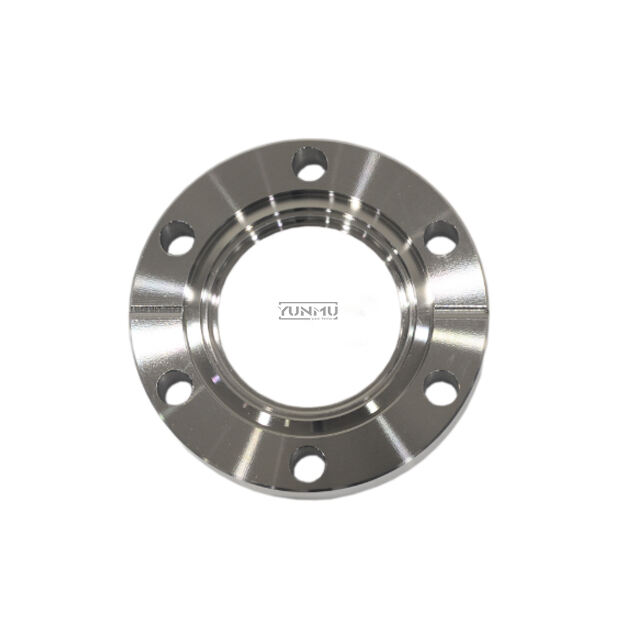
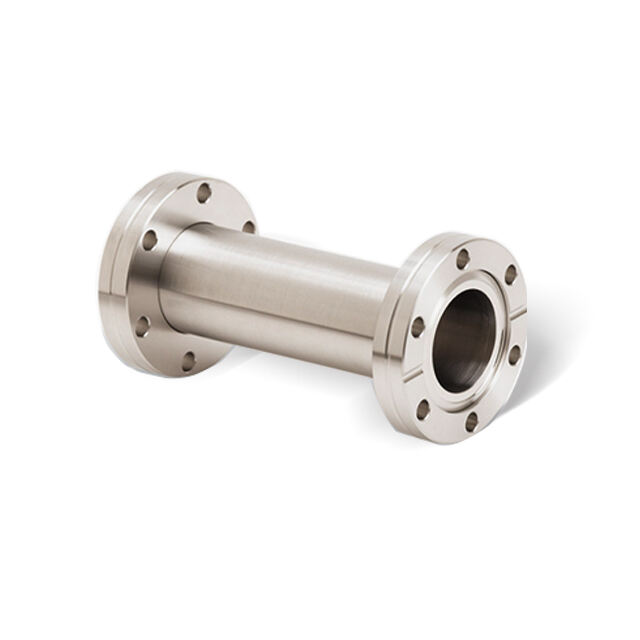
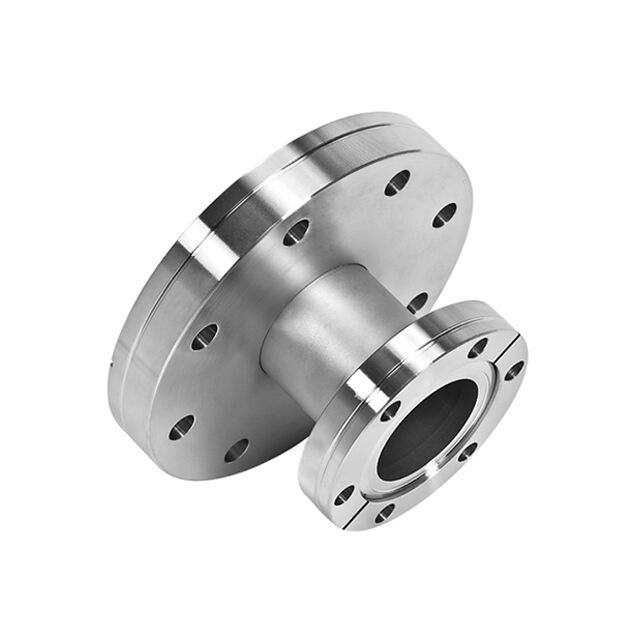
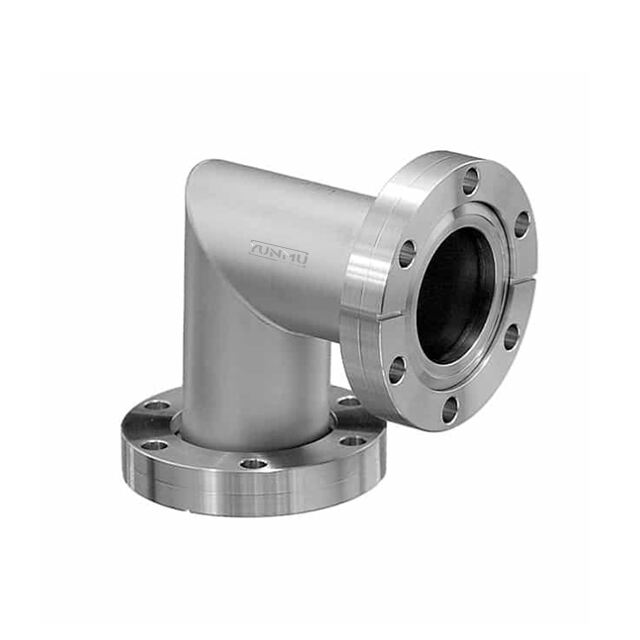
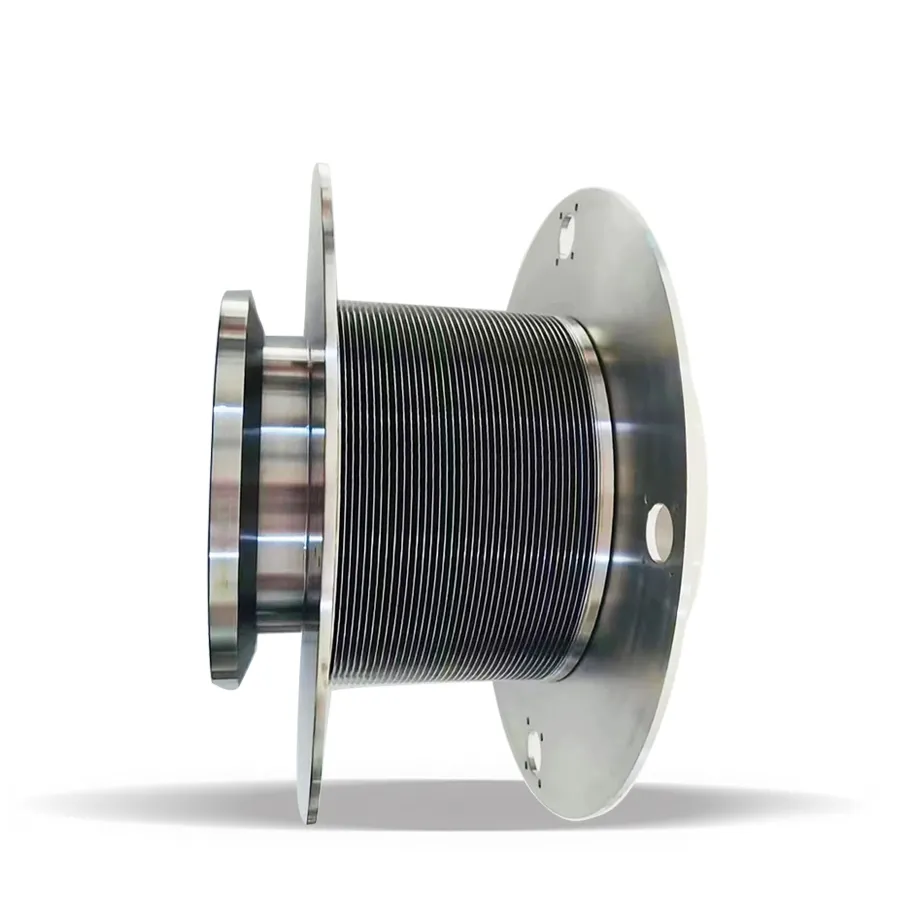
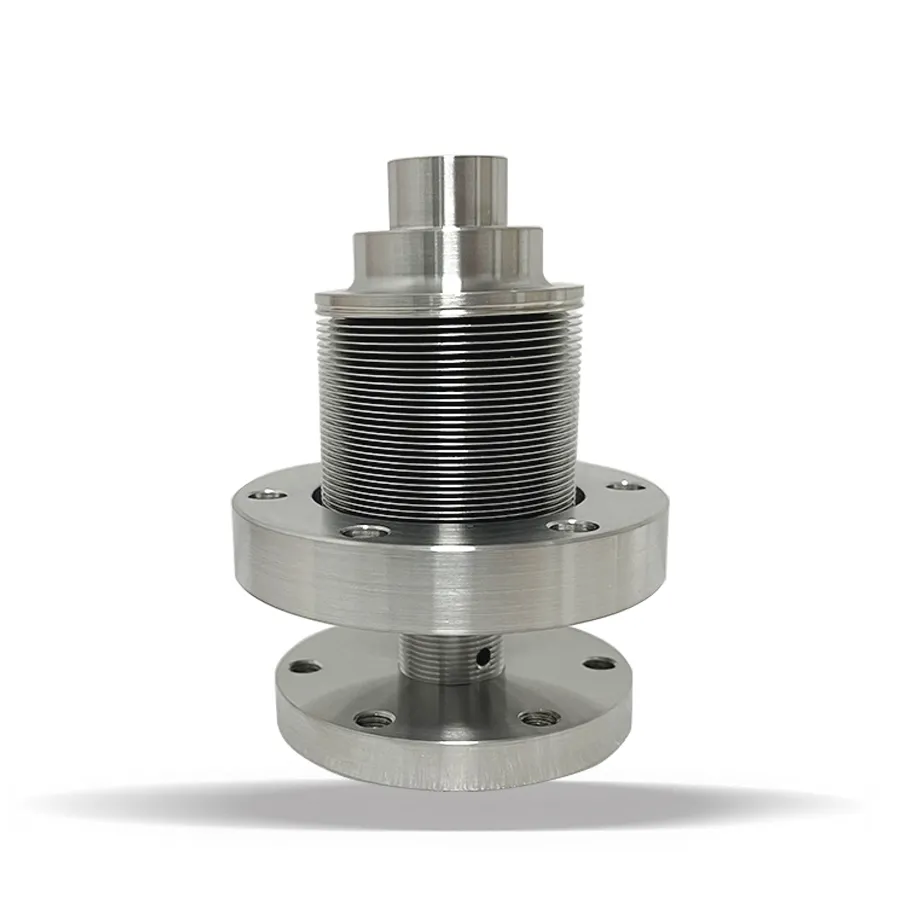
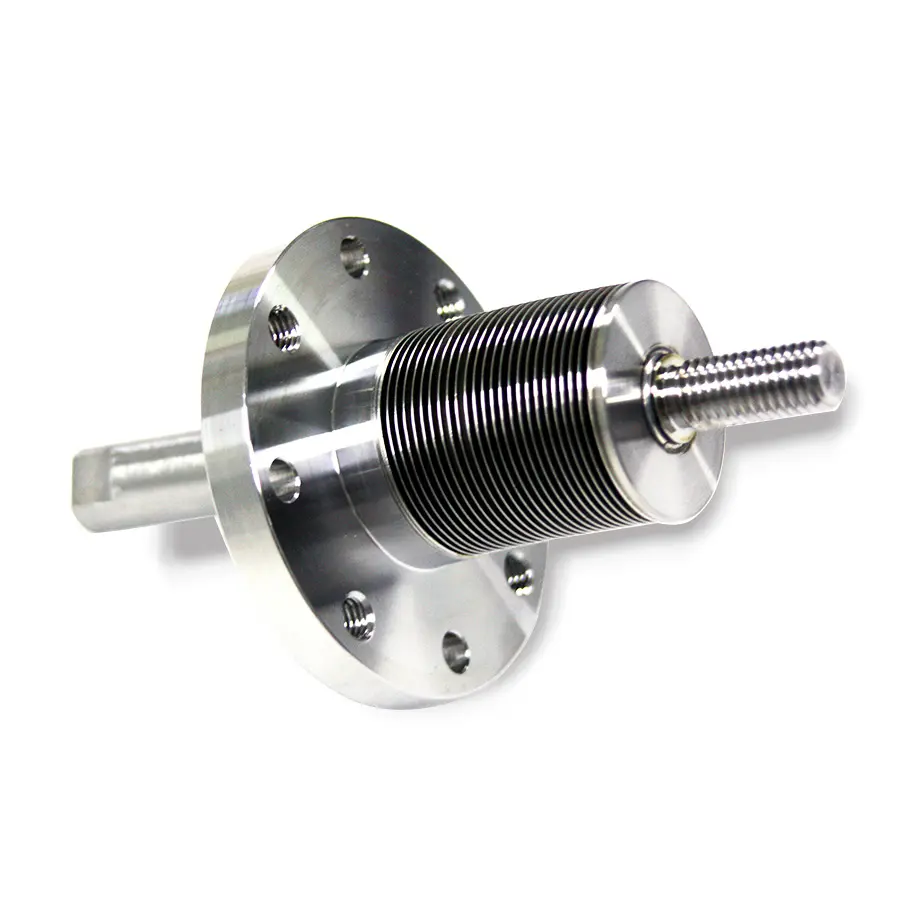
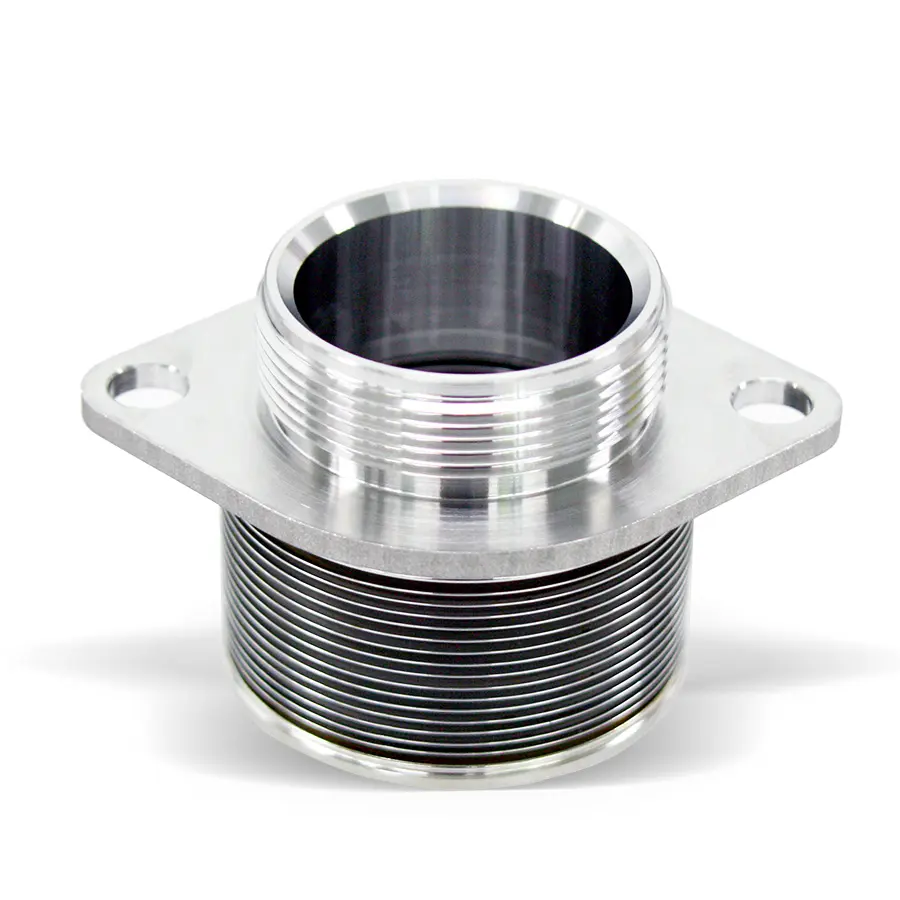
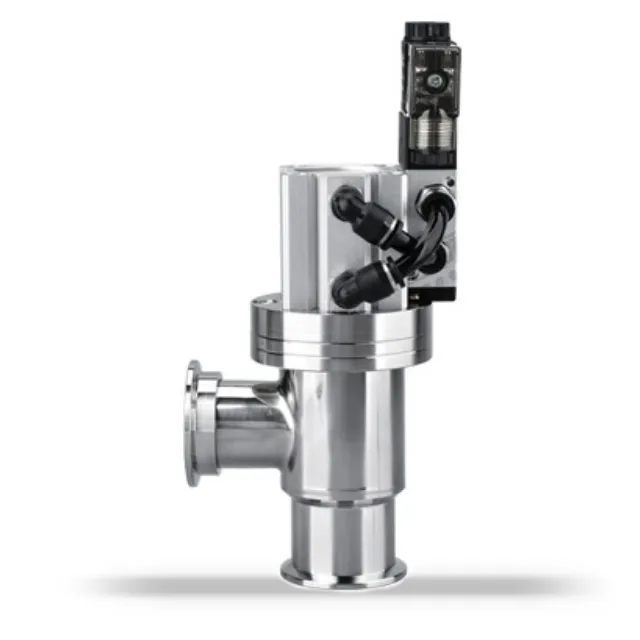
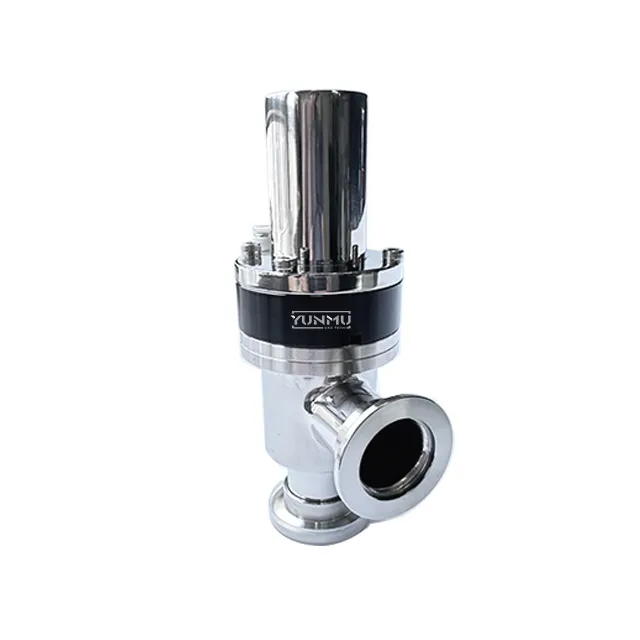
An inline vacuum valve is a critical component designed to control and regulate vacuum flow within enclosed systems. This specialized valve integrates directly into vacuum lines, providing precise on-off control or flow regulation for various industrial and laboratory applications. The inline vacuum valve features a compact, space-efficient design that allows seamless installation within existing piping configurations without requiring extensive modifications. Manufactured from high-quality materials such as stainless steel, aluminum, or specialized alloys, these valves ensure long-term durability and resistance to corrosion. The inline vacuum valve operates through multiple actuation methods, including manual, pneumatic, or electric mechanisms, offering flexibility for different operational requirements. Advanced sealing technologies incorporated into the inline vacuum valve design guarantee leak-tight performance even under extreme vacuum conditions, typically ranging from atmospheric pressure down to ultra-high vacuum levels. The valve body construction minimizes internal volume and dead space, ensuring rapid response times and preventing contamination or outgassing issues. Key technological features include low particle generation, minimal maintenance requirements, and compatibility with various process media. Applications for the inline vacuum valve span across semiconductor manufacturing, analytical instrumentation, vacuum coating systems, pharmaceutical processing, research laboratories, and industrial vacuum systems. The inline vacuum valve provides essential isolation capabilities, allowing system sections to be serviced while maintaining vacuum integrity in other areas, thereby improving operational efficiency and system reliability across diverse vacuum technology applications.

New Products

The inline vacuum valve delivers substantial cost savings by reducing system downtime and maintenance frequency through its robust construction and reliable sealing performance. Users benefit from quick installation procedures that minimize labor costs and system interruption, as the valve's inline configuration fits directly into existing vacuum lines without complex modifications. The inline vacuum valve enhances operational safety by providing dependable isolation that protects personnel and equipment during maintenance activities or emergency situations. Energy efficiency improves significantly because the valve's low-leakage design maintains consistent vacuum levels, reducing the workload on vacuum pumps and lowering electricity consumption. Process quality benefits from the inline vacuum valve's ability to eliminate cross-contamination between system sections and maintain precise vacuum control throughout operations. The valve's versatile actuation options accommodate both automated and manual control preferences, allowing businesses to integrate the inline vacuum valve into existing control systems or operate it as a standalone component. Durability translates directly into lower total cost of ownership, as the inline vacuum valve withstands harsh operating conditions without frequent replacement needs. The compact footprint proves particularly valuable in space-constrained installations, maximizing available workspace while delivering full functionality. Response time advantages become apparent during critical process steps where rapid valve actuation prevents product loss or quality issues. The inline vacuum valve's compatibility with various vacuum ranges means a single valve type can serve multiple applications, simplifying inventory management and reducing procurement complexity. Maintenance simplicity further enhances value, as routine servicing requires minimal specialized tools or training, enabling in-house teams to handle upkeep efficiently without costly external service contracts.

Tips And Tricks

Why Are High Quality Vacuum Fittings Critical for Industrial Systems?

29

May

Why Are High Quality Vacuum Fittings Critical for Industrial Systems?

In industrial environments where precision and reliability are non-negotiable, the integrity of every component in a vacuum system determines whether operations succeed or fail. Among all the components that make up a vacuum assembly, vacuum fittings...
View More
Why Are Stainless Steel Vacuum Fittings Preferred in Harsh Environments?

29

May

Why Are Stainless Steel Vacuum Fittings Preferred in Harsh Environments?

In industrial and scientific settings where reliability is non-negotiable, the choice of vacuum fittings can determine whether a system performs flawlessly or fails under pressure. Stainless steel has emerged as the dominant material for vacuum fitti...
View More
What Vacuum Accessories Should Industrial Buyers Prioritize First?

29

May

What Vacuum Accessories Should Industrial Buyers Prioritize First?

For industrial buyers stepping into a vacuum system procurement process, the sheer range of available vacuum accessories can be overwhelming. From sealing components to flanges, centering rings, and clamps, each piece plays a specific role in maintai...
View More
Why Are Precision Edge Welded Bellow Products Widely Used Today?

05

Jun

Why Are Precision Edge Welded Bellow Products Widely Used Today?

In modern engineering and industrial design, the demand for components that combine flexibility, precision, and long-term reliability has never been higher. The edge welded bellow has emerged as one of the most trusted solutions across a wide range o...
View More

Get a Free Quote

Our representative will contact you soon.
Email
Name
Company Name
Message
0/1000

inline vacuum valve

Superior Sealing Technology for Zero-Leakage Performance

Superior Sealing Technology for Zero-Leakage Performance

The inline vacuum valve incorporates advanced sealing mechanisms that deliver exceptional leak-tight performance across the entire vacuum spectrum. Precision-engineered elastomer or metal seals create reliable barriers that prevent atmospheric infiltration, maintaining system integrity even during prolonged operations under demanding conditions. This sealing technology specifically addresses the challenges of high vacuum and ultra-high vacuum environments where even microscopic leaks can compromise process outcomes. The seal design minimizes wear and deformation over repeated cycling, extending service intervals and reducing maintenance costs significantly. Materials selection for sealing components considers chemical compatibility, temperature resistance, and outgassing characteristics to ensure the inline vacuum valve performs reliably across diverse applications. The valve's seat geometry optimizes contact pressure distribution, creating uniform sealing force that adapts to minor surface imperfections without requiring excessive actuation force. This superior sealing capability translates directly into improved process consistency, reduced vacuum pump workload, and enhanced product quality. Users experience fewer system interruptions related to vacuum loss, lower operational costs from reduced pump runtime, and greater confidence in critical vacuum-dependent processes where reliability is paramount.
Rapid Actuation for Enhanced Process Control

Rapid Actuation for Enhanced Process Control

The inline vacuum valve features quick-response actuation systems that enable precise timing control essential for sophisticated vacuum processes. Whether pneumatically, electrically, or manually actuated, the valve's mechanical design minimizes moving mass and friction, allowing transition from fully open to fully closed positions in milliseconds. This rapid response capability proves critical in applications requiring synchronized valve operation, such as load-lock systems, batch processing, or sequential chamber isolation. The inline vacuum valve's actuation mechanism incorporates position feedback options for automated systems, providing real-time status information that integrates seamlessly with programmable logic controllers and process monitoring systems. Smooth, controlled motion during actuation prevents pressure surges or shocks that could disturb sensitive processes or damage delicate components. The valve's design accommodates variable speed control for applications requiring gradual pressure transitions, offering flexibility beyond simple on-off functionality. Fail-safe configurations ensure the inline vacuum valve defaults to a predetermined safe position during power loss or control signal interruption, protecting valuable equipment and work-in-progress materials. This combination of speed, precision, and reliability empowers operators to implement complex vacuum process recipes with confidence, achieving tighter process windows and superior outcomes.
Minimal Conductance Restriction for Optimized Flow

Minimal Conductance Restriction for Optimized Flow

The inline vacuum valve's internal flow path design minimizes pressure drop and conductance restrictions, preserving system pumping efficiency throughout the vacuum range. Engineered with streamlined interior geometries, the valve reduces turbulence and maximizes molecular flow characteristics essential for high vacuum applications. The full-port configuration ensures that when fully open, the inline vacuum valve presents minimal obstruction to gas flow, allowing vacuum pumps to operate at maximum effectiveness without fighting unnecessary resistance. This design consideration becomes increasingly important in systems with long vacuum lines or multiple inline components, where cumulative conductance losses can significantly impact ultimate pressure and pump-down time. The valve's low profile and compact form factor reduce the overall system volume between the process chamber and vacuum pump, further improving evacuation speed and response. Computational fluid dynamics modeling during the development of the inline vacuum valve optimizes internal surface finishes and contours to minimize particle traps and virtual leaks that could compromise vacuum quality. Users benefit from faster cycle times, improved throughput, and the ability to achieve lower base pressures with existing pump systems. The inline vacuum valve's flow-optimized design delivers measurable productivity gains while maintaining the isolation and control functions essential for versatile vacuum system operation.

Have questions about the company?

Get a Free Quote

Our representative will contact you soon.
Email
Name
Company Name
Message
0/1000

Get a Free Quote

Our representative will contact you soon.
Email
Name
Company Name
Message
0/1000

Get a Free Quote

Our representative will contact you soon.
Email
Name
Company Name
Message
0/1000